It’s official: The United States has lost its measles-elimination status. Though this is hardly surprising — it’s been abundantly clear that the virus has been spreading continuously for more than a year — the loss is more than a symbolic setback. It reflects a devastating reversal in public health progress with real consequences for Americans’ lives.
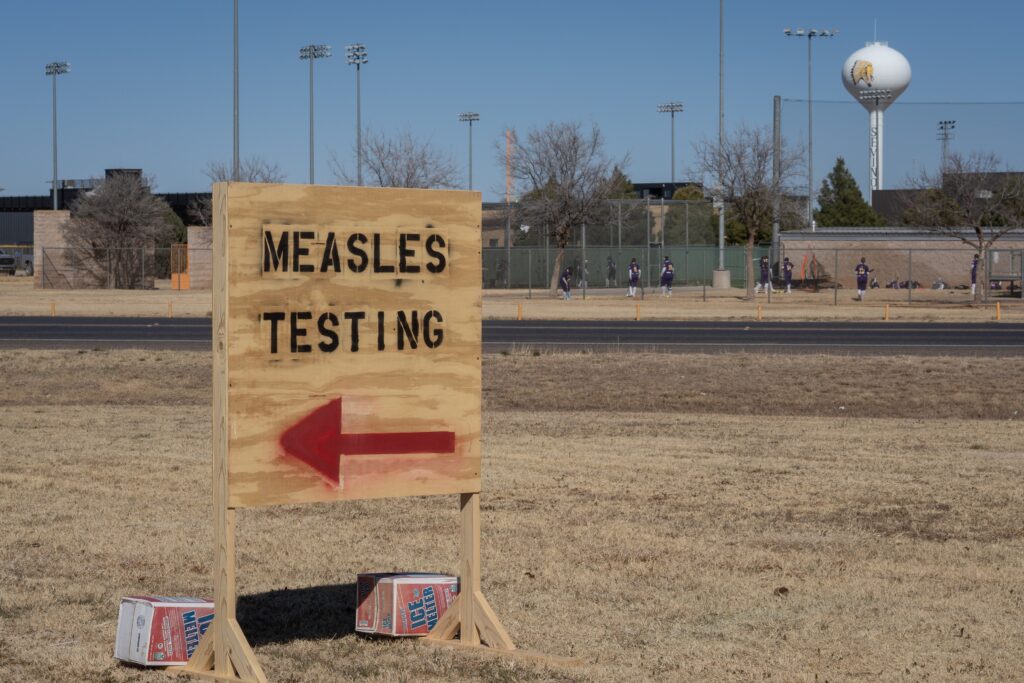
Some are already feeling these impacts. In 2025, the U.S. recorded more than 2,280 measles cases, more than in any year since 1992, which was eight years before the disease was declared eliminated in 2000. The country is on track to triple that number in 2026, with more than 5,400 cases reported so far. Hundreds of people have been hospitalized, and state authorities have reported 10 deaths. At least four of those who died were infants or young children.
Pregnant women are at especially high risk of measles complications. A new study published in NEJM Evidence documented 112 cases of measles during pregnancy amid outbreaks in 2025 and 2026. Nearly all the women were unvaccinated or had unknown vaccination status. About 1 in 4 required hospitalization, and 11 developed pneumonia. Among pregnancies with known outcomes, researchers documented preterm births, miscarriages and stillbirths. At least 13 newborns were diagnosed with congenital measles, which can cause brain inflammation, serious neurological complications and death.
Given the risks to infants, prominent experts including Rochelle Walensky, former director of the Centers for Disease Control and Prevention, are urging earlier measles vaccination. CDC guidance recommends two doses of the measles, mumps and rubella vaccine, the first at 12 to 15 months and the second at 4 to 6 years. This schedule leaves infants under a year old unprotected. A “zero dose,” given at 6 to 11 months, is safe and already available for infants. Parents should discuss this option with their pediatricians, especially if they live in an affected community or plan to travel this winter.
The good news is that the MMR vaccine is highly protective against measles. One dose is 93 percent effective; two doses are 97 percent. People who previously had measles also have lifelong immunity.
Unfortunately, the number of Americans without measles protection is growing. During the 2025-26 school year, only about 92 percent of kindergartners had received two doses of MMR, well below the 95 percent needed for herd immunity. More than three-quarters of states fell short of that threshold, and MMR coverage is far lower in many communities. Because the virus is so contagious that one infected person can spread it to 12 to 18 susceptible individuals, measles outbreaks will become increasingly difficult to stamp out as vaccination rates decline.
And this is the problem. More of the virus spreading means that more people will become infected. More will become ill. More will develop complications — including immune amnesia, in which a measles infection erases the body’s memory of other vaccinations and past infections, leaving it more vulnerable to other diseases. And more will die of an infection that, until recently, many American physicians had never encountered in their practices.
The consequences will go beyond the direct effects on health. Measles has an incubation period of up to 21 days, and unvaccinated people exposed to the virus may be required to quarantine for that period. That could result in weeks of missed school and work.
Outbreaks also impose substantial costs, such as paying for hospitalizations, medical treatment, contact tracing and other containment efforts. A 2025 systemic review of outbreaks in 18 states found that the average cost per measles case was $43,000. Containing 50 cases is estimated to require more than a million dollars.
Then there are the additional economic — and reputational — costs. The U.S. issues travel advisories warning Americans about infectious diseases they may encounter abroad, sometimes recommending additional vaccinations. What a shame it would be if other countries began cautioning their citizens about traveling to the United States.
Not long ago, the U.S. took great pride in being a leader in global health. It’s hard to maintain that moral authority when it can no longer control a vaccine-preventable disease within its borders.
The Pan American Health Organization, in its decision to withdraw U.S. measles-elimination status, outlined a corrective action plan that includes strengthening vaccination campaigns and responding more rapidly to outbreaks. Health officials would do well to follow this plan, as well as to heed the lessons from our neighbors to the north.
Canada, which lost its elimination status last year, has redoubled its efforts and already passed 60 days without a new case. Whether the U.S., too, can get its act together will determine not only the immediate health risks Americans face but also whether this setback represents a lasting failure or a turning point in rebuilding public health.
The post Why it matters that the U.S. lost its measles-elimination status appeared first on Washington Post.