Before trekking to the mountaintop shrines where they were sacrificed, Inca children were dressed in finery and feasted with priests and local leaders. They also ingested drugs including cocaine, alcohol and ayahuasca, according to a new toxicological study of their mummified bodies.
Sacrificial rituals like these were called capacocha — “royal obligation” in Quechua — and they were an important cultural practice in the Inca Empire, which ruled much of the Andes in the 15th and 16th centuries.
The vast empire united its subjects around shared religious practices. The children who were sacrificed and venerated atop mountains were thought to garner the favor of the gods in times of struggle, such as natural disasters or illness, as well as during times of celebration.
The use of drugs in these rituals was recorded in several 16th-century documents written by Spanish chroniclers who heard about capacocha ceremonies from locals and has since been confirmed by previous archaeological finds. Some Inca mummies were found alongside vessels containing traces of the alcoholic beverage chicha in the 1990s. Toxicological studies, including one in 2013, identified the compound cocaethylene, which forms in the body when alcohol and cocaine are used together.
However, the new study, published this month in the journal Antiquity, provides some of the first evidence of harmine, a compound common in the hallucinogenic beverage ayahuasca.
“No European chronicler directly witnessed a capacocha ceremony,” said Dagmara Socha, an archaeologist at the University of Warsaw who led the study. “Their accounts were based on secondhand information, which makes archaeological and scientific evidence particularly valuable.”
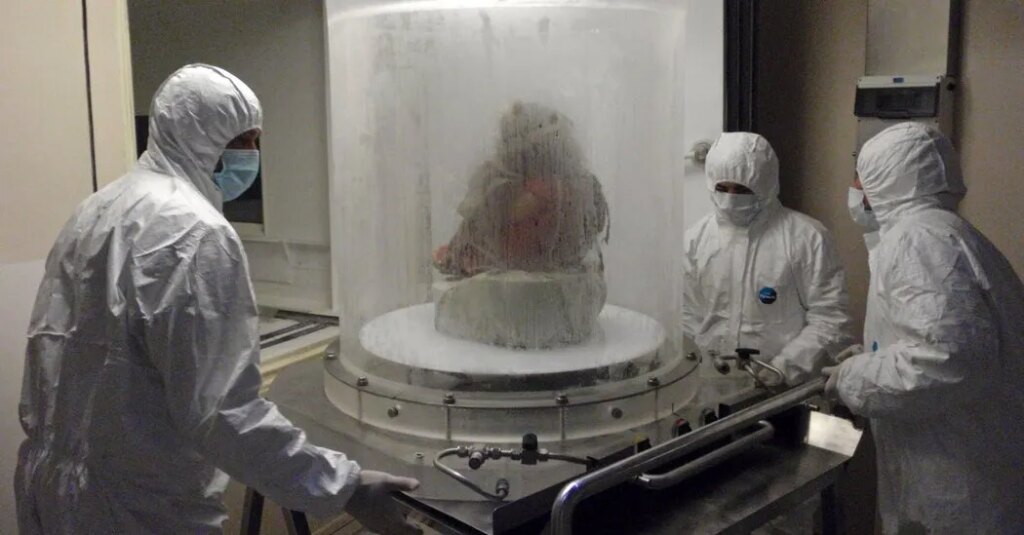
The toxicological evidence gathered as part of the study was made possible because the high elevation and low moisture of the Andes meant that the bodies of several Inca children were naturally mummified in stone tombs or open-air shrines. This allowed researchers to retrieve quality hair and nail samples from the bodies for testing.
“Hair can be thought of as a kind of biological archive,” said Marzena Sykutera, a forensic scientist at Nicolaus Copernicus University in Poland and an author of the study. “Substances a person takes can enter the bloodstream and become incorporated into growing hair, where traces may remain for a very long time.”
The bodies were retrieved from several mountains in present-day Peru, Argentina and Chile, all from boys and girls between ages 6 and 14. From each body, the scientists took a nail or a lock of hair about as thick as a pencil and washed the sample to remove environmental contaminants. Then they ground the sample into a fine powder and added solvents to isolate and extract the substances within it. Recent advances in toxicological detection mean that, through this method, researchers could detect the tiny traces of substances that would have gone unnoticed in the past, including harmine.
Researchers found evidence of cocaine use in samples from all eight of the bodies they tested, sometimes in amounts that suggested significant and repeated use in the weeks before sacrifice.
They also found evidence that two of the children used alcohol and cocaine simultaneously and that one ingested harmine, probably consumed as ayahuasca. The unique mixtures of drugs, some of which are grown far from the area where sacrifices took place, point to ritual practitioners’ having a keen understanding of substances available across the Inca Empire.
“Their exact knowledge of how to combine these substances is remarkable,” said Dagmar Bachraty, an archaeologist at Universidad Gabriela Mistral who was not involved in the study.
Researchers theorize that the drugs may have calmed the children and prevented altitude sickness on their journey up the mountain. They also suggest the drugs might have been part of the children’s spiritual preparation for the ritual, which was believed to make them sacred messengers of the gods.
The study team says its findings are an example of how advanced technology can contribute to our knowledge of the past. The researchers hope to test samples from more Inca mummies to get a better idea of which drugs were used in all sacrifices and which might have been regional or deity-specific.
Having more detailed information about which drugs were ingested and how frequently they were used in the weeks before sacrifice doesn’t just shed light on the Inca’s pre-sacrifice rituals. It also could shift historians’ understandings of how actively the children participated in these events, which were considered a great honor and were typically limited to the offspring of high-status families.
“It points to these children and young women participating in the ritual and not necessarily just being objects of a ritual,” said Christopher Heaney, a historian at Pennsylvania State University who was not involved in the new research. “It lets their story not be just the fact that they died.”
The post Inca Children Were Given Cocaine and Ayahuasca Before Being Sacrificed appeared first on New York Times.