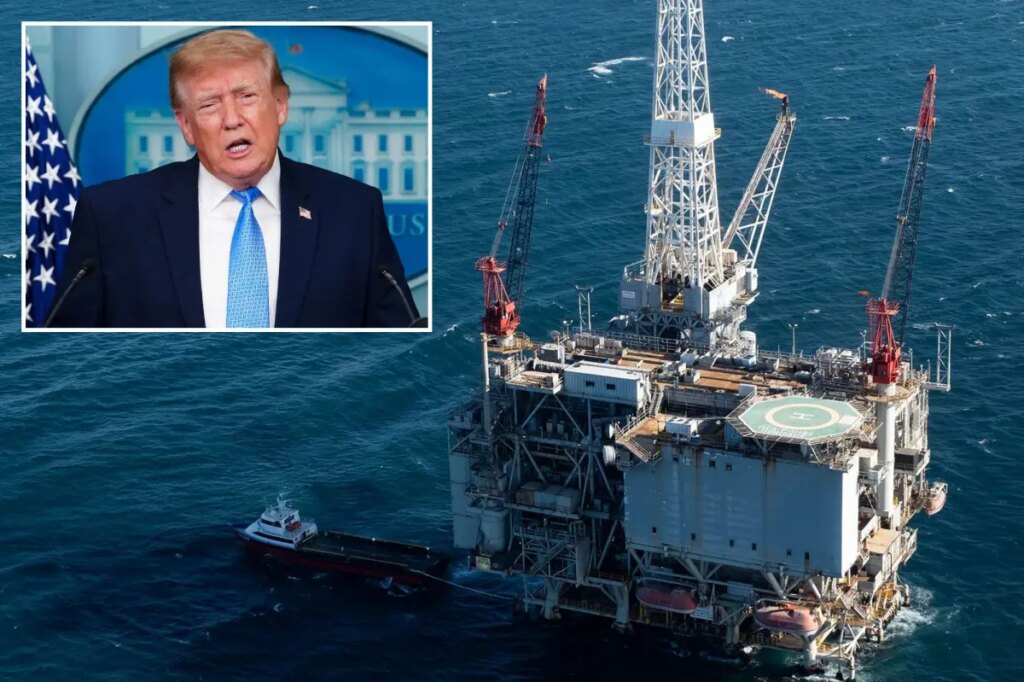
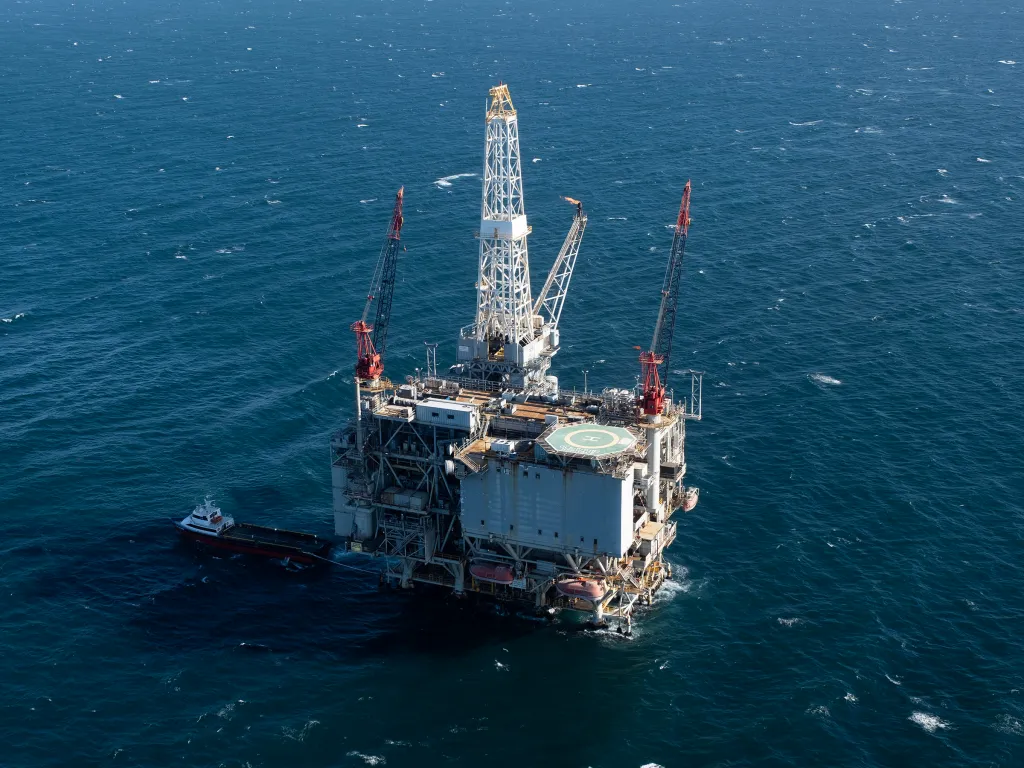
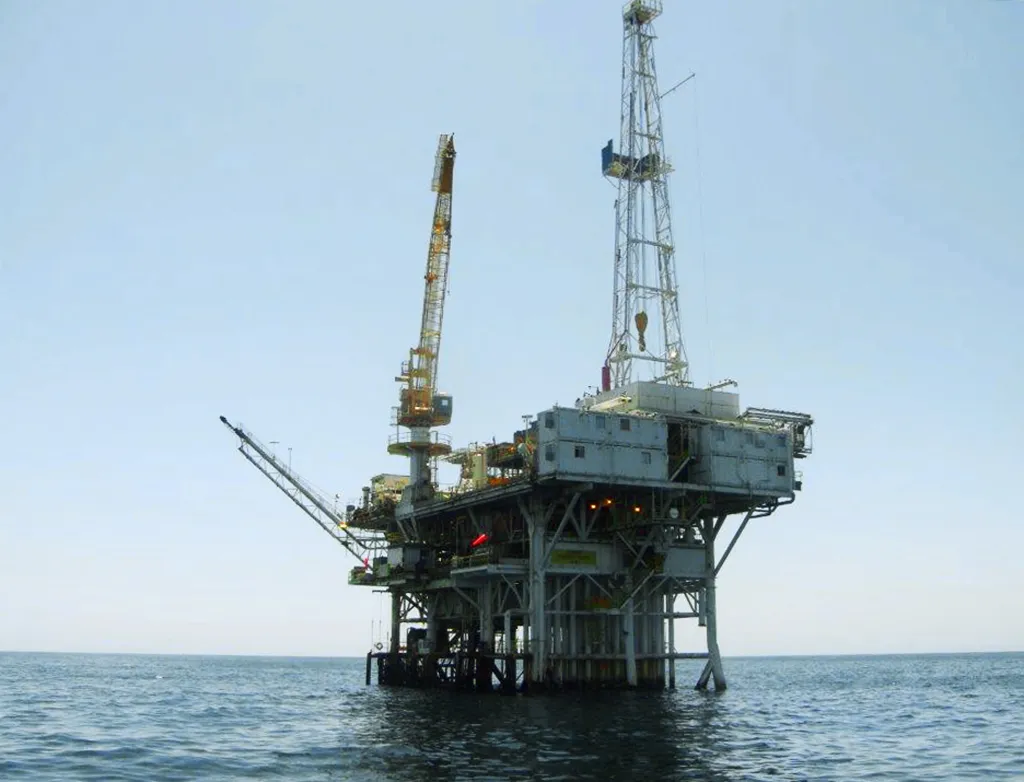
Oil companies operating off California’s coastcould soon be allowed to abandon offshore drilling structures on the ocean floor rather than spending hundreds of millions of dollars removing them.
The potential overhaul would mark a major departure from how California has handled aging platforms, all of which have been fully removed after being taken out of service.
The change stems from a little-noticed provision in a September executive order that primarily addressed recreational fishing.
President Trump used the directive to instruct the Department of the Interior to develop a federal program that would allow retired oil platforms to remain underwater and serve as artificial reefs.
But the administration is considering going even further.
A regulatory proposal scheduled for 2027 would establish a practice known as “toppling in place” as the standard approach to retiring offshore platforms.
Under that method, instead of dismantling the structures and hauling them away, crews would knock over all or most of a platform and leave it resting on the seabed.
Although the technique has been used in the Gulf of Mexico, it would be unprecedented in the Pacific waters off California.
The state currently has 23 oil platforms in federally controlled waters, including eight that are already in different phases of being retired. Another four are located in state waters.
The proposal could have enormous financial implications for the petroleum industry, which has benefited from several Trump administration policies aimed at expanding domestic oil production.
According to federal estimates, removing some of the largest offshore platforms entirely could cost more than $200 million each.
Opponents argue that allowing companies to leave the structures underwater would effectively spare them from paying substantial cleanup and removal expenses.
“Decommissioning via topple in place would be a huge windfall for oil companies in comparison to full removal, allowing them to avoid hundreds of millions of dollars in expenses as well as complex engineering and contracting problems,” Robert Collier, an oil industry consultant who brought attention to the proposal through his Substack publication, Offshore California, told the LA Times.
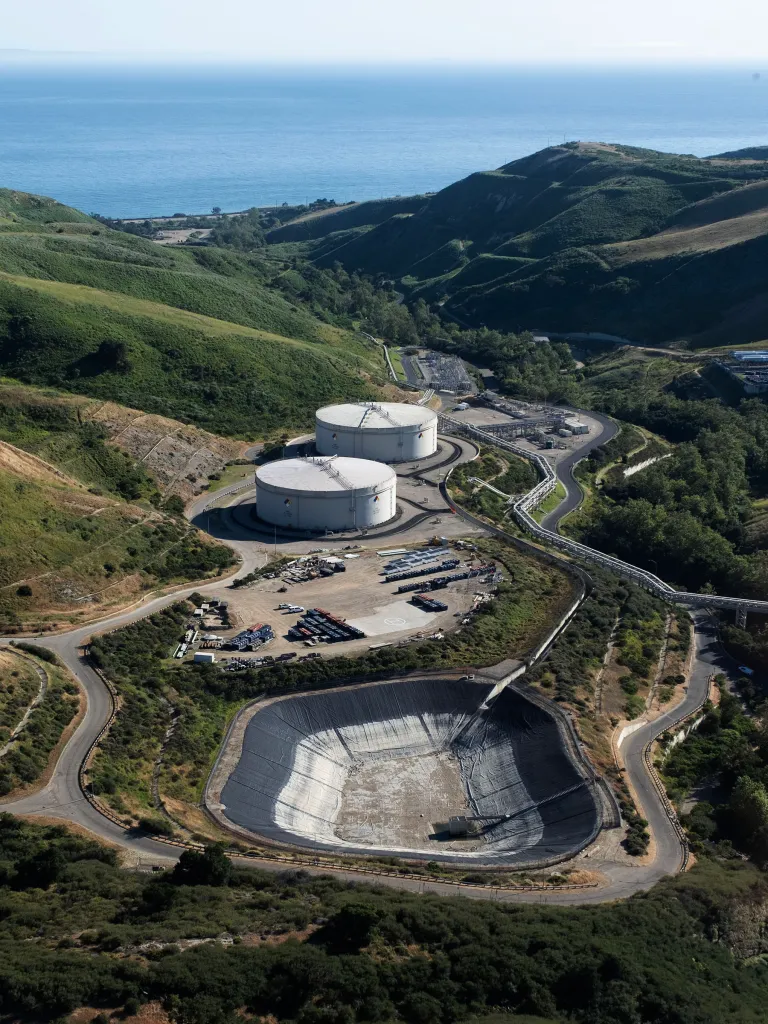
The proposal comes as the White House is also working to open portions of the Pacific Ocean to new offshore oil leases for the first time in more than four decades.
The administration is simultaneously pursuing additional leasing opportunities in Alaska and the Gulf of Mexico.
While critics see the proposal as another concession to oil producers, some marine researchers believe leaving certain structures underwater could help protect ocean wildlife.
Milton Love, a research biologist at UC Santa Barbara, explained to the LA Times that offshore drilling platforms often develop into thriving underwater habitats for marine organisms over the decades they remain in operation.
“They happen to be living next to a piece of steel, and you’re going to kill them for that? I just don’t think that’s right,” Love said.
The change also comes as one company operating off the Santa Barbara coast faces a financial crisis, raising further questions about the future of offshore oil production in California.
Houston-based Sable Offshore Corp., which restarted pumping oil from its Santa Barbara platforms in March, saw its stock plunge to an all-time low on Nov. 9 after warning investors that it could soon run out of money.
Shares tumbled as much as 60.5% to 76 cents before recovering slightly, Reuters reported.
In a filing with the Securities and Exchange Commission, Sable acknowledged “substantial doubt” about its ability to remain in business after its primary customer, Chevron, stopped purchasing its crude oil in early October because of refinery storage tank maintenance.
The interruption forced the company to scale back production to prevent its own storage facilities from overflowing, leaving it without sufficient revenue to meet its upcoming financial obligations.
Sable has since begun selling oil to three additional Los Angeles-area refineries and is exploring other ways to raise cash, including selling stockpiled crude and securing additional financing.
Its operations have also become the center of a bitter legal battle between California and the Trump administration.
In March, U.S. Energy Secretary Chris Wright invoked the Defense Production Act to prioritize transporting oil from Sable’s offshore operations, citing national defense interests.
California sued to overturn the directive, with environmental groups and 20 other states subsequently supporting the legal challenge.
Opponents have raised particular concerns about the company’s use of a pipeline that ruptured in 2015 because of severe corrosion, triggering a major oil spill near Refugio State Beach.
“We’re facing an unprecedented situation where the federal government is brazenly undermining laws, court orders, and even state property rights for the benefit of one oil company,” Maggie Hall, deputy chief counsel at the Environmental Defense Center, said in an Oct. 22 statement.
The post Donald Trump’s executive order could let California’s offshore oil firms abandon drills on seabed appeared first on New York Post.