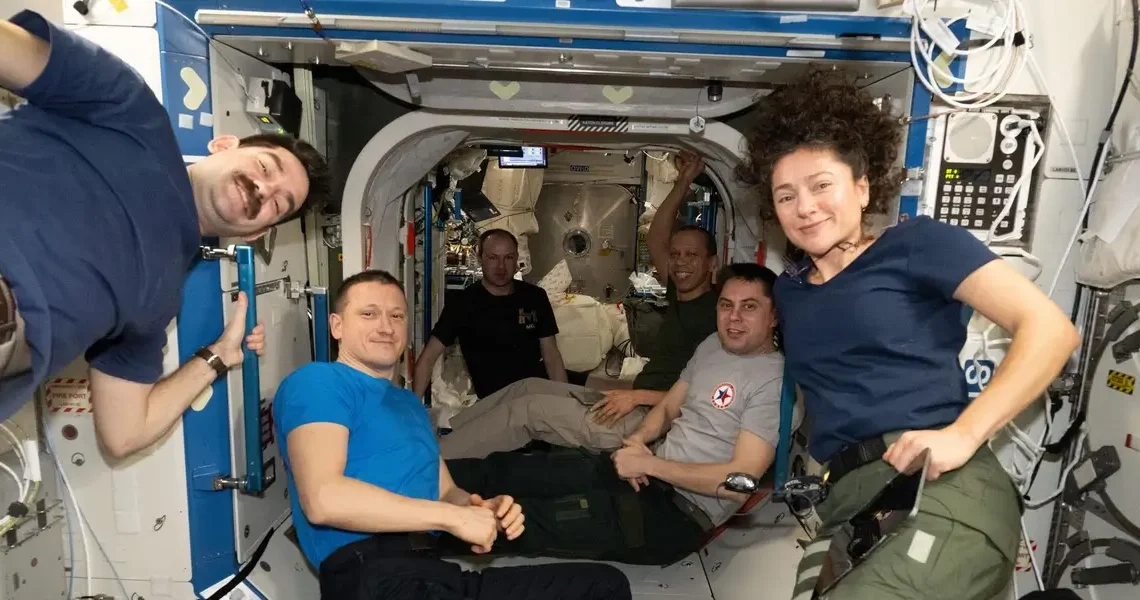
Ask any astronaut who has spent extended periods in the International Space Station what the most challenging part was, and they will probably say missing friends and family.
While it’s a unique experience, life in space comes with other little challenges, too — try getting your hair to stay flat without gravity or wearing the same outfit for days on end.
NASA and other space agencies are trying to learn all they can about how humans cope with difficulties, big and small, while traveling at 17,500 miles an hour around the Earth.
They work hard to bring some of the comforts of home to space.
Films, TV shows, and books have attempted to shed light on humans’ experience of going to space, from Samantha Harvey’s “Orbital” to Taylor Jenkins Reid‘s “Atmosphere,” and the Ryan Gosling-led “Project Hail Mary,” signaling our obsession with imagining life off Earth.
However, real photos taken aboard the International Space Station show what it really looks like to spend months in space.
Since 1998, the International Space Station has had nearly 300 visitors.
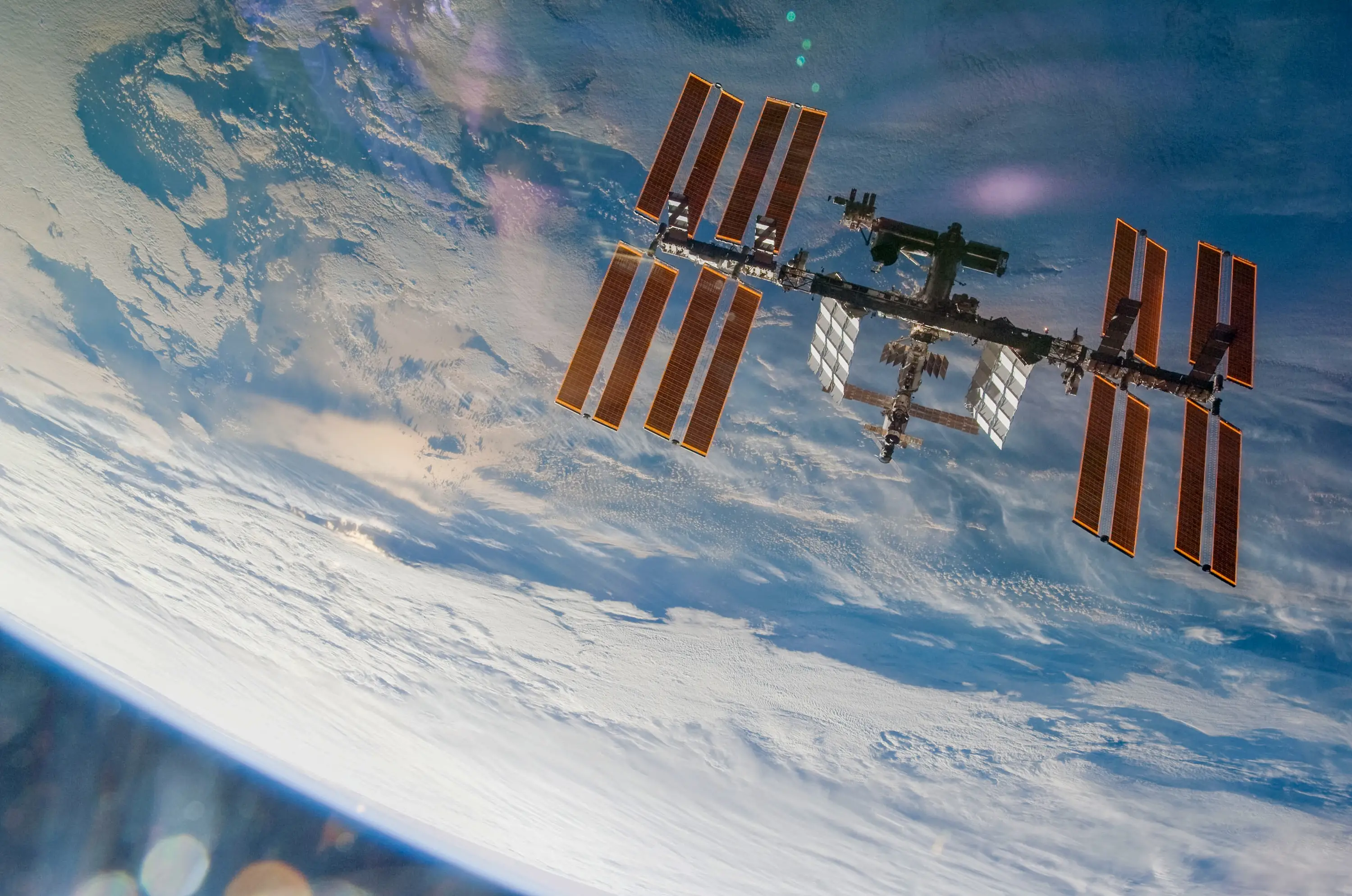
Astronauts and cosmonauts from 26 countries have been on board, according to NASA. It’s a floating lab where researchers conduct experiments related to space travel. Astronauts typically stay for six months to a year.
Almost everything they do revolves around discovering more about life in space, and they keep meticulous track of how their bodies respond to the weightless environment. Some of what they’ve learned has led to developments in drugs and medical technology that benefit humans on Earth, too.
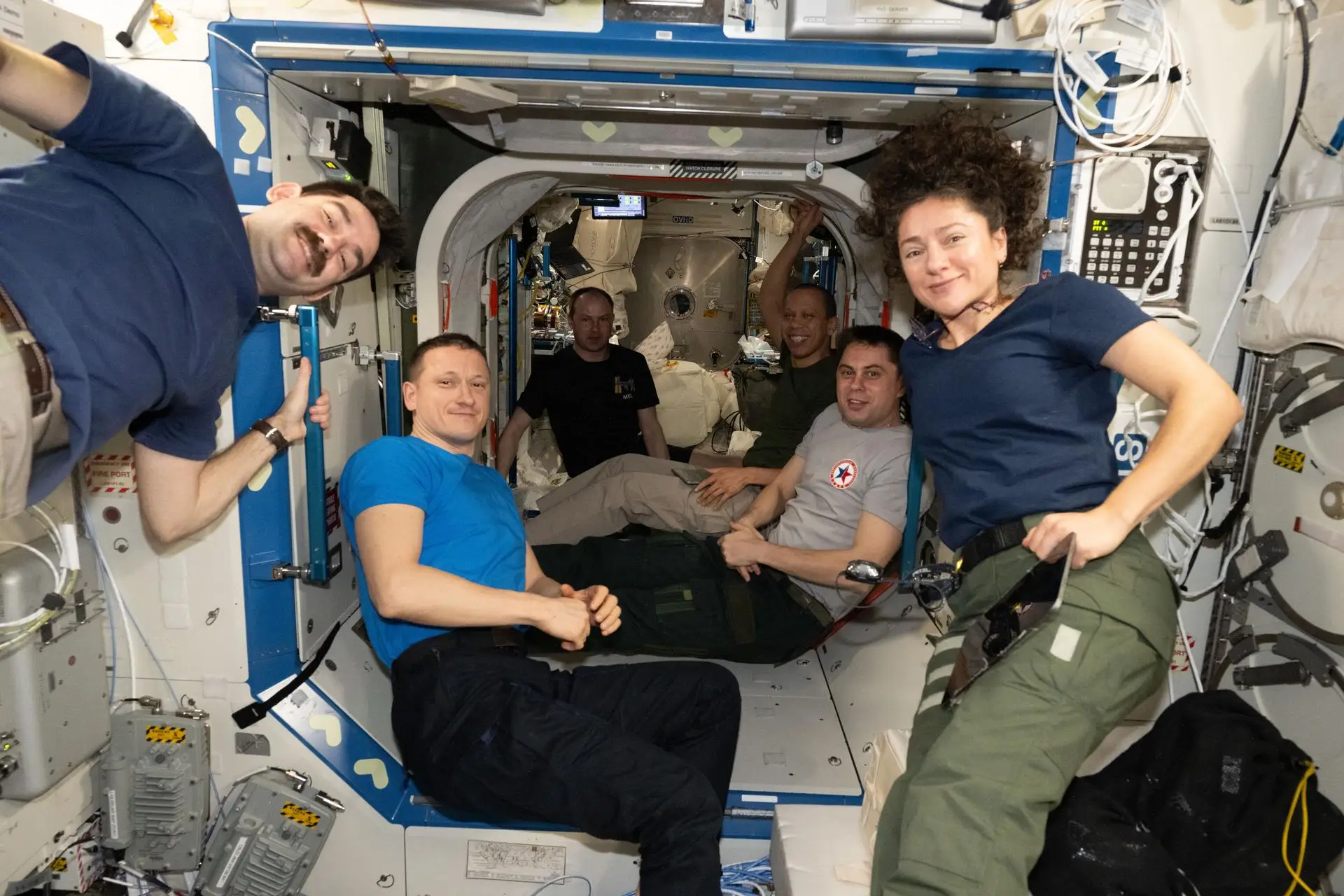
There’s not a lot of room on the ISS.
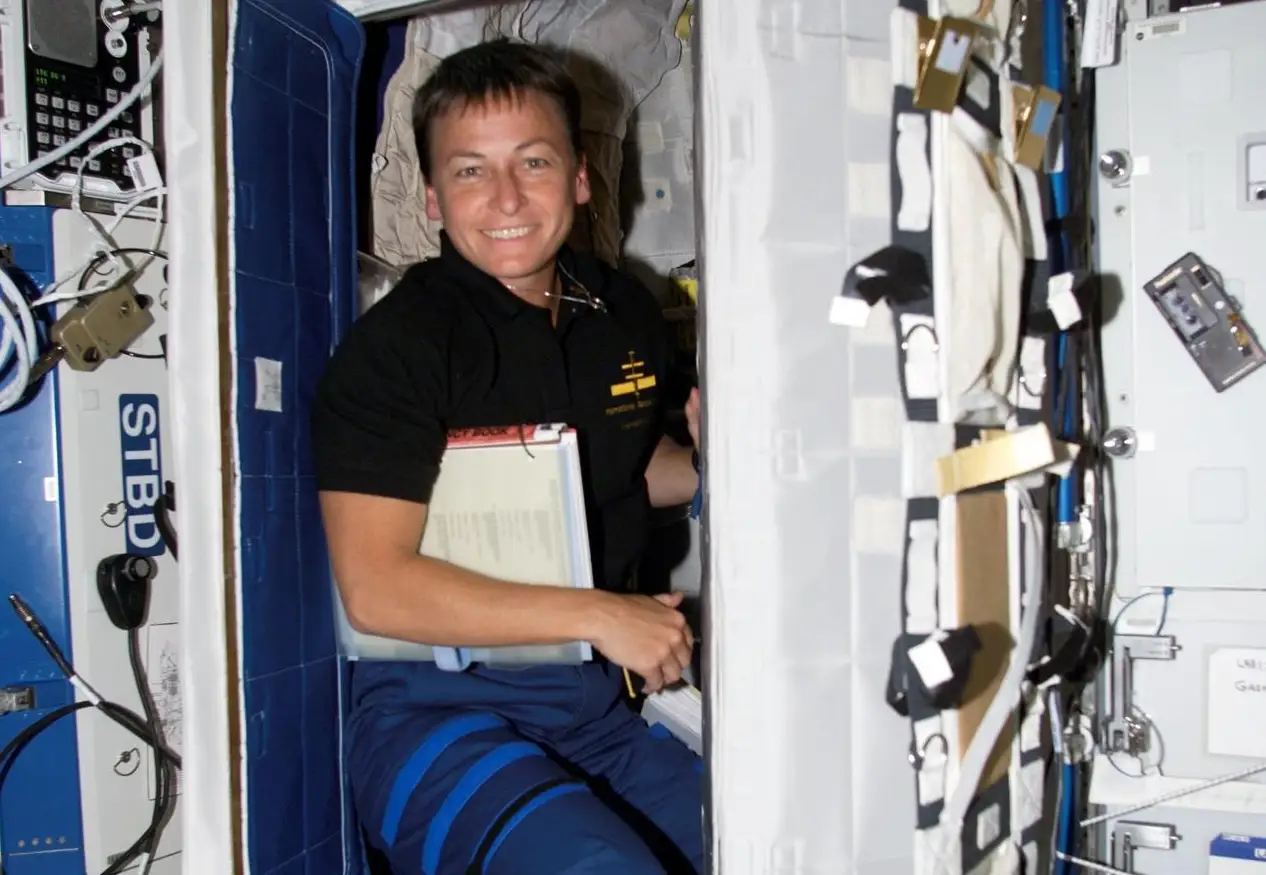
It’s more like a not-a-lot-of-space station. It’s a six-bedroom house packed into an area that’s shorter than a football field, according to NASA. Five agencies share the station, which has six sleeping quarters, a gym, and two bathrooms.
Astronaut Frank Rubio described it as a building made of hallways, with no large space like a living room to gather.
“You almost have to block the fact that it is so small,” he told “Houston: We Have a Podcast” in 2024.
The food isn’t all freeze-dried.
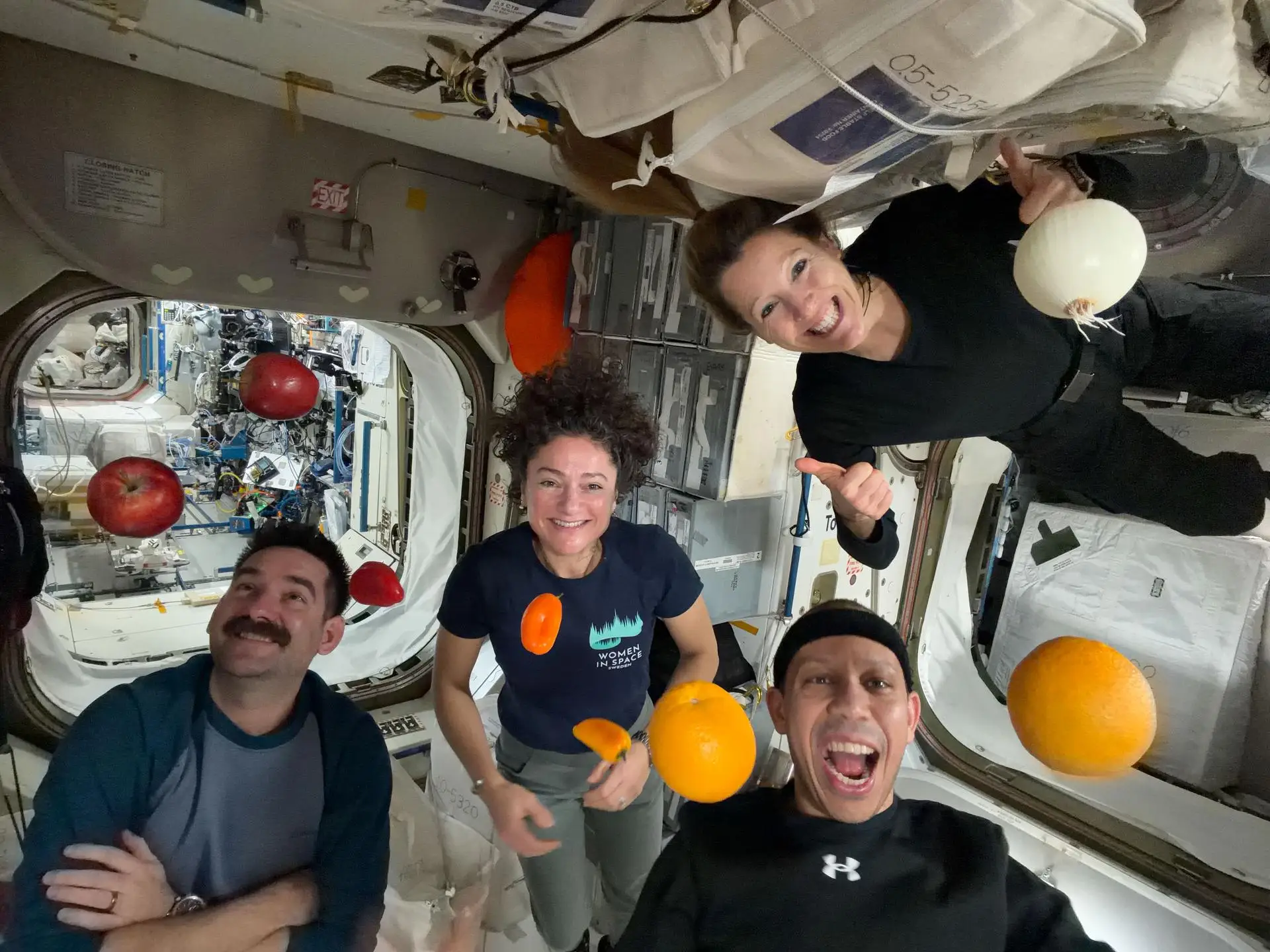
Space food needs to meet a few requirements. It can’t crumble to bits and clog machinery; it has to stay fresh for months, and it should taste good.
Several newer methods for preserving food for long-distance travel have given astronauts more meal options, and ISS astronauts can make everything from spicy shrimp to chocolate pudding cake.
“A lot of it was really tasty,” retired astronaut Leland Melvin told Business Insider in 2023.
Lots of astronauts like spicier options because the lack of gravity causes fluid to float into their sinuses, leaving them stuffed up and affecting how food tastes.
Astronauts and cosmonauts will often bring snacks that remind them of home. For example, one of Rubio’s crewmates brought items for a charcuterie board.
Daily exercise helps prevent bone loss.
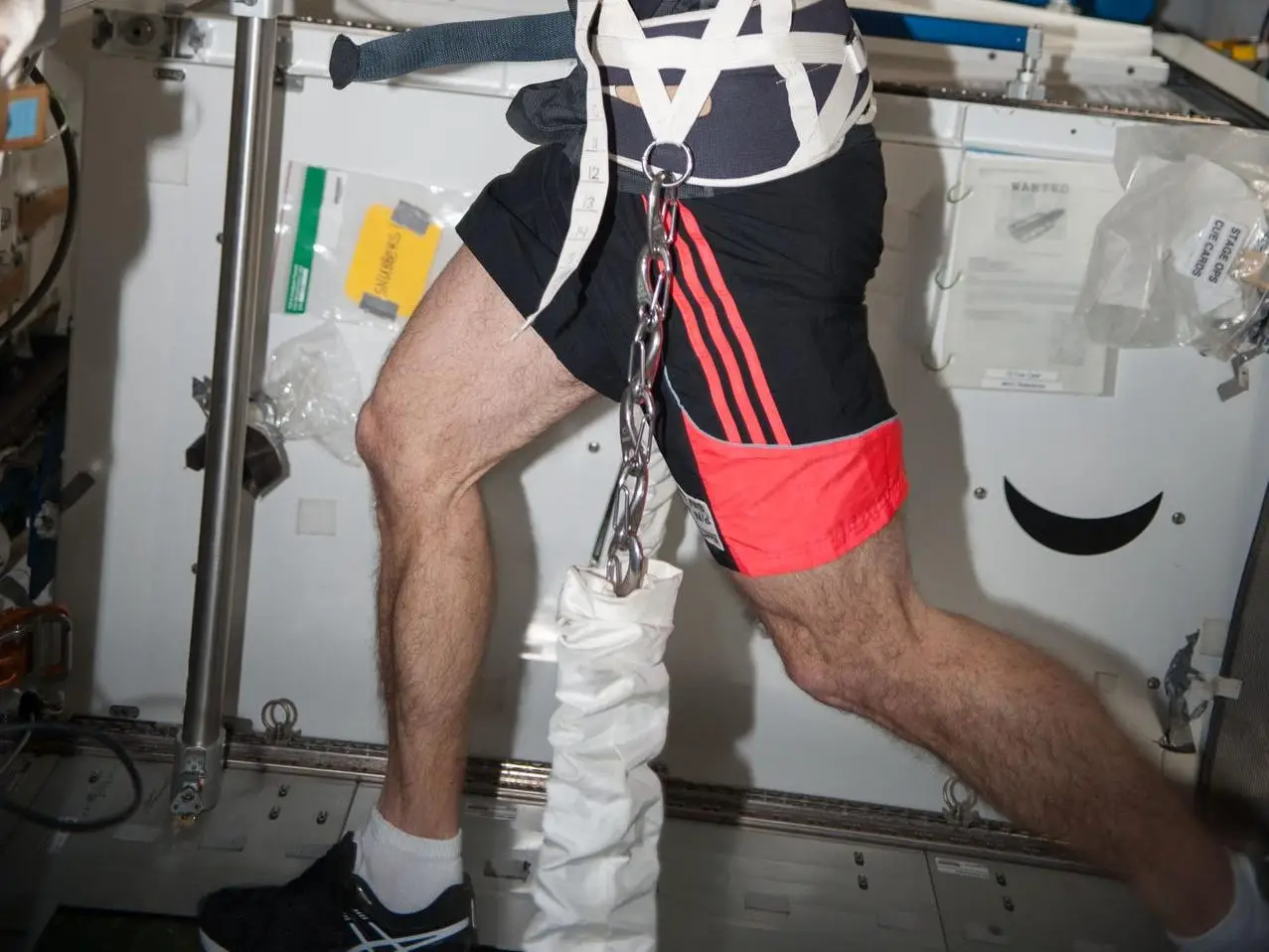
Early in space travel, doctors realized that astronauts were losing bone density after spending long periods in a weightless environment. Now, ISS residents do a couple of hours of exercise every day to help prevent that.
It’s a mix of cardio and load-bearing workouts, Rubio said. They do so many squats that “every day is leg day in space,” he added.
There’s a special lifting machine.
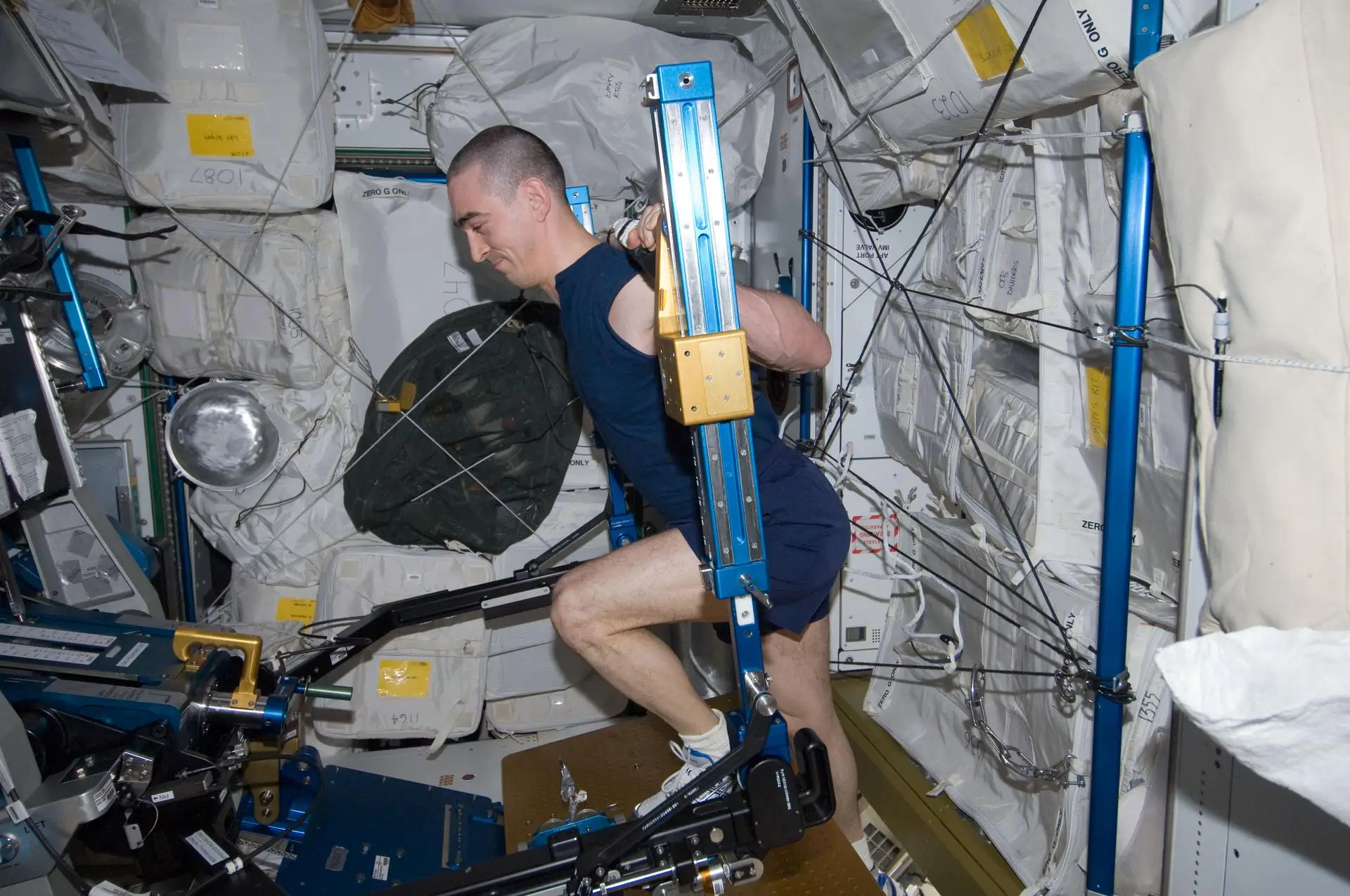
The advanced Resistive Exercise Device (ARED) enables astronauts to perform exercises such as bench presses and squats. Using vacuum cylinders, it can simulate weightlifting up to 270 kg.
And a cycling machine.
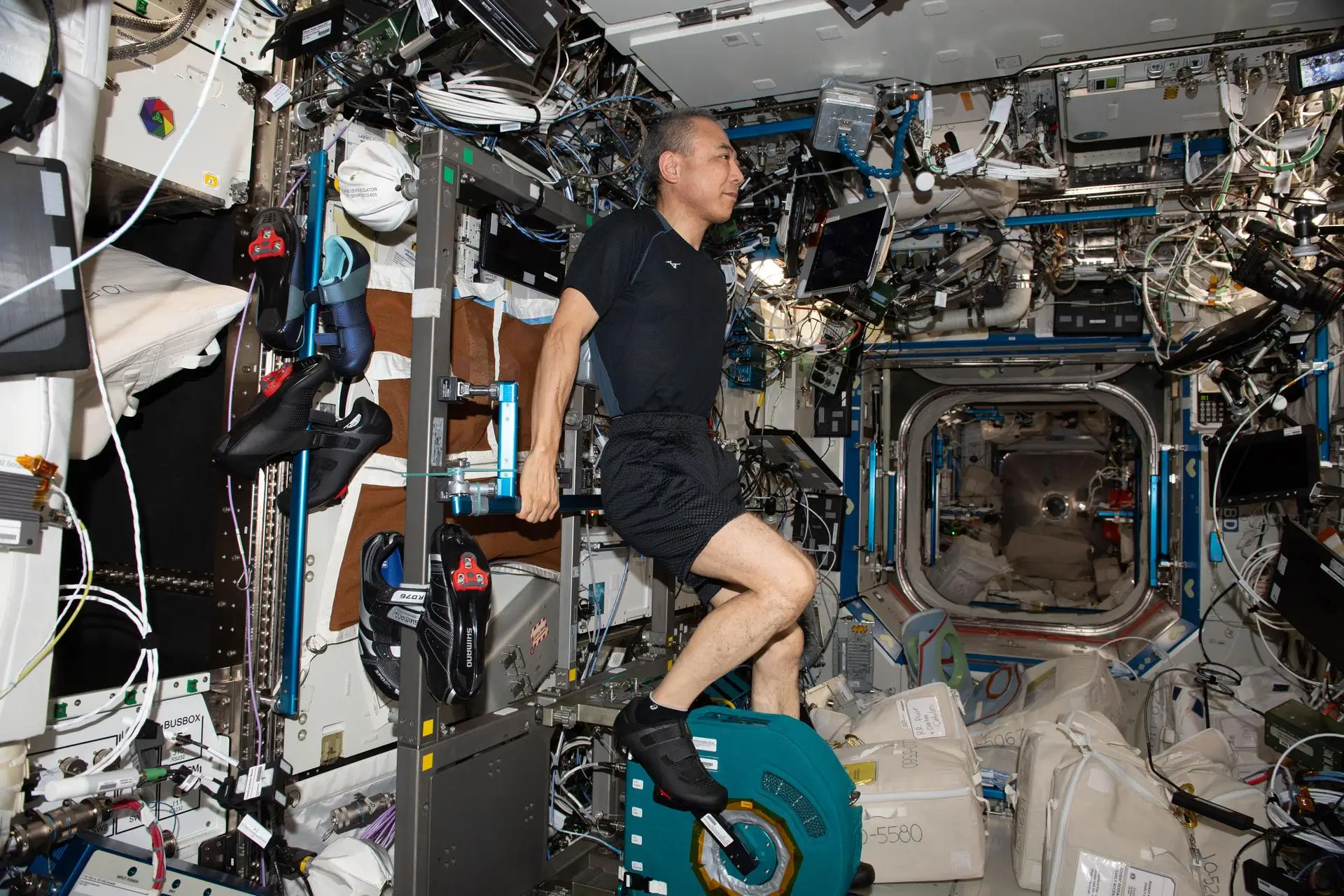
The Cycle Ergometer with Vibration Isolation and Stabilization System (CEVIS) enables astronauts to cycle.
In fact, NASA astronaut Jessica Meir recently joined a Peloton class live using satellite for a special 20-minute “Space Ride.”
There’s a technique for brushing your teeth without running water.
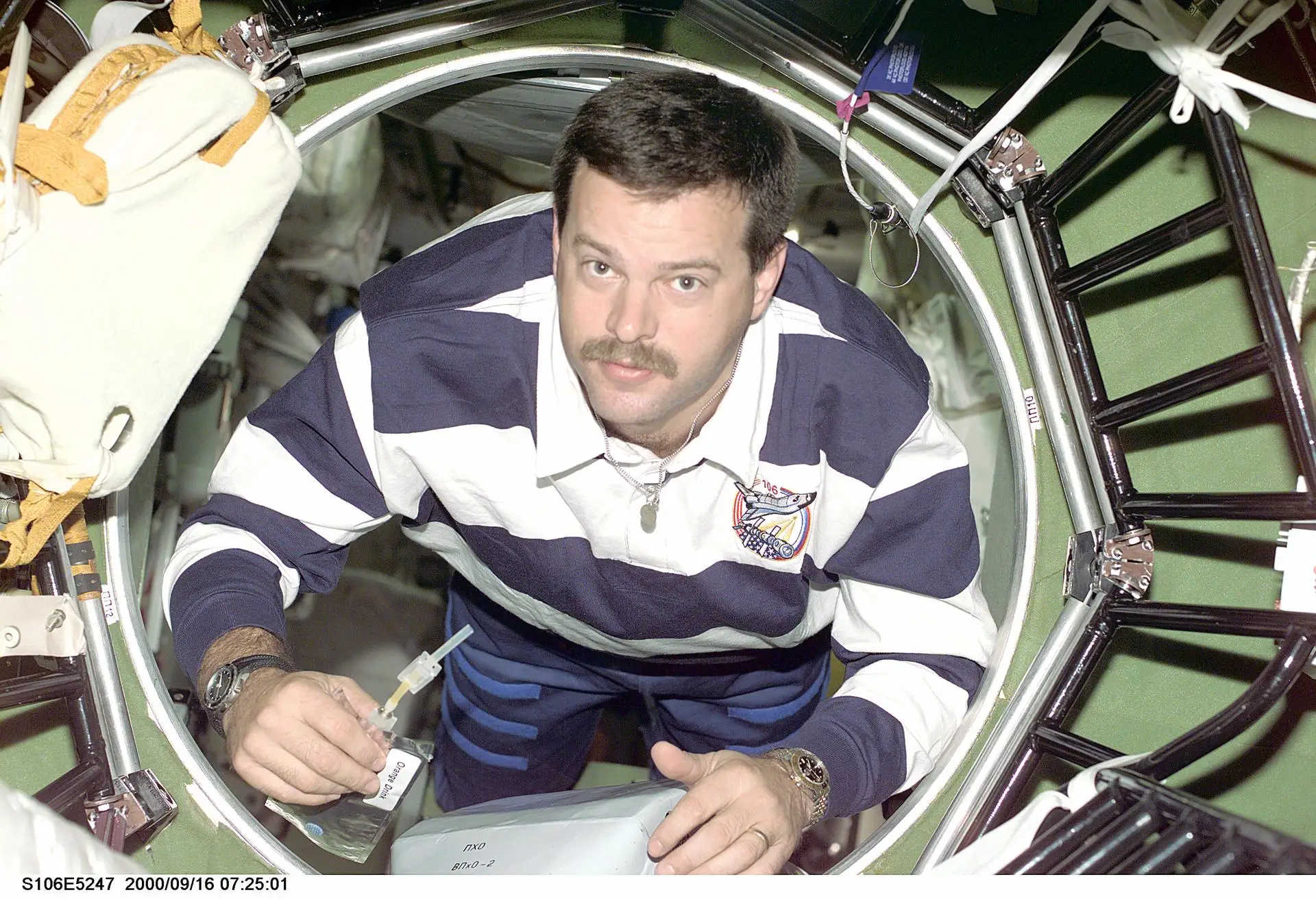
In 2013, retired astronaut Chris Hadfield demonstrated how he brushed his teeth in space on the Canadian Space Agency’s YouTube channel.
First, he used a resealable water container to wet the toothbrush. Then he slurped the water off the brush and applied regular toothpaste. When he was done, he swallowed the toothpaste and filled his mouth with water to clean the toothbrush.
Showers are actually sponge baths with washcloths, per NASA. Astronauts use shampoo that they don’t have to rinse out. Suction takes care of extra water, which then goes to a waste tank.
The toilets on the ISS rely on airflow.
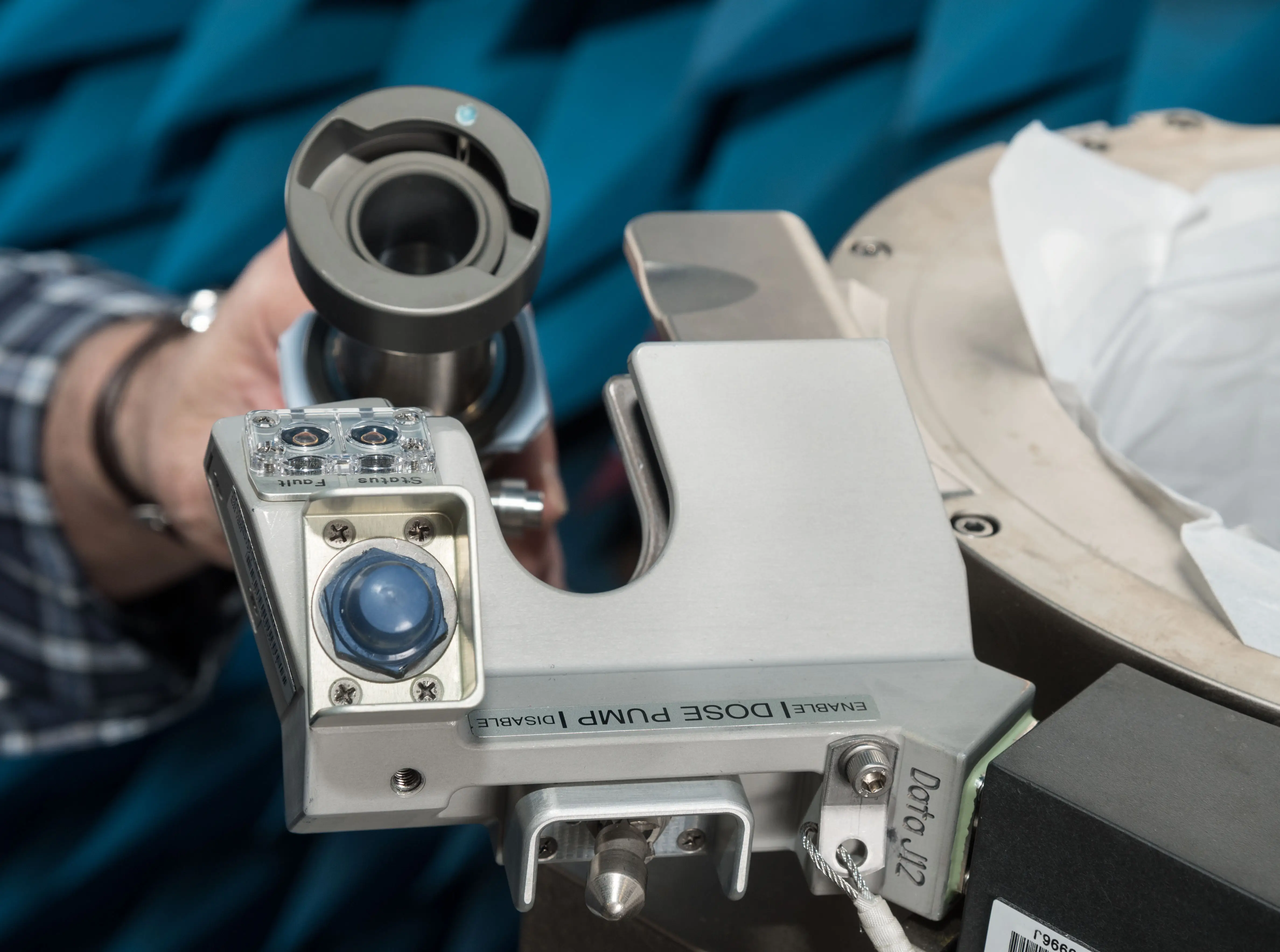
Hoses, funnels, and suction are all crucial components when it’s time to go in space. In 2020, NASA redesigned its toilets for more comfort and durability.
Astronauts dispose of toilet paper in watertight bags, and the solid waste is burned up on reentry into Earth’s atmosphere. Urine is another story.
Most of the water on board is reused.
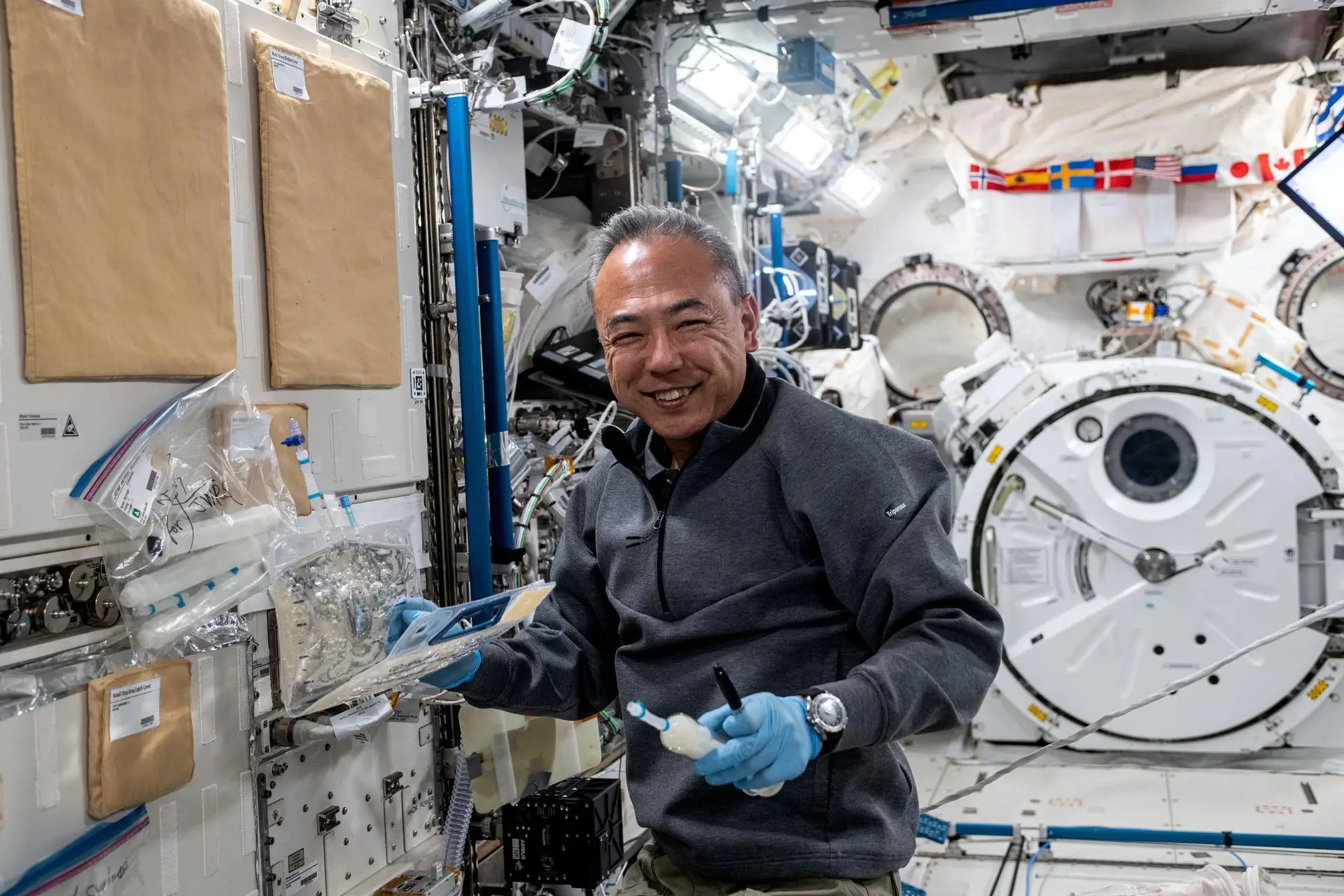
Water is a precious and heavy commodity. Humans generate a lot of it, including through sweat, urine, and the droplets in their breath. Most of it doesn’t go to waste on the ISS.
“We have hardware on station that helps take that output and turn it back into clean, drinkable water,” NASA aerospace engineer Brendan Lutes told “Houston: We Have a Podcast” in 2024.
In 2023, NASA said it attained its goal of recycling 98% of the water astronauts bring along the journey.
There’s no laundromat on the ISS.
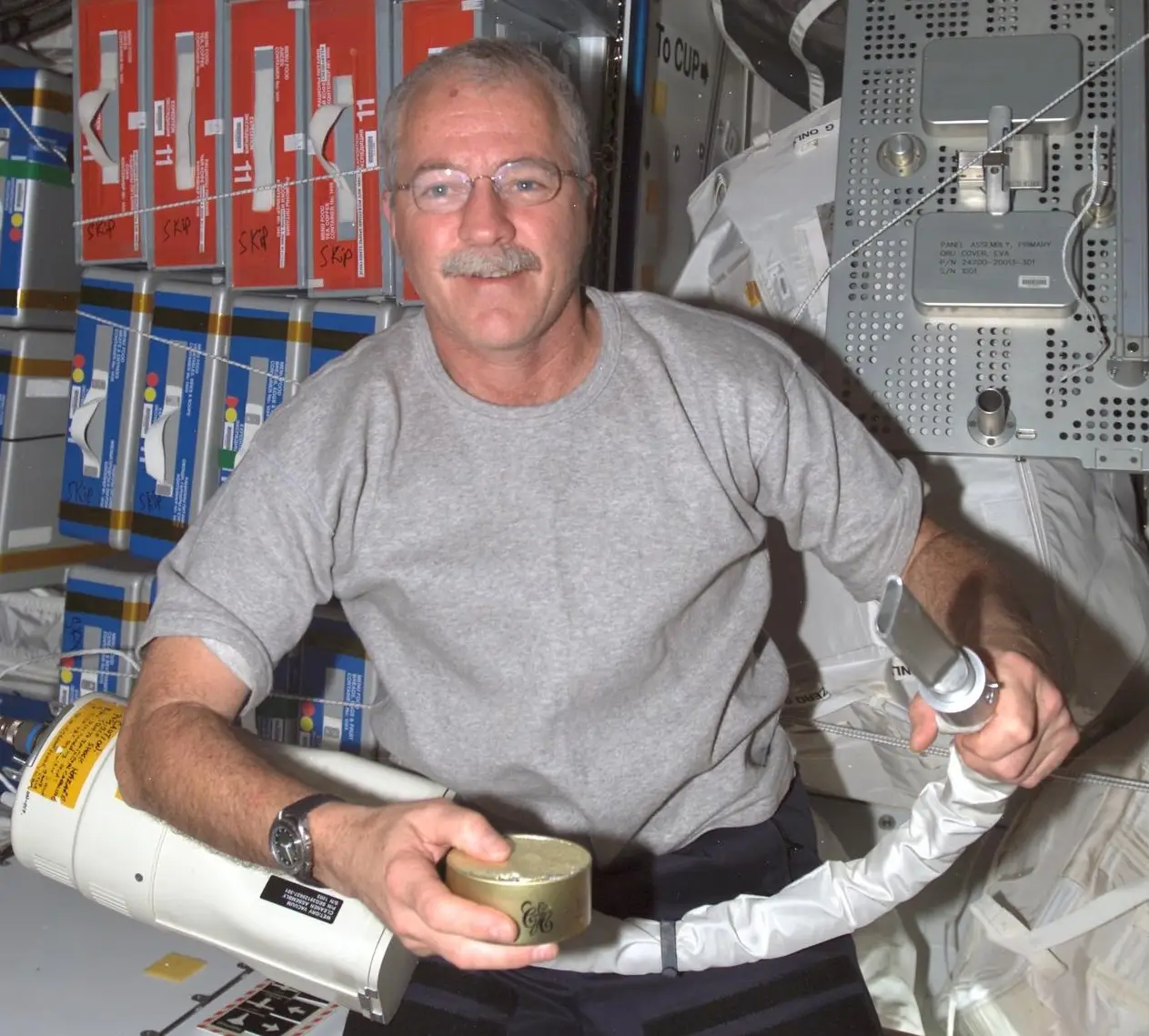
Astronauts only get to bring a small amount of clothes with them, and they have to make them last. They might wear the same outfit for a week, according to NASA. Washing clothes would be too water-intensive, so their well-worn garments get burned up like other waste.
That doesn’t mean there are no chores on the ISS. Astronauts have to use vacuums — like the one pictured above — to make sure there are no crumbs or debris floating around that could damage instruments.
The astronauts are on the ISS to work.
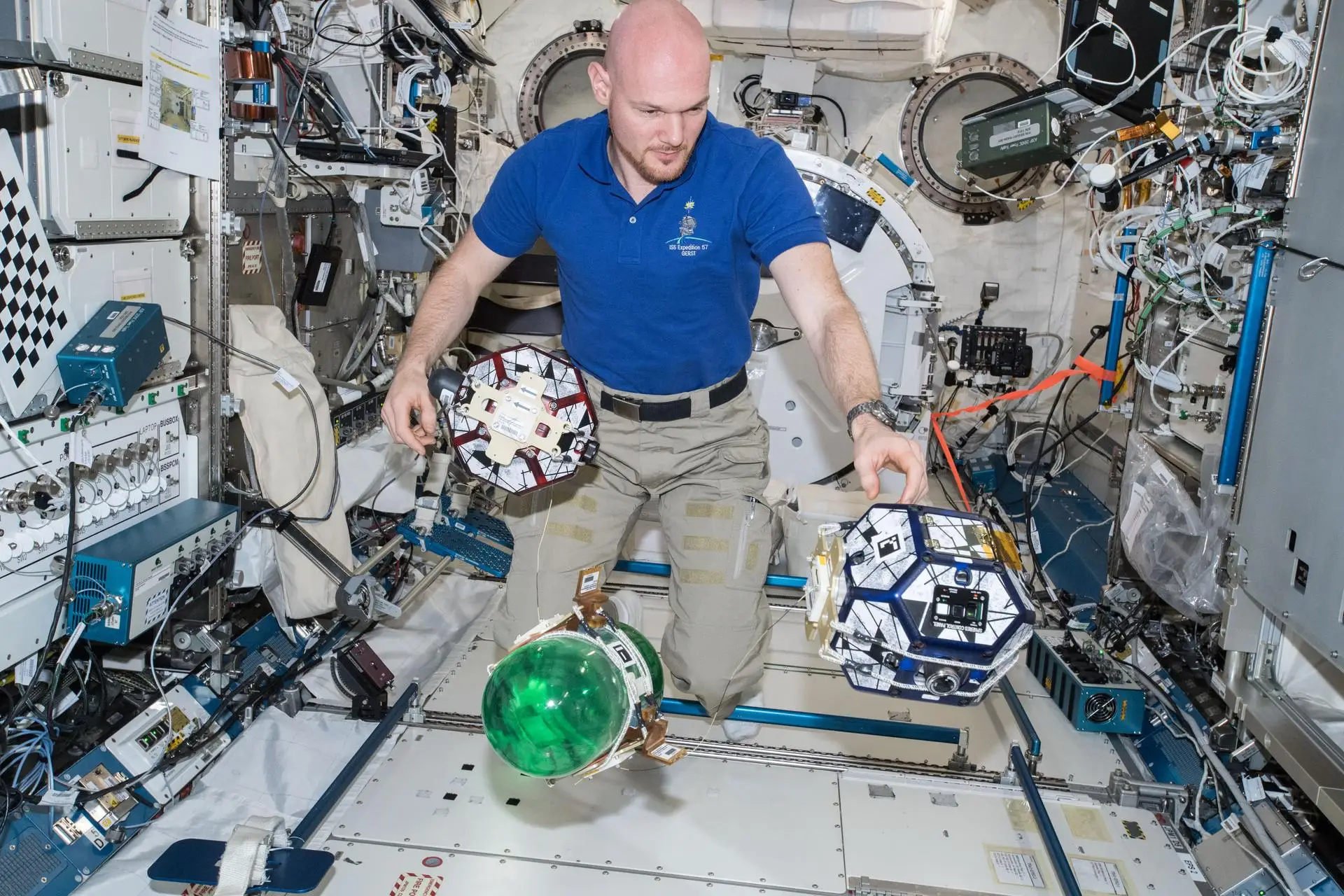
A typical workday on the space station lasts around 12 hours, with breaks for lunch and exercise, according to Rubio. During that time, astronauts and cosmonauts conduct experiments and monitor their own health. They’re often involved in ongoing medical experiments.
The ISS also needs a lot of maintenance. In recent years, the modules have started to show cracks and leak air. A toilet breakdown and temperature fluctuations are among the other problems the station has faced.
This year, NASA briefly sheltered five astronauts in a docked SpaceX Dragon spacecraft due to persistent leaks in a Russian module on the ISS, but later returned to normal operations.
Days fall into a routine.
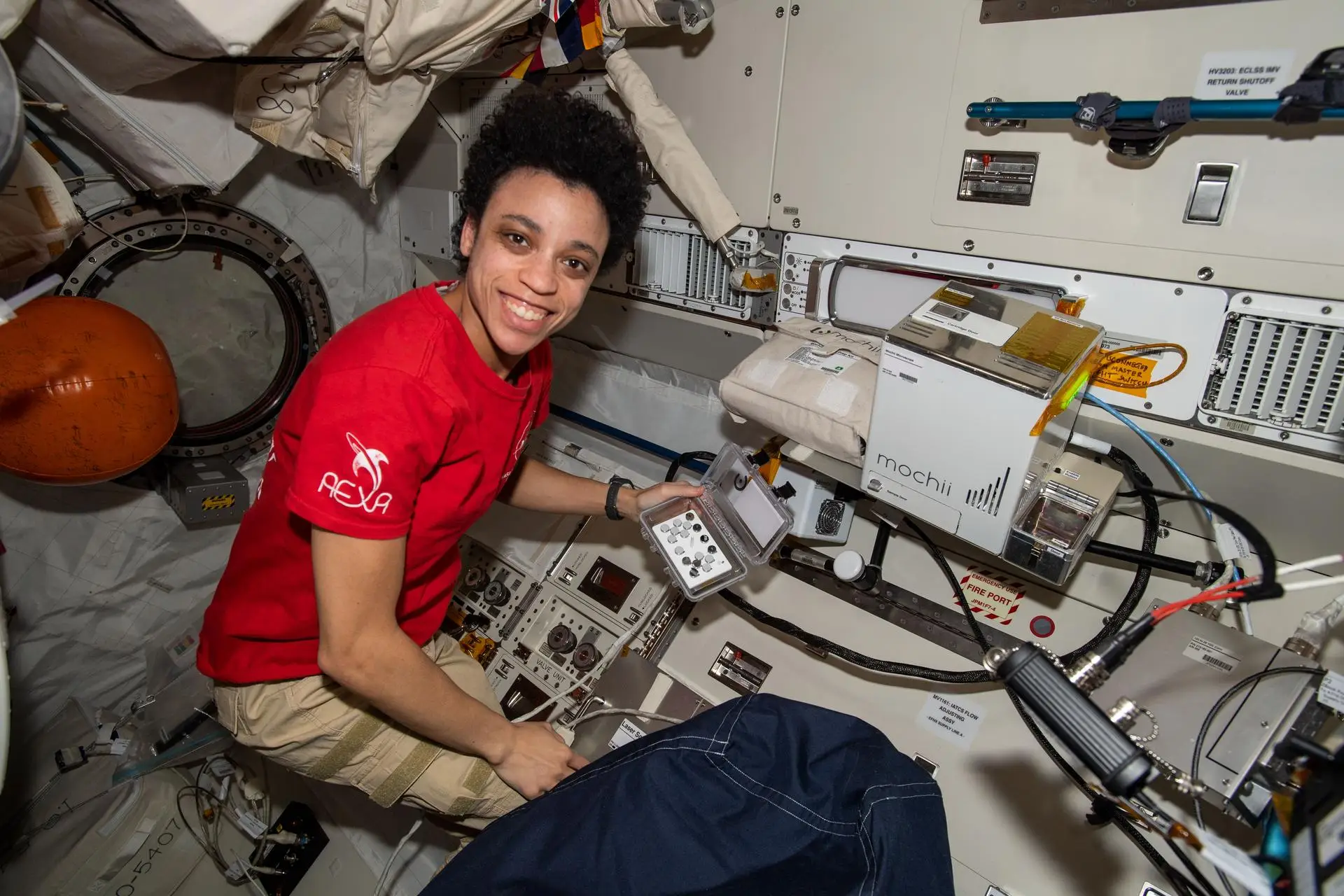
Astronaut Rubio spent over a year on the ISS and said that “every day is different, and yet every day is the same.” He woke up around 6:30 a.m., ate breakfast, and got ready for work, which started around an hour later.
He would take half an hour for lunch and get in his two-hour workout. The workday would end around 7 p.m., he said. The work he would do each day — experiments, maintenance, spacewalks — would vary.
Email, phone calls, and video chats help astronauts stay connected to their families.
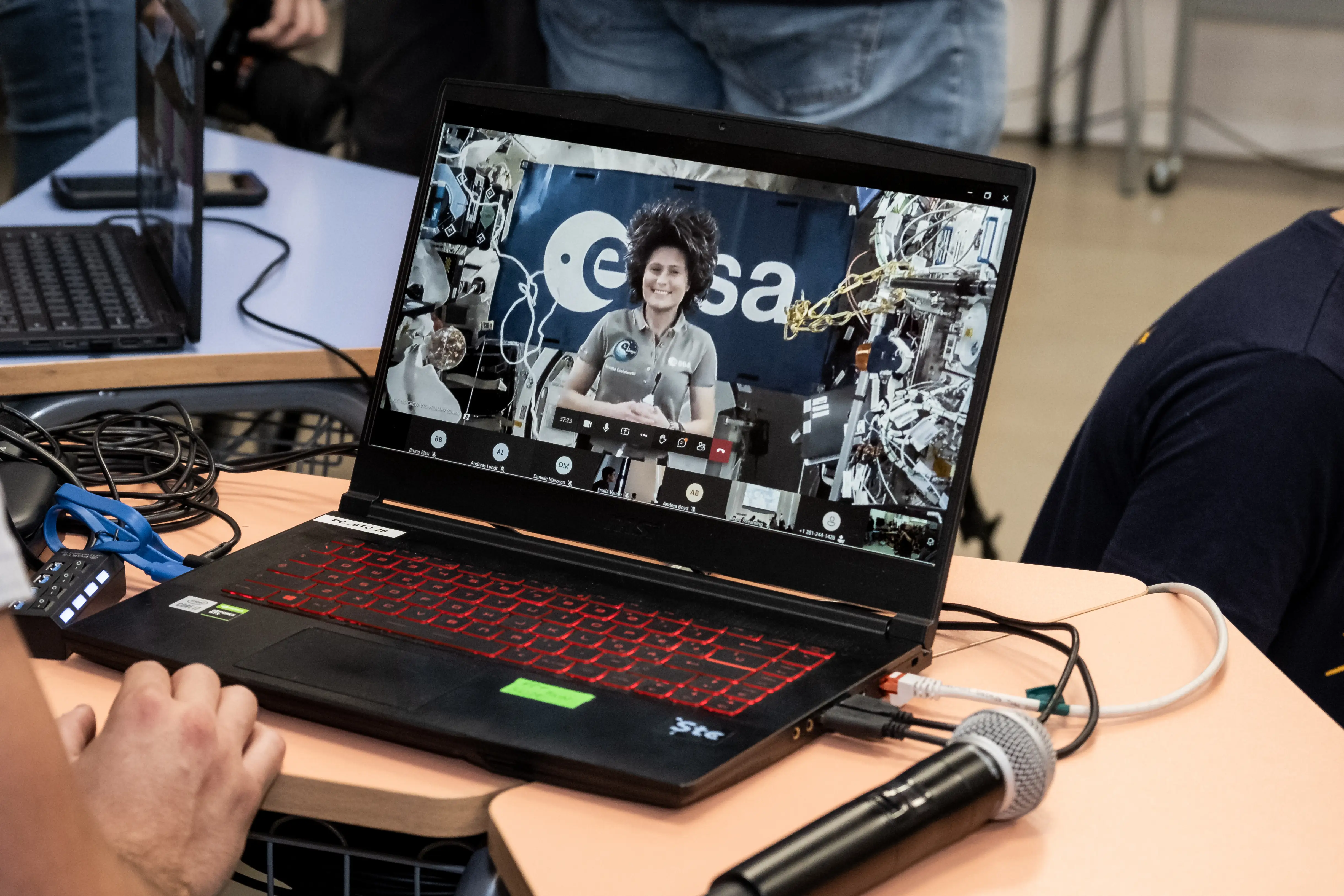
When astronauts and cosmonauts are stationed at ISS for months at a time, they often miss events like birthdays, anniversaries, and graduations. Email is a reliable way to stay in touch.
“On Saturdays, we have meet-with-the-family time,” astronaut Tracy Caldwell Dyson said in a 2013 NASA video. During these weekly video chats, they can catch up on everything that’s been happening at home.
Holidays aren’t the same as at home.
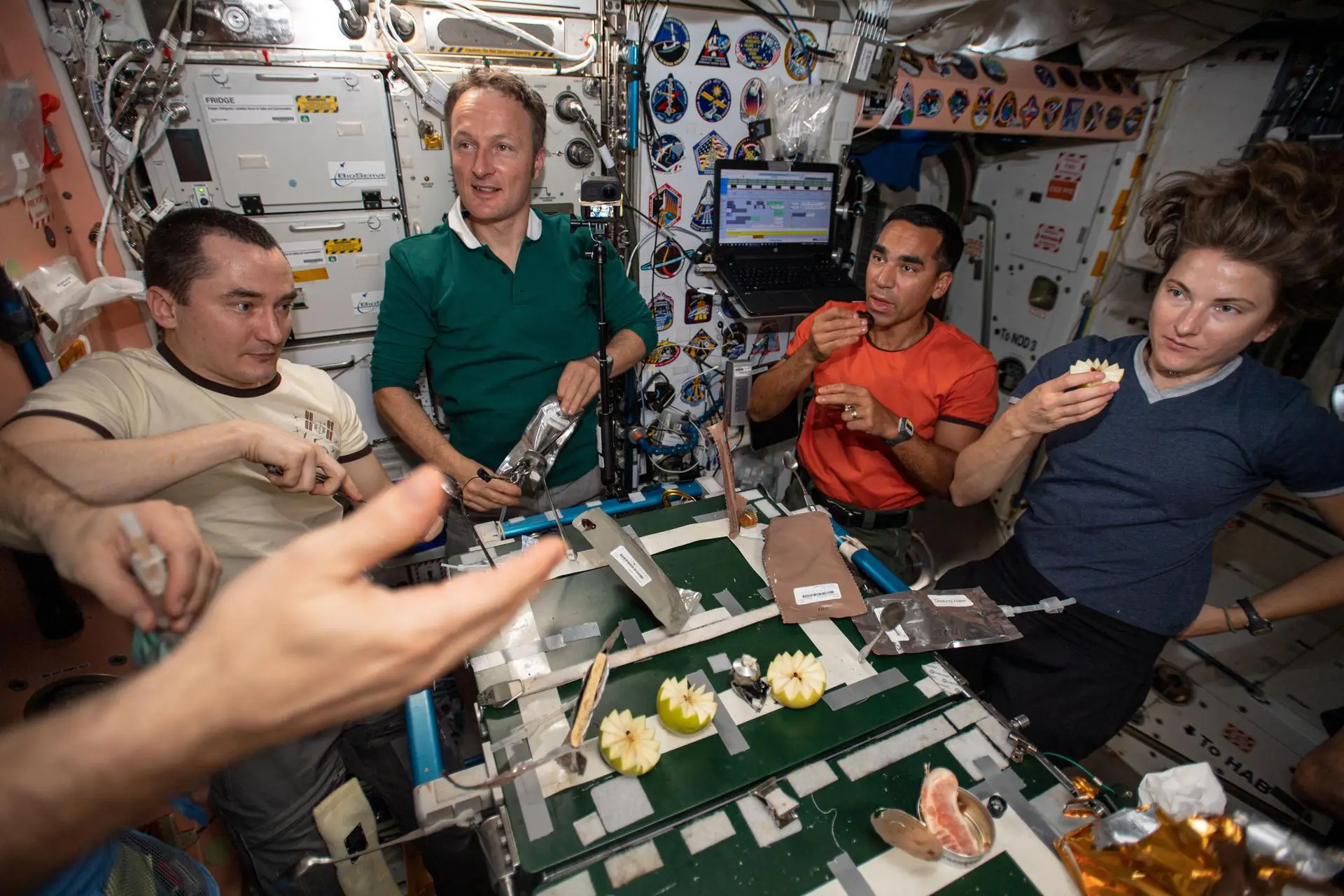
On Christmas Day 2024, Suni Williams and Butch Wilmore — the two astronauts who were unexpectedly stranded on the space station — wore Santa hats, decorated cookies, and contacted their families, The New York Times reported.
Holidays in space can be tough even for astronauts who expect to spend an entire year away from home. “Thanksgiving, where you’re used to having it with loved ones, those kind of tend to hit home a little harder,” Rubio said during the podcast.
There are also no Champagne toasts, since NASA doesn’t allow its astronauts to drink alcohol on the job.
There’s entertainment to keep astronauts from getting bored.
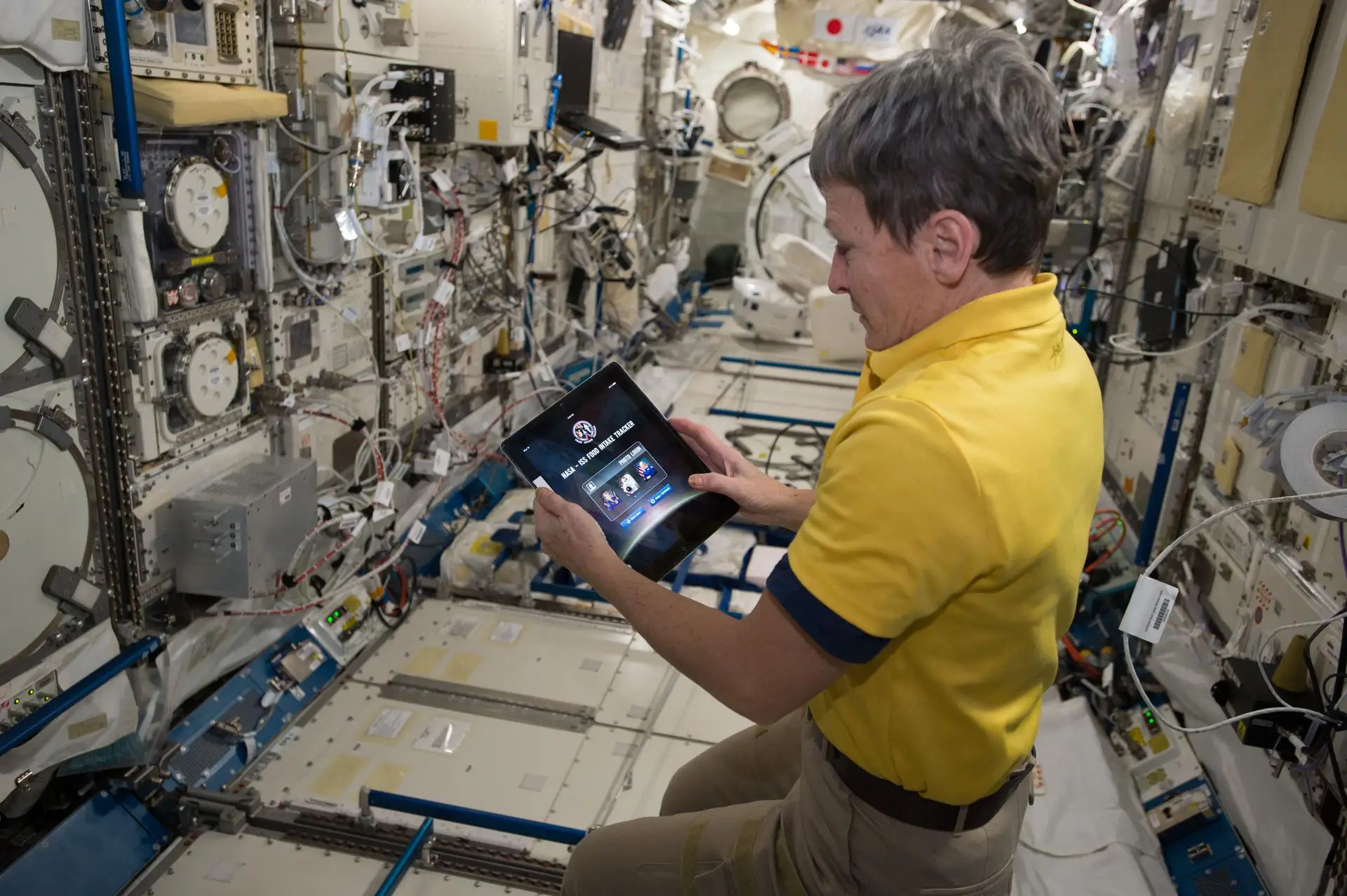
Homesickness isn’t just about missing family members. Astronauts often long for many comforts Earthlings take for granted.
Karen Adkins is a NASA psychological support coordinator who works on morale and well-being for people heading to ISS for lengthy missions. She and other team members start meeting with astronauts two years before their mission, and “we start developing what we call their in-flight support resource plan,” she told “Houston: We Have a Podcast” in 2024.
It includes everything from figuring out how they’ll contact their family to deciding what special items they might want to bring on board. They also set up a crew personal webpage, stocked with TV shows, movies, podcasts, music, and other entertainment.
Several astronauts have voted from space.
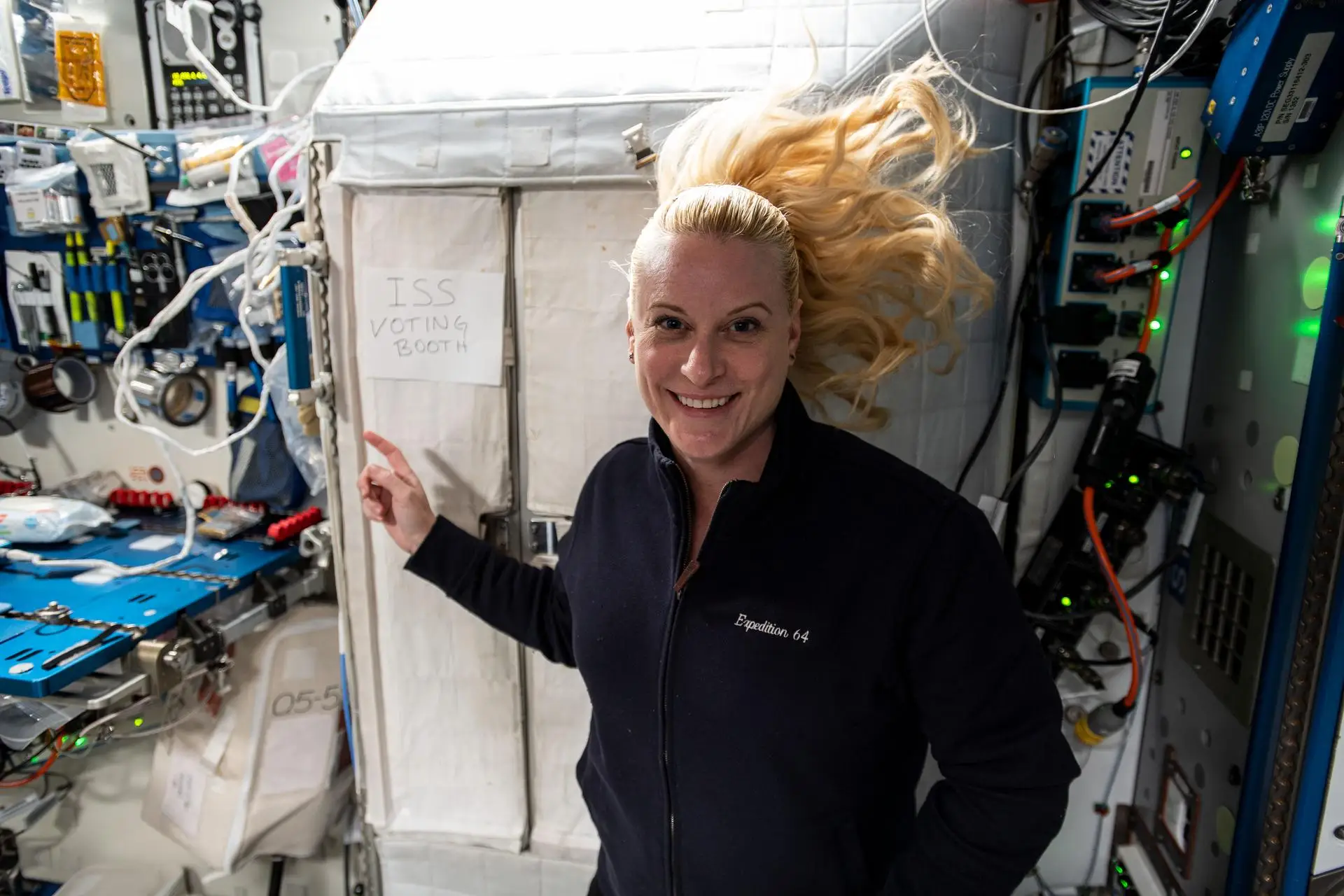
In the late 90s, NASA figured out how to help astronauts participate in US elections. Before they leave Earth, they fill out a request for an absentee ballot. County officials then email the ballot to the astronaut to fill out and return.
In the past, astronauts have created mini “voting booths” in the crew quarters. “The voting clerks love getting pictures of crew voting on board,” Marta Durham, a former NASA flight operations Instructor, told “Houston: We Have a Podcast.”
NASA is keen to see how the ISS garden grows.
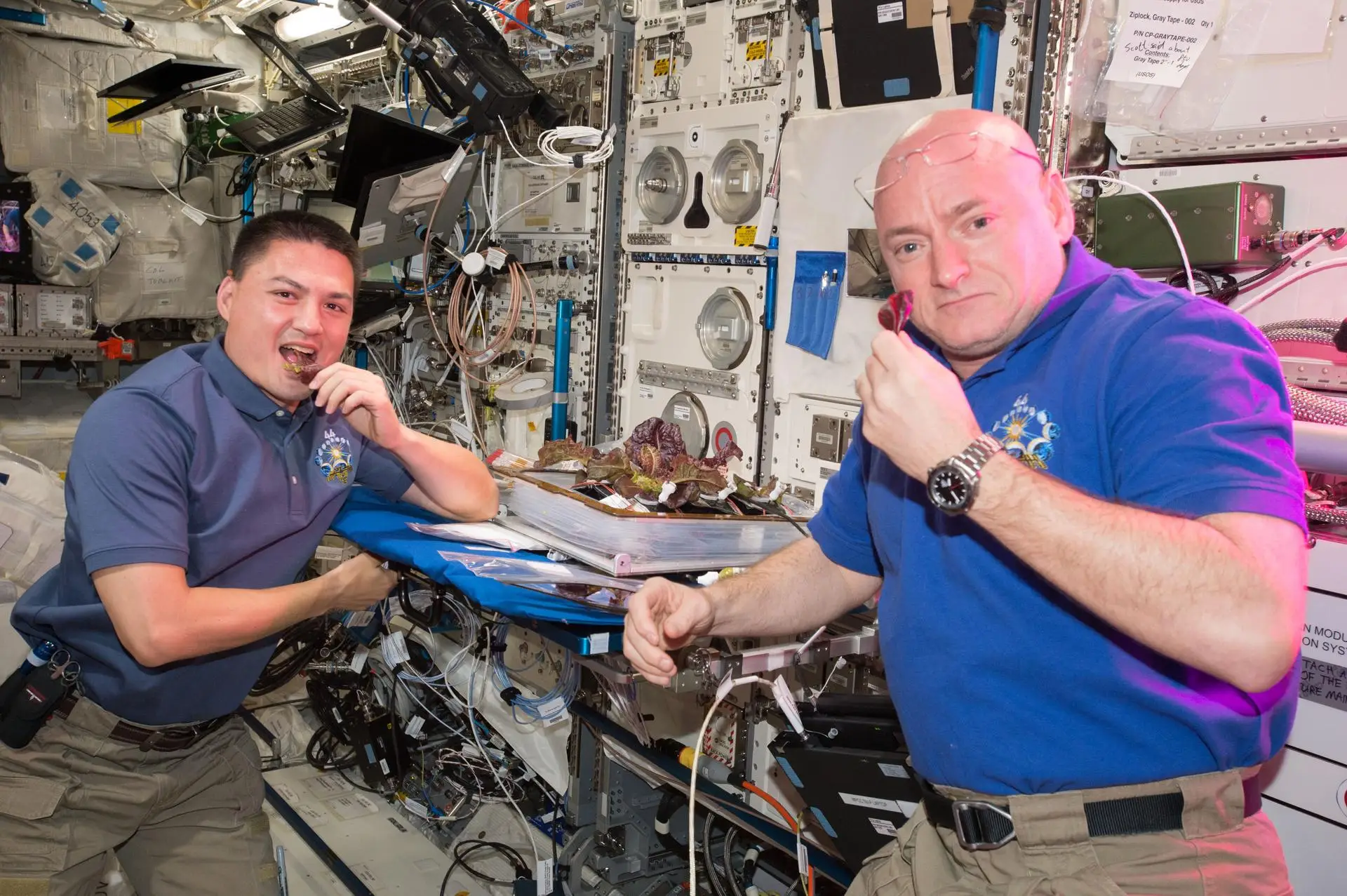
If humans are going to live on Mars, they must first perfect space gardening. Fresh produce is key to providing necessary nutrients.
The Vegetable Production System, or Veggie, is the space station’s six-plant garden, per NASA. It’s helping astronauts learn how to make food without gravity and sunlight.
They’ve grown fresh vegetables, such as lettuce and kale.
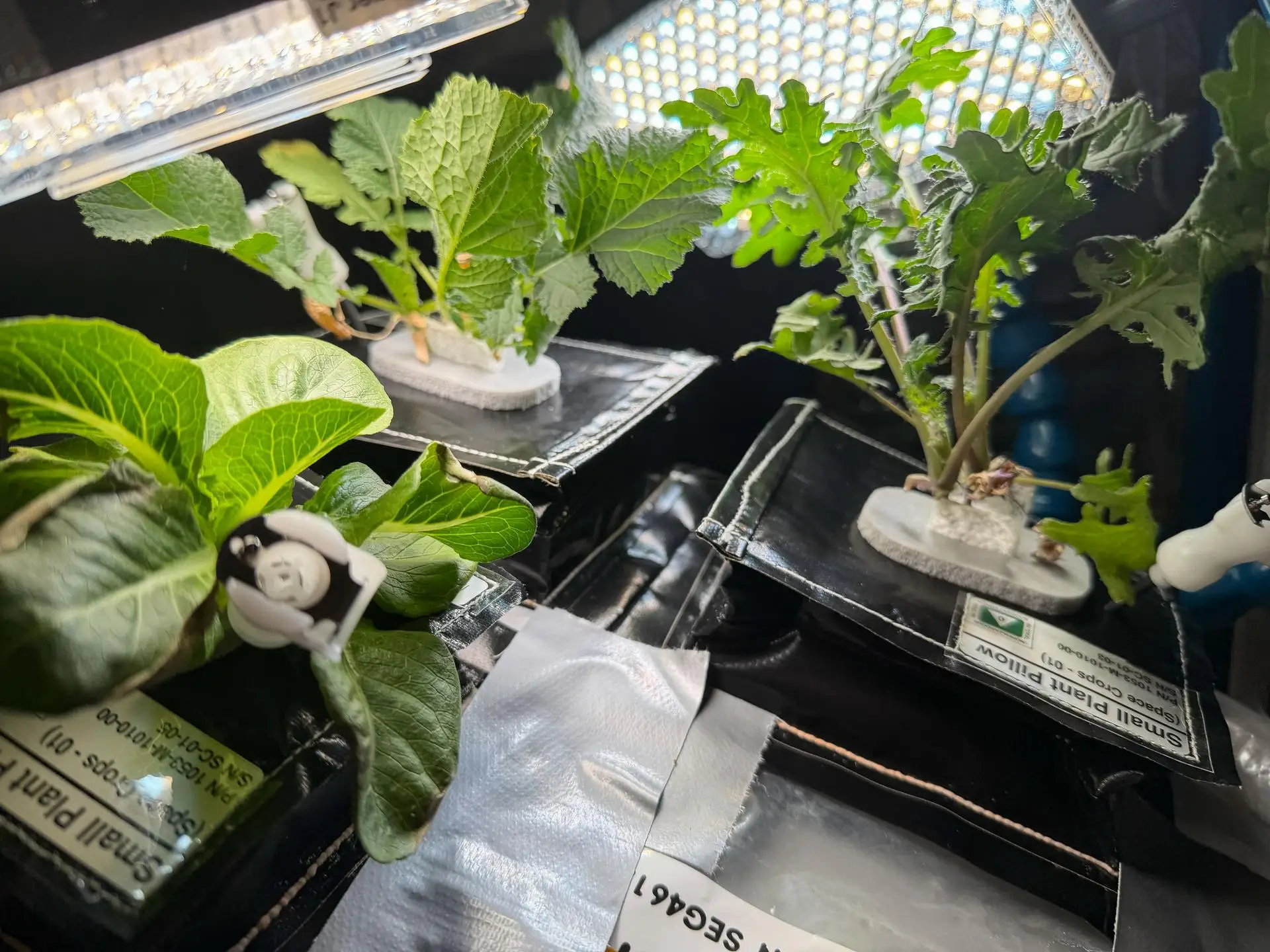
An experiment currently underway, ISSGardens, allows astronauts to independently grow their own crops aboard the ISS. This is to observe how plants grow outside Veggie on board and help inform the development of a seed bank.
NASA also said that caring for plants has been shown to benefit astronauts’ mental health.
NASA keeps a close eye on astronauts’ health before, during, and after their time on ISS.
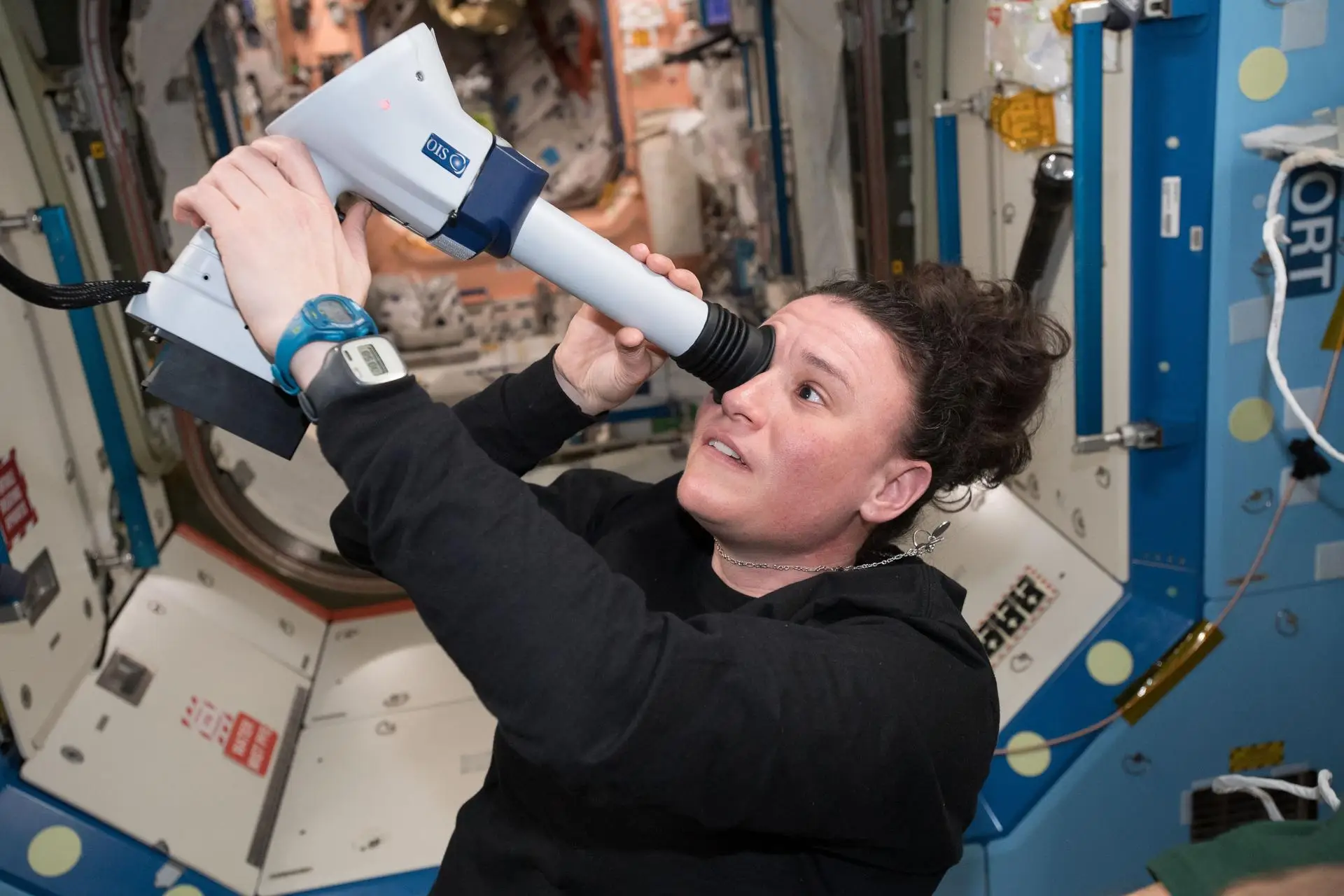
Long spaceflights change astronauts’ bodies in a lot of ways. The lack of gravity affects their balance and ability to walk. The brain adapts to the lack of gravity, and some of these changes can become permanent, University of Florida researchers found.
Astronauts routinely track their own health, taking saliva samples and wearing monitors for heart rate, sleep, and temperature. Not only will such data be helpful for future missions, but research on it could also affect people on Earth, especially those in remote areas with limited access to medical care.
Haircuts aboard the ISS are doable.
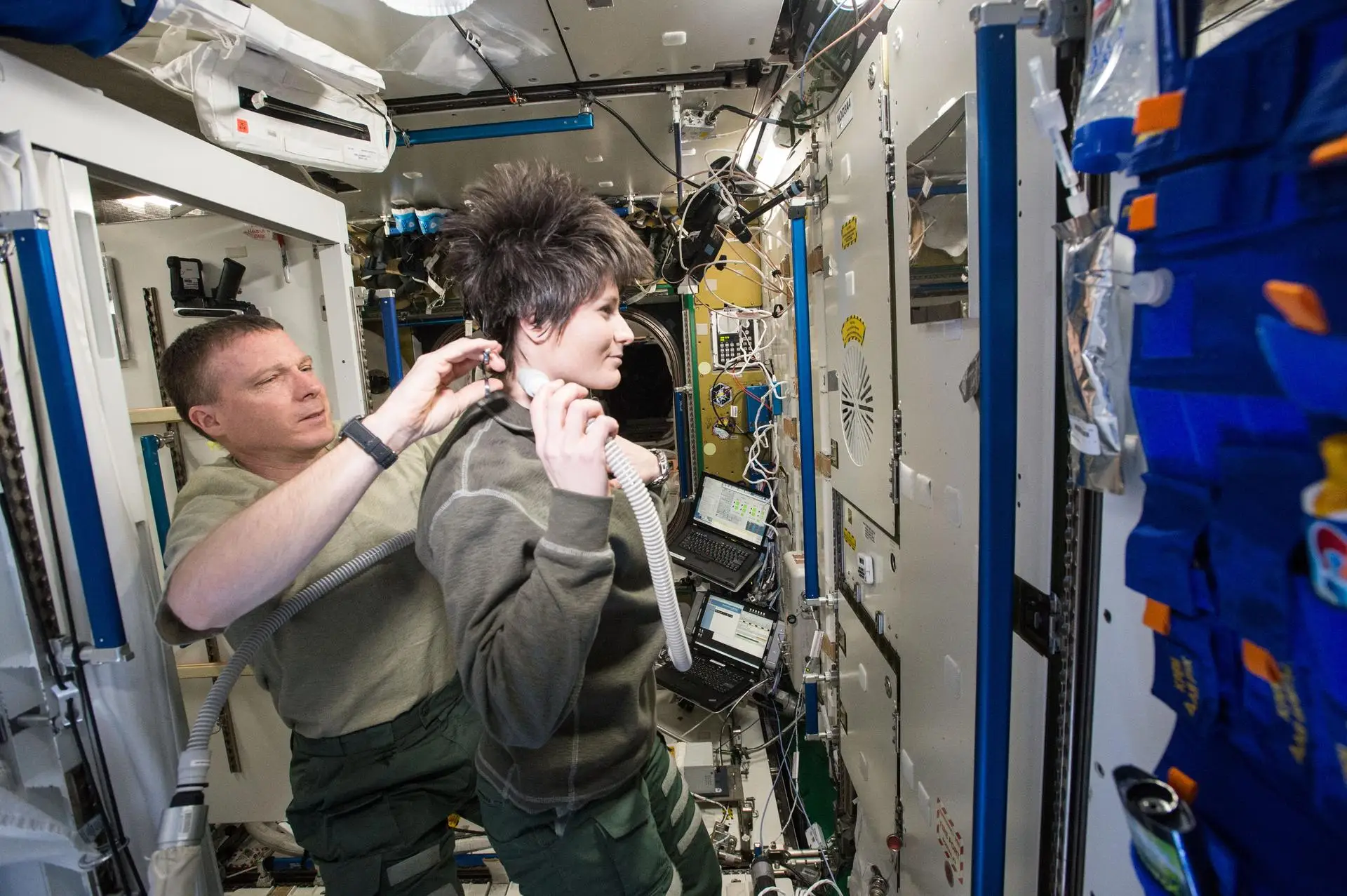
Six months can be a long time to go without a haircut. Astronauts can get a trim, provided they have a vacuum on hand to capture the clippings.
It can be tough to sleep through 16 sunrises a day.
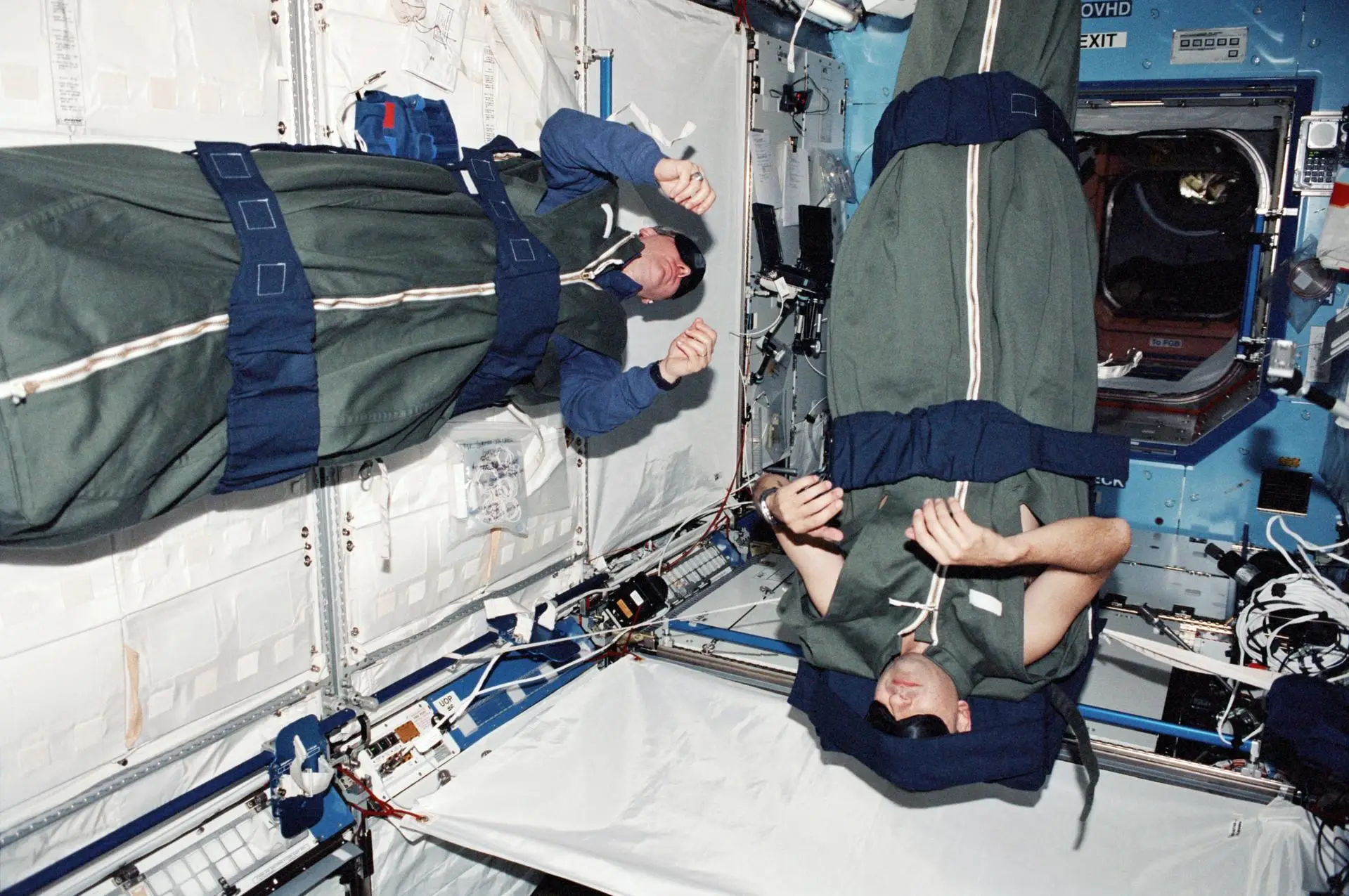
As the ISS orbits the Earth, it experiences the sun rising and setting 16 times a day. That’s just one reason astronauts may have trouble catching their z’s.
Rubio described crew quarters as a phone booth. Inside, there’s a sleeping bag attached to the wall to keep sleeping astronauts from floating and knocking into walls. He actually enjoyed the weightless sleep, but for some people, it takes some getting used to, he said.
Some days, it’s nice to step outside for a spacewalk.
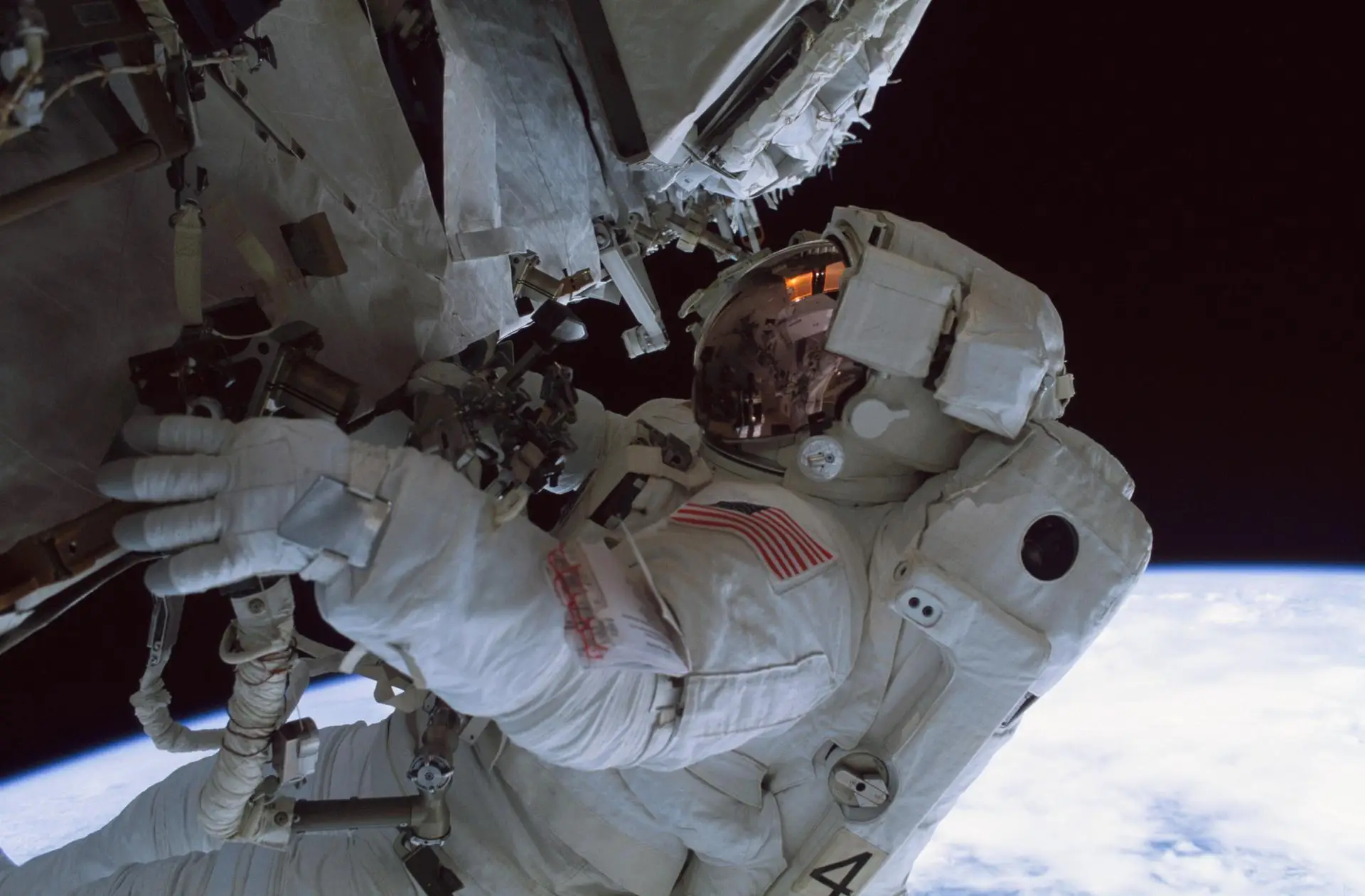
When the ISS needs maintenance or repairs, astronauts get suited up for a spacewalk. There have been over 280 since 1998, per NASA. Some have been only a couple of hours; others have taken over eight hours.
The suits are equipped with oxygen and water. Before heading out into space, astronauts breathe pure oxygen to rid their bodies of nitrogen and avoid “the bends,” a condition often associated with scuba diving.
Astronauts actually do a lot of underwater training on Earth before a real space walk. Nothing can quite prepare them for the real thing, though, astronaut Nick Hague told “Houston: We Have a Podcast.”
“You just can’t replicate that floating around in a spacesuit in the vacuum of space,” he said. “The only place you do it real for the first time is in space.”
The view from inside isn’t bad, either.
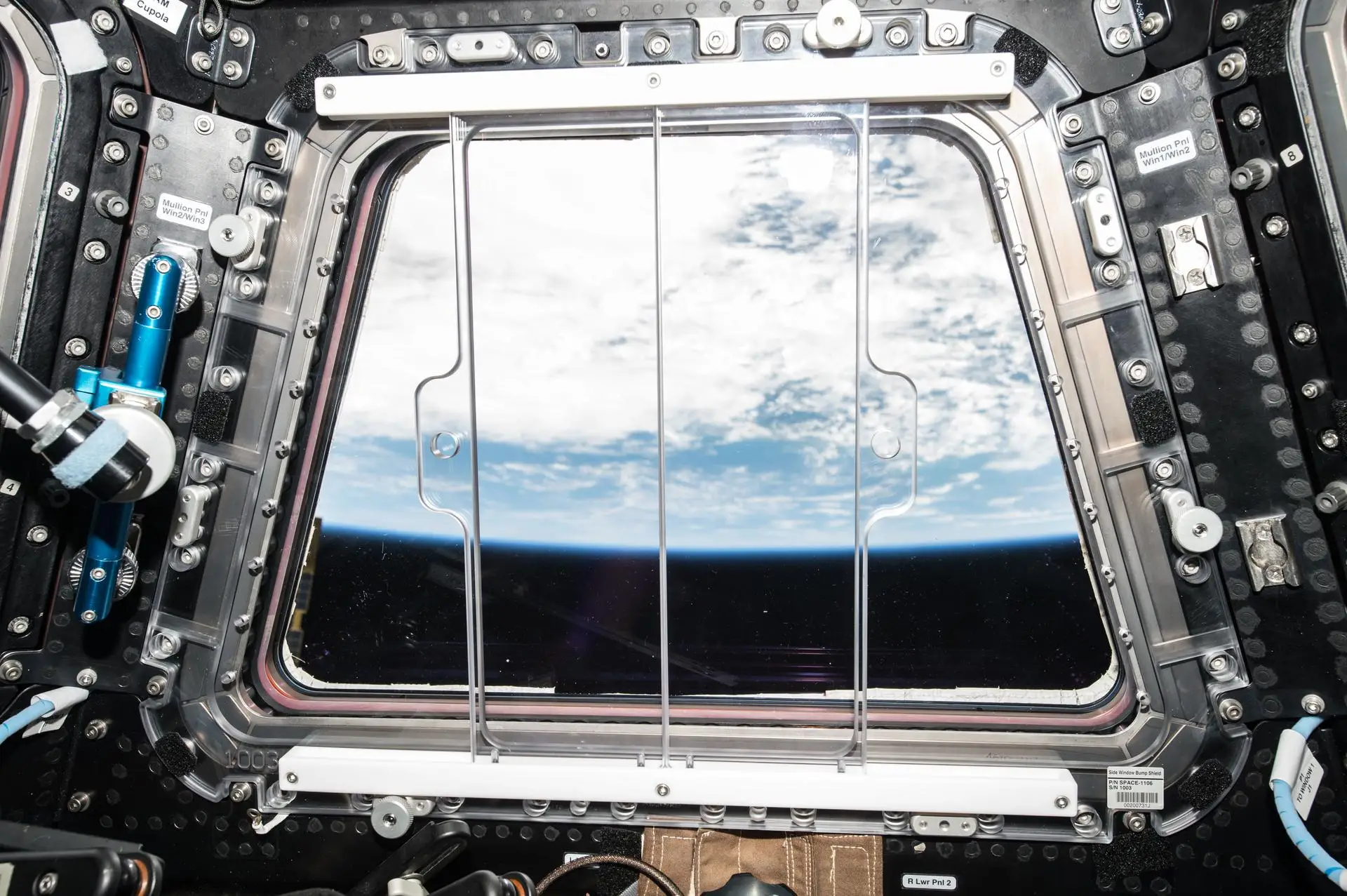
One of the major perks of spending time on the ISS is its view of the Earth. Astronauts have seen hurricanes, lightning, and glittering cities.
They have incredible photos to prove it. Some astronauts, including Don Pettit, are known for their astrophotography. He brought a lot of equipment on board to help himself and his fellow crew members take even better pictures, he told “Houston: We Have a Podcast.”
This recent photo of the aurora australis was taken by Jessica Meir.
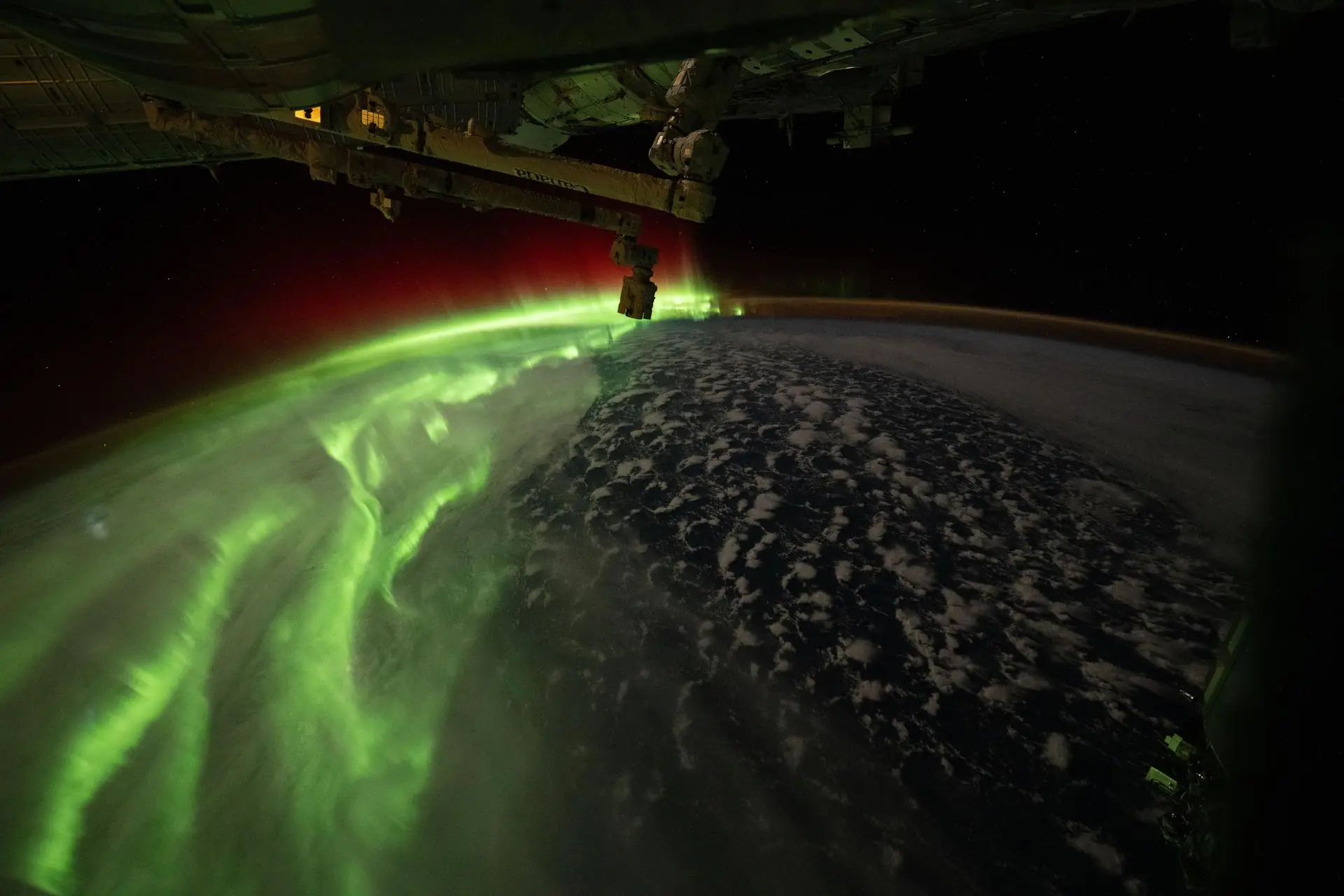
In a June Instagram post, Meir wrote that they had “witnessed a spectacular southern aurora show yesterday thanks to a recent solar event.”
Read the original article on Business Insider
The post Photos show what life is like on the International Space Station, from haircuts to sleeping arrangements appeared first on Business Insider.