More than 400 years after Pilgrims aboard the Mayflower ship first came face-to-face with a local Native American tribe, the Nauset, on Cape Cod Bay in Massachusetts, a roughly 120-acre parcel overlooking the site has been transferred to an Indigenous-led conservation group.
The Nature Conservancy in Arlington, Virginia, has owned the property — which overlooks First Encounter Beach — since the mid-1980s. Indigenous leaders, conservationists and environmentalists have been working for several years to transfer the property to the Native Land Conservancy in Mashpee, Massachusetts.
The deal, which closed Oct. 30, is part of an Indigenous-led effort across the country, known as #LandBack, to reclaim ownership and stewardship of ancestral lands. The Nauset are part of the Wampanoag Nation, known for helping the Pilgrims survive their first Thanksgiving.
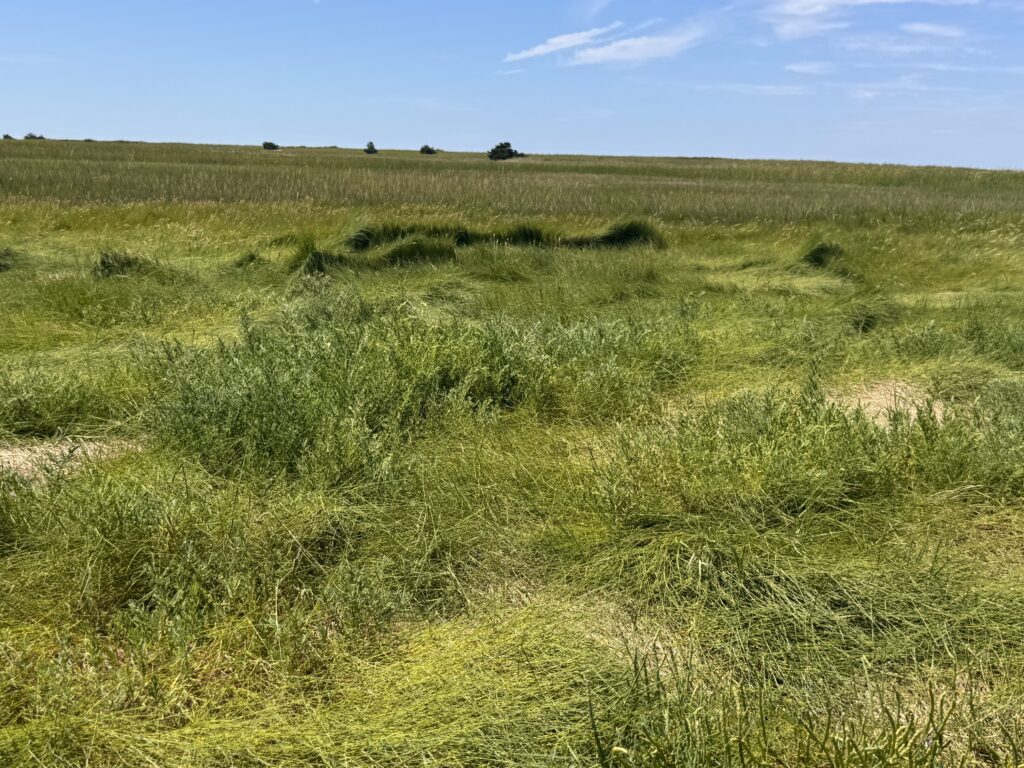
The deal is significant because there is increasing development pressure on Cape Cod’s limited open land. The Native Land Conservancy said it plans to preserve the habitat on the property for vulnerable sea turtles that nest in the marsh grasses.
“Getting this property back into Indigenous ownership is something you can’t put a value on,” said Paula Peters, a Mashpee Wampanoag citizen and communications and programs coordinator for the Native Land Conservancy.
Historians said the land has Indigenous roots stretching back tens of thousands of years. Weeks after the Pilgrims arrived in 1620, historians said, they had stolen corn and disturbed graves in the Nauset village. The Nauset attacked the Pilgrims, and a brief battle ensued. The colonies quickly overtook tribal lands.
The post Indigenous-led group receives Cape Cod plot taken from Native Americans centuries ago appeared first on Washington Post.