The pace of inflation eased on a monthly basis in October, as gas prices saw some relief from their steep climb this year but food prices rose.
The rate of inflation in October was 0.4 percent compared to September, which is less than the 0.6 percent increase in September compared to August.
But the overall annual pace of inflation in October was unclear, because the Bureau of Labor Statistics did not calculate a typical year-over-year inflation measurement. The government shutdown a year ago scrapped the release of October 2025 data, making it difficult to compare with recent inflation reports.
Excluding volatile food and energy increases, core inflation was at about the same pace as in the prior two months.
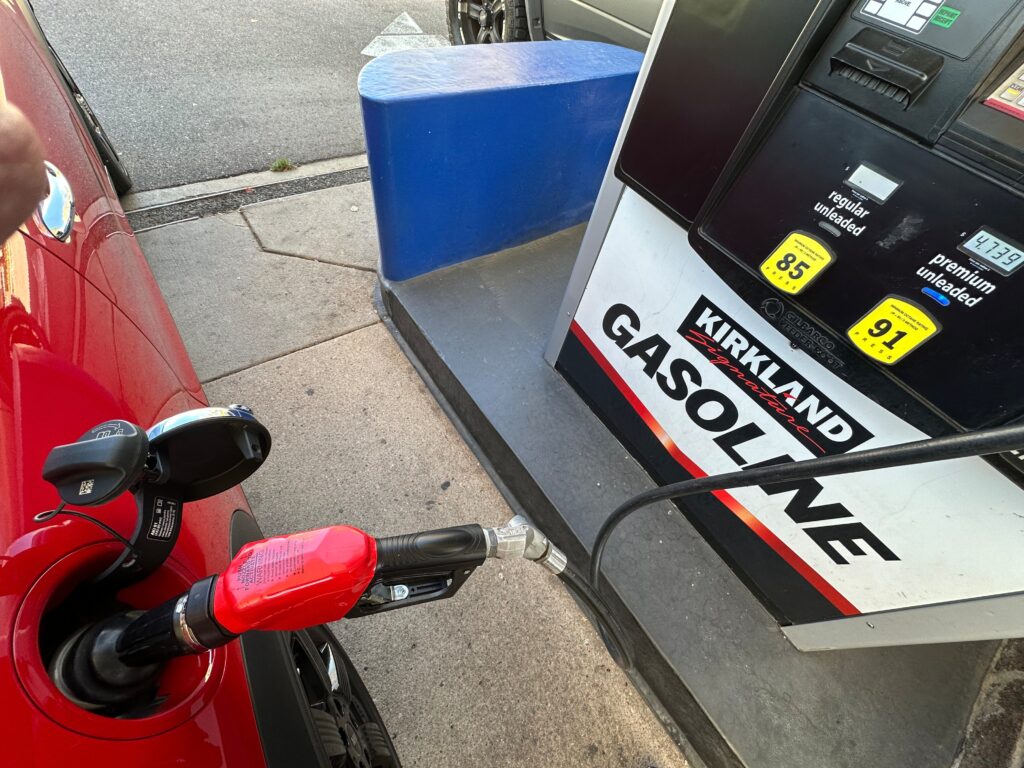
The gasoline index continued its upward climb but at a less steep pace. In October, the monthly increase was just 1 percent from the month before, compared to 9.1 percent in September. But food prices, which have been higher but stable in recent months, grew by the most since April.
The cooler monthly inflation report came too late to help Republican chances in the midterm elections, where Democrats swept Congress. Democrat candidates campaigned heavily on the economy, appealing to voters’ concerns about affordability and their waning faith in President Donald Trump’s handling of rising prices.
The cooling trend may continue, as gas prices fell on Tuesday to below $4 a gallon for the first time since July.
Even with a slightly cooler inflation reading, many economists still expect the Federal Reserve to raise rates at its December meeting in a bid to cool this year’s hot inflation. Prices are still climbing, and inflation has been above the Fed’s 2 percent target rate for more than five years.
“We’re not out of the woods,” said Boston College economics professor Brian Bethune.
The Fed raised borrowing rates for the first time in more than three years in September. It held steady in October, but most Fed officials signaled in September that they expected to raise rates again before the end of the year. That potential was bolstered by a stronger-than-expected jobs report last week, suggesting the labor market could weather higher rates.
Analysts had expected the consumer price index to increase 0.24 percent over the last month, compared to a much larger 0.6 percent growth in September.
In September, inflation climbed to a 3.7 percent annual pace as gas and energy prices spiked sharply. But prices for gas and diesel eased slightly in October from their September high, contributing to the lower rise in overall consumer prices.
Gas prices still remain much higher than the beginning of the year.
Energy prices have been a key driver of inflation this year, as global supply chains are disrupted by the wars in Iran and Ukraine.
Gas prices often ease in the fall and winter as people forego road trips and stay closer to home. The steady prices over the last month are also helped by domestic refineries running at higher-than-normal rates this year.
Further relief might be coming — oil price markets fell sharply Monday after Trump told CNN Sunday that it is “highly unlikely” he’ll need to order more strikes on Iran.
The war in Iran has sent oil prices surging this year as main supply routes have been disrupted, and strikes have damaged major energy-producing sites.
Rising gas prices have been one of the most visible signs of elevated inflation this year, souring Americans on the economy. Americans consistently said they were voting on the economy, and had lost faith in Trump’s handling of it.
The post Inflation pace slowed in October, but prices remain high appeared first on Washington Post.