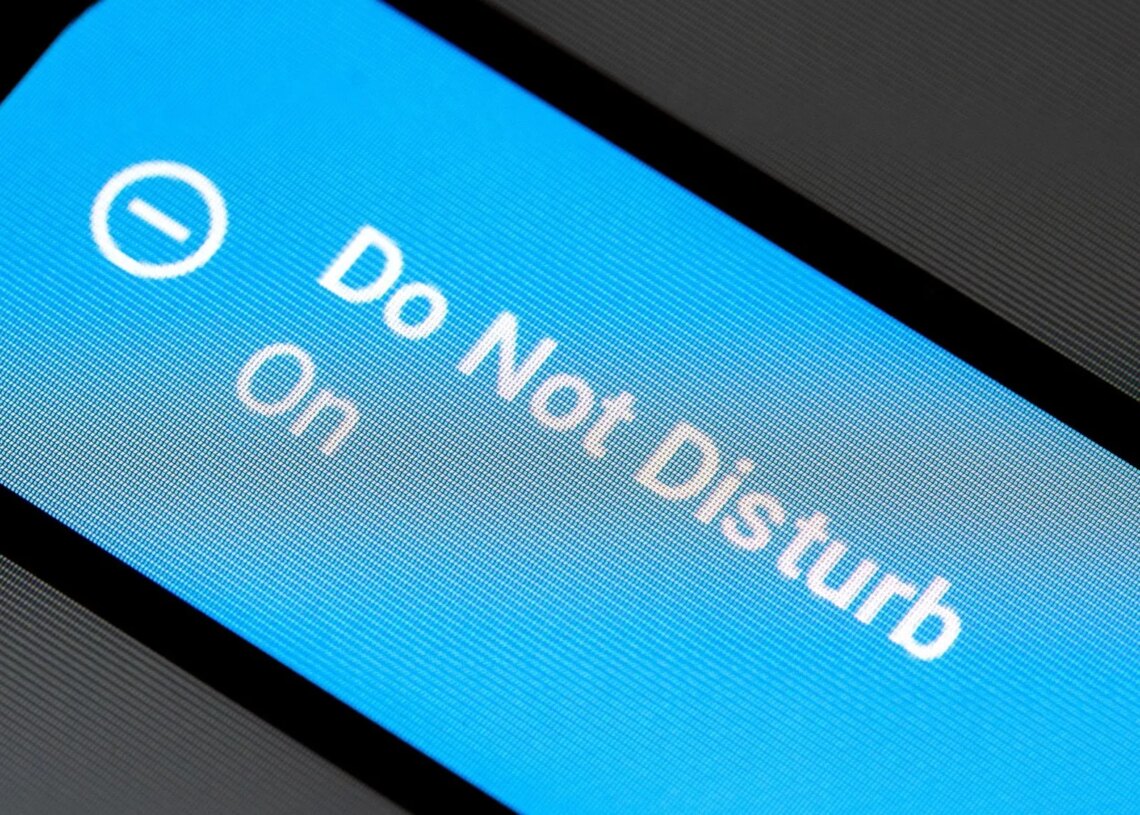
I have a confession: Sometimes, I fantasize about being completely socially unavailable. No texts, emails, social media updates, phone calls…just silence. Just ask my friends; I am the absolute worst texter and take about five business days to respond to messages, voice notes, and phone calls (unless it’s urgent, of course).
Apparently, achieving this unreachable state can actually be a status symbol. (Not for me. Mine is the result of burnout.)
“In American culture, unavailability can signal that a person’s time is valuable,” says Dr. Wildaliz Caro, PhD, Medical Contributor at Aura Recovery Center. “A 2017 Journal of Consumer Research study found that busyness and lack of leisure led people to infer status because they associated them with competence, ambition, and being in demand.”
Is Unavailability Really a Status Symbol?
According to Yoni Neff, LMSW, a psychotherapist at LightLine Therapy in New York, “Evolutionarily, scarcity reads as value.”
“Our minds are wired to make us think that being busy says ‘people want me,’” Neff explains. “Being unavailable takes that a step further to signal ‘people want me and I get to decide whether they get me.’”
But does unavailability actually demonstrate high status?
If you’re asking me, well, my unavailability means I’ve had enough social interactions for the year and would like to self-isolate and rest for the foreseeable future. I think many people can relate to this desire in today’s highly demanding world. Social burnout is a real experience.
“Unavailability may reflect overload, recovery needs, or vulnerability,” says Dr. Caro. “Setting limits is also an important component of a healthy human relationship and a healthy sense of self. Indeed, creating your own limitations can be an act of self-awareness, and that can be incredibly beneficial for your own welfare.”
“In my work, unavailability often serves a protective function,” Neff adds. “If you’re never reachable, nobody catches you being average, and you don’t let people get close enough to be disappointed by your averageness.”
In some cases, this might cause others to put you on a pedestal or view you as “unreachable”—both literally and figuratively.
Why Some People Like Being Unreachable
Aside from the obvious reason of being left alone? Some people crave space and time for themselves, where they don’t need to perform, put up a front, or be of service to anyone else.
“Being continuously available can make people feel pressured to perform and stay emotionally engaged, whereas taking a break helps minimize overstimulation,” Dr. Caro explains. “When you allow yourself a break from the daily grind, you may come back with renewed energy … We are social beings, and many of us need others to make time for us and put in an effort to reduce the distance between us.”
Not to mention, it seems everyone expects constant communication—or at least quick responses—from their friends, family, colleagues, or loved ones today.
“Being reachable is now inherently the baseline condition of adult life. However, the ancient bodies we have, which now live in modern society, were never quite designed to sustain the always-on lifestyle,” says Neff. “Plenty of folks crave unavailability because they can’t give themselves permission to rest otherwise. So, over time, we’ve learned that ‘I’m off the grid’ sounds a lot better than ‘I’m tired.’”
The post Why Being Unavailable Has Become a Status Symbol, According to Therapists appeared first on VICE.