Welcome back to “The Media Front.”
When NBCUniversal began separating MSNBC from NBC News last year, Steve Kornacki faced a consequential choice: Stay with the cable network where he’d become an Election Night celebrity, or remain with NBC and expand his role across news and sports.
He chose NBC. On Tuesday, that decision looked particularly smart.
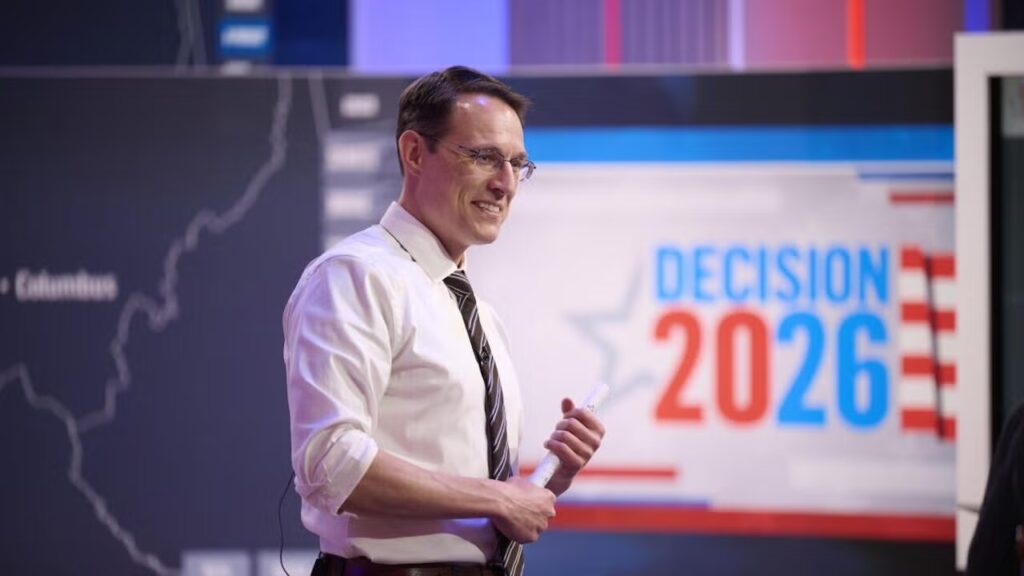
NBC News drew 6.74 million primetime viewers for its midterm election coverage, leading every broadcast and cable competitor for the first time in a midterm election in 24 years. Meanwhile, Kornacki’s dedicated “Kornacki Cam” livestream generated 29 million views across platforms on Election Night, including 6.1 million on YouTube. By Thursday, NBC said the cumulative multiplatform total had surpassed 63 million.
NBC’s ratings victory wasn’t Kornacki’s alone. But his livestream’s success illustrated something increasingly important about the television news business: When audiences can get the same information almost anywhere, a journalist who makes that information compelling can become a competitive advantage.
And Kornacki’s career offers a revealing example of how networks can create that value by finding the right role for the right talent.
Before becoming an Election Night sensation, he hosted MSNBC’s weekend program “Up With Steve Kornacki,” which he left in 2015 amid changes to the network’s lineup. He moved into a broader reporting and fill-in anchoring role, eventually turning his command of electoral data into a signature attraction.
It wasn’t the conventional path to television stardom. But it demonstrated that a journalist’s greatest value doesn’t necessarily come from hosting a show. Sometimes a specialized skill proves more valuable when a network finds different ways to put it to work.
By April 2025, as NBCUniversal prepared to spin off MSNBC, now MS NOW, into what became Versant, Kornacki was a talent NBC wanted to keep. He signed a new agreement as chief data analyst for NBC News and NBC Sports, with financial terms undisclosed.
His versatility helps explain the appeal. Already familiar to viewers of “Football Night in America” for his NFL playoff breakdowns, Kornacki expanded into weekly football appearances this season, alongside assignments covering horse racing and the Olympics.
NBC had found a way to make the same expertise valuable across two of television’s biggest live-event businesses.
Now it’s testing whether that following can generate a more lasting relationship with viewers. In August, NBC News launched “The Data Dive With Steve Kornacki,” a digital franchise featuring a weekly newsletter for paying subscribers.
The opportunity goes beyond video views. A journalist who attracts viewers during major events may also give a dedicated audience a reason to subscribe and return regularly. Whether that interest translates into meaningful subscription revenue remains an open question.
Kornacki described the unexpected demand for extended election coverage in a November 3 interview with Axios, saying, “There was kind of a community that built itself around these primary nights.”
Tuesday offered another demonstration of that appeal. His 10.5-hour livestream, originating from the same set as NBC’s election broadcast, peaked above 300,000 concurrent YouTube viewers, according to the network.
And NBC isn’t alone in recognizing the opportunity.
CNN has made John King and his Magic Wall fixtures of election coverage since 2008, while Harry Enten has developed a growing presence across television and digital platforms. Fox News has Bill Hemmer at its Big Board. MS NOW, meanwhile, launched its own all-night “VelshiCast,” featuring Ali Velshi, which generated more than 5.4 million YouTube views.
These efforts point to a broader competitive reality: News organizations aren’t simply competing to deliver information. They’re competing to make their interpretation of that information worth seeking out.
But building around individual personalities carries risks. Stars can command expensive contracts or leave for competitors. Their popularity doesn’t guarantee paying subscribers, and even the best analyst relies on an organization’s reporting resources and editorial judgment.
Nor do Kornacki’s audience figures establish his financial return. Video views aren’t unique viewers, NBC hasn’t disclosed how much revenue his coverage generated and no single personality can claim credit for the network’s ratings victory.
Kornacki didn’t become valuable simply because he became famous. His value grew as NBC and its predecessor organization found new uses for the skills that made him distinctive, extending his work from election analysis to sports, livestreams and subscriber products.
The election results were available everywhere Tuesday night. Millions still chose to watch someone explain them.
One Election, Very Different Stories on Cable News
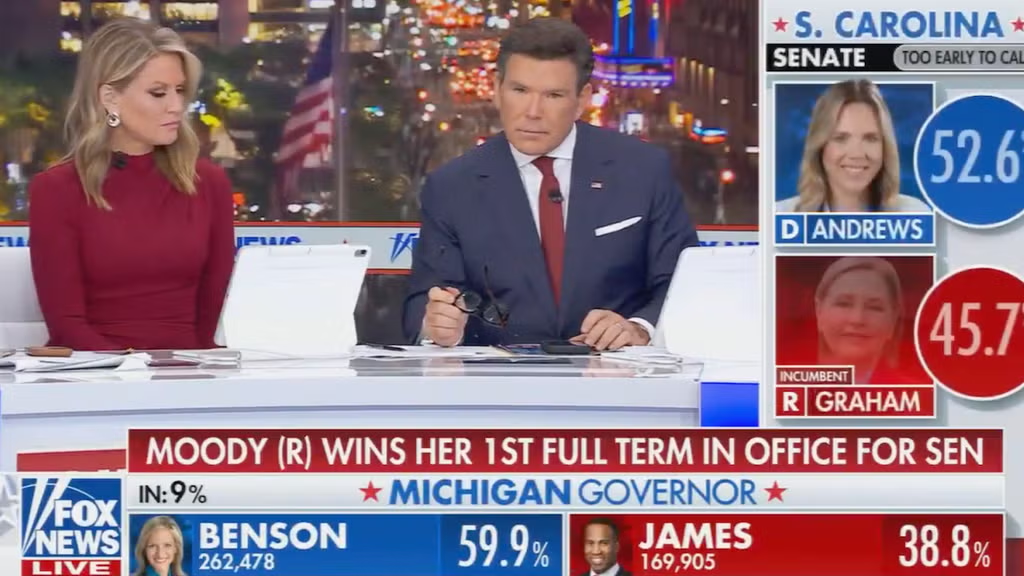
Tuesday’s midterm elections delivered the same results to every television network. What viewers saw depended considerably on where they tuned in.
As Democratic victories mounted, Fox News shifted from examining Republican paths to victory to debating what had gone wrong. Former New York City Mayor Bill de Blasio challenged the network’s panel for missing the larger story, while President Trump called into Bret Baier’s broadcast to criticize Fox’s polling. Baier pushed back.
CNN’s John King focused on county-level voting shifts and what they revealed about the emerging political picture. At MS NOW, Rachel Maddow emphasized the distinction between individual race calls and projections for control of Congress.
The differences offered a revealing look at how each network approaches a major political event — and how much editorial judgment shapes what viewers take away from the same election.
My full piece: ‘Fox Funeral,’ Tapper Laughs, Baier Spars With Trump: The GOP’s Midterm Crash-Out | Analysis

Salon Helped Invent Digital Journalism. Then the Business Passed It By
When Salon launched in 1995, the internet promised a new future for journalism. Publications could develop their own voices, reach readers directly and compete without the expense of printing presses.
Thirty-one years later, one of the medium’s pioneers is shutting down.
Salon announced Thursday that it was ceasing publication, another casualty of the difficult economics facing independent digital publishers.
The irony is hard to miss. Salon helped establish what digital-native journalism could be, but the business that emerged proved far less hospitable to independent general-interest outlets than its early pioneers might have imagined.
Consider the contrast with the New York Times, which has built a diversified digital business around subscriptions, specialized products and direct relationships with readers. Smaller publishers without comparable scale face a much tougher path.
Salon’s demise is a reminder that helping invent a new medium doesn’t guarantee surviving its evolution.
Our coverage for TheWrap: Salon, Pioneering Digital News Website, Shutters After 31 Years

The New York Times’ Next Big Bet Could Be on Movie Lovers
The New York Times is in exclusive talks to acquire Letterboxd for roughly $330 million, potentially adding one of the internet’s most devoted film communities to its growing collection of digital products.
The social platform, which allows users to rate movies, track their viewing habits and share recommendations, was approaching 35 million members by October. The proposed purchase price represents roughly 22 times its projected 2026 earnings before interest, taxes, depreciation and amortization.
For the Times, the attraction goes beyond movies. Having expanded through The Athletic, Wordle and Wirecutter, the company is increasingly building its business around specialized interests that bring consumers into its digital ecosystem.
But Letterboxd presents a particular challenge: Its devoted community is precisely what makes it valuable, and potentially what makes a change in ownership risky.
Under the proposed arrangement, co-founders Matthew Buchanan and Karl von Randow would remain in charge, Letterboxd would continue operating separately and the platform would use the Times’ advertising technology. No agreement has been reached.
The larger takeaway is striking. At a moment when publishers are struggling to retain audiences, the Times may be willing to spend hundreds of millions of dollars to acquire one that’s already deeply engaged.
My full piece: New York Times Enters Exclusive Talks to Buy Letterboxd for $330 Million
WaxWord: Women Candidates Make Midterm History
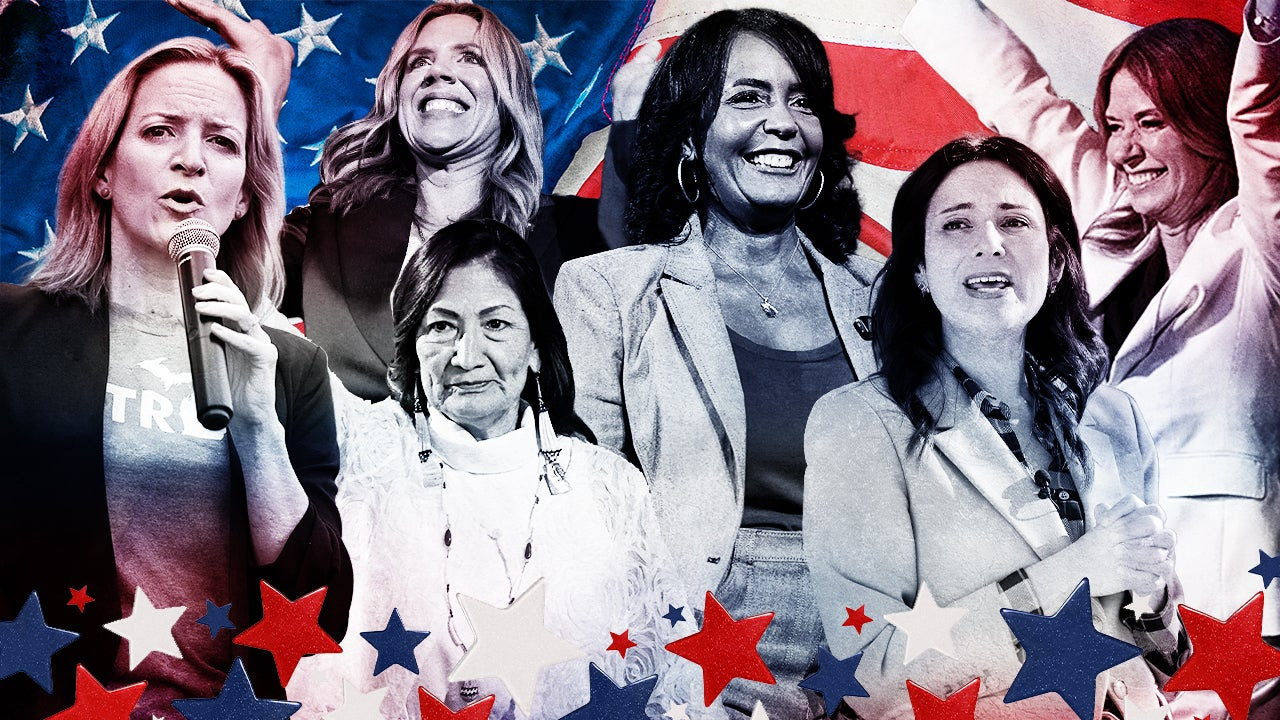
Tuesday’s midterms brought a series of historic victories for women candidates, including milestones in governors’ races in Georgia, New Mexico and Texas.
In her latest WaxWord column, TheWrap founder and editor-in-chief Sharon Waxman sees the results as more than a successful election cycle. She argues that the victories reflect a response to years of political attacks, setbacks to women’s rights and the treatment of women during the Trump era.
Sharon also looks back at the women who helped pave the way, from Hillary Clinton and Anita Hill to Stacey Abrams, and considers what the election’s lessons might mean for Hollywood, where women continue to face barriers to representation and leadership.
Waxman’s full piece: Bye Piggy: Women Candidates Triumph in Midterm Wave After Years of Trump’s Pounding Down
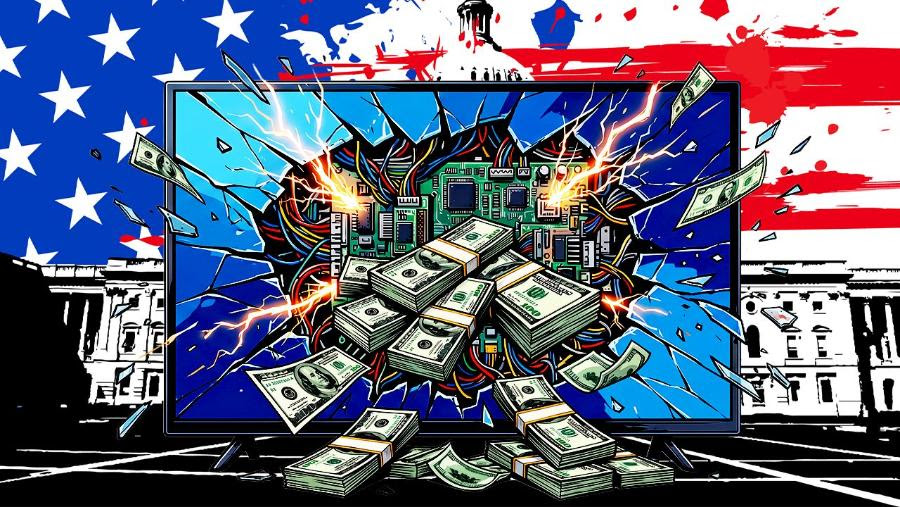
This Week on PRO: Did $12 Billion in Political Advertising Pay Off?
The 2026 midterms delivered another enormous payday for television broadcasters. But after nearly $12 billion in political advertising spending, did campaigns get their money’s worth?
In a new WrapPRO report next week, I’ll examine where the money went, whether costly defeats reveal the limits of television advertising and what campaign media buyers may do differently in 2028.
Broadcast and cable captured approximately 60% of midterm ad spending, but connected television is claiming a growing share of political budgets. The question isn’t simply whether campaigns will keep spending heavily. It’s whether they’ll spend the same way next time.
Look for my full analysis this week on WrapPRO.
The post The Steve Kornacki Effect: Why the NBC News Stat King Is the Network’s Election MVP appeared first on TheWrap.