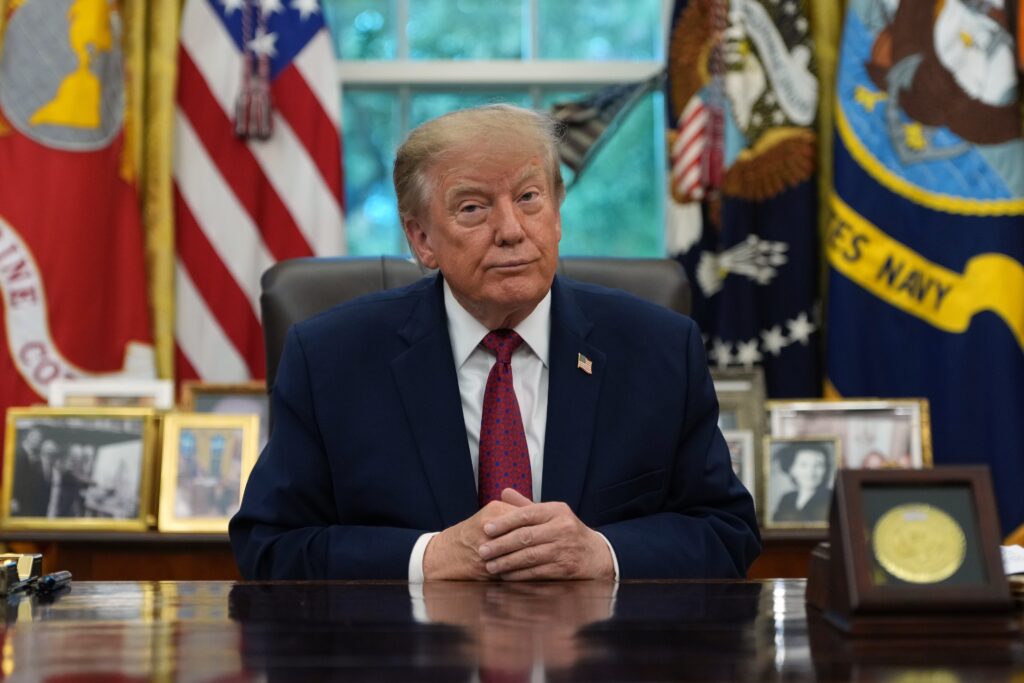
After historic losses in the midterms, President Donald Trump on Friday sat down with “60 Minutes” for an extensive interview.
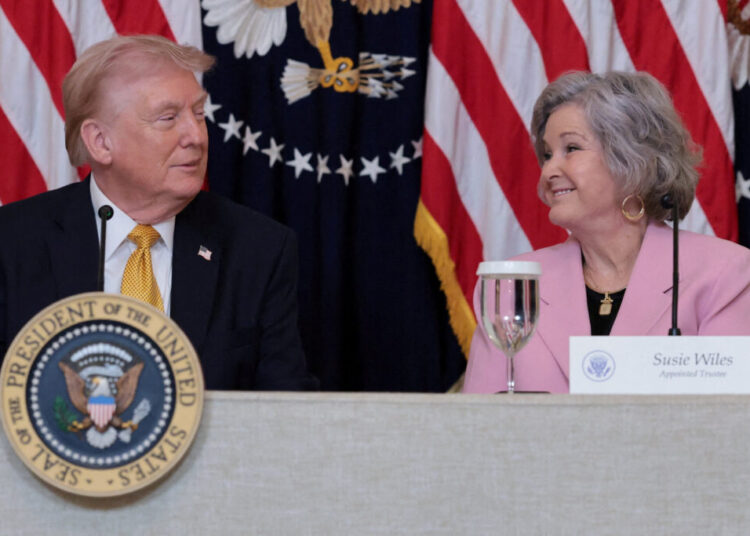
During the discussion, he was both reflective and at times open to collaboration, but simultaneously defensive as he prepares for battle with congressional Democrats. The interview was recorded several hours before he announced that he would replace White House Chief of Staff Susie Wiles with Stephen Miller, an ideological hard-liner who designed his most controversial immigration policies.
Here are the takeaways:
He says his deportation policies may have been ‘too tough’
Trump said immigration both hurt and helped him in the midterm elections, adding that he gets high marks for his handling of the border but more mixed reviews on deportations.
“I get very high marks for getting the bad ones out, but I get hurt because we also took people that had good jobs that created one violation or breaking of the law,” Trump said. “That was that they came into the country illegally.”
Trump said he wanted to work with the Democrats on a compromise immigration policy to provide some sort of legal status for immigrants who enter the country illegally but then go on to work in jobs in the United States and pay taxes.
Trump acknowledged that some members of his party and his White House staff advocate a much more aggressive approach to immigration. He claimed that Democrats have already called him because they are interested in the policy. In his first term, Trump also sometimes floated compromise ideas on immigration, but always backed away from any deal.
The interview was recorded before Trump announced that he would elevate Miller to chief of staff, undermining his claims of working across the aisle.
Since returning to office, Trump has been torn between the unpopularity of his deportation policies and calls from some of his far-right supporters and advisers for more aggressive measures.
He blamed ‘bad messaging’ on Americans’ opinions on the economy
Trump said Americans’ dissatisfaction with the economy is not limited to the fallout of the Iran war. He suggested that “bad messaging” — possibly on his own part — accounts for voters not feeling better about their economic circumstances.
“I think it was bad messaging, maybe by me, but I would talk about it all the time,” Trump said. “So I don’t know how much can I talk about it. And look, the press doesn’t cover positive news for Republicans.”
When pressed why Americans aren’t feeling the positive economic benefits, Trump said that Republicans “couldn’t get the message across.”
He wouldn’t say if he would endorse in the 2028 Republican primary
“I may or may not get involved,” Trump said. “I may or may not get involved. I don’t know. Maybe I’m better off not getting involved.”
Trump suggested a broad bench of candidates could succeed him in addition to Vice President JD Vance, mentioning Secretary of State Marco Rubio by name.
He said that MAGA could continue without him.
“I think so because MAGA is basically common sense,” he said.
He minimizes concerns about corruption
Trump claimed that he devotes almost no time to his net worth, as newly empowered Democrats say they plan to investigate the Trump family’s businesses.
“I don’t care,” Trump said. “I make … I have a lot of money, and far more than I ever thought I’d have. And I guess it’s gone up. I don’t even know. I have a son who’s a very straight, good guy. He watches over money.”
He pushed back when pressed on how he has unique conflicts of interest because of his holdings in the cryptocurrency firm World Liberty Financial. Sheikh Tahnoon bin Zayed Al Nahyan, the national security adviser of the United Arab Emirates and the overseer of the country’s multibillion dollar state investment funds, became an investor in the company while Trump was in office.
Trump claimed other presidents had similar conflicts, and then he conceded that he was different from his predecessors.
“I’m a bigger name than other presidents, whether we like it or not,” Trump said.
He says he could not forgive some of his enemies, even to get into heaven
Trump described himself as a “religious person,” and he said that he hoped he would go to heaven rather than hell when he dies. But he said he couldn’t forgive some of his top enemies — including former FBI director James Comey and former Democratic House speaker Nancy Pelosi — even if his entrance to heaven depended on it.
Trump said that it would be easy to say that he would forgive his enemies, but he couldn’t.
“Can I be honest?” Trump said. “I probably cannot do that now because I do hate some of my enemies, and I always will.”
The post ‘60 Minutes’ takeaways: Trump calls deportation policy ‘too tough’ appeared first on Washington Post.