Gym guys have never met a recovery shortcut they didn’t want to inject.
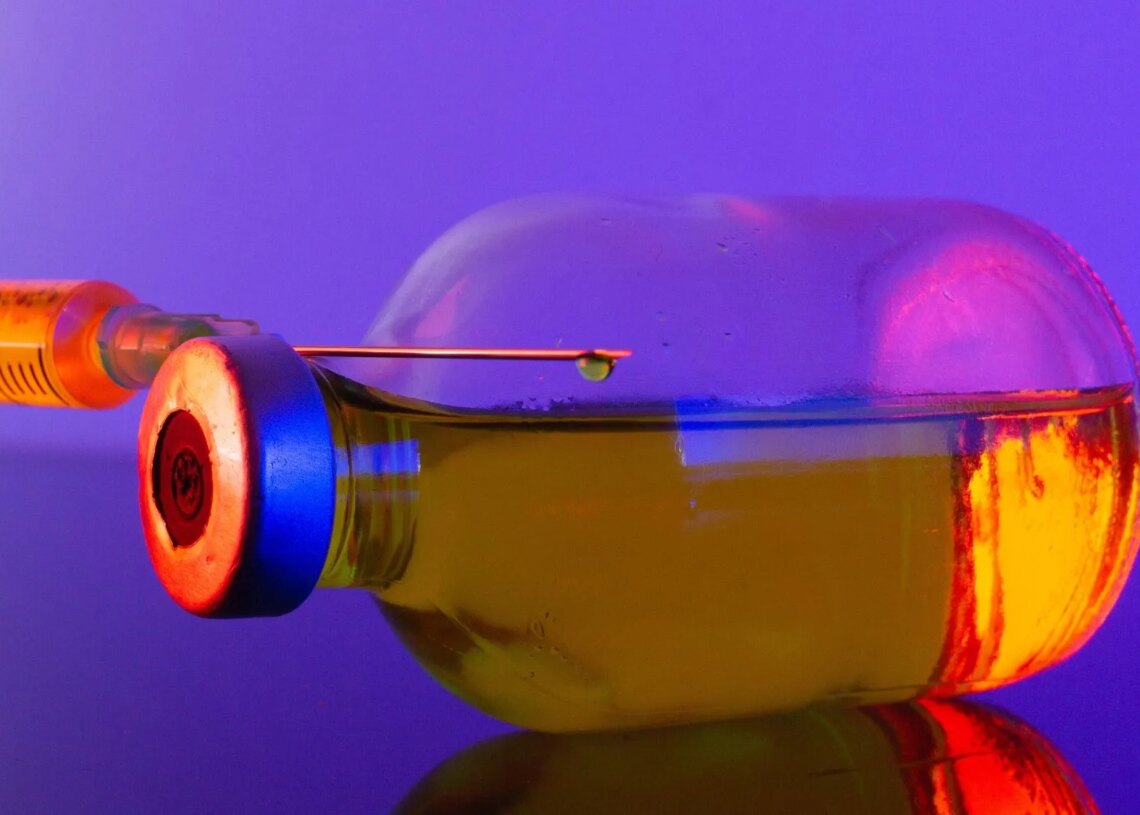
The latest is the “Wolverine shot,” named after the X-Men character who can recover from just about anything. It’s a combination of two synthetic peptides, BPC-157 and TB-500, that fitness enthusiasts are using in hopes of recovering faster from injuries and punishing workouts. BPC-157 is based on a substance found in the stomach, while TB-500 is derived from a protein involved in tissue repair.
The injections have some famous supporters. Joe Rogan claimed his elbow tendinitis disappeared within two weeks of using BPC-157, and Health Secretary Robert F. Kennedy Jr. has spoken about using the peptide to treat a muscle injury.
The enthusiasm is running well ahead of the science. Most research comes from animal experiments, and there’s little reliable human evidence that either peptide helps people heal. FDA scientists have raised concerns about allergic or immune reactions and impurities, with too little information to know how safe these substances are. Buying injectable vials from an overseas supplier adds the possibility of contamination or getting something entirely different from what you ordered.
Access is getting easier anyway.
The ‘Wolverine Shot’ Claims to Help Your Body Heal Like a Superhero. Does It Actually Work?
On October 28, HHS announced that it wouldn’t pursue enforcement against certain licensed pharmacies and physicians compounding six unapproved peptides, including BPC-157 and TB-500, provided they meet strict conditions. Kennedy’s administration argues that supervised compounding offers a safer alternative to the online gray market. Critics worry that patients will mistake easier access for evidence that the drugs work.
There’s another catch. The policy allows each peptide to be compounded individually, not combined into the Wolverine stack. Neither has FDA approval. Competitive athletes also have reason to steer clear. Both substances are prohibited under the World Anti-Doping Agency’s rules.
Actual human research is still catching up. A small, placebo-controlled trial of BPC-157 after shoulder surgery is planned for 2027. Researcher Shiloah Kviatkovsky told Business Insider that the popularity of these treatments before proper testing is frightening, especially when buyers can’t always know what’s in their injections.
Wolverine also has an unbreakable metal skeleton and a team of comic book writers looking out for him. The rest of us have to deal with actual consequences.
The post The Truth About the ‘Wolverine Shot,’ the Viral Recovery Hack That Has Doctors Concerned appeared first on VICE.