Before the last midterm elections in 2022, a number of Democrats tried to make global warming a campaign issue, with some spotlighting the big clean energy bill that Congress had passed that summer.
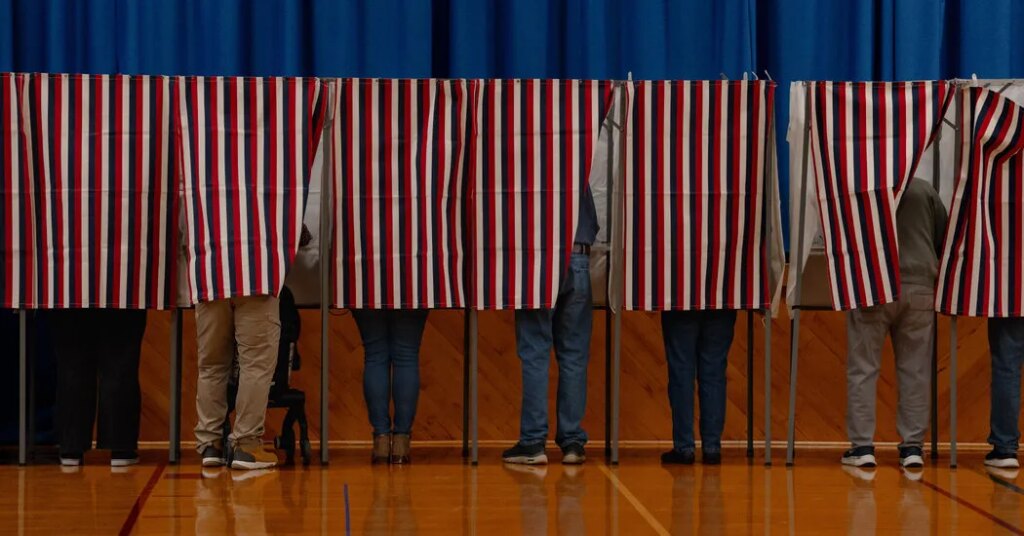
It’s a different story this year. Ahead of today’s election, many Democratic candidates steered clear of talking about climate change, evidence of a larger shift in the party lately.
Democrats talk far less these days about soaring global temperatures, rising sea levels or worsening wildfires. The party has embraced Senate candidates like James Talarico in Texas and Mary Peltola in Alaska, who actively support their state’s fossil-fuel industries. Even some blue-state Democratic governors, like Kathy Hochul of New York and Maura Healey of Massachusetts, now back expanding natural gas supplies to lower costs.
While many elected Democrats still say they want to reduce planet-warming emissions, some have said they’re not going to be vocal about the issue when Americans are more concerned about rising costs and inflation. Recent polls have found that voters consider climate change a problem, but tend to rank it low on a list of priorities.
“The issue of climate change has become so loaded with voters, and in many ways it’s become a signifier of the kind of cultural elitism that people associate with Democrats,” said Adam Jentleson, a veteran Democratic operative who now runs the Searchlight Institute, a think tank that has urged Democrats to talk less about climate.
“What our polling shows is that if you state it as a priority, people immediately start thinking that you are trying to make things cost more for them and constrain their choices as consumers,” Jentleson said. “It also crowds out a focus on other issues, and it’s much more advantageous to focus on the cost of living.”
In previous elections, many Democrats hoped a focus on climate change would help motivate younger voters. But that didn’t pan out. In 2024, two years after the party passed the largest climate bill in U.S. history, young people turned away from the Democrats and helped elect Donald J. Trump, who calls global warming a hoax and is openly hostile to renewable energy.
This year, by contrast, Democrats have sought to compete in many states that voted for Trump in order to win control of the Senate. It is hard to get elected in places like Alaska or Texas without supporting oil and gas, which are major industries and employers in both states.
Back in 2022, for instance, Talarico, then a state legislator, pledged not to accept donations from fossil fuel companies. He has since shifted his approach and, in a campaign ad last month, said he would “fight for the good-paying oil and gas jobs that power our economy.”
Neither Talarico nor Peltola has faced a significant backlash from environmental groups, which generally tend to prefer Democrats to Republicans. (Peltola has a lower score from the League of Conservation Voters than every current Senate Democrat, at 73 percent, but that’s still higher than her G.O.P. opponent Dan Sullivan’s rating of 8 percent.)
To be sure, climate hasn’t entirely disappeared from this year’s elections. There’s a long list of state ballot initiatives and local referendums being decided today that would affect a wide range of energy and environmental issues.
In California, voters will decide whether to streamline state environmental reviews for projects like housing or water systems — a change with potentially far-reaching implications. Colorado voters are deciding whether to put a right to natural gas in the State Constitution. In Massachusetts, residents will vote on whether to establish a “Nature for All” fund.
And some experts think climate change will eventually return as a major political issue, especially as global temperatures continue climbing.
Leah Stokes, a professor of environmental politics at University of California, Santa Barbara, has urged politicians to continue talking about climate and has argued that doing so won’t cost them at the polls. But she has also suggested that politicians connect climate to things that voters care immediately about, such as rising electricity prices or expensive gasoline.
“If you’re talking about data centers, if you’re talking about clean air, if you’re talking about making energy affordable, these are all actually ways of talking about climate change,” said Stokes, who writes about the rise and fall of the 2022 climate law in her recent book “The Carbon Wave.” “There are attention cycles with different issues, and with climate, it’s going to come back.”
From the skies to the cloud
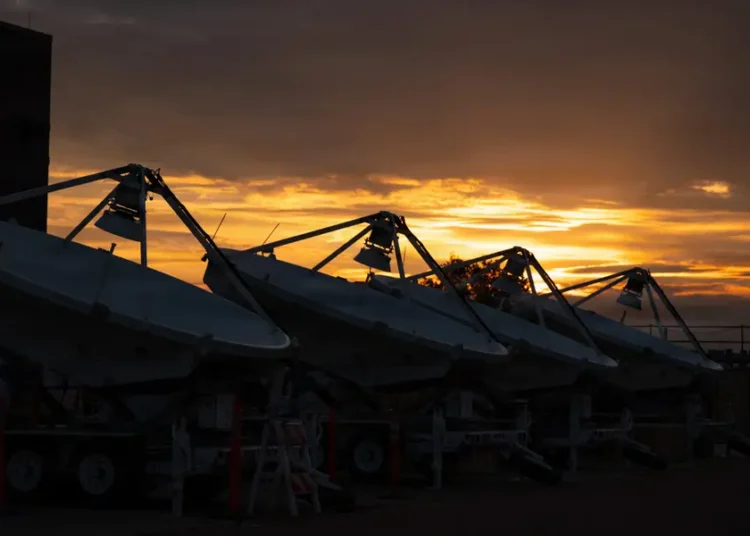
America’s data center boom is pushing tech companies into unexpected territory: aircraft boneyards. Several companies are stripping the engines from old jets and converting them into electrical generators. And data centers, desperate for power, are snapping them up. It’s a fast workaround that delivers instant electricity, but it also produces more pollution than conventional gas-burning generators. Environmentalists call it a step backward. — Hiroko Tabuchi Read more.
More climate news from around the web:
-
Yale Climate Connections looks back at Mitch McConnell’s climate legacy: A history of blocking efforts to address the problem.
-
From Grist: Two reports reveal how federal cuts have stripped hundreds of millions of dollars from Indigenous communities, jeopardizing renewable energy projects and climate resilience efforts.
-
CNN reports on high-tech efforts to restore “climate hero” mangroves.
Read past editions of the newsletter here.
If you’re enjoying what you’re reading, please consider recommending it to others. They can sign up here.
Follow The New York Times on Instagram, Threads, Facebook and TikTok at @nytimes.
Reach us at [email protected]. We read every message, and reply to many!
The post The Election Day Edition appeared first on New York Times.