Joseph Hajjar and his wife had spent years living in big cities, where they enjoyed the fast-paced lifestyle and endless options for things to do. So when they decided to settle in the suburbs and raise their two young daughters, they had a few non-negotiables.
“We had a spreadsheet going, and the towns that checked a lot of boxes were the ones with walkability and a good restaurant scene,” Hajjar, 40, told Business Insider. “We were also looking for a strong sense of community.”
They ultimately chose Summit, New Jersey, a small commuter suburb about 22 miles from New York City. They paid $1.4 million for a roughly 3,500-square-foot home — far larger than their two-bedroom condo in Jersey City. It even came with an upstairs attic they use to host guests, a yard, and a garden, features they could only have dreamed of having in the city.
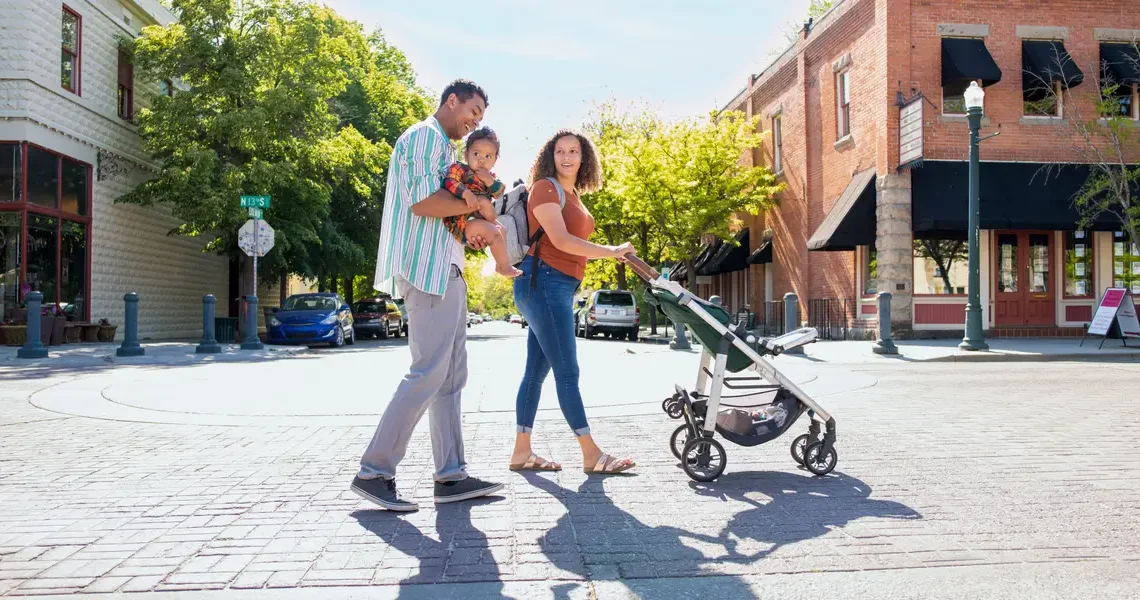
Sure, they’re paying more than when they were living in the city. But one of the home’s biggest perks is its proximity to Summit’s historic downtown, where the family can walk to shops, cafés, and restaurants. It is also close to the train station, where Hajjar’s wife catches the New Jersey Transit to work in New York City.
“We only wanted to do this once, versus buying a starter home,” Hajjar said. “Summit has a lot of great stuff. There’s a really good YMCA right downtown, so I can walk to the gym. My wife and I can have a date night and walk into town.”
For decades, people looking for a home have faced a choice between two distinct lifestyles: either large, walkable cities rich in “third places,” gathering places outside the home and workplace, like cafés and parks; or the more self-contained, car-dependent suburbs.
As Americans place greater value on connection and convenience, home buyers like the Hajjars are asking more of their neighborhoods — and, in turn, homebuilders are reimagining suburbia.
People want to live in walkable neighborhoods with things to do
NAR’s 2026 Community and Transportation Preference Survey polled 2,000 adults in the nation’s 50 largest metro areas and found that 63% of respondents would pay more to live within walking distance of parks, shops, and restaurants. When given the choice between a larger lot that required more driving and a smaller lot in a walkable neighborhood, 59% chose the walkable option.
Patrick Southern, a luxury real estate agent with Serhant in New Jersey, told Business Insider that neighborhood amenities have become an important deciding factor for many buyers, particularly “millennials and Gen Zers in their mid to late 20s.”
“They grew up in the suburbs, where if they had to go somewhere, they got thrown in the back of a station wagon and driven there,” Southern said. “But after college, once they’ve lived in big cities, they experience a quality of life they don’t want to give up. We’re seeing that translate to young buyers in the suburbs, and developers are taking that into account in their planning.”
Suburbia is getting a rebrand
Not every buyer can find a suitable home in an established, walkable downtown like Summit’s. Some developers are instead trying to build a sense of community into newer, master-planned developments.
Unlike traditional communities, which are often built piece by piece, master-planned communities are designed as a whole from the start. They can function like mini-cities, with schools, restaurants, and amenities within their boundaries. While there is no definitive national count, Texas and Florida accounted for a majority of the master-planned developments in John Burns Research and Consulting’s 2025 Top 50 ranking.

At Sienna, a 10,800-acre master-planned community in the Houston suburb of Missouri City, Texas, homeowners can choose from townhomes, apartments, and traditional single-family homes priced from $250,000 to more than $1 million.
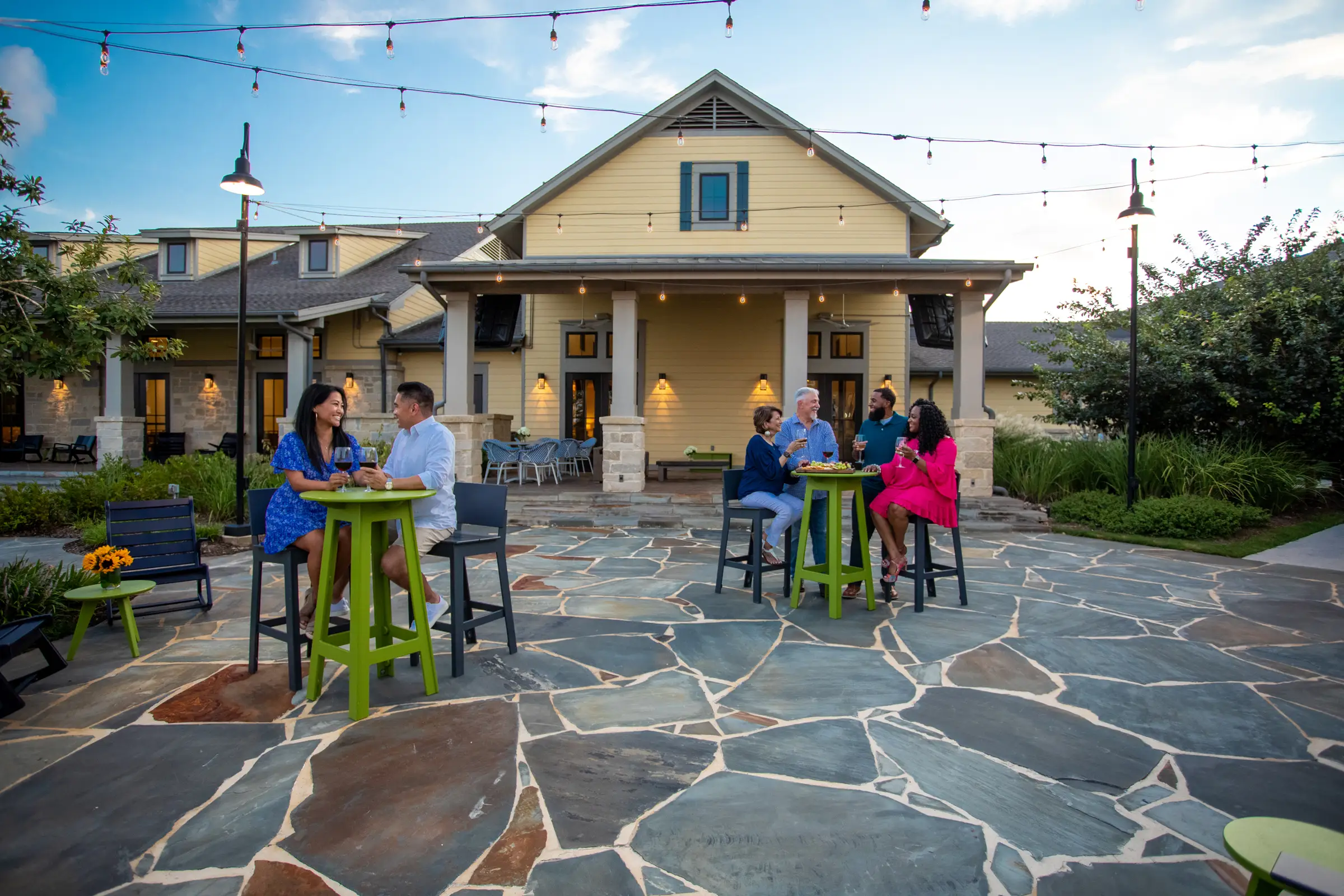
Beyond their homes, residents also have access to an array of third places spread across three amenity complexes: one with a social bar, fitness center, ballroom, fire pit, playground, splash pad, and pool; another with a pavilion and beach club; and a third with a “tween hangout” featuring study space, board and video games, and a pool table. There is also an on-site restaurant and a lakeside amphitheater.
“Today’s homebuyers are looking for more than just a home; they’re looking for a lifestyle,” Alvin San Miguel, Sienna’s vice president and general manager, told Business Insider. “Homebuyers have more choices than ever, and amenities help create the sense of place that sets a community apart.”
Walkability comes at a price
There’s just one problem: walkable communities rich in third places sometimes require buyers to be, well, rich.
Jeff Speck, an urban planner and partner at Speck Dempsey, an urban design and consultancy firm, told Business Insider that neighborhoods with these features have become “overvalued and often prohibitively expensive for most people.”
A 2020 Redfin analysis of nearly 1 million home sales across 16 US metro areas and two Canadian cities found that homes in walkable areas sold for 23.5% more, or $77,668 on average, than comparable homes in car-dependent areas. The report defined walkable areas as those with a walk score of 50 or higher — a measure of how easily residents can complete daily errands on foot.

“People pay more for walkable, amenity-rich neighborhoods because they save time and make everyday life easier, and there are only so many homes in those places,” Redfin Chief Economist Daryl Fairweather told Business Insider.
“Plus, many people value the community feel that comes with spots where neighbors run into each other,” she added.
Homebuyers recognize that walkability often comes at a price. In NAR’s 2026 Community and Transportation Preference Survey, 67% of respondents said homes or apartments in walkable neighborhoods were more expensive than those in car-dependent areas; 31% said they were much more expensive.
“People’s longing for third places has reached a breaking point,” Speck said. “This is not good news overall, but at least it has helped convince smart real estate developers to build mixed-use neighborhoods again.”
Read the original article on Business Insider
The post The suburbs were an escape from city life. Now, millennials want them to become more like cities. appeared first on Business Insider.