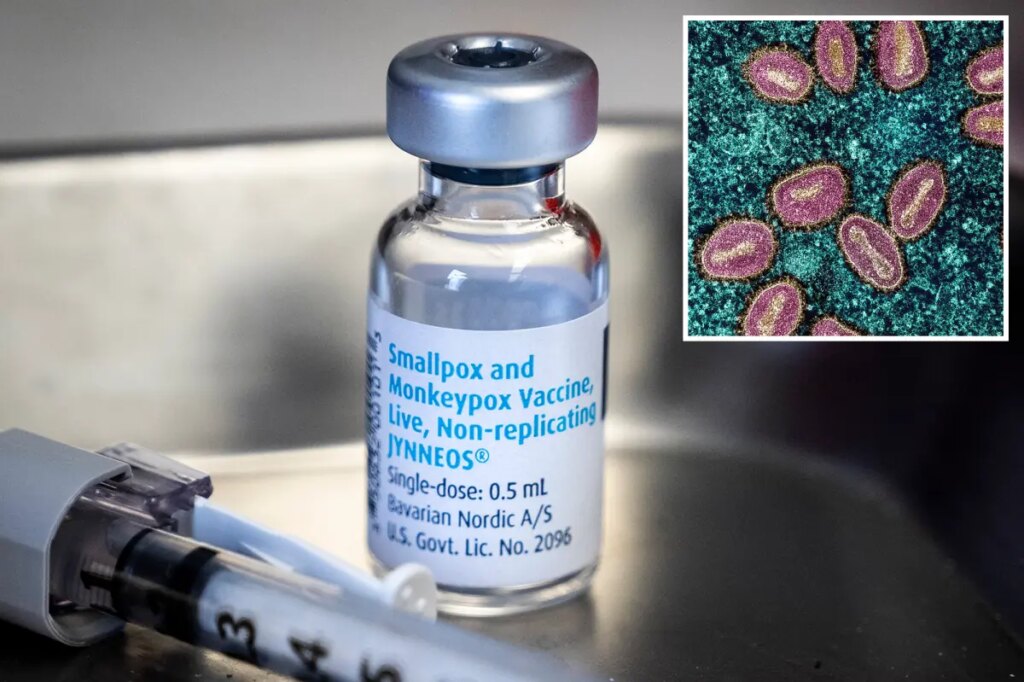
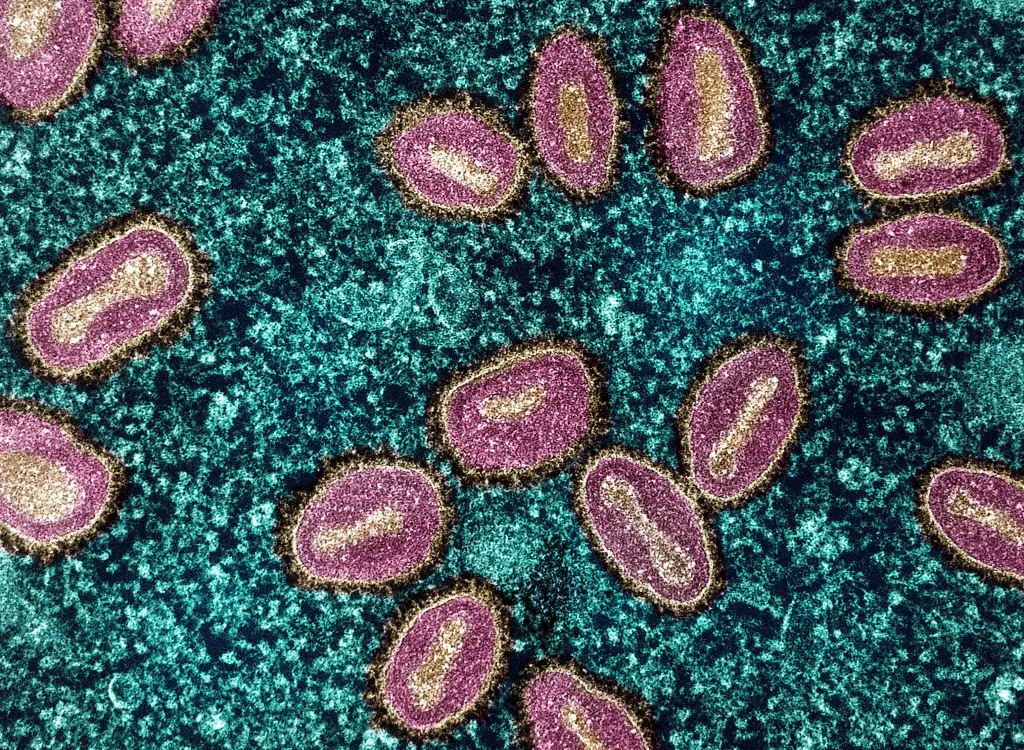
A potentially dangerous strain of mpox has surfaced in California’s Central Valley, with health officials investigating whether the virus is spreading within the US.
Four recent cases of Clade I mpox have been reported in Stanislaus County, raising fresh concerns about possible community transmission of a strain historically associated with international travel.
The California Department of Public Health has confirmed two infections as Clade I, while additional testing is underway to determine whether the remaining two cases involve the same strain, according to Stanislaus County health officials.
Three of the infected individuals reported no recent international travel, while investigators are still examining the travel history of the fourth patient.
The troubling discovery comes as health authorities investigate a possible shift in how the virus is spreading across the country.
Until recently, Clade I mpox infections in the US were largely associated with people who had traveled internationally. But since August 2026, health officials have identified an increasing number of cases involving patients with no recent overseas travel.
That pattern suggests the virus may now be circulating within US communities, although officials have not established how the individuals in Stanislaus County contracted the infection.
Still, Dr. Thea Papasozomenos, Stanislaus County’s public health officer, stressed that the threat to the broader public remains small.
“While we have identified four cases in our county, we want residents to know that the risk to the general public remains low,” Papasozomenos said. “Being aware of the symptoms, getting vaccinated if at risk of exposure to mpox, and seeking medical care when needed are important ways to protect yourself and prevent the spread of mpox.”
Mpox, formerly known as monkeypox, is a viral infection that can cause painful, blister-like sores and a range of flu-like symptoms, including fever, chills, swollen lymph nodes, headaches and muscle aches.
Download The California Post App, follow us on social, and subscribe to our newsletters
California Post News: Facebook, Instagram, TikTok, X, YouTube, WhatsApp, LinkedIn California Post Sports Facebook, Instagram, TikTok, YouTube, X California Post Opinion California Post Newsletters: Sign up here! California Post App: Download here! Home delivery: Sign up here!Page Six Hollywood: Sign up here!
Some patients develop only a handful of lesions without experiencing other symptoms, making infections potentially harder to recognize.
Symptoms can emerge up to 21 days after exposure, and most infected people recover within two to four weeks. However, the disease can sometimes cause serious complications.
There are two major types of the virus, Clade I and Clade II, both of which spread through similar forms of close contact.
The virus is primarily transmitted through direct skin-to-skin contact, including intimate or sexual contact, as well as exposure to infected sores or bodily fluids.
People can also become infected by sharing contaminated clothing, towels or bedding.
However, officials emphasized that the mpox virus does not spread easily through everyday encounters, such as passing someone at a grocery store or sharing an office.
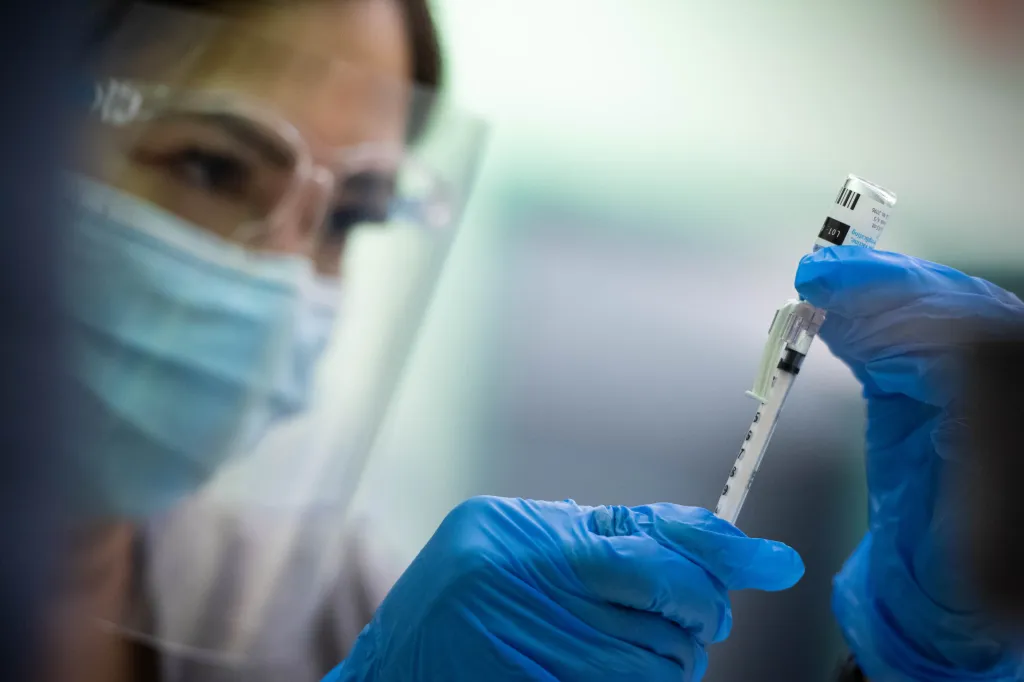
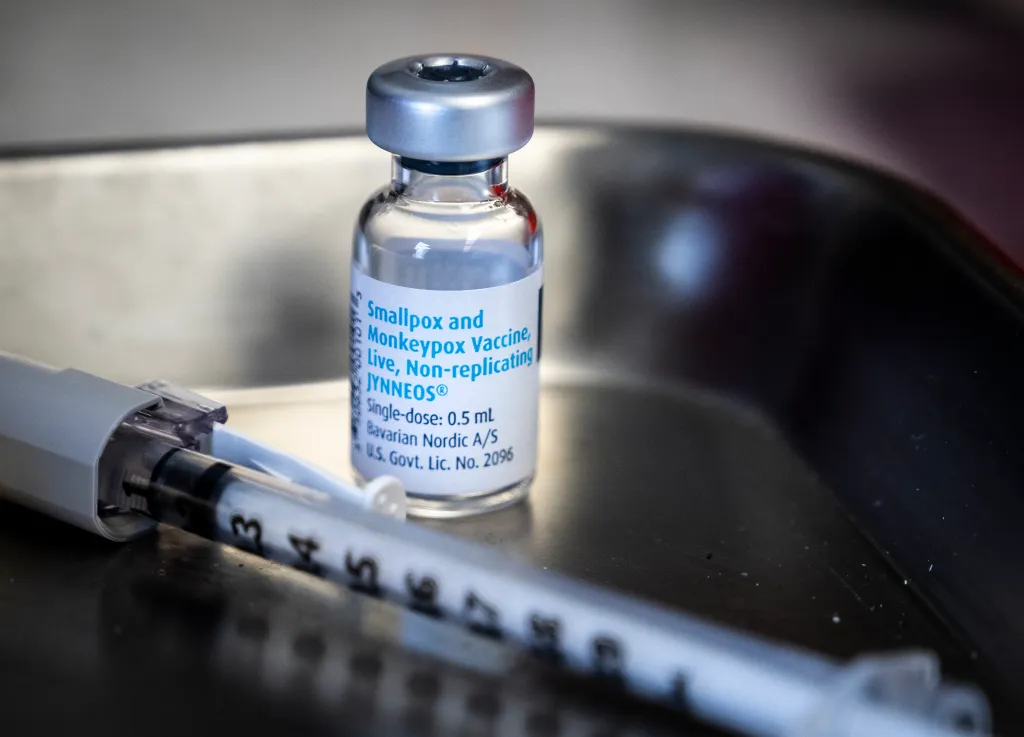
Health authorities are urging residents at increased risk of exposure to get vaccinated with JYNNEOS, a two-dose vaccine administered approximately four weeks apart.
Those who have already received their first shot are being encouraged to complete the series for better protection.
Anyone who develops unexplained sores or a suspicious rash should contact a healthcare provider about testing, which typically involves swabbing an affected lesion.
People who suspect they have mpox should avoid close physical contact and sharing personal belongings until they receive medical guidance.
Stanislaus County health officials are currently working alongside the California Department of Public Health and healthcare providers to track the infections and prevent additional cases.
The post Mpox outbreak hits California county as health officials probe US spread appeared first on New York Post.