The Trump administration has ramped up efforts to identify scammers who have posed as college students to steal tens of millions in federal student loan and grant dollars over the past five years.
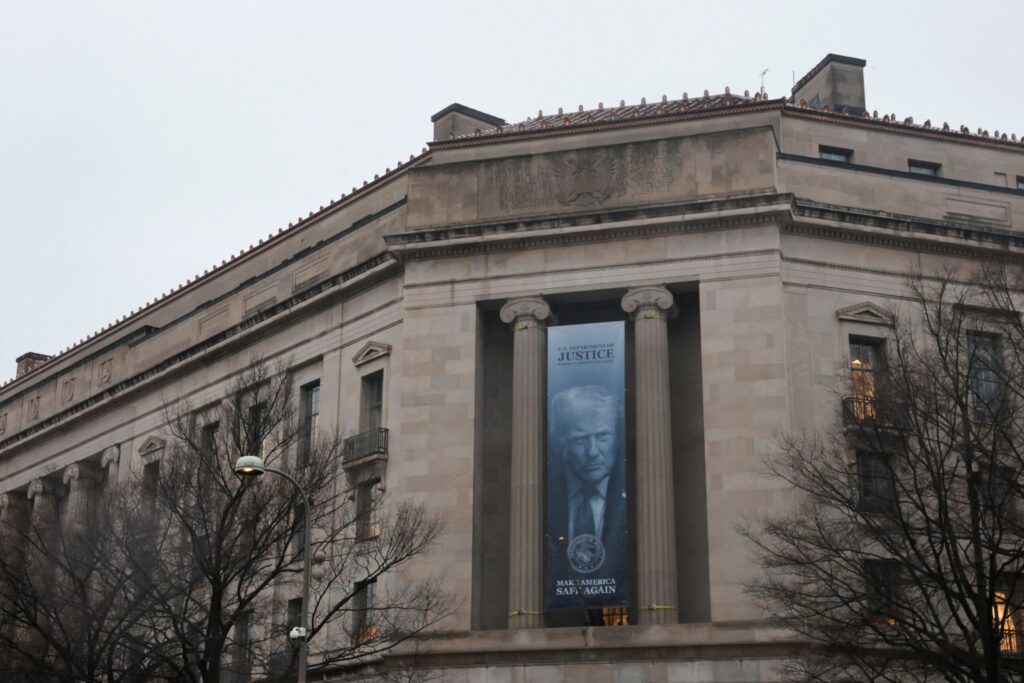
On Thursday, the Justice Department indicted five Kenyan nationals on charges they illegally collected $2 million in federal student aid. They allegedly stole the identities of U.S. citizens, enrolled in colleges and applied for federal student loans and grants, authorities said. After the colleges received a portion of the loans intended for tuition and fees, the balance went directly to the accused, who then distributed the money to a network of associates in Kenya, according to the department.
The charges are part of a broader effort to crack down on so-called ghost students — fraudsters who use stolen identities to enroll in online classes, apply for federal financial aid and then disappear once they get the money. The scam robs the federal government and leaves the victims of identity theft on the hook for debt fraudulently taken out in their names.
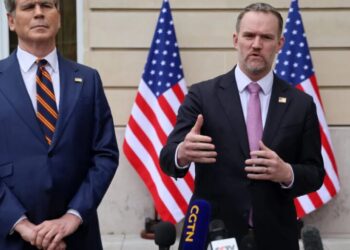
“These are not isolated errors. This is organized fraud at scale,” Colin M. McDonald, assistant attorney general of the Justice Department’s National Fraud Enforcement Division, said at a news conference Thursday. “Investigators believe this fraud has been ongoing since at least 2021, potentially reaching several hundred million dollars lost.”
The Justice Department is working alongside the Education Department and the FBI to root out financial aid fraud. Authorities have opened 45 cases involving ghost students across 26 FBI field offices, Heith Janke, assistant director of the FBI criminal division, told reporters. The probes have so far identified more than 830,000 fraudulent federal student aid accounts that scammers created using stolen identities. Those accounts were connected to the loss of at least $32 million in student aid, but Janke said the FBI believes the actual losses are substantially higher.
Undersecretary of Education Nicholas Kent blamed the Biden administration for lax verification policies that ushered in a rise in financial aid scams.
The previous administration relaxed some verification requirements during the coronavirus pandemic, requiring fewer college students from low-income households to provide additional proof that the information on their financial aid applications was accurate. The Biden administration said it would focus on ferreting out identity theft and fraud, but Kent disputes that claim.
Kent said the Trump administration revived fraud detection efforts and introduced new measures to verify the identities of people applying for financial aid. In June 2025, the Education Department began requiring students to show colleges a government-issued ID to prove their identity.
The move has been met with a mix of reactions from the higher education community. Some financial aid officers worry that people are still slipping through the cracks, while others say too many people are being inappropriately flagged, said Jill Desjean, director of policy analysis at the National Association of Student Financial Aid Administrators (NASFAA).
“It remains to be seen how much these efforts are really targeting the right people and how much they could prevent things like what we just heard about with this big investigation,” Desjean said.
She said financial aid fraud has been a growing problem for the last several years. Colleges have complained of being inundated with scammers posing as students and enrolling to steal aid.
Community colleges are often targeted by scammers because their low tuition means larger amounts of loan and grant dollars go to students after the schools take their cut, officials said.
The post Trump administration moves to stop ‘ghost students’ from stealing financial aid appeared first on Washington Post.