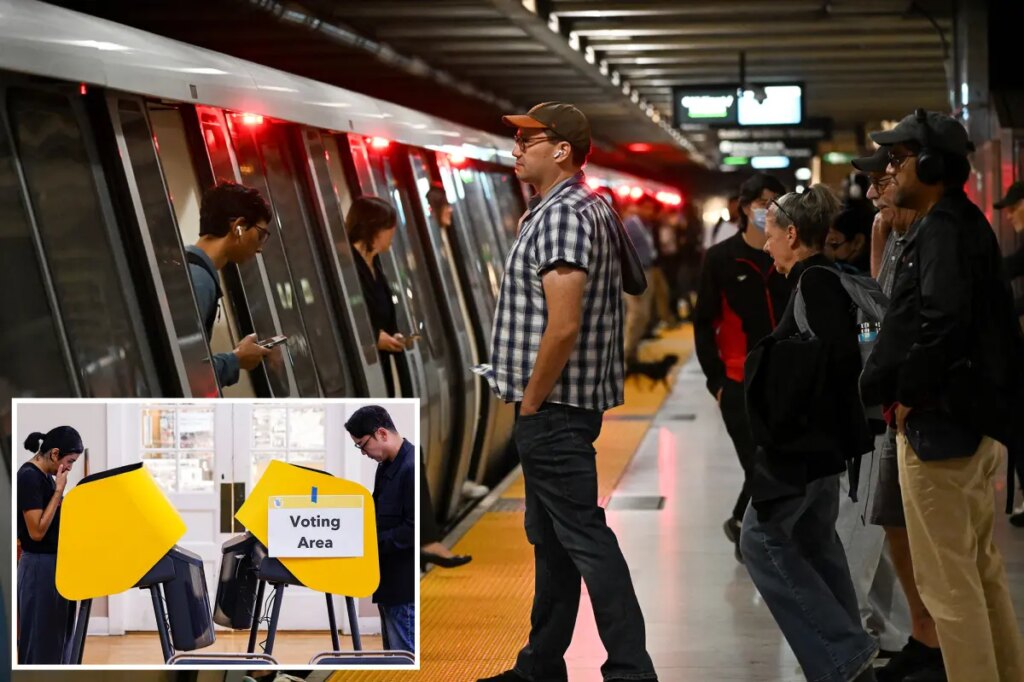
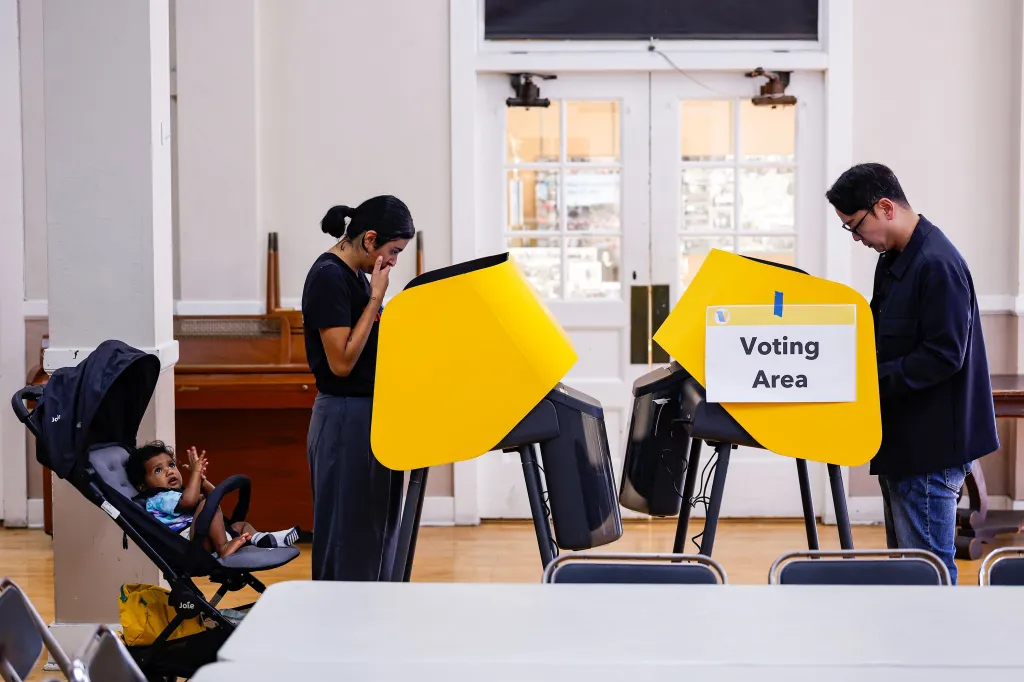
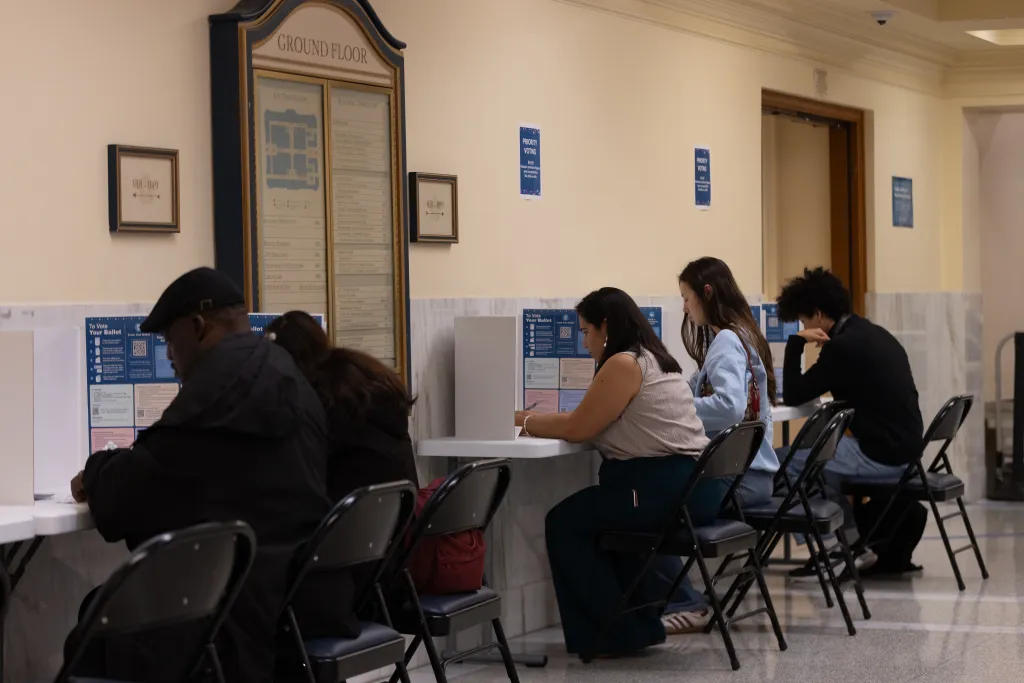
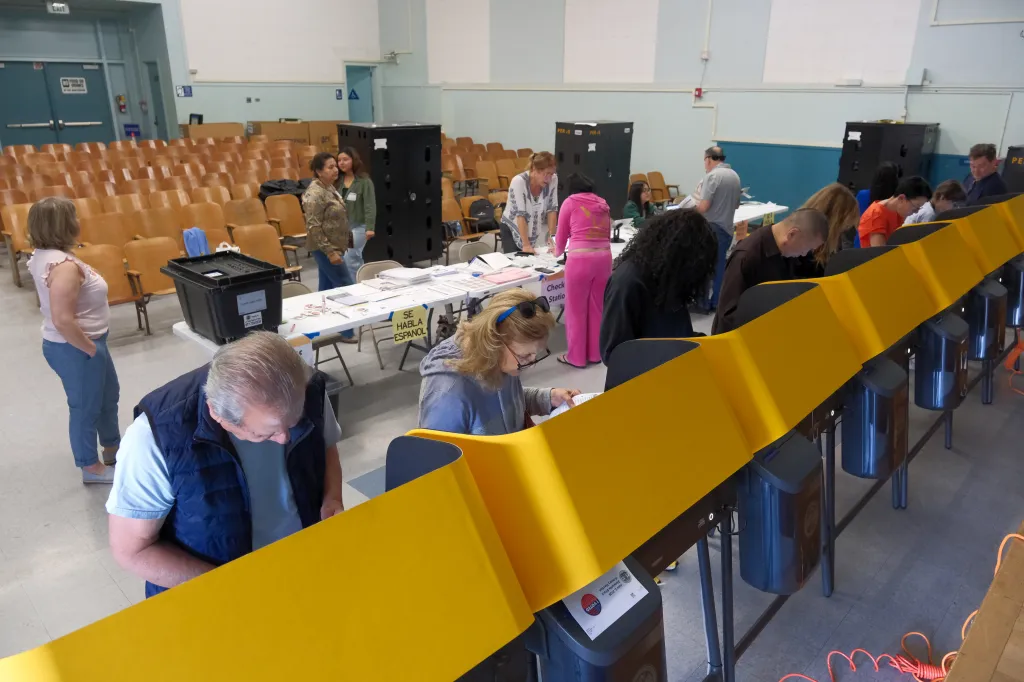
San Francisco Bay Area voters are being asked to subsidize a failing public transportation system with two ballot measures on Nov. 3.
One of them, Proposition H, would create a special property tax, or parcel tax, in San Francisco to raise funds for the local light rail train, the Muni.
The other, Proposition RTM, would ask voters raise sales taxes by 1% in San Francisco, and by 0.5% in surrounding counties, to shore up the Bay Area Rapid Transit (BART) rail system.
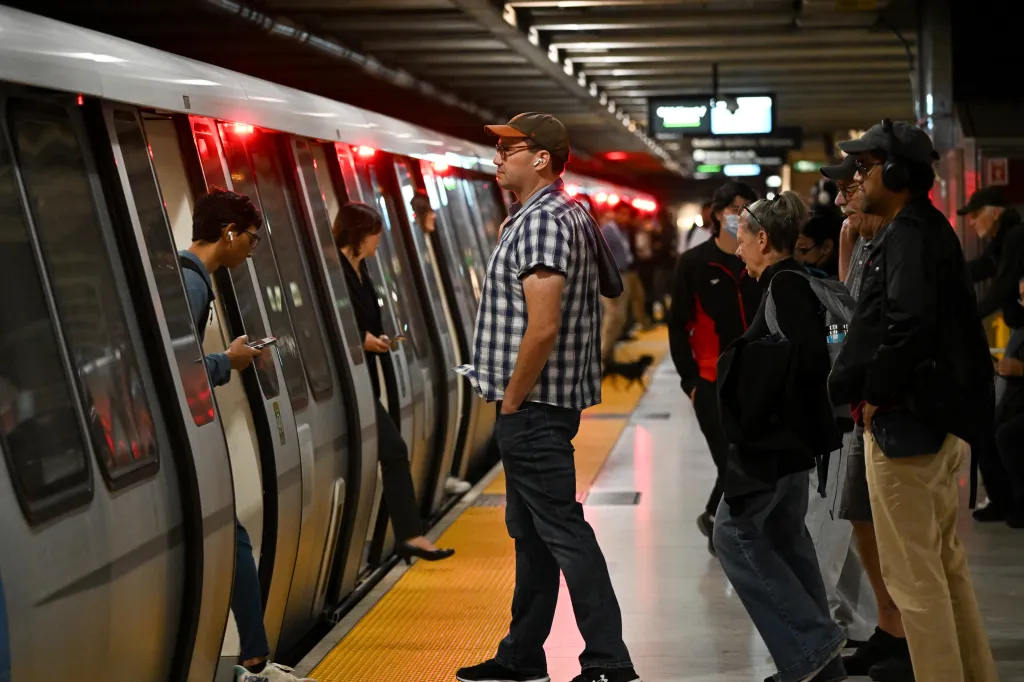
Otherwise, proponents warn, public transportation in the Bay Area faces a financial earthquake.
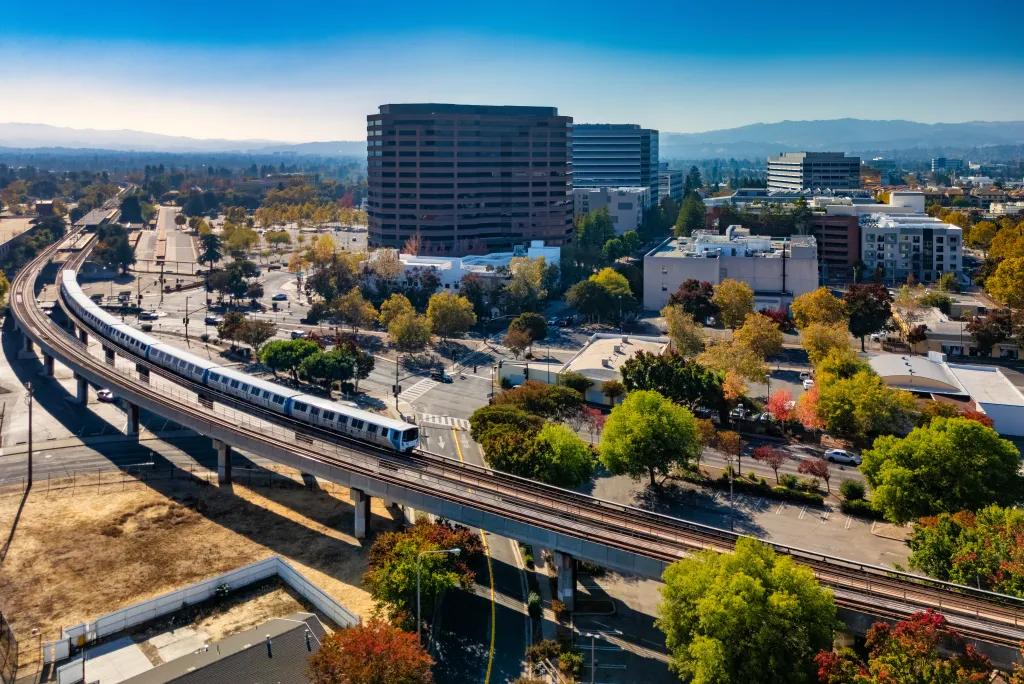
The epicenter of this earthquake would be BART, which faces a structural deficit of roughly $400 million. while Muni and other Bay Area transit agencies face their own budget pressures.
The conventional response is familiar: raise taxes or the trains and buses will close — and drivers will suffer more traffic.
Download The California Post App, follow us on social, and subscribe to our newsletters
California Post News: Facebook, Instagram, TikTok, X, YouTube, WhatsApp, LinkedIn California Post Sports Facebook, Instagram, TikTok, YouTube, X California Post Opinion California Post Newsletters: Sign up here! California Post App: Download here! Home delivery: Sign up here!Page Six Hollywood: Sign up here!
But the deeper problem is that Bay Area transit was built and financed around a commuting pattern that no longer exists.
It is also managed by a bureaucracy that has struggled to adapt to the new realities of commuting, post-pandemic.
Rather than asking taxpayers to subsidize yesterday’s demand, policymakers should rethink how transit is funded and operated.
After COVID-19, many people changed how they commute. Working from home has reduced the number of daily commuters traveling into San Francisco and other Bay Area employment centers.
The share of area commuters working from home rose from 7% in 2019 to 17% in 2024. Over the same period, transit’s share of commuting fell from 13% to 8%.
Population patterns have changed as well. The nine-county Bay Area lost approximately 109,000 residents between 2020 and 2025.
The consequences are clear.
Before COVID-19, BART’s fares, parking revenues, and advertising proceeds covered about 71% of operating expenses. By fiscal year 2025, they covered only about 30%.
BART ridership remains less than half its pre-pandemic level, while other major Bay Area operators have experienced similar declines.
In the private sector, losing roughly half your customers would normally trigger a fundamental reassessment of the business model. A company would be expected to cut costs, restructure operations, reduce excess capacity and, in extreme circumstances, sell assets.
What happens when an organization in trouble faces no market discipline?
Unlike private firms, bureaucracies operate under entirely different incentives.
Employees, unions, managers, and other organized interests will protect existing budgets, staffing, and salaries. The status quo will tend to be preserved even when circumstances change.
BART’s response to severe demand shocks is a textbook example of bureaucracy’s bad behavior. Despite collapsing ridership from 2019 to 2025, full-time staffing remained steady at over 4,600, while employee wages and benefits grew by nearly 40%, faster than the 26% increase in prices over the same period.
But why should higher taxes be the default solution to a transportation market that has fundamentally changed?
Policymakers should seek solutions that protect taxpayers instead of squeezing them.
The answer is to privatize parts of the transit network. As OECD research finds, contracting out public services can lower costs and improve the quality of service, if done right.
San Francisco could adopt the private models used by commercially operated networks like Hong Kong’s MTR and Tokyo Metro, rather than perpetual taxes and subsidies.
After years of declining ridership and changing commuting patterns, BART should not get another bailout. The free ride should end.
Instead of asking taxpayers to pay more for yesterday’s transit model, policymakers should push for competition, accountability, and a system built for how the Bay Area travels today.
Daniel Sanchez-Pinol is a research fellow and director of research reports at the Independent Institute, Oakland, Calif.
The post BART wants taxpayers to give it a free ride — but management is the real problem appeared first on New York Post.