The Los Angeles Unified School District is staring at financial collapse. Its elected school board approved massive union contracts it couldnât afford.
Reports of physical bullying have more than doubled. And following the tragic death of a 17-year-old student, parents are demanding that police return to school campuses.
The boardâs response? More cuts to school police.
In the summer of 2020, Black Lives Matter and other activists demanded that government agencies defund the police. LAUSDâs board obliged.
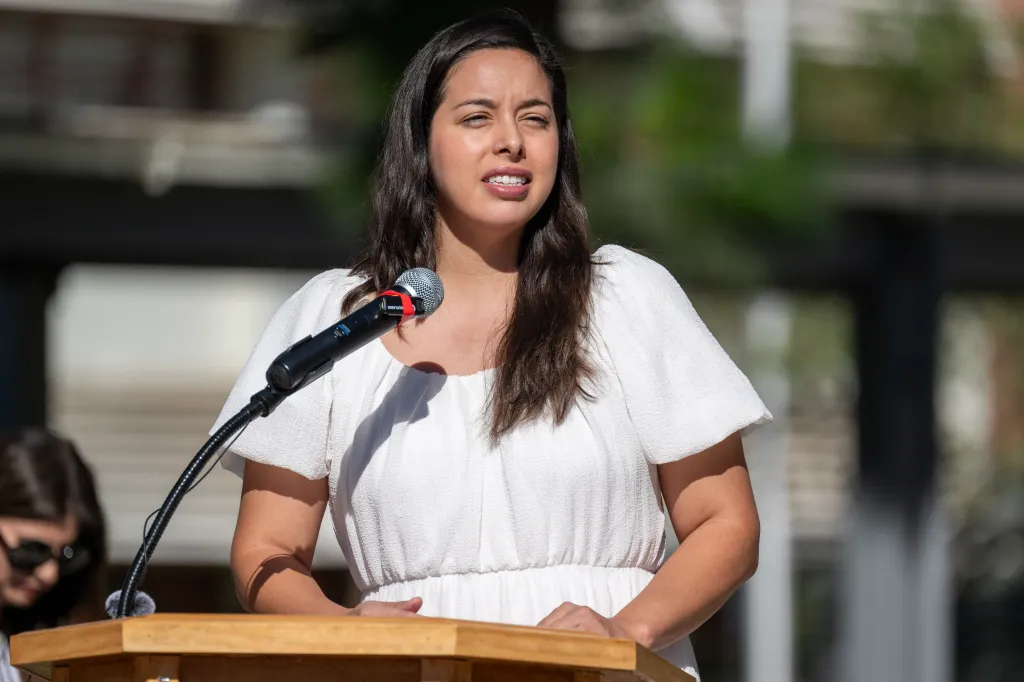
On June 30, Kelly Gonez joined three other board members in voting to slash $25 million from school police. The original vote was 4-3. George McKenna, Scott Schmerelson and Richard Vladovic opposed the cuts. Seven months later, the board approved eliminating 133 positions, including 70 sworn officers, and directing that money into a $36.5 million Black Student Achievement Plan.
The plan included counselors, social workers and something LAUSD called âclimate coaches,â tasked with addressing student behavior, conflict resolution and racial disparities in discipline.
Download The California Post App, follow us on social, and subscribe to our newsletters
California Post News: Facebook, Instagram, TikTok, X, YouTube, WhatsApp, LinkedIn California Post Sports Facebook, Instagram, TikTok, YouTube, X California Post Opinion California Post Newsletters: Sign up here! California Post App: Download here! Home delivery: Sign up here!Page Six Hollywood: Sign up here!
Gonez defended the investment in the name of âequity.â She also successfully amended the policy to prevent individual schools from requesting permanently stationed police officers.
School police supervisors warned that the cuts would compromise student safety and expose the district to potential liability. The board was warned about the risks before it made the cuts. It chose to proceed anyway, replacing permanently stationed officers with a system in which police patrol groups of schools.
On Sept. 30, Franklin High School senior Xavier Nungaray-Martinez, 17, fell to his death from a fourth-floor balcony after another student struck him during a classroom confrontation.
The medical examiner ruled his death a suicide. His family disputes that finding and believes bullying contributed. Police have not established that connection.
His family wants better security and campus police restored. The districtâs own numbers give parents plenty of reason to worry.
Students reporting physical bullying jumped from 6% to 15% in one year. Overall, 17% reported being bullied. Those numbers should have the school boardâs attention.
With LAUSD facing a financial crisis, Gonez introduced a budget amendment restoring $50 million in planned reductions to the same Black Student Achievement Plan. Her alternative savings included another $3.5 million in school police cuts this year and $7 million next year. The amendment passed unanimously.
Weâll see what happens as those cuts are implemented. But it wonât be good.
Gonez proposed those cuts months before Xavierâs death.
Meanwhile, LAUSDâs finances are approaching a breaking point.
Californiaâs Fiscal Crisis and Management Assistance Team concludedthis month that LAUSD faces a high risk of insolvency. Enrollment has plummeted while staffing and compensation costs have increased.
Yet in June, all seven board members approved labor agreements adding approximately $1.13 billion in costs for 2026-27, rising to $1.44 billion the following year. County officials faulted the districtâs handling of those agreements and projected a $231 million cash shortfall in November 2027.
This was no ordinary disagreement over budget priorities. The countyâs criticism went directly to the districtâs handling of collective bargaining, even as the board looked to school police for additional savings.
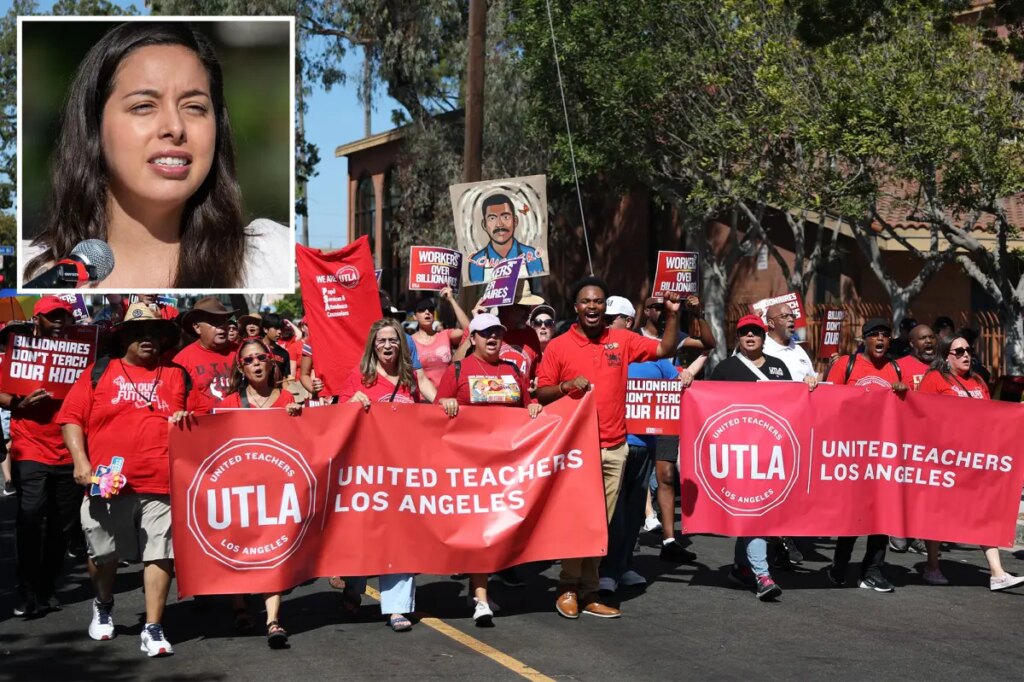
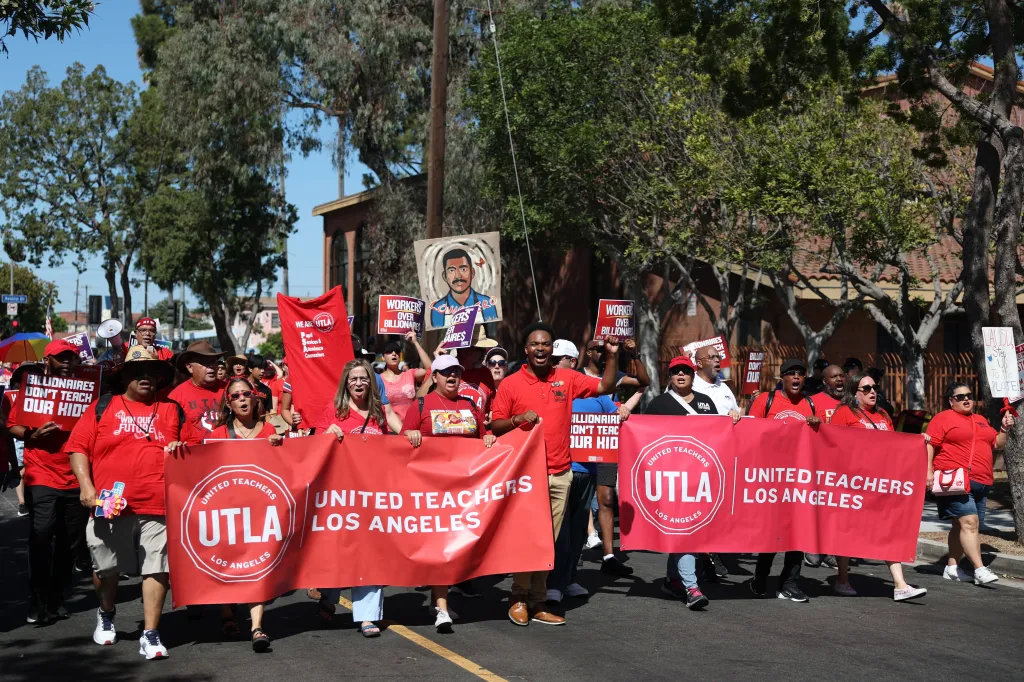
Public employee unions wield enormous influence over LAUSD elections. United Teachers Los Angeles spent roughly $2.4 million each supporting Scott Schmerelson and Karla Griego, and nearly $890,000 backing RocÃo Rivas. Those same board members vote on contracts with the unions that spent millions helping elect them.
School police, meanwhile, are represented separately.
The board approved expensive labor agreements while identifying school police as another place to cut.
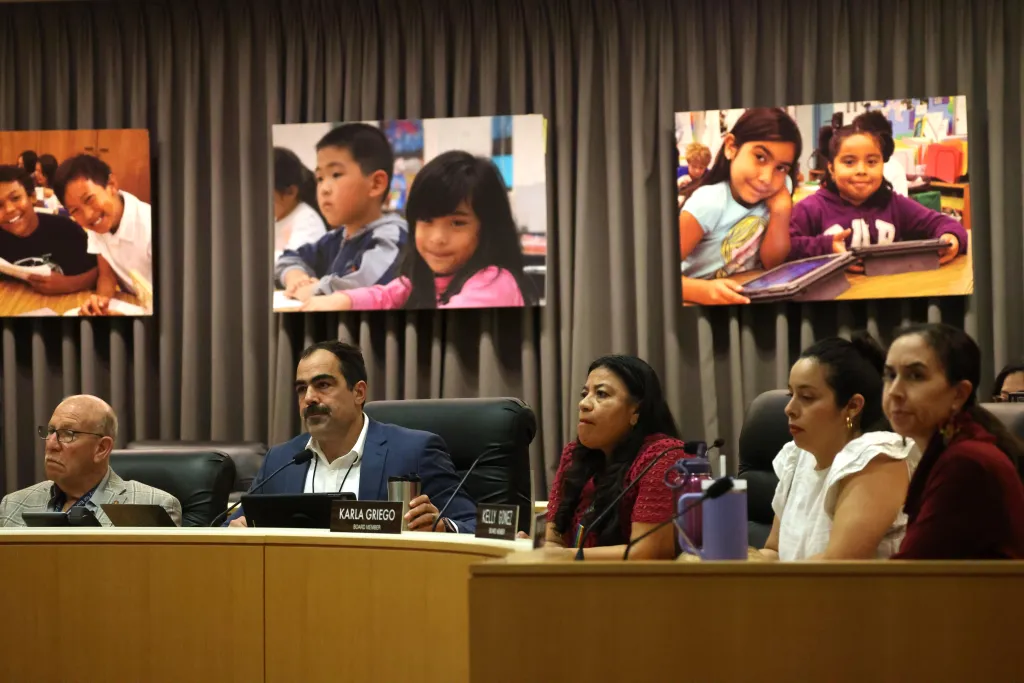
LAUSD now faces possible outside financial intervention, with more than 6,000 positions potentially on the chopping block. The county conditionally approved its budget, and state fiscal experts warn that time is running out.
Yet more school police cuts remain part of the boardâs financial strategy.
Parents deserve evidence that the districtâs approach protects their children. That means examining response times, campus violence, the effectiveness of alternative safety programs and the consequences of removing permanently stationed officers.
School board members can debate budgets, defend their political priorities and congratulate themselves on what they call âequity.â But parents send their children to school expecting them to be safe, not to become casualties of somebody elseâs political agenda.
The real victims of LAUSDâs failures arenât the politicians facing uncomfortable questions or the unions fighting over district dollars. Theyâre the children who have no say in these decisions but must live with their consequences.
Jon Fleischman, a longtime strategist in California politics, writes at SoDoesItMatter.com
The post LAUSD’s insane priorities: Lavish union deals, fewer school cops and bullies running wild appeared first on New York Post.