
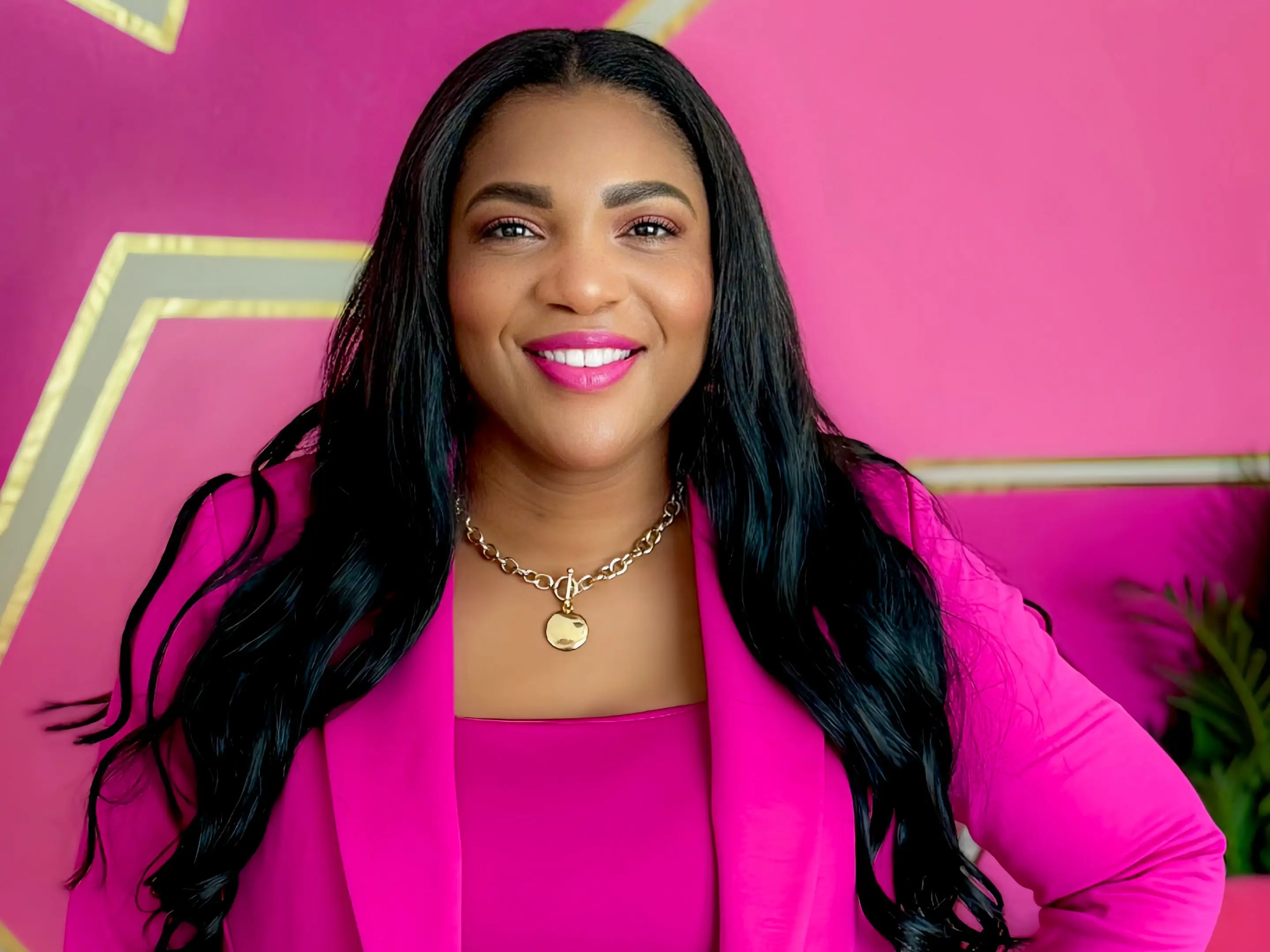
It’s been 19 years since I was diagnosed with peritoneal mesothelioma, and some nights I still wake up at 3 a.m. Not because something is wrong. Not because I’m back in treatment. Not because there’s a symptom that is screaming for attention. Just wide-eyed in the dark.
I start doing what I trained myself to do all those years ago: scanning, taking inventory, checking for anything that feels even slightly off. Sometimes, before I fall back asleep, I’ve already Googled it. The symptom. The ache. The random thought that popped into my head.
I sometimes even nudge my husband awake and talk it through in the dark. He’ll gently say, “Don’t Google it. Go to sleep. You’re good, babe.”
Intellectually, I believe him. But physiologically, I am still alert.
My scans have been clear for years, but I still worry
This is what surviving cancer can look like. And one thing I’ve learned is that high functioning doesn’t mean unaffected.
During doctor visits, I say I’m doing well. And in many ways, I am. I work. I lead. I parent. I function at a high level. My scans have been clear for years. But high-functioning does not always mean regulated, and that distinction matters in cancer survivorship because being declared clear does not automatically mean your body feels safe.
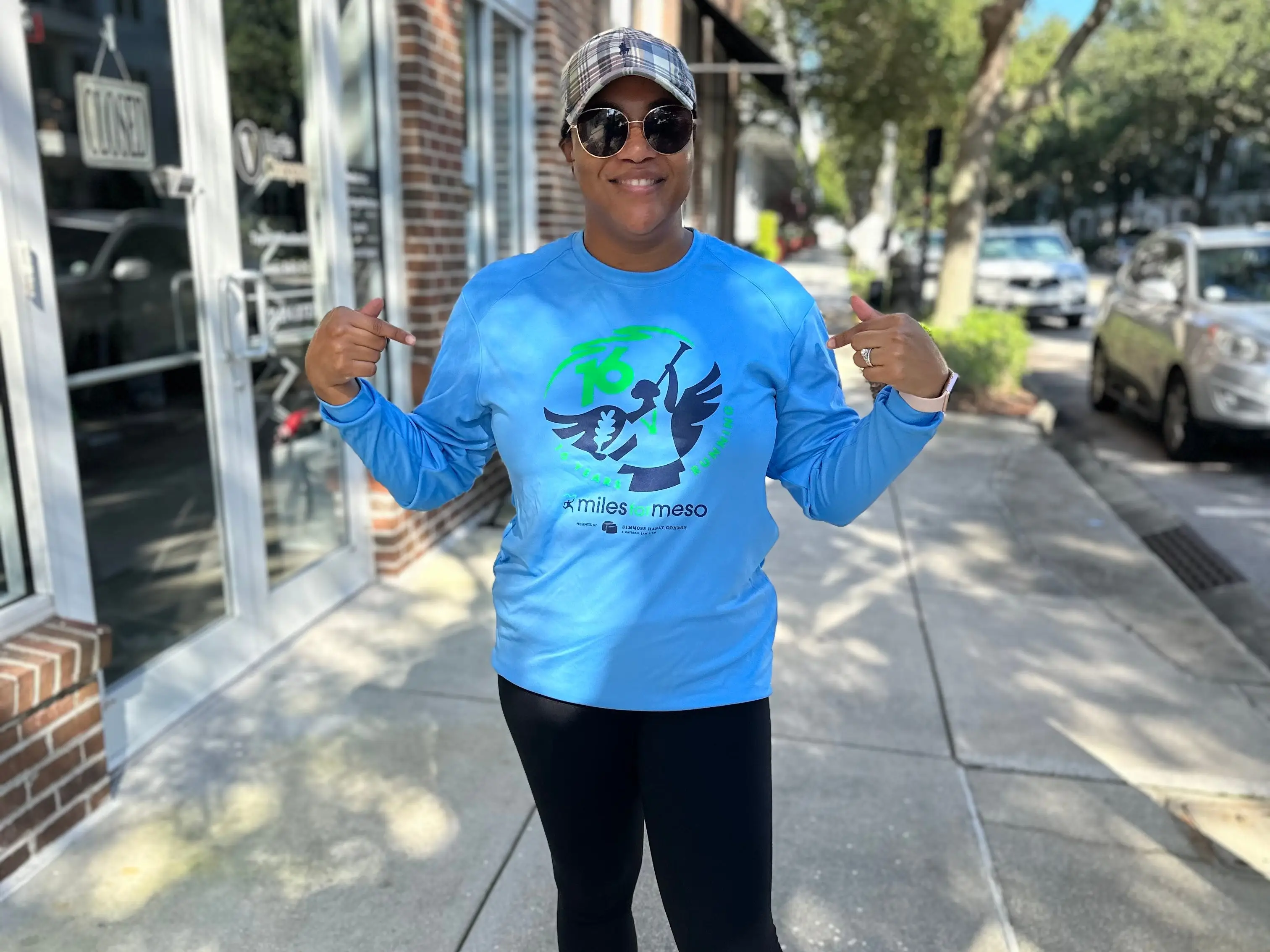
There were seasons when I was convinced something was wrong with my heart. Or my lungs. A tightness in my chest. A shallow breath. A sensation I couldn’t quite name but could not ignore. My body would tense before my mind even caught up. I knew what it felt like to almost lose my life once. So my nervous system stayed on alert, just in case.
And yet I built a full life after treatment. I went back to work. I raised my children. I stepped into leadership. I advocated. I thrived in ways I once wasn’t sure would be possible.
Outside, I looked steady. Capable. Strong.
Internally, it can look entirely different, chronic hypervigilance running quietly beneath the surface, sleep disrupted by racing thoughts about recurrence, a persistent need for control, repeated symptom research, quiet bracing before every scan. Because I was functioning, the anxiety wasn’t obvious. Not to others. And sometimes not even for me.
It hid inside productivity. It dressed itself up as responsibility. It sounded like preparation and diligence. It looked like staying informed, staying ready, staying ahead.
For a long time, I called it strength. It took years to realize that some of what I was carrying wasn’t just resilience. It was vigilance that had never fully powered down.
I would replay doctor’s visits while driving
I noticed it most while driving alone. My thoughts would replay doctor visits in detail, analyzing tone, pauses, and phrasing. Did I ask the right questions? Did they miss something? Should I follow up sooner? The appointment might have gone well. The scans might have been clear. But my brain continued processing as if there were still a threat to solve.
Over time, I came to understand this differently. It wasn’t fragility. It was conditioning. During treatment, attention to detail mattered. Vigilance mattered. Survival required it. My mind simply had not fully turned off that system. To be honest, it’s still working on it.
I have 19 years of perspective
I noticed that in cancer survivorship care, emotional screenings often prioritize depression or acute distress. High-functioning anxiety often falls below those thresholds. A survivor who reports returning to work and managing responsibilities may not appear at risk. She may hesitate to show fear because she believes she should be past this by now. She may minimize symptoms to avoid appearing ungrateful.

Gratitude and anxiety often coexist. Composure can mask dysregulation. “I’m fine” can mean I’m functioning, and not necessarily that I feel safe.
When high-functioning anxiety stays unacknowledged, the effects accumulate quietly. And the hardest one to explain is an emotional fatigue that has no obvious source.
It doesn’t look like exhaustion. It looks like getting through a full, productive day, working, leading, showing up for everyone who needs me, and feeling completely depleted by early evening with nothing specific to blame it on. It looks like sitting in a meeting, fully present and contributing, while another part of me is quietly managing an undercurrent that has nothing to do with what’s being discussed. It looks like needing more alone time than I used to, not because anything went wrong, but because holding it all together in the foreground takes more out of me than anyone can see.
Some days it shows up as a short fuse over something small. Not because it matters that much, but because the reserves were already lower than they appeared.
The hardest part is that there’s often nothing to point to. No difficult scan. No hard appointment. No clear reason to feel worn thin. And that absence of an obvious cause can make you question yourself, wonder if you’re being dramatic, or ungrateful for a life you fought hard to keep. So, you push through it, dismiss it, and don’t mention it at the next appointment because how do you explain fatigue that has no story attached to it?
High-functioning anxiety doesn’t define me
I have built a full life since my diagnosis. I lead. I advocate. I thrive in ways I once questioned were possible. But high-functioning anxiety has been part of that journey. It does not define me. It does not dominate me. But it has shaped how I move through the world, particularly in moments where health is discussed.
As a long-term cancer survivor, when I say that I am doing well, at times, I’m telling the truth. At that moment, I may also be managing a nervous system that remembers something my medical chart no longer reflects as current.
Survivorship is not only about the absence of disease; it can also be about restoration. And that process can last far longer than anyone expects.
Read the original article on Business Insider
The post I survived cancer 19 years ago. I still wake up at 3 a.m., wondering if it’s back. appeared first on Business Insider.