A central argument of Robert F. Kennedy Jr.’s Make America Healthy Again movement is that public health has devoted too much attention to infectious diseases while neglecting chronic conditions such as cancer. A new study reveals a crucial flaw in that logic: An estimated 2.3 million new cancer cases worldwide — about 1 out of every 8 — are caused by infections, many of which are preventable through vaccination or early detection and treatment.
The paper, published in Lancet Oncology, analyzed global cancer data from 2024 to determine how many new cases were attributable to the 12 infectious agents known to cause cancer. It found that five of these pathogens accounted for more than 99 percent of all infection-related cancers.
The two leading culprits, responsible for more than 1.5 million cases combined, were Helicobacter pylori, a common bacterial infection that can cause stomach cancer and is particularly prevalent in Asia, and human papillomavirus (HPV), which causes cervical, anal and oral cancers. The other three were hepatitis B and C, both of which can cause liver cancer, and Epstein-Barr virus (EBV), which is associated with head and neck cancers, stomach cancer and lymphoma.
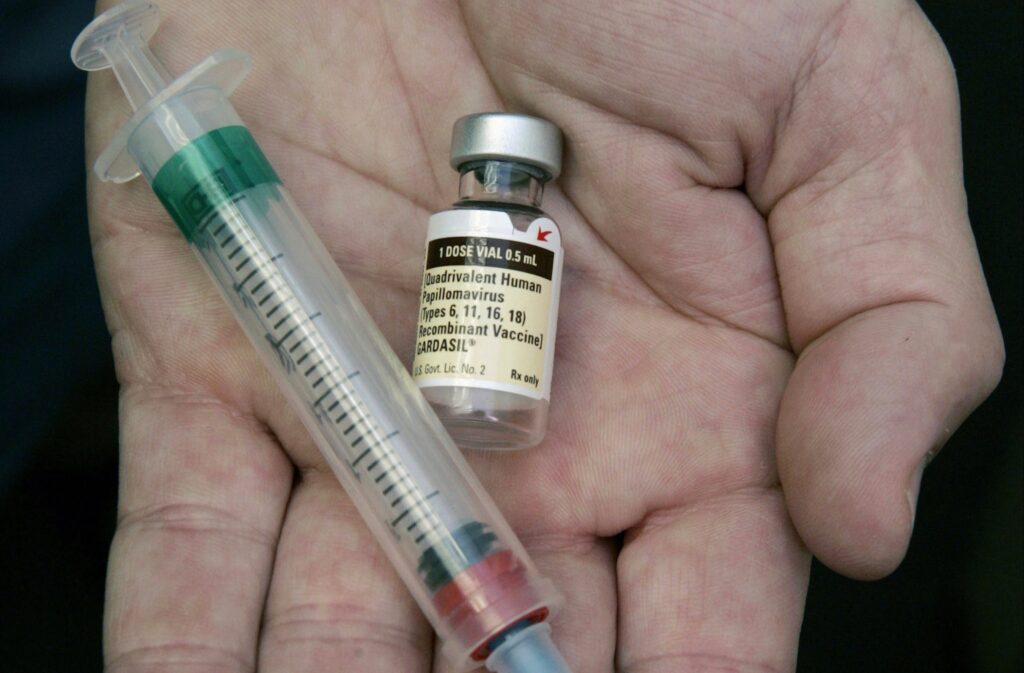
The good news is that well-established methods already exist to prevent most of these infections. The HPV vaccine prevents up to 90 percent of cervical cancers when given to kids between the ages of 12 and 13. Since the vaccine was introduced, infectionsfrom the targeted virus have fallen 88 percent among teenage girls in the United States. In Britain, research has shown that girls who get the shot have an 87 percent lower risk of developing cervical cancer; in fact, a Lancet study this year found zero cancer deaths among vaccinated women by the time they reach 30.
The hepatitis B vaccine is also extremely effective. The first dose can be given at birth, and protection lasts a lifetime. The full vaccine series prevents at least 98 percent of infections in children and virtually eliminates the risk of liver cancer caused by hepatitis B.
There is no vaccine for H. pylori, but detecting and treating the infection can prevent the chronic stomach inflammation that leads to cancer. In some parts of the world, more than half the population is infected with the bacterium. Testing is straightforward: One common test involves breathing into a collection bag to check for signs of the pathogen and another analyzes a stool sample. The infection can be cured with antibiotics and acid-reducing pills.
Hepatitis C also does not have a vaccine. But oral antiviral medications can cure more than 95 percent of infections, preventing further liver damage and eliminating the risk of transmitting the virus to others.
EBV is the only one of the five for which there is no vaccine or treatment. In the U.S., about half of children and 95 percent of adults become infected with the virus. Most have no symptoms or experience mild flu-like illness with symptoms of fever, fatigue and sore throat. It is unclear why the virus lies dormant in some patients and, years later, reactivates with serious consequences. In addition to cancer, EBV has been linked to multiple sclerosis and can cause life-threatening complications in immunocompromised individuals. The study’s authors emphasized the need for more research into the pathogen, including vaccine development.
That only underscores the broader point: There is no scientific rationale for treating infectious and chronic diseases as separate public health priorities. Expanding access to vaccines and treatments — as well as to other preventive measures, such as condoms — can reduce the transmission of viruses and prevent millions of cancer cases.
And that’s not the only way infectious diseases contribute to chronic health issues. Influenza can trigger heart attacks and strokes, and the respiratory syncytial virus has also been linked to increased cardiovascular disease risk. Long covid and Lyme disease are further examples of how the consequences of infectious diseases can persist long after the initial illness and affect the nervous system, heart and other organs.
Moreover, studies are demonstrating that vaccines have benefits beyond preventing infections. For instance, the shingles vaccine has been linked to lower rates of heart attacks, strokes and dementia. Research into mRNA vaccines is also showing promise in treating cancer by training the immune system to recognize and attack tumor cells, with encouraging early clinical trial results in patients with pancreatic cancer or skin cancer.
Of course, Kennedy and his MAHA followers aren’t wrong to highlight other factors that contribute to chronic diseases such as ultra-processed foods and lack of exercise. But anyone who is serious about tackling those conditions should be investing in infectious disease research rather than propagating a false dichotomy that undermines vaccines. Preventing even a fraction of the infection-induced chronic diseases each year would be an enormous public health achievement.
The post Want to reduce chronic diseases? Invest in vaccines. appeared first on Washington Post.