I’ve been following and interviewing tiny team founders for the last year. As part of my ongoing research, I popped into the Series HQ workspace last month to observe how these founders are running their small teams.
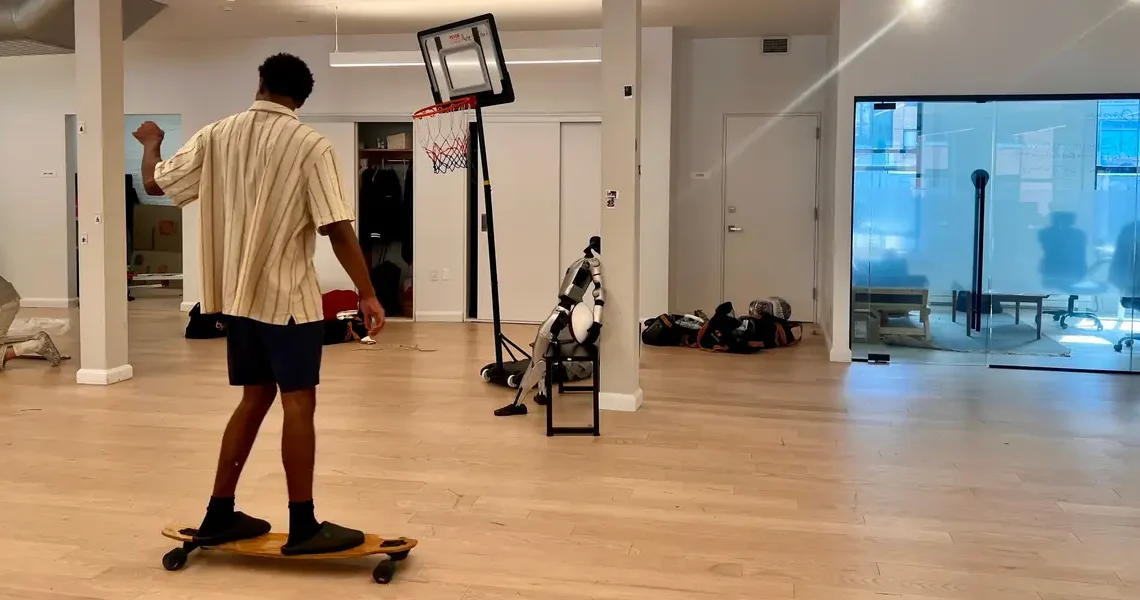
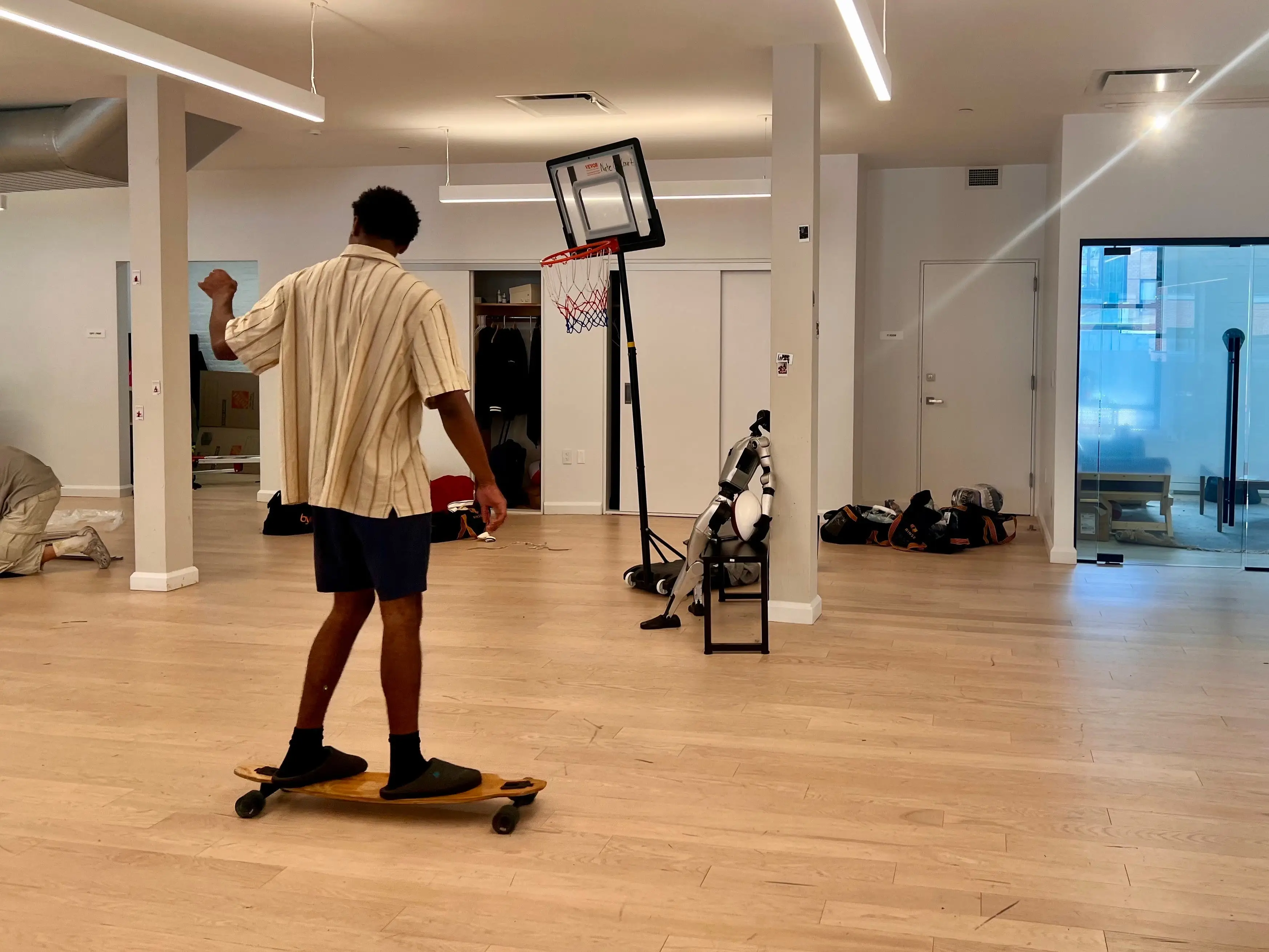
As the elevator doors opened on the top floor of the Chelsea office building, the Series HQ office manager, a 21-year-old NYU student, greeted me. Balancing on a skateboard, the tall, young, and very casually dressed Gen Zer fit right in among the cohort of founders he works for.
Most of the founders at Series HQ are either straight out of college or under 30, with many of their startups being in early funding rounds.
“I do honestly think if you’re 35 or 40 thinking about starting a company now, it’s probably too late,” Nathaneo Johnson, the 22-year-old Series cofounder, said. He recognizes that as a “harsh belief” but thinks the average founder age at Series HQ reflects a growing community of young entrepreneurs.
Series itself was launched in 2024 by Johnson and Sean Hargrow as an AI social networking app for iMessage. After they both graduated from Yale and raised $5.1 million in pre-seed funding, the pair signed a lease for over 10,000 square feet of office space. They tacked on “HQ” to distinguish between the coworking space and the business.
When they moved their company into the building last October, they had roughly eight to 10 people on their team. The pair was preparing for growth, but AI has helped to keep their head count lean, and their tenants operate with similarly sized staff.
As I scanned the still mostly empty office, it seemed the tiny teams didn’t require much to function. What stood out to me — more than the young, mostly male office demographic — was each company’s desire to be around more people, despite operating with as few employees as possible.
The tiny teams here can spend up to $9,000 a month for shared space
I was at the office around 3 p.m. on a Thursday, and about a dozen people from at least five different companies were working. Mostly young men and a few young women. The space usually hosts about 15 to 20 startups, and members have 24-hour access when possible, Johnson said.
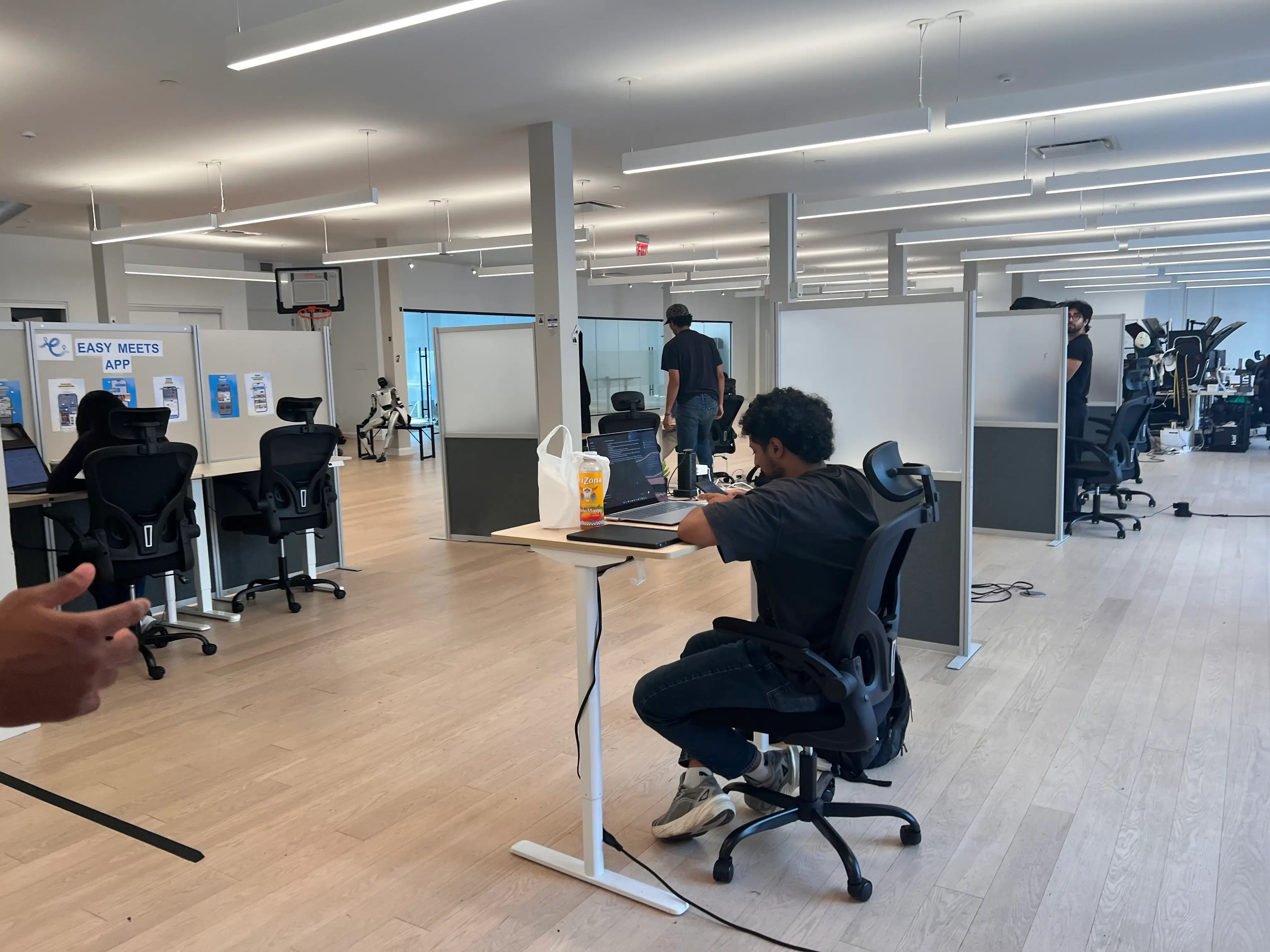
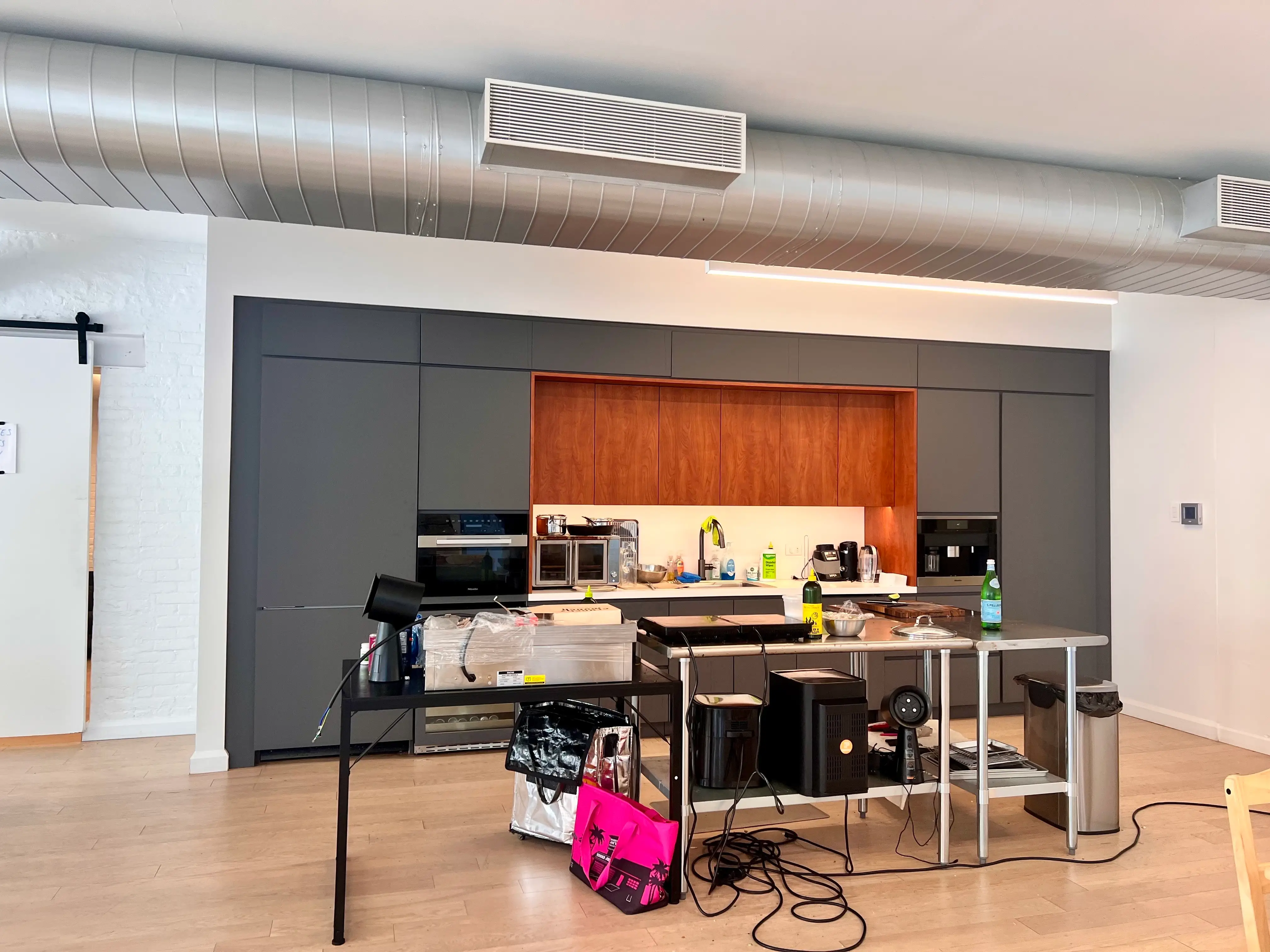
In August, Series HQ charged between $1,250 and $4,000 for workstation pods that hold up to four people. For more privacy, founders can rent the glass pods for $5,000 to $9,000 a month. The more expensive rental options include meals cooked on-site by the private chef they hired last year to curb their takeout costs.
In the massive main room, across from the scattered row of founder workstations, was a basketball hoop and a roughly $21,000, beat-up robot holding a football.
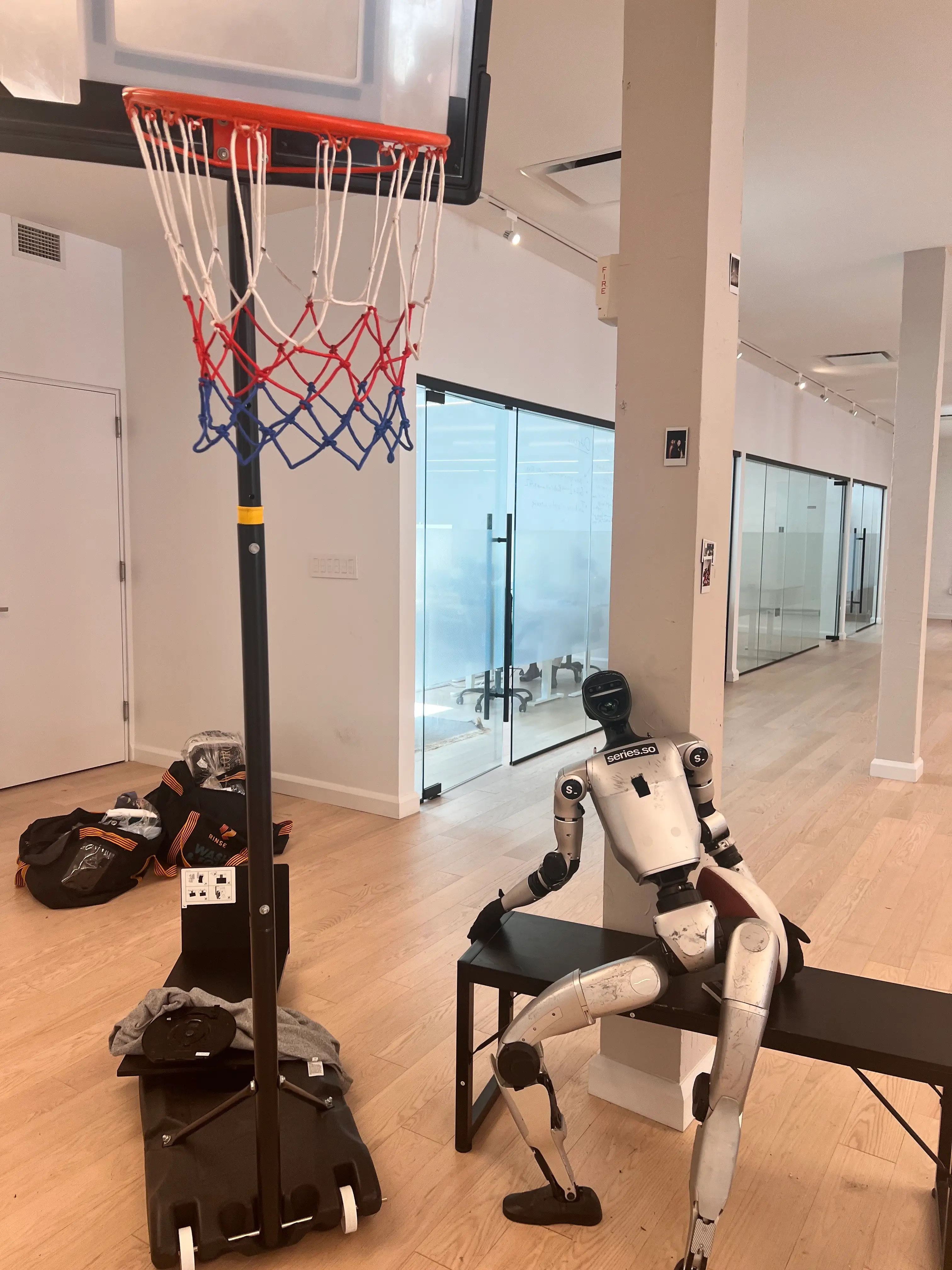
When they talked about their robot, which was slightly broken during my visit, the room lit up.
It fascinated me that these founders would incur the expense to work in such a large office. They didn’t need all of this physical space, which was, in some ways, obvious to realize, as most of it still looked sparse with objects.
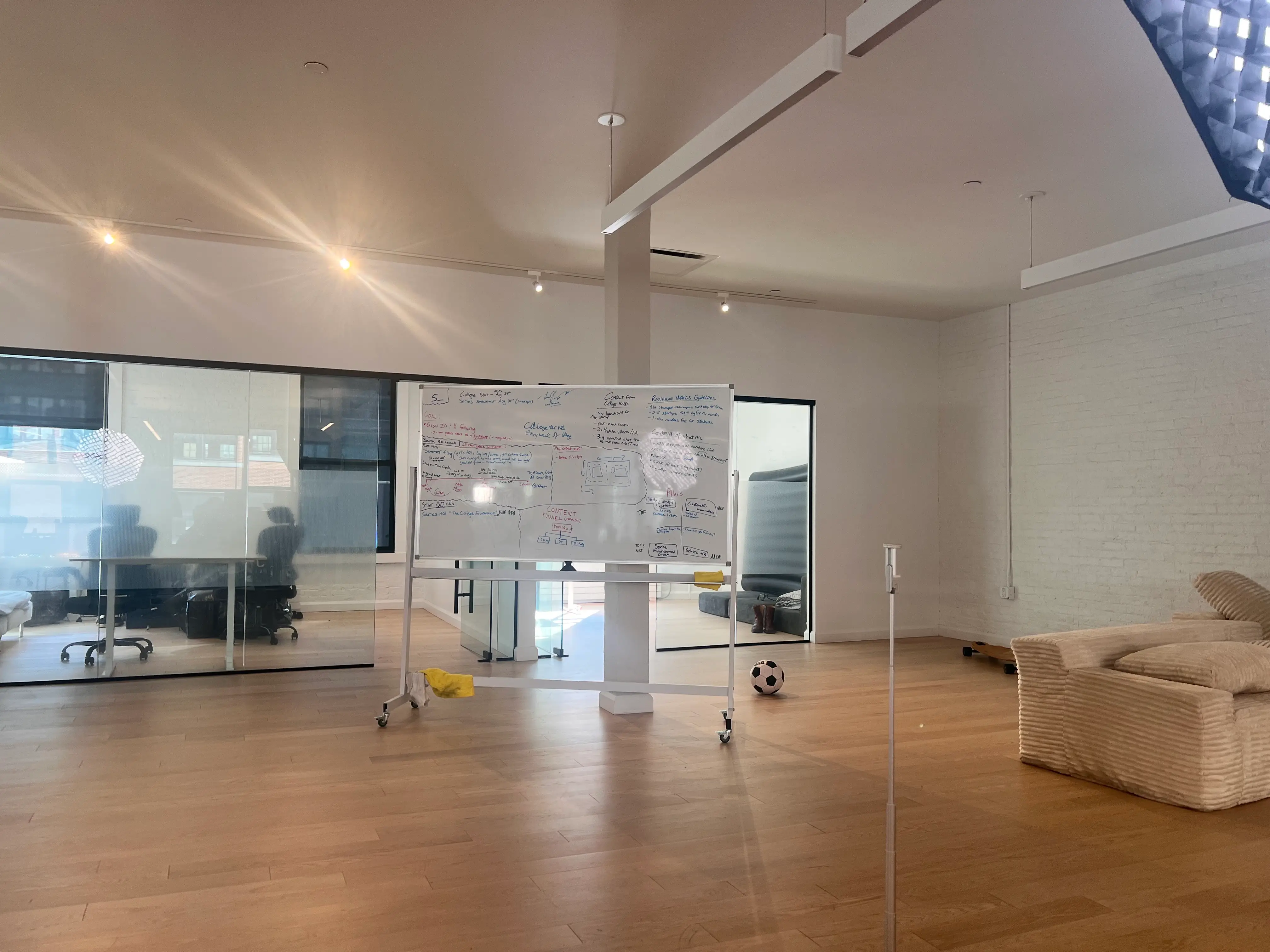
Many of the founders I talked to are around my age, 23, and graduated from high school during the pandemic, when so much social and work interaction moved online. Now building companies, the appeal of Series HQ seemed to be less about the fancy office with a private rooftop and chef, and mainly about having like-minded coworkers to build in-person with.
Long hours mean more time together
Zain Ahmad, who was a summer tenant at Series HQ, works at the AI startup Evos. He said Evos found Series from the promotional drone videos that took over their social media platforms all summer.
“We figured if they’re good enough to end up on both of our For You pages and get this much traction, there’s a lot to learn from them and be in that space,” he said.
Evos rented one of the private glass pods and, during my visit, gave me a tour of their space. Inside the small glass office, we stood in front of their two desks, chatting directly across from a small couch and coffee cart.
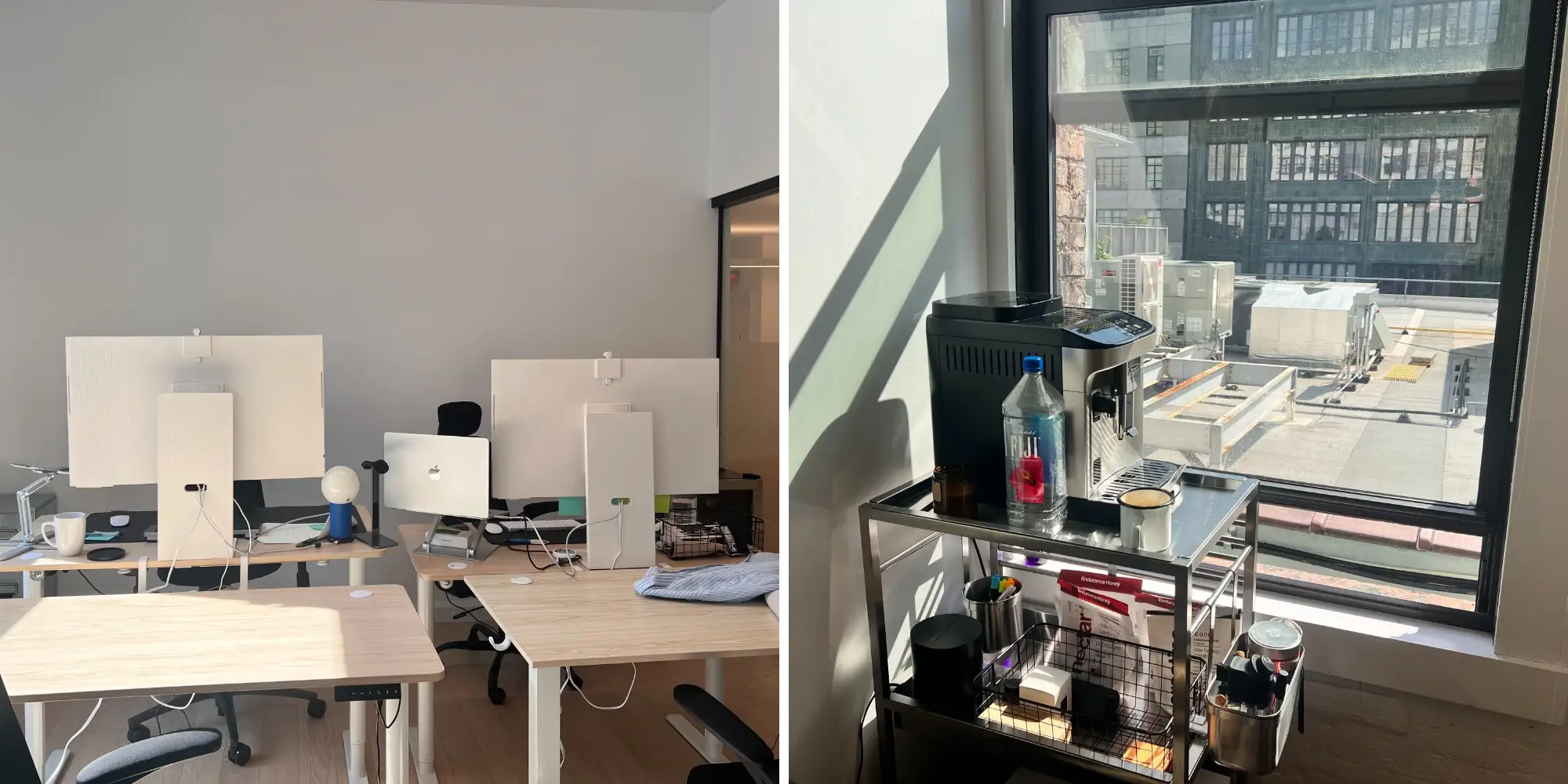
In between investor calls, which he said were powered by cups of tea with creatine honey, Ahmad confessed he has taken quite a few naps on that couch. An average workday for them is around 8:30 a.m. to around 10 p.m., sometimes longer. As tenants of Series HQ, they were in the office around six days a week.
He explained the concrete environmental benefits for Evos, which creates specialized agentic AI workflows for traditional industries. Ahmad said they were able to meet a new hire because the new hire was another tenant at Series. They even learned about their most-used AI tool at the moment through the Series team: Aside, an AI-powered browser.
Turnover was high at the beginning of the experiment, Johnson said. Partly because some of the summer tenants were just in town between school semesters. But those tenants probably didn’t feel too far from home, since the vibe here more closely resembled a college campus than a midtown office.
The most important piece of growing an AI startup is still the human network
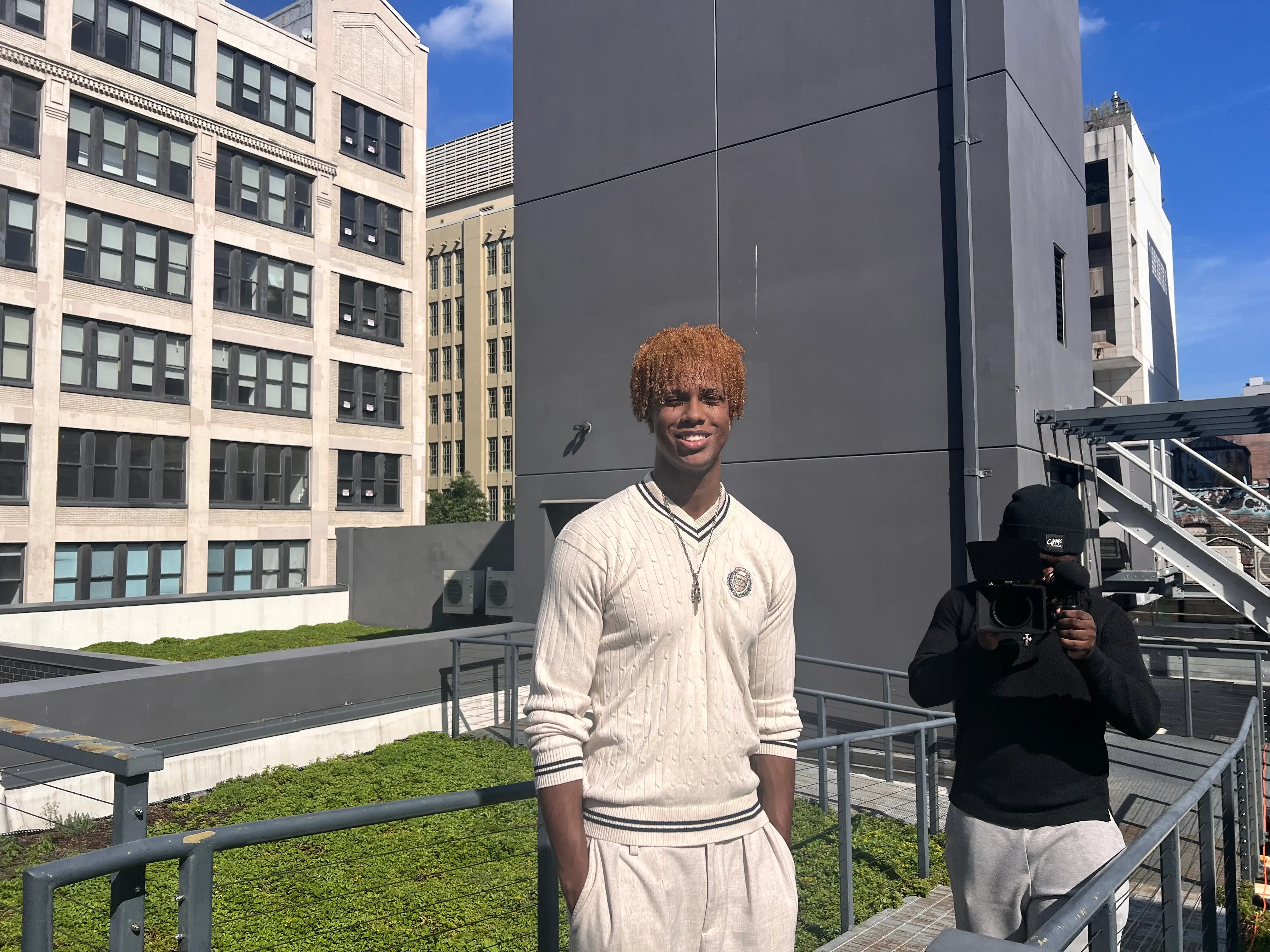
The majority of companies working in the space are AI or technology startups. Logan Milano, the 23-year-old founder of the drink brand Amryth, is one of the few non-tech founders. He recently graduated from college and said he spends well over 40 hours a week here despite living close by.
Milano said all he needs to operate his business is “my laptop, a good place to lock in, and being around other people who are building.”
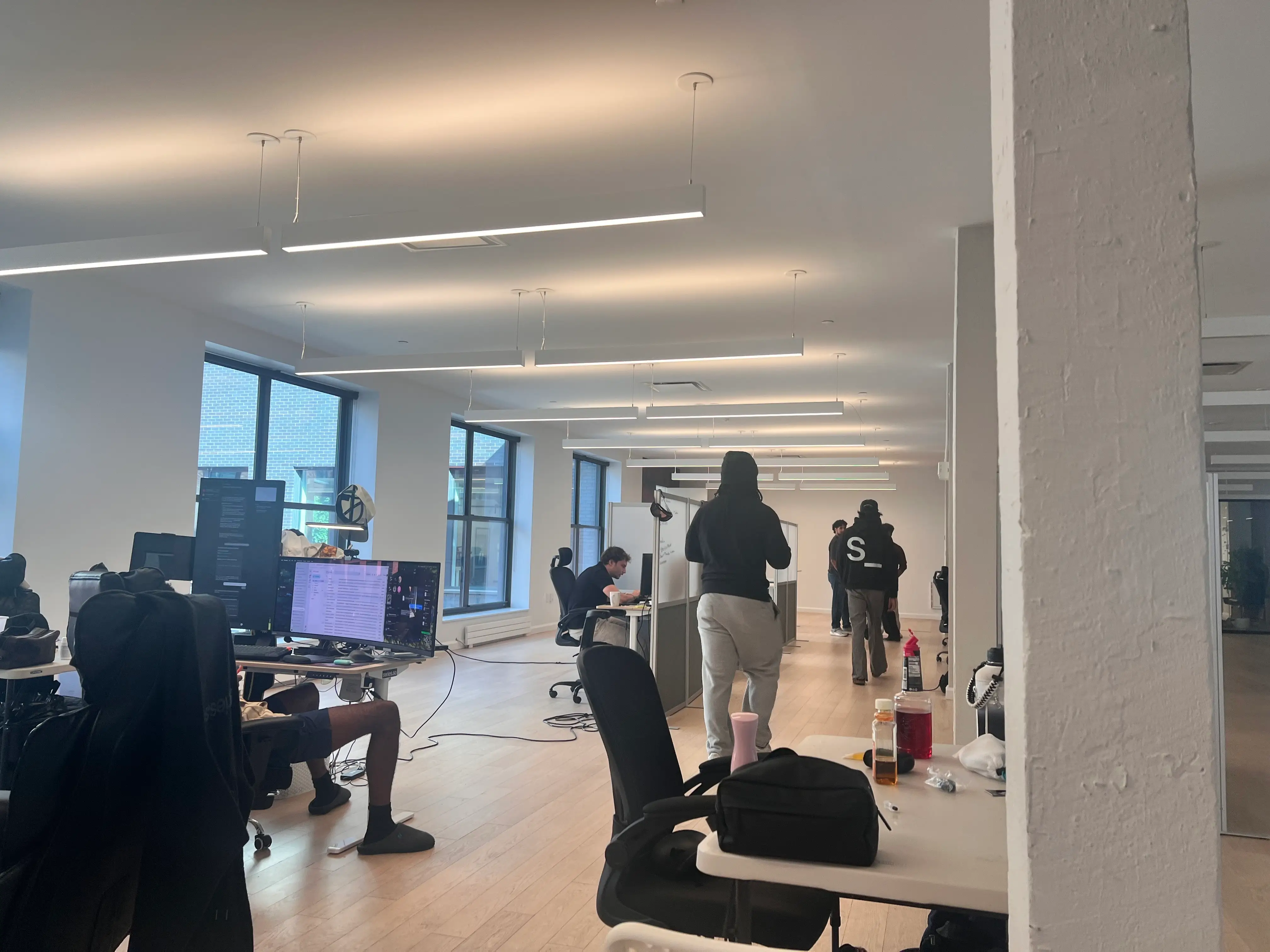
This was an overall sentiment I heard. Many of these young founders lived a hop, skip, and a jump away, based on the commutes they told me about. But simply being around others who are building is, in some ways, one of the biggest benefits.
“Even if we’re getting dinner or going out or something, it’s like you’re still kind of thinking about work and it’s all kind of related,” he said about the Series community. Adding that “sourcing opportunities” everywhere likely drew them together and is their biggest similarity.
At a time when AI is making it possible to build companies with fewer employees and building solo can be the dream for many, these young founders don’t need, or necessarily want to run their business with tons of employees, but they still seem to really want coworkers.
When I asked Milano if he’s ever spent the night at the Series office, he smiled, looked over at one of the Series team members, and said, “Is that allowed to say?”
Read the original article on Business Insider
The post I visited a coworking space where startup founders with tiny teams pay $9K a month to be around each other appeared first on Business Insider.