A landscape designer with a wealthy clientele recently sat for a job interview with someone sufficiently famous to be a household name.
The project seemed promising enough — until the designer was presented with a strict contract that would bind her, her employees, her subcontractors, her nursery suppliers and the guys on her crew to the utmost secrecy.
“There was even a clause prohibiting anyone from coming on site with Google glasses,” she said, speaking on the condition of anonymity to protect business relationships.
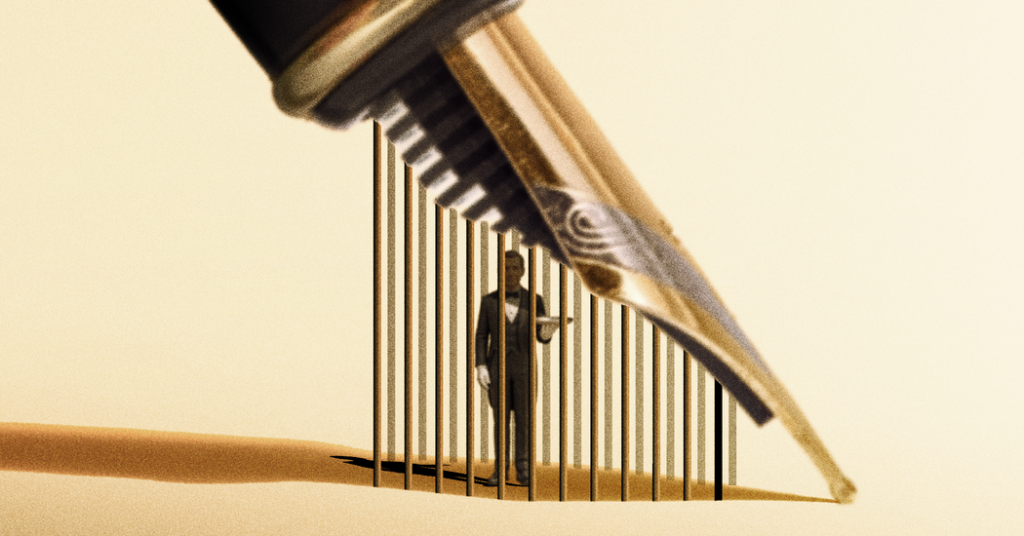
The Mafia has omertà. The wealthy have the NDA.
Once used primarily by companies to prevent employees from divulging proprietary information, the nondisclosure agreement has become an all but ubiquitous tool for wealthy people looking to muzzle housekeepers, butlers, tutors, private chefs and others who set foot on their properties.
“When I started practicing law 30 years ago, we saw non-competes for business and, once in a while, an NDA,” said Joseph Maya, a managing partner at the Connecticut law firm Maya Murphy. “Over the last 10 years, even more so over the past five, the number of inquiries I field about NDAs has easily increased a hundredfold.”
Why is that?
“You have all these people now that have all this money, and there are people coming into their homes,” said Maya, an expert in employment law. “They have more valuables, bigger art collections, more jewelry and cars, and they are concerned about their information being known.”
In addition to household staff members, architects, interior designers, computer technicians, personal assistants and fitness trainers interviewed for this article said that they had been required to sign NDAs before accepting job offers from the ultrarich.
“Thirty years ago, you didn’t have to worry about something being posted on TikTok, posted on Instagram, posted on X two seconds after somebody sees something,” Maya said.
Once a standard form of protection against idle gossip, the typical NDA for household staff has lately evolved into a chillingly restrictive document.
“I’ve been in this space for 43 years,” said Dara Yates, the founder of the Seaside Staffing Company, a California-based, national employment agency specializing in providing nannies and other domestic employees to the wealthy. “What was once a contractual agreement a paragraph long” can now run 15 pages.
Luke Yates, an integrations engineer at Seaside Staffing, said the new culture of “hyper paranoia” among high-net-worth individuals reflects real concerns about access to private information, including sensitive data pertaining to finances, medical matters and security.
“It isn’t just a matter of not wanting your house manager to tell stories about your home life at dinner parties,” he said. “It’s keeping people from knowing your whereabouts and your assets.”
For Elizabeth Pipkin, a lawyer with the Silicon Valley firm McManis Faulkner, NDAs exist to safeguard the wealthy from “shakedown attempts, takedown attempts and frivolous lawsuits.” She added: “People have these large household staffs in multiple locations and, with that, comes all the things you’d expect any corporate entity to have, including confidentiality agreements.”
The ramping up of secrecy covenants may have also come in reaction to a larger issue, according to Sarah Igo, a history professor at Vanderbilt University and the author of “The Known Citizen,” a social history of privacy in American life.
“NDAs are a symptom, an attempt at a solution to broad challenges all people are rightly feeling about keeping any kind of secret,” Igo said. “There are so many tools and techniques available now for disclosing other people’s business.”
Such contracts have long been a staple of the tech industry. Visitors to tech companies are often required to sign them before making it past the lobby. And executives in that field were early to the trend of requiring domestic employees and contractors to sign them before picking up a mop or hammer.
More recently, the agreements have popped up in government. Starting in 2024, the Supreme Court has used them to keep clerks and other employees from discussing what they witness on the job. This year, the Trump administration proposed that workers across the federal government sign contracts barring them from sharing internal information.
Yet there are limits.
“Your attorney can write whatever they want into a document,” said Luke Yates of Seaside Staffing. “That doesn’t make it enforceable.”
Further, there are laws and statutes mandating that employees cannot be prevented from reporting illegal activity, cooperating with law enforcement or discussing work conditions when talking with lawyers, government agencies and potential employers.
The laws of human nature, however, suggest there will always be some slippage.
“We are in a period where, unfortunately, people have no discretion,” said Maya, the employment lawyer. “People tend to focus on what this nugget of gossip will do for their immediate gratification.”
The post NDAs: Now They’re for Housekeepers and Butlers, Too appeared first on New York Times.