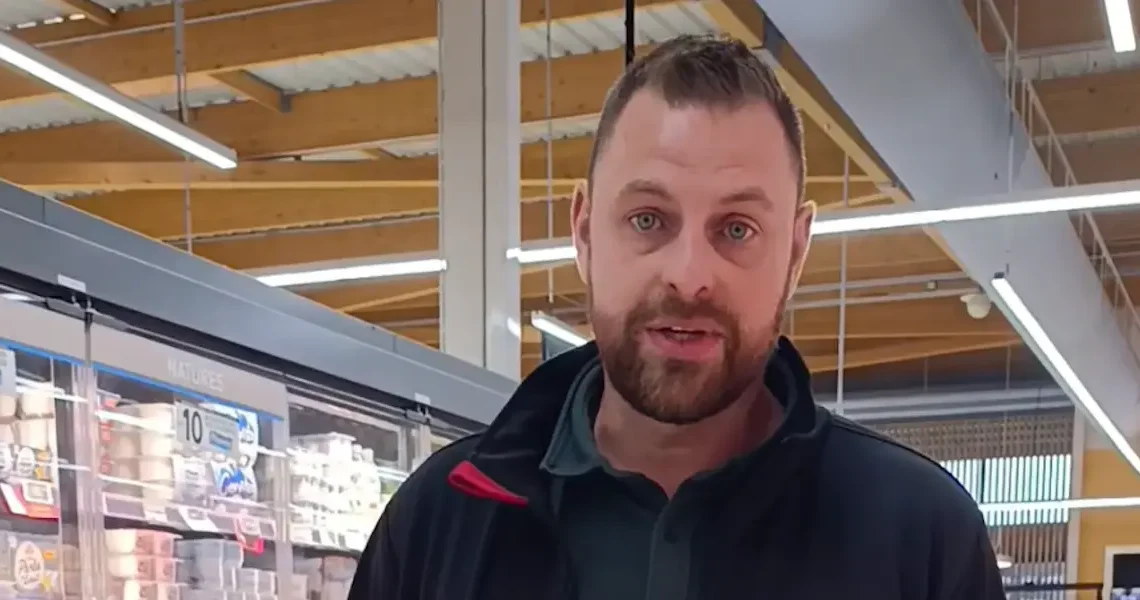
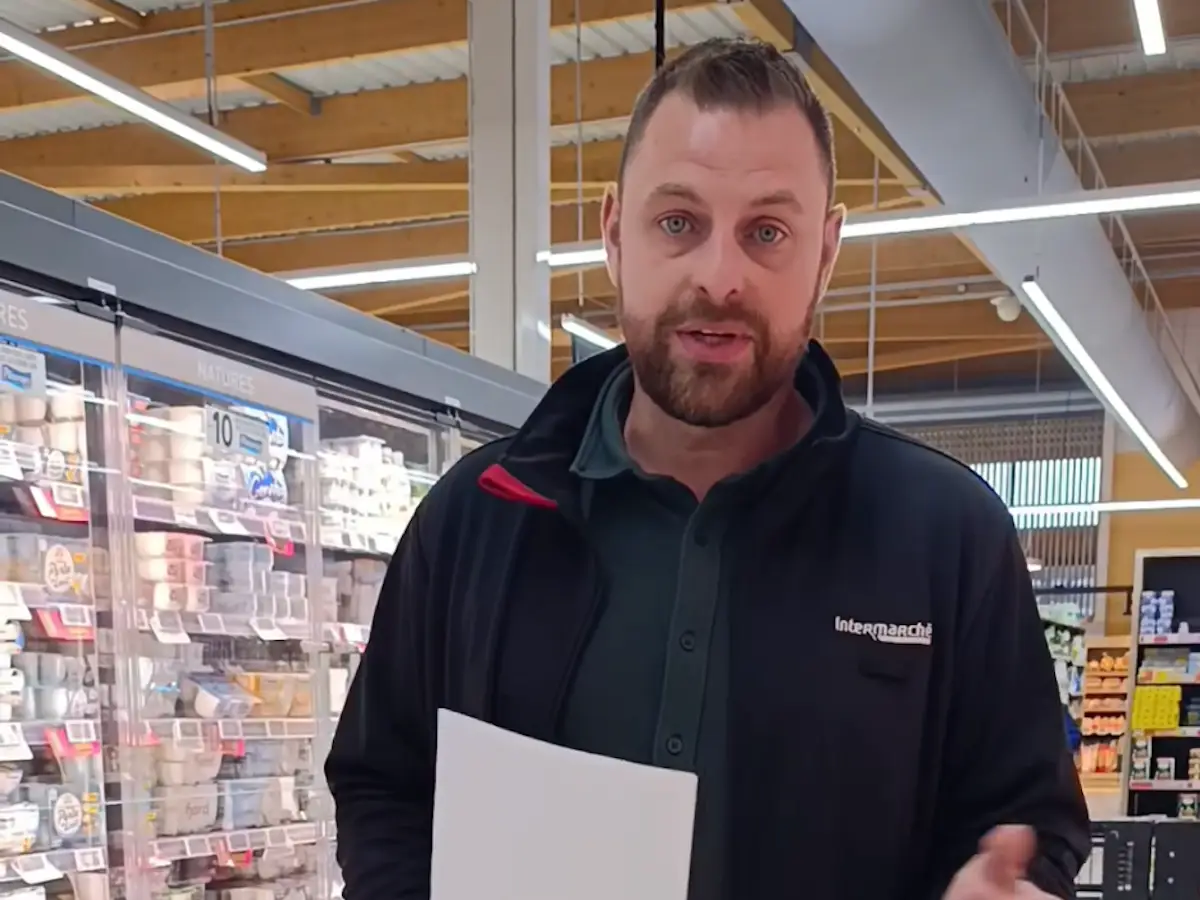
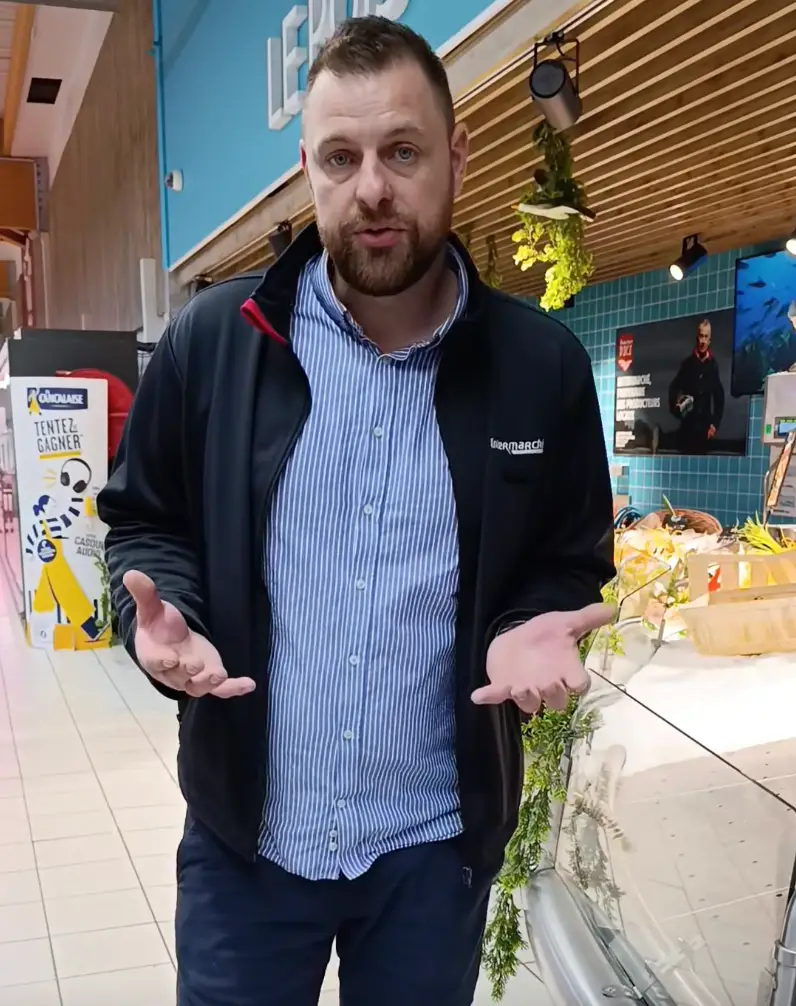
This as-told-to essay is based on a conversation with Julien Fréret, the director of Intermarché La Haye-du-Puits in Normandy, France.
On Monday, a cyberattack affected refrigeration systems at hundreds of French supermarkets. Fréret spoke to Business Insider on Wednesday. The following has been translated from French and edited for length and clarity.
Monday began like any other day at our supermarket.
But at 5 a.m., our baker arrived and called us and said: “I think you need to come. There’s a big, big, big problem with the refrigeration.”
When we arrived, temperatures in all the refrigerated cabinets were rising. No circuit breaker had tripped, and the CO2 system was still running — but the control panel showed error after error.
We put a thermometer in a freezer. It read 122 degrees Fahrenheit.
That was when panic set in. We thought: This can’t be possible.
We searched everywhere, restarted the refrigeration, and called the on-call technician. We were nowhere near imagining that someone had used the software to set temperatures above 122 degrees Fahrenheit.
The temperatures kept rising
At about 7 a.m., we received an email from Danfoss, the company whose software monitors our refrigeration system, saying there had been a cyberattack.
By then, two hours had passed. The whole system had failed, leaving nowhere to save the food. Everything that needs to stay cold was affected: fresh counters, frozen food, all of it.
Staff were arriving to stock the shelves. We told them: “Stop, stop, stop, stop. We’re stopping the shelving.”
The temperatures kept rising. In some sections, they reached 122 degrees Fahrenheit. In the fish section, they climbed to about 163, even 176 degrees Fahrenheit.
We shut down the motors, but it was too late. Butter and ice cream had melted.
It was heartbreaking
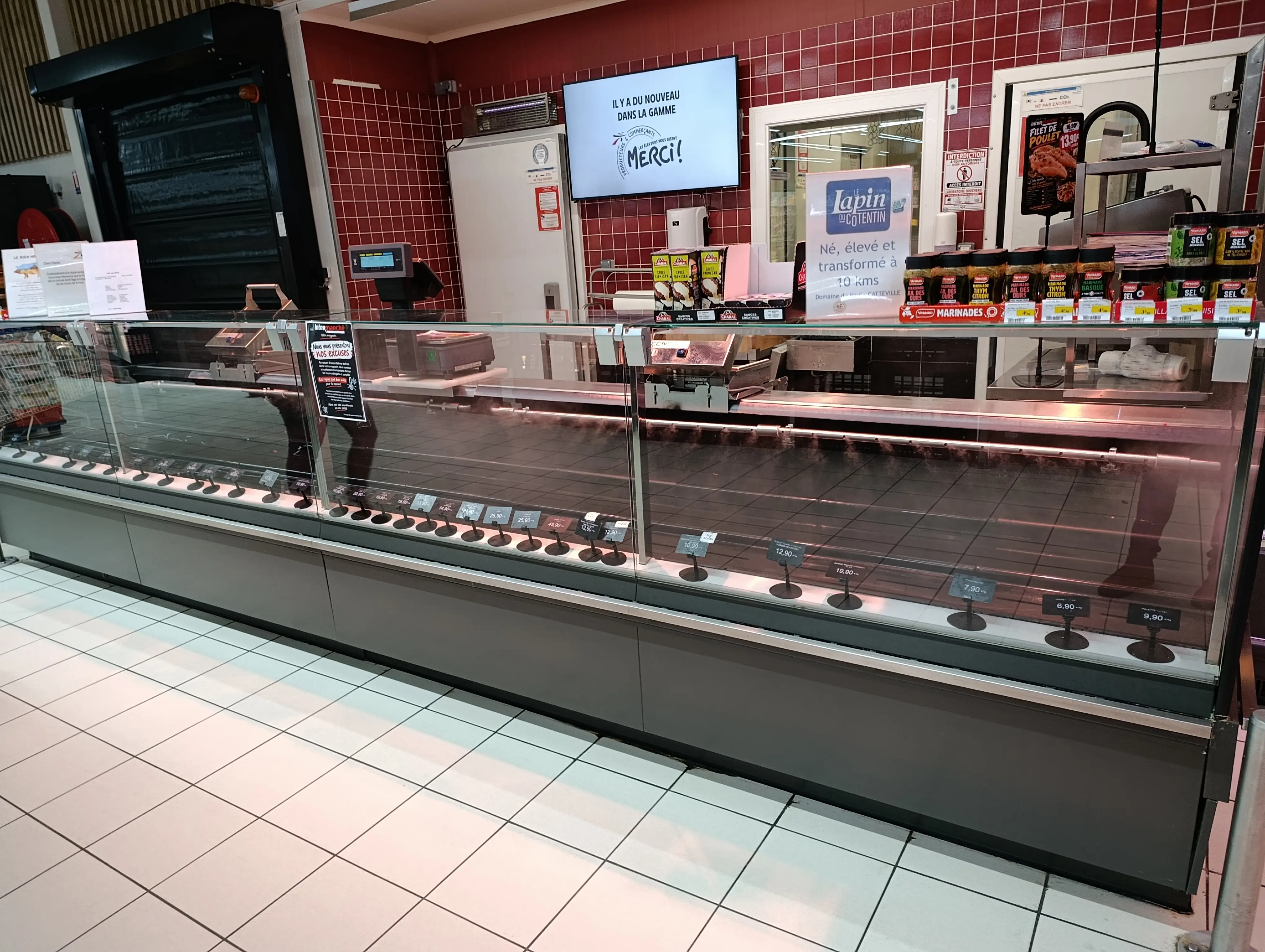
We called in a judicial officer to document what happened and take inventory before disposing of the food.
We threw away about 30 cubic meters of food — a skip and a half — worth about $112,000, excluding equipment damage. Refrigeration systems are meant to make cold, not heat. At those temperatures, the fans melted.
It was heartbreaking. We were sickened.
Throwing away food is already such a concern in society. Having to put $112,000 worth in the bin was horrible. We’re a small rural community, so you ask yourself: Why us?
Explaining it to customers
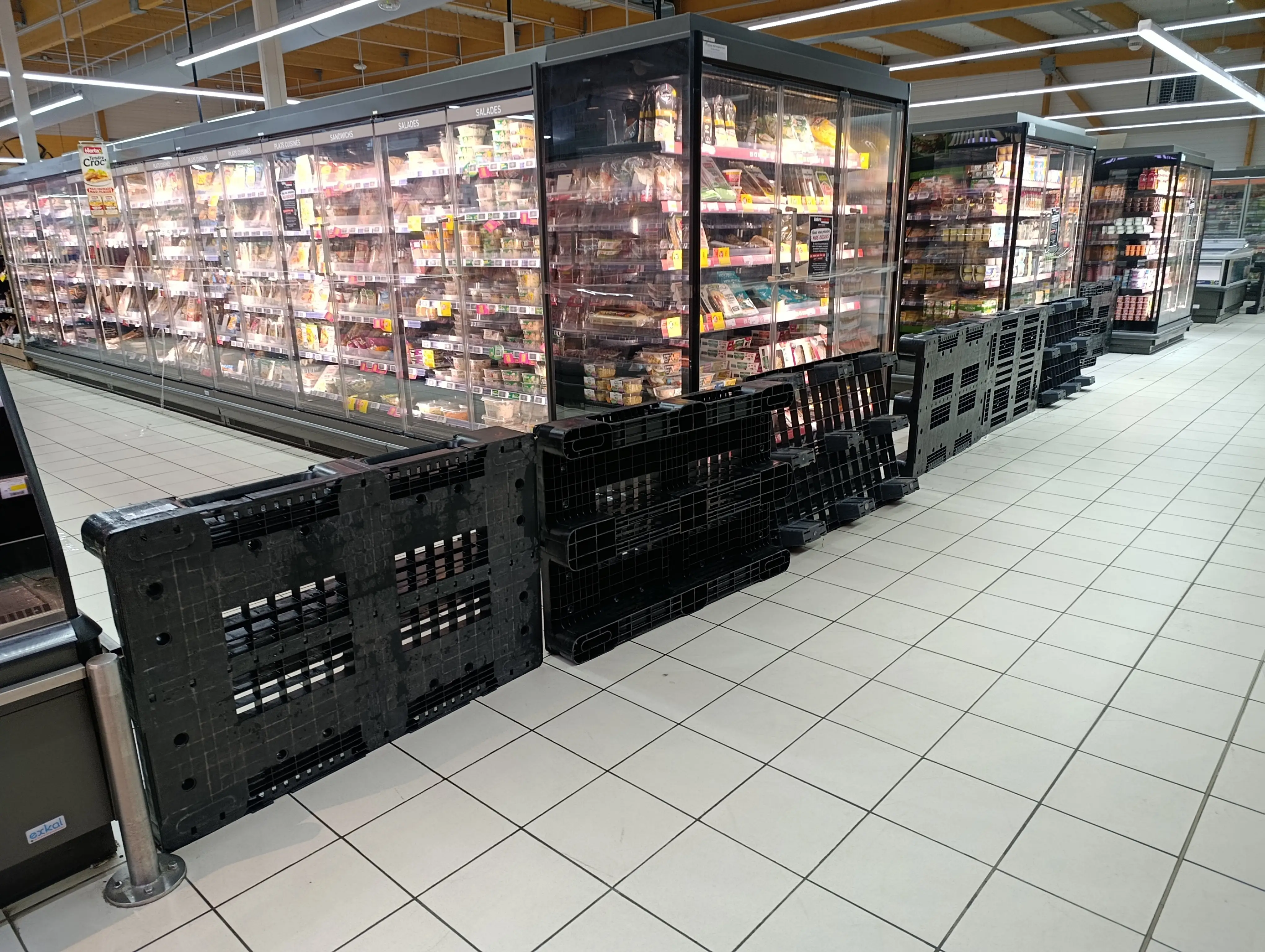
We closed the fresh-food sections but kept the rest of the supermarket open.
Some customers understood and asked how someone could do this. Others could not understand what a cyberattack had to do with food. They asked: “Why are you throwing away so much food? Why don’t you give it away?”
But food that had reached 122 degrees Fahrenheit could not be given away.
I had never imagined this could happen. You hear about cyberattacks on hospitals or cars.
But attacking food? This was the first time I had ever seen anything like it.
The software monitors food safety, alerting us when temperatures rise or a motor fails. From what we understand, someone changed the defrost settings. That system uses heat to stop refrigerators icing over; it had been set to 122 degrees Fahrenheit.
We’re vulnerable
We tried to save the food, but it heated up too fast. It was already too late.
Still, I’m grateful for how the team responded. Morning staff came back that afternoon to clean the refrigerators. Nobody said, “That’s their problem.” Everyone pulled together.
We have disconnected the software from the internet. It still monitors temperatures of our refrigerators and freezers locally, but we can no longer check them remotely; we have to be at the store.
We have not had another problem, but we are dealing with computers, so I can’t say it will never happen again. This episode has shown how vulnerable we are to cyberattacks.
We have started restocking and are about 60% stocked. We hope to be fully operational by Friday.
We have to turn the page and keep going for our customers.
Read the original article on Business Insider
The post A cyberattack in France set my supermarket freezers to 122F. Losing $112,000 in food was heartbreaking. appeared first on Business Insider.