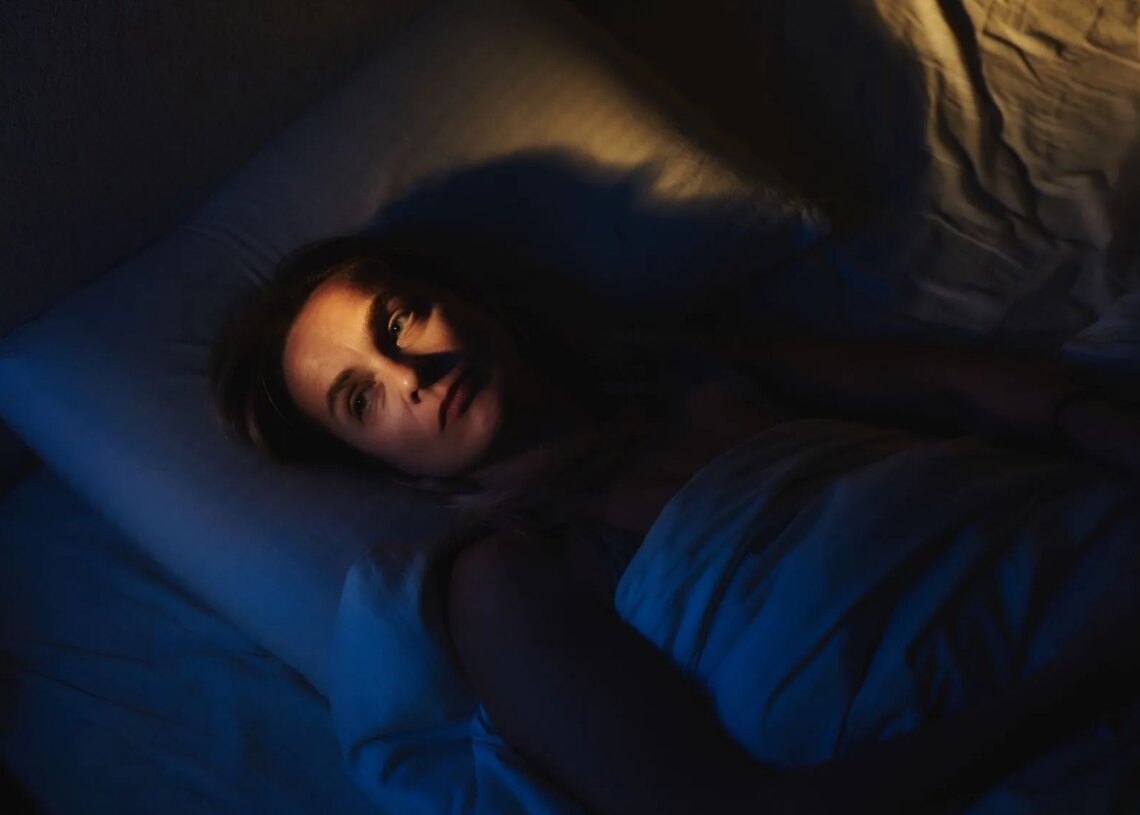
The NY Post recently explored the “Mind After Midnight” phenomenon. We’ve all experienced a spike in anxiety, impulsivity, and overall negative thoughts at one point or another that seems to have been triggered by the external darkness and the heightened chill in the air. While the night can be a source of poetic inspiration, for whose glory Novalis crafted his immortal hymns, it often seems to summon our most unbecoming behaviors, including substance abuse and misuse.
Clearly, the tiredness and more that result from wakefulness at night affect our ability to think (particularly about consequences); and a group of intellectuals from top institutions like Harvard, who coined the term “Mind After Midnight,” jointly emphasize that staying up late doesn’t only affect you the next day but even before you’ve hit the pillow.
(They define “Mind After Midnight” as “a combination of circadian-dependent decreases in molecular and cortical activity and responsiveness with sleep-loss-dependent alterations in synaptic signaling and cortical connectivity.”)
What Is ‘Mind After Midnight’? Why Your Thoughts Can Turn Darker at Night
For one, sleep deprivation can lead to the release of more dopamine in the brain, the dysregulating effect of which can invite irrational thinking and hedonistic impulses. The prefrontal cortex is especially sensitive to sleep issues. Academics have confirmed that negative emotions tend to peak between 1 am and 4 am, while positive emotions plummet.
Here’s a look at how the team themselves formulated part of their hypothesis:
“Heightened negative affect and diminished positive affect produce a narrowed attentional focus on neutral or negative stimuli which are assigned incorrect or excessive emotional salience by an overactive amygdala. This biased information then feeds into an aberrant reward/motivation system characterized by elevated dopamine levels, altered dopamine receptor availability, increased activity in the nucleus accumbens (ventral striatum), and reduced activity in the caudate and putamen (dorsal striatum), which results in diminished activity during reward receipt but maximized anticipation/expectation of reward, particularly for risky behaviors.”
The inner madness only continues from there. Thus, it’s no wonder that, according to The Journal of Clinical Psychiatry, the risk of suicide is tragically highest at 3 am — the witching hour. This is both a time when many of us report strange occurrences and, according to (again) Harvard, when women over 55 are more likely to wake up. (Granted, a lot of our ancestors had “two sleeps.” So, if you find yourself breaking your rest period in two, know that the practice has probably worked for your forebears.)
I’ll say that, as we begin to relax, our minds often attempt to cleanse themselves of worries, therefore (and sometimes contrary to our wishes) going into problem-solving mode. This can achieve the opposite effect, as we begin to ruminate upon those seemingly unsolvable sources of stress, such as narcissists, to whose bad energy we are particularly vulnerable. Ironically, the opportunity to be at ease is especially likely to trigger hypervigilance in survivors of abuse. In our world of distractions and fearmongering, many of us have lost the ability to simply “Enjoy the Silence,” as Depeche Mode demands, and our brains can instead perceive it as eerie. Moreover, modern methods of relaxation, like social media scrolling, are frequently maladaptive and unconducive to long-term mental health.
May I suggest a few remedies! If you suffer from insomnia or work odd hours that disrupt your circadian rhythm, start listening to (or revisit) Neville Jason’s audiobook of Proust’s In Search of Lost Time! In my opinion, it’s the world’s best all-natural soporific. As a bonus, the mere act of listening is therapeutic. Positioning yourself in Proust’s higher mental realm will help you keep your grip when those base desires knock on your skull. You can also dig into edifying spiritual material that might appeal to you, or the oddly entrancing tedium of Karl Ove Knausgård’s famed Min kamp.
The post Why Everything Can Feel Worse After Midnight, According to Researchers appeared first on VICE.