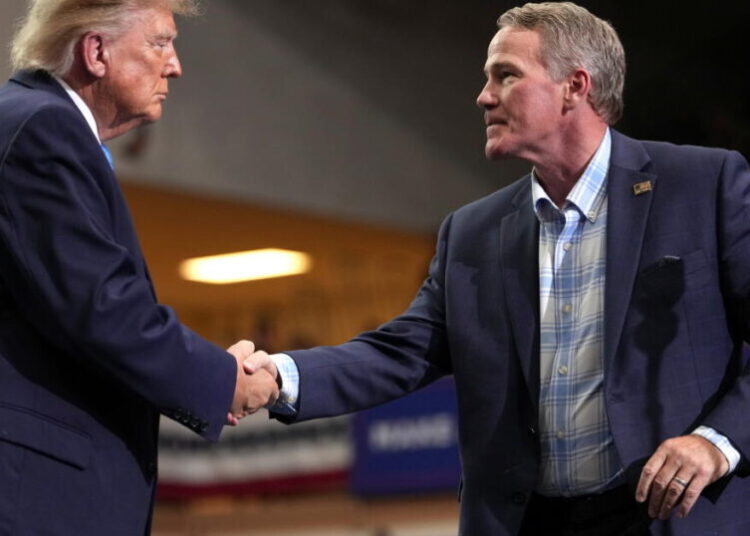
Ukrainian President Volodymyr Zelensky gets what President Donald Trump instinctively understands in other contexts: Weakness invites bullying. Zelensky accurately characterized Trump’s deal with Russian President Vladimir Putin to bring Russian diesel back onto global markets as a sign of weakness. Oil revenues bankroll Moscow’s war machine.
The agreement would initially release 300,000 tons of Russian diesel, followed by larger shipments in November and December. This undermines years of U.S. pressure both on Europe to rein in its addiction to Russian supplies and on countries such as India and China to buy less crude. And the impact on prices ahead of the midterm elections will probably be negligible.
Predictably, in response to being criticized, Trump blamed Zelensky for failing to end the war and suggested that Ukraine needs a new president. Senior U.S. officials contacted European and Ukrainian leaders over the weekend to demand an end to strikes on Russian refineries. The Trump administration even reportedly threatened to cut off intelligence sharing and to block arms supplies through the NATO-coordinated program that allows European governments to buy U.S. weapons for Ukraine, including critical air-defense systems.
Then, on Sunday, Trump announced on social media that an “ENERGY CEASEFIRE” was in effect and claimed that both sides had agreed to it, warning, “Do not break it!” Zelensky, who apparently learned of the ceasefire by reading Trump’s post, quickly pointed out that he would be happy to abide by any such agreement if it were reciprocal, but that the Russians had already attacked Ukraine’s electricity grid since Trump’s démarche.
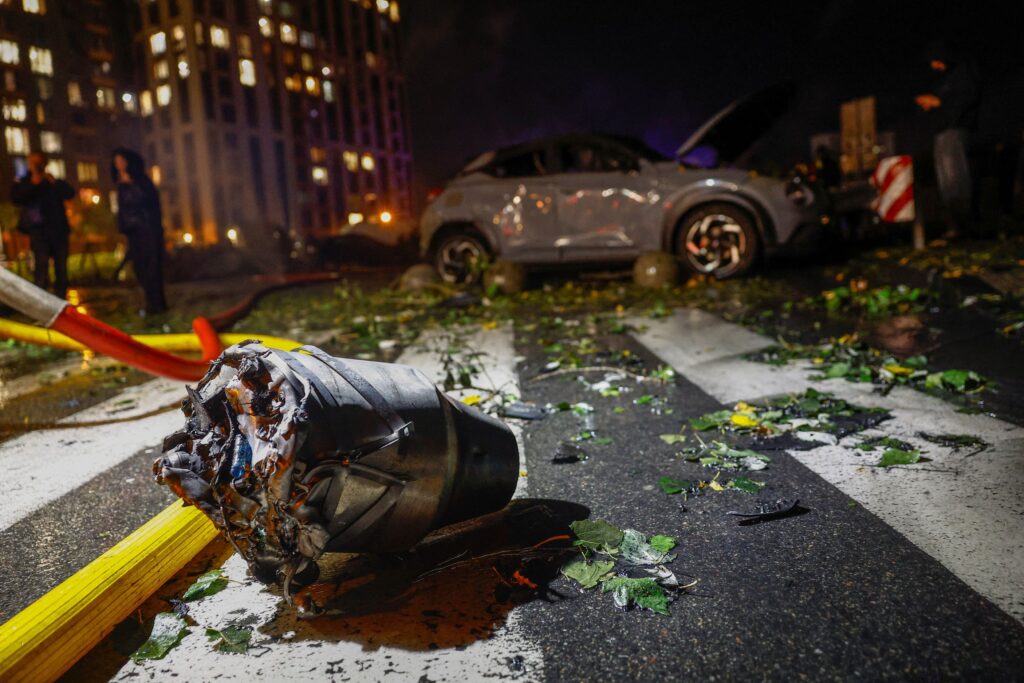
The double standard is disgraceful. Ukraine is being battered by a daily barrage targeting its energy and telecommunications infrastructure. These relentless attacks have also hit nonmilitary targets with the obvious intent to terrorize. Zelensky said that intercepted Kremlin communications revealed an order issued in September to expand attacks on civilian infrastructure, including schools, hospitals and transportation networks. In a separate interview, Zelensky described a new Russian doctrine intended to make Ukrainian cities increasingly uninhabitable as winter approaches.
Applying U.S. pressure to the country on the receiving end of such barbarism is bad enough, but Trump’s gambit isn’t even likely to yield the results he wants. Though Ukrainians have their differences with their wartime leader, there was little constituency for capitulation before the bombs started blowing up buses and shopping centers. Now, with death raining down on the nation’s cities, spines have stiffened. Indiscriminate bombardment tends to rally citizens around a leader looking to punch back, not send them searching for appeasers.
Few in Ukraine believe that attacking Russia’s infrastructure will end the war. Instead, they see it as necessary to demonstrate that Russia cannot bomb Ukraine into submission without paying an increasingly steep price. With the battlefront all but stalemated, Putin is looking for ways to show military momentum. Kyiv, unable to trade blow for blow in long-range strikes with Moscow, needs to impose costs for escalation against civilian targets.
Now is not the moment for Ukraine to ease that pressure or for Washington to feign neutrality. Russia is always probing for openings. Only when Moscow sees that all its easy avenues for advance are blocked will it even consider negotiating an actual ceasefire, not one floated on social media.
The post Trump is pressuring the wrong side in Ukraine appeared first on Washington Post.