These days it seems like many pop songs are engineered in a lab to go viral, and in a lot of ways, that’s correct. The latest songs of the summer are pushed to radio stations, planted in unrelated Spotify playlists, used in commercials, and discussed endlessly on pop culture Substacks.
But what makes those songs so hard to get out of our heads, even when we find them annoying? Some of it comes down to social media influence and the formulaic music industry. But a few psychological tricks also keep the general public from ever stopping hearing these songs. However insufferable they might be.
Repetition
A song that has a simple, repetitive beat will often stick around longer than something more complicated. Catchy, upbeat songs typically perform well with mainstream radio audiences. Repetition is also a big part of how songs get stuck in our heads. Psychologically, repetition of anything helps the brain retain that information. Wondering why the chorus of “Call Me Maybe” still gets stuck in your head 14 years later? We have repetition to thank for that.
Blues Traveler even wrote an entire song about this in 1994, the undeniable masterpiece that is “Hook”. The song condemns catchy pop songs of the time as form without substance, while also admonishing fans who didn’t actually listen to lyrics. They didn’t have to, of course, because “the hook brings you back”. The repetition that makes a pop sensation.
Danceability
Similar to the repetitive trick, danceability is an important factor of a lot of unforgettable songs. The beat can be simple, but it has to get people on their feet. Also, we’re more likely to remember a song we’ve danced to before. Club music is a good example of this, but even wedding songs can get stuck in someone’s head because of this.
While that touches more on sense memory and association, the ability to dance to a song is still a powerful trick. This began with disco in the 70s, and it’s still being used today. Especially if there’s a dance already associated with a song. Just think about Charli XCX’s “Apple” from 2024. TikTok was overrun with videos of people doing the “Apple” dance, from civilians to influencers to celebrities to Charli herself.
Volume and Energy
When the way music was recorded changed drastically with the introduction of CDs, producers would often increase the volume later on. Pop and rock especially got this treatment, which aided in their psychological longevity. In the 80s and 90s, people started listening to music differently, primarily after the introduction of the Sony Walkman in 1979.
Then, there was a need to compete with background noise as listeners took their music with them. Volume increased, but so did the general energy of popular music. High-energy songs were, and still are, best for a morning commute, a bike ride, or working out in the gym. Additionally, they’re more likely to get stuck in our heads if they elicit a positive emotional response. As music listening and recording changed with the years, so did songwriting and composition, tapping into a desire for upbeat energy.
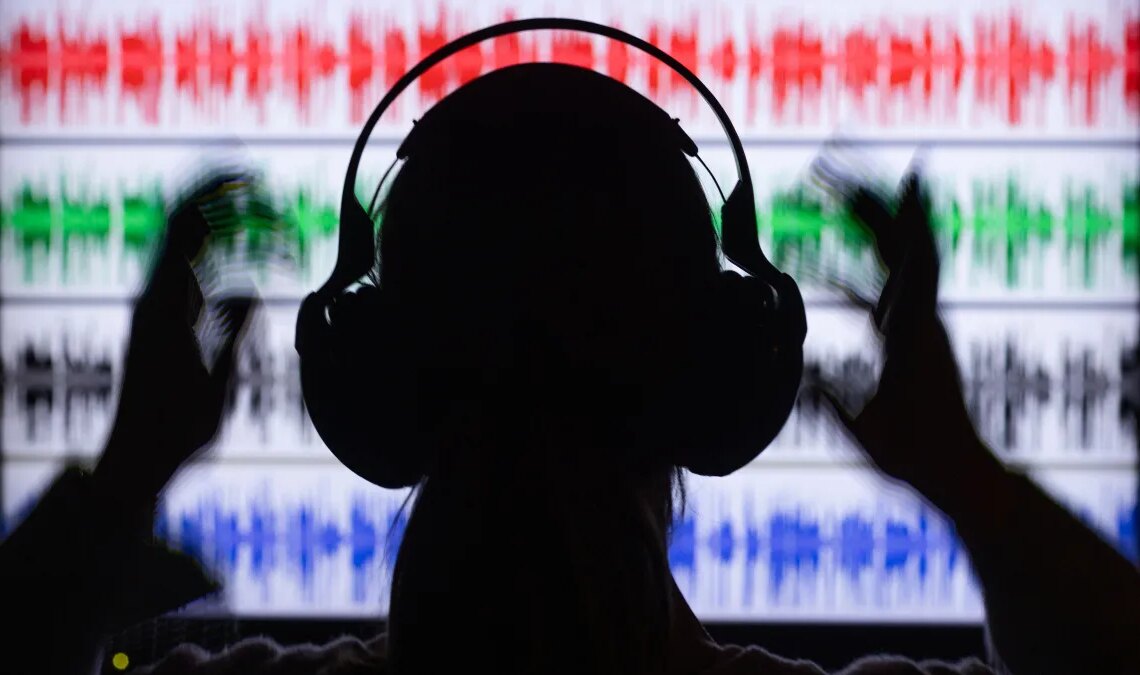
Photo by Jens Büttner/picture alliance via Getty Images
The post 3 Psychological Tricks That Make Certain Songs Impossible to Forget appeared first on VICE.