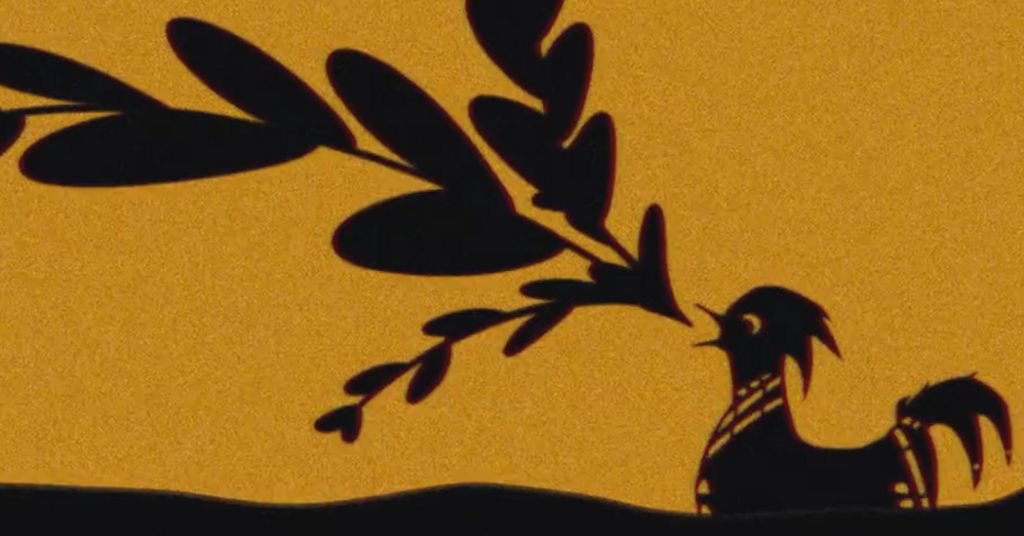
He was like a folk hero. He received visitors every day. He had a dedicated Facebook group, where people expressed love, grief and even contempt.
He was Sanyi the rooster.
According to the townspeople of Bekescsaba, Hungary, Sanyi fled a poultry market one day and settled in a public square. His daring escape and life among the trees soon came to represent a kind of freedom that felt out of reach. When I spoke with people there, they contrasted that with the toll of living under then-Prime Minister Viktor Orban’s government — distrust, poverty and spiteful politics.
For people in Bekescsaba, Sanyi was a symbol of hope, a catalyst for rebuilding strained community ties. “Sanyi became the glue that held everyone together,” said one resident. But the rooster’s mysterious death also revealed how delicate social bonds can be, especially in a divided society.
The short documentary above, “Sanyi Kakas” (“Sanyi the Rooster”), captures Hungary a year before the end of Mr. Orban’s combined two-decade rule. Sanyi may be gone and Mr. Orban out of office, but there is still something to learn from this real-life fable. In difficult and divided times, we need to seize opportunities for connection and hope, no matter how absurd.
Lotte Salomons is a director from Amsterdam.
The Times is committed to publishing a diversity of letters to the editor. We’d like to hear what you think about this or any of our articles. Here are some tips. And here’s our email: [email protected].
Op-Docs is a forum for short, opinionated documentaries by independent filmmakers. Learn more about Op-Docs and how to submit to the series.
Follow The New York Times Opinion section on Facebook, Instagram, TikTok, Bluesky, WhatsApp and Threads.
The post The Rooster That Brought a Hungarian Town Together appeared first on New York Times.