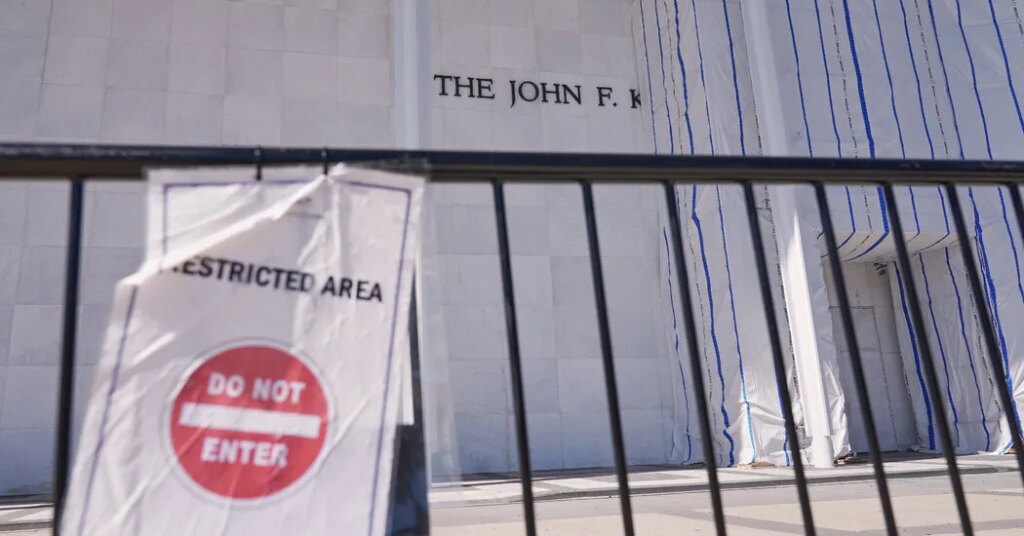
The John F. Kennedy Center for the Performing Arts has named a Los Angeles-based manager of rock musicians as its artistic director, leading programming even as the venue’s main building, now shuttered, prepares to remain closed for two years of renovations.
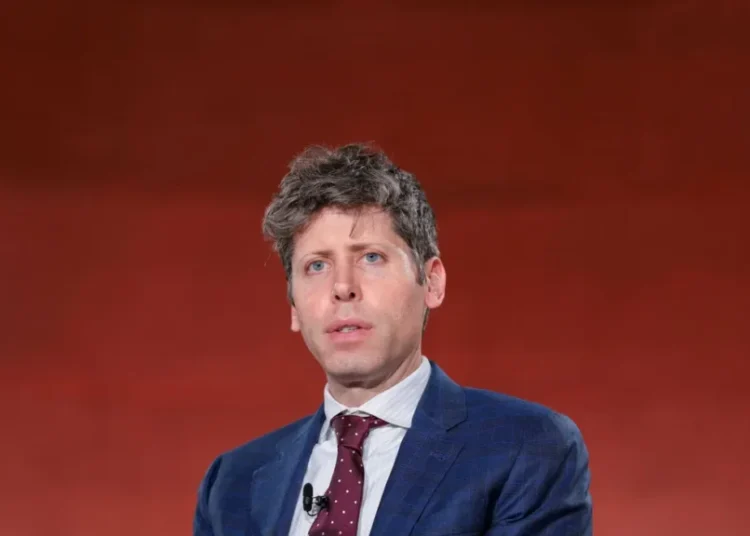
The new leader, Rick Canny, is an artist representative whose resumé includes working with the band ZZ Top, the Mötley Crüe drummer Tommy Lee and the Creed frontman Scott Stapp. He began consulting for the center a few months into President Trump’s takeover of it, pushing for more commercial, mass-market programming at a nonprofit institution long rooted in classical music, dance and theater.
In a statement, the center said that Mr. Canny would remain a consultant in his new role, and that he would be tasked with setting the center’s “overall creative direction” for during and after the renovations.
“Regardless of building closure timelines,” the statement said, “the center must continue to curate programming during infrastructure upgrades and deliver a commanding reopening season that brings audiences back and puts the center on stable financial footing.”
Expanding the reach of the Kennedy Center during its Trump era has proved difficult, as the increased politicization of the institution has driven away artists, donors and audiences in Washington. Mr. Canny’s appointment, announced to employees on Thursday, comes at a particularly chaotic time. The center’s efforts to close have been challenged in court and its finances have become precarious.
In an email to staff members, Matt Floca, the center’s executive director, framed Mr. Canny as his chief artistic adviser, writing that Mr. Canny would counsel him on “artistic strategy, business practices, presenting and talent curation, ticketing and pricing models, media opportunities and programming sponsorships.”
Until March, Mr. Floca had been the center’s facilities chief, and his focus for months has been on the renovation plan. He has little experience in the performing arts world, and it was expected that he would name a deputy to oversee that work.
The legal battle has suspended Mr. Trump’s plan to close the building for a $250 million renovation project. But it was temporarily shuttered last month because of what officials described as deteriorating infrastructure that presented “acute risks to public safety.” Its leaders have warned that the center faces “certain fiscal collapse within weeks” unless the president’s name is restored to the building’s exterior. A federal judge ordered it removed in June.
Mr. Canny did not respond to a request for comment about his plans at the center.
Since Mr. Canny arrived last year as an outside consultant, two employees have raised concerns internally about his fees and expenses. Over one month this year, his consulting fee was $30,000, and he charged the center for a round-trip flight between Los Angeles and Washington worth $1,850, according to documents obtained by The New York Times.
The center said in its statement that the $30,000 fee did not “reflect Mr. Canny’s current agreement,” but the institution did not provide a specific figure beyond saying his compensation would not increase in the new role. It also said his travel expenses had been reviewed to ensure “any amounts outside policy limits were reconciled.”
In its statement, the center underscored the breadth of Mr. Canny’s experience to address any concerns that his rock-focused work does not align with the center’s broad performing arts mandate. It cited his decades of work as a talent buyer, concert promoter, executive vice president of an artistic management company and founder of a firm that represents artists, noting that it remained committed to classical music, opera, dance and theater.
An annex on the center’s campus, the Reach, remains open for limited programming, such as a recent and free magic show. It would remain open under the closure plan. But if a federal judge allows that plan to move forward, the center’s overall calendar of performances will be dramatically reduced compared with a typical season. The center has already announced that marquee events such as the Kennedy Center Honors will be held at other venues.
In pursuing an expanded role, Mr. Canny has spoken of his broad entertainment industry connections that could help attract a wider audience and corporate investors. He has cited his ties with Live Nation, an entertainment behemoth, and has been a vocal supporter of the center’s shift of its ticketing system to a Live Nation subsidiary, Ticketmaster.
“I know what it will take to reset and move forward,” Mr. Canny wrote in an email to the center’s former chief financial officer in March that was obtained by The Times. “I’m committed to this effort! I should be the face and voice to our industry. There is no one else at the center who can do this … unless you hire someone new.”
As a consultant, Mr. Canny has advised the center on a range of topics, including marketing, ticketing and artist contracts. He was an executive producer of the ceremony in June for the Mark Twain Prize for American Humor, which honored Bill Maher, and the center said he would take on that role for the honors ceremony in December.
The post The Kennedy Center Appoints an Artistic Director Amid Turmoil appeared first on New York Times.