You can usually tell a controversial idea like the “billionaire tax” is bad when proponents start trotting out teams of Nobel Prize winners to defend it.
If the idea really were that good, you wouldn’t need more than one Nobel laureate to make the case. The “tell” is when they quote half a dozen, as if there were a Nobel Prize for groupthink.
Six Nobel Prize-winning economists recently signed a letter urging Californians to pass Proposition 40, the one-time 5% tax on the wealth of the state’s billionaires.
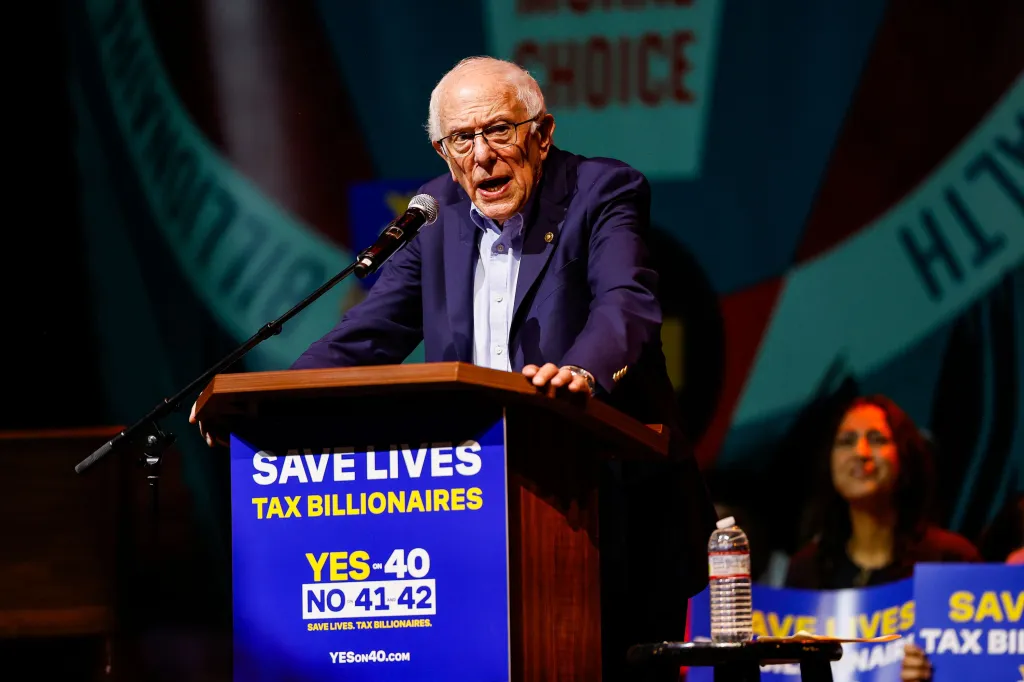
The letter is wrong about everything, from the history of wealth taxes to the proceeds California can expect the tax to provide.
The letter calls Prop. 40 “the first-ever tax on billionaire wealth enacted anywhere in the world.” Governments have taxed billionaires’ net wealth for decades.
Twelve European countries imposed annual net wealth taxes in the 1990s. They raised very little revenue, cost a lot to administer, pushed investment out of their countries, and were politically unpopular. All but three of the European wealth taxes have been repealed.
The letter claims that California billionaires paid income tax equal to just 1.6% of their wealth gains. This is also misleading. 1.6% is not an income-tax rate. It is income taxes paid divided by an increase in estimated asset values, much of it unrealized.
We don’t tax gains on paper. Not for the rich, and not for the middle class. If we did, homeowners would have to pay a tax every year that their home went up in value, even if they were still living in it.
The wealthy actually pay heavy taxes. That’s why when a Biden-era US Treasury study estimated tax payments by wealth, the results showed the wealthiest Americans paid total tax rates of almost 60% of annual income, the highest of any group. And roughly double the rate of the average taxpayer.
Then there is the promised $100 billion in new tax receipts. California’s nonpartisan Legislative Analyst’s Office does not endorse that number, estimating that the tax could raise “tens of billions,” while also reducing state income-tax revenues on an ongoing basis as wealthy taxpayers move away.
The Nobel laureates assert that “it is unlikely any significant number of billionaires successfully cut ties with the Golden State” before the Jan. 1, 2026, effective date of the tax.
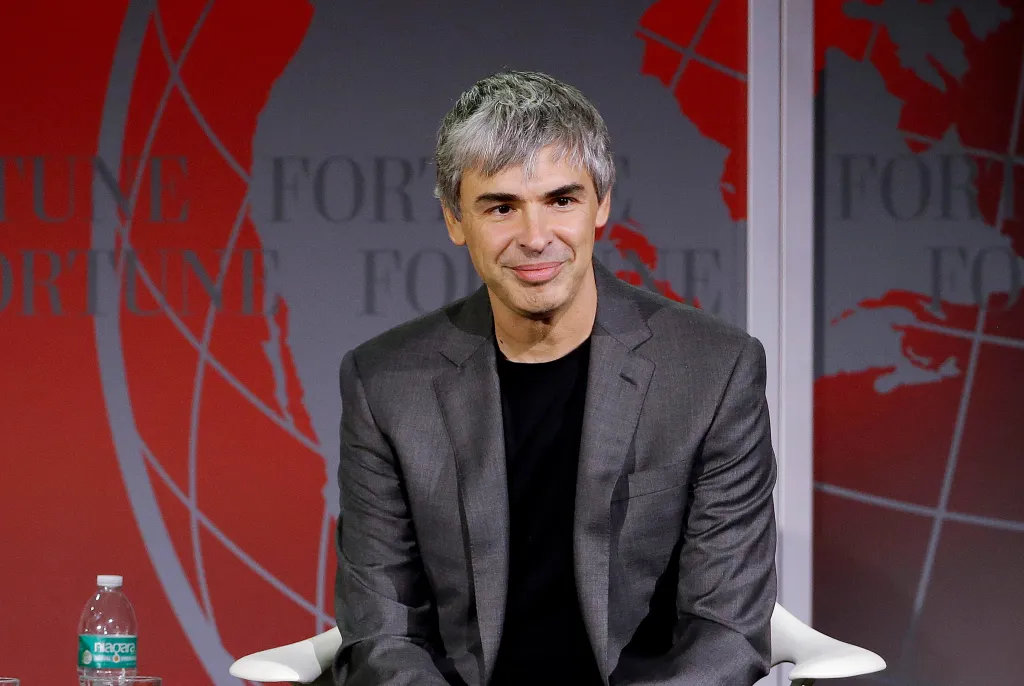
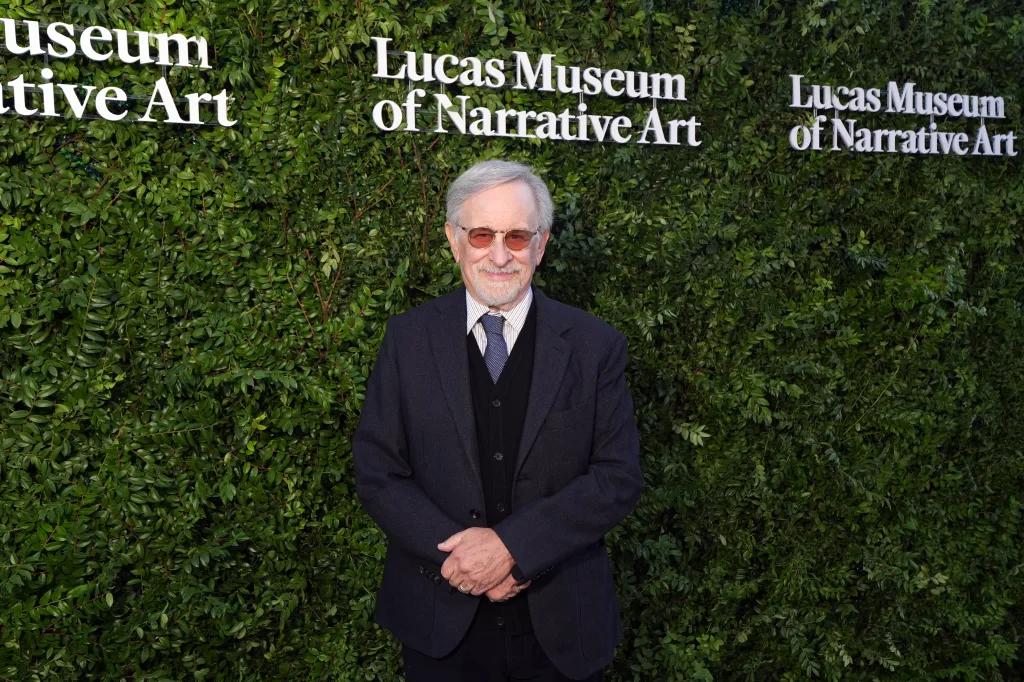
But Sergey Brin, Larry Page, Peter Thiel, Don Hankey, Travis Kalanick, Steven Spielberg, and David Sacks all reportedly left before the cutoff. Stanford University economists Joshua Rauh and Benjamin Jaros found that nearly 30% of the expected taxable wealth left California before the measure even qualified for the ballot.
California may dispute some of these moves, but taxpayers will also dispute the tax’s legality. Prop. 40 could be unconstitutional in as many as eight different ways.
The Nobel laureates’ letter says Prop. 40 would help offset “massive funding cuts” to California’s Medicaid (Medi-Cal) program.
But the so-called “cuts” actually save the state money by adding work or volunteer requirements to receive government health benefits.
In real terms, federal subsidies to California are projected to decline slightly from their pre-pandemic high over the next decade. But even after the “cuts,” a Hoover Institution analysis concluded that “federal spending on Medi-Cal will be 50% higher in 2034 than in 2019.” That is far from a massive cut.
And rising billionaire wealth does not demonstrate these taxpayers have “extraordinary” political power, as the letter’s authors claim. Billionaires do own media properties and fund political campaigns, but spending on either side of the political aisle often cancels itself out.
The authors point out that Sergey Brin has spent $100 million against Prop. 40. Yet Tom Steyer spent more than $220 million of his own money running for governor on a platform that included the wealth tax.
More fundamentally, rising billionaire wealth is not evidence that anyone else has been made poorer. Wealth at the top is overwhelmingly ownership of productive businesses, not piles of money stolen from the rest of the economy. Roughly three-quarters of the assets of the richest 0.1% are ownership stakes in businesses that employ workers, produce goods and services, and finance new investment.
Strip away the Nobel credentials, and the letter’s case rests on a series of claims that don’t hold up. Prestigious signatures don’t change the arithmetic.
Californians deciding on Prop. 40 should weigh the evidence. And on the evidence, the likeliest result is not a windfall for health care spending, but a smaller tax base and a higher tax bill that falls on everyone who stays.
Adam Michel is the director of tax policy studies at the Cato Institute and author of the Liberty Taxed Substack.
The post Not even Nobel Prize winners can save the ‘billionaire tax’ appeared first on New York Post.