Warrants used by the police to search two properties linked to Andrew Mountbatten-Windsor, formerly known as Prince Andrew, were unlawful, a judge in London said on Thursday.
The judge, Nicholas Hilliard, told the courtroom that the police force responsible for the searches had agreed that a “significant error was made in the application for and the granting of the search warrants” but added that the material collected during those searches might ultimately be retained by the police.
“The fact that the search warrants were quashed does not bring an investigation to an end, or mean that the whole of the investigation was unlawful,” Judge Hilliard said.
Mr. Mountbatten-Windsor, the younger brother of King Charles III, was arrested on Feb. 19 on suspicion of misconduct in public office over accusations that he had shared confidential information with Jeffrey Epstein.
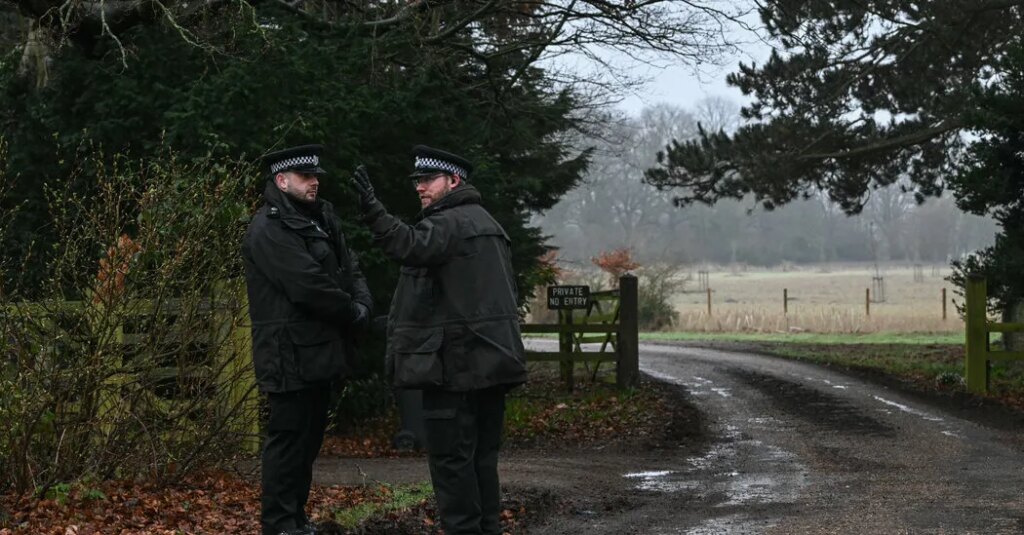
Two properties associated with Mr. Mountbatten-Windsor, including his former residence at Royal Lodge in Windsor and another property on the king’s Sandringham Estate, were searched. Mr. Mountbatten-Windsor was later released without charge and has denied wrongdoing.
The judge said that the police obtained documentary material and electronic devices during the searches of the properties.
During the court hearing on Thursday, it was revealed that Mr. Mountbatten-Windsor had first filed a legal action challenging the search warrants in May. By July 22, the police had agreed they were unlawful, and the High Court quashed them.
However a privacy order, requested by the police while other legal challenges continue over whether it can retain the evidence it collected, prevented the information from being made public until Thursday.
For now, any evidence collected will remain in police custody, the judge said.
A court hearing will be held in 2027 to determine whether the police can continue to retain the property that was seized under the unlawful warrants. Under British law, the police can apply to the court to keep material if they have grounds to immediately seize evidence again using a lawful warrant.
The Thames Valley Police, the police force responsible for conducting the investigation into Mr. Mountbatten-Windsor, had applied for search warrants during a private hearing at England’s Central Criminal Court on Feb. 18, 2026, a day before Mr. Mountbatten-Windsor was arrested and his properties searched.
In a statement, the police force said that the quashing of the warrants “relates specifically to a decision made by the court regarding the legal basis for these and is not a judgment on our ongoing investigation.”
It said that it had “ensured the court was presented with all the necessary information and paperwork to inform their decision, following the correct legal processes throughout,” but it accepted that the initial court’s decision to issue the warrants under a “specific piece of legislation” was incorrect.
The post Warrants to Search Former Prince Andrew’s Properties Were Unlawful, Court Says appeared first on New York Times.