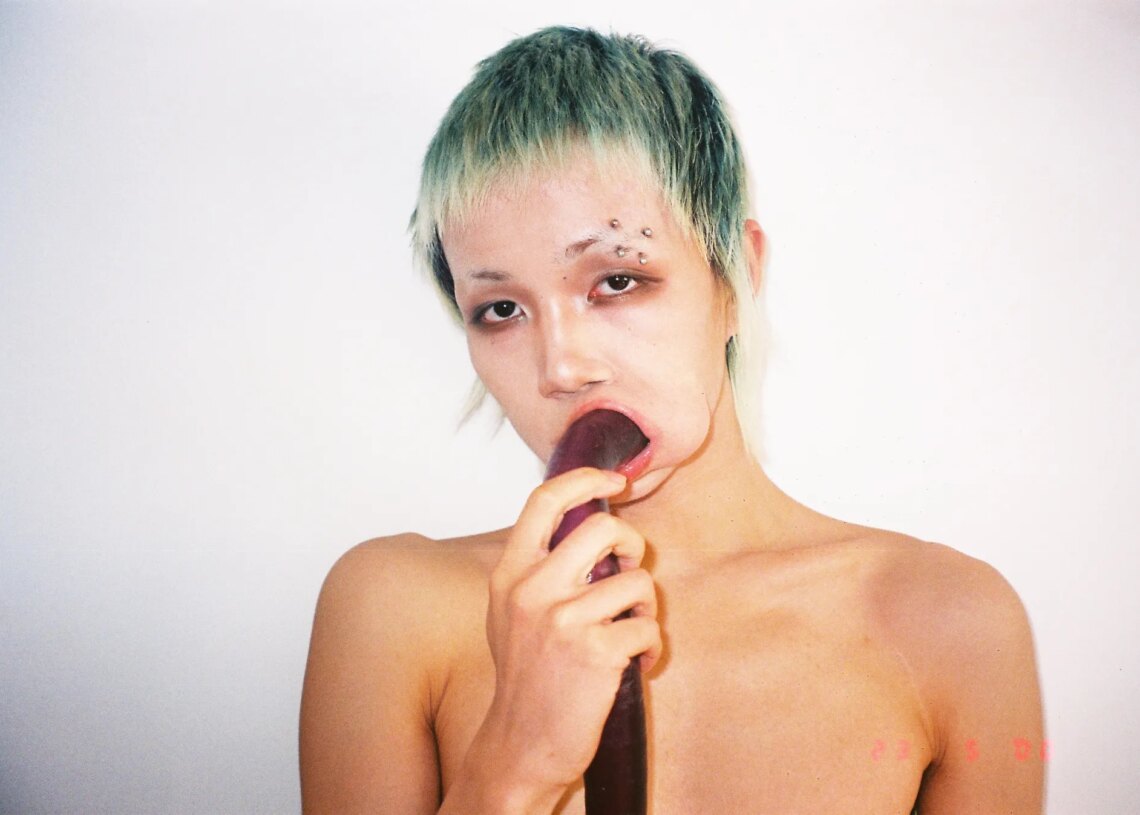
A generational shift is underway in China, where young people are stripping away taboos and becoming more casual about sex.
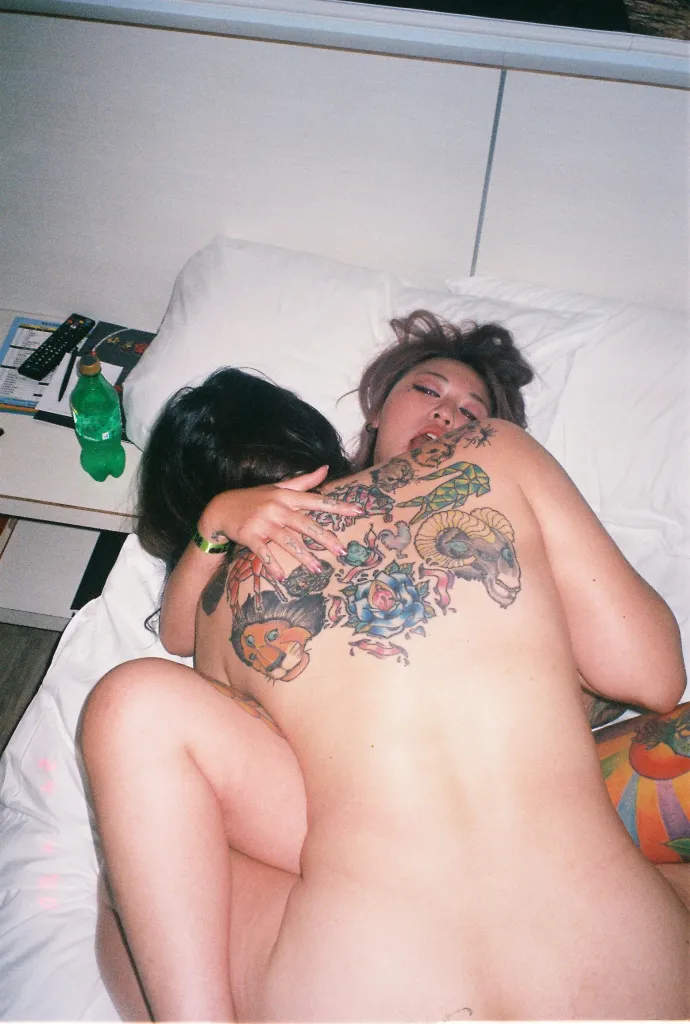
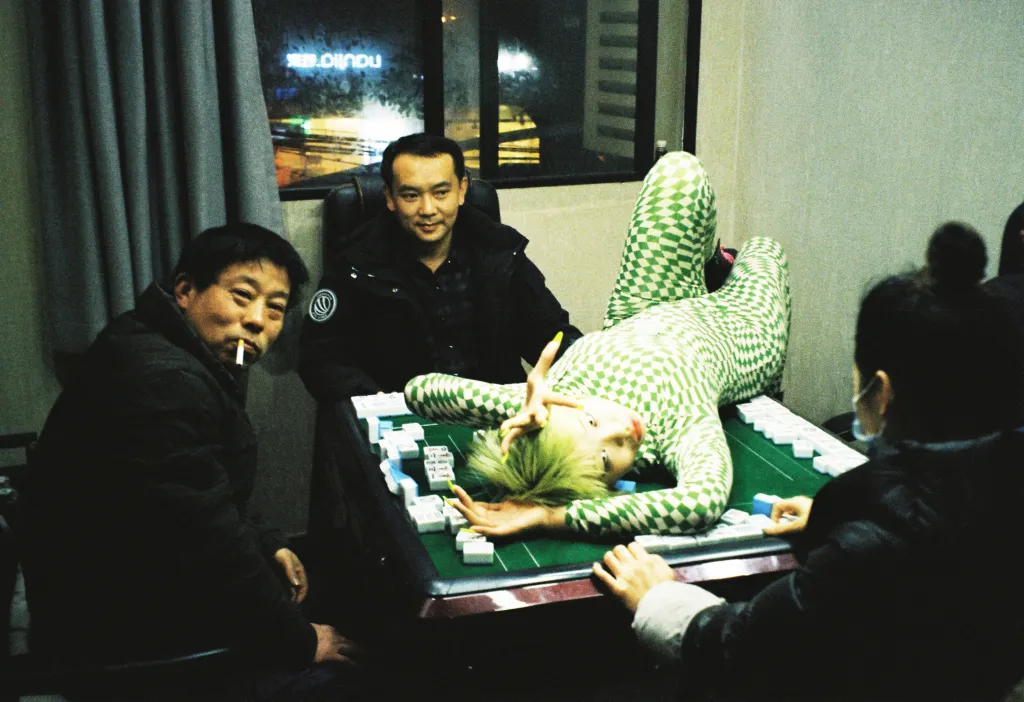
The artist Lao Xie Xie has been photographing Shanghai youth since 2019, following Gen Z through a pandemic and tightening moral codes. His eye-catching pictures give us a glimpse into the lives of young microcommunities thriving underground, despite increasing pressure.
Lao spoke to VICE about his favorite pictures from the series, Shanghai No Why.
VICE: Who are the people you photograph, and what first drew you to them?
Lao Xie Xie: Most of the people in my pictures I encountered through Instagram. It’s usually just the way they present themselves on their profiles—their image, their energy—that catches my attention and makes me reach out. Most of them happen to be Gen Z and from Shanghai.
It’s kind of important that, in China, you need a VPN connection to use Instagram. So if they’re on the app, that kind of prequalifies them as having a different mindset compared to other Chinese people. They might be more against censorship. Rebellious? I don’t know. But they think differently. And they might be more open to taking these kinds of photos, too.
What does sex culture look like among young people in China today?
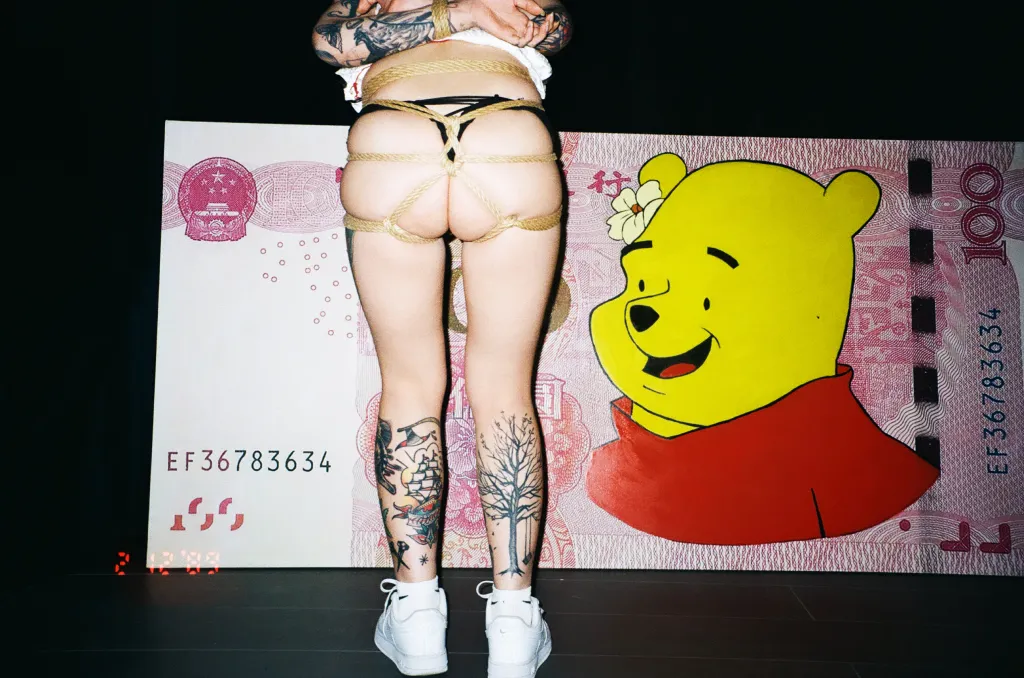
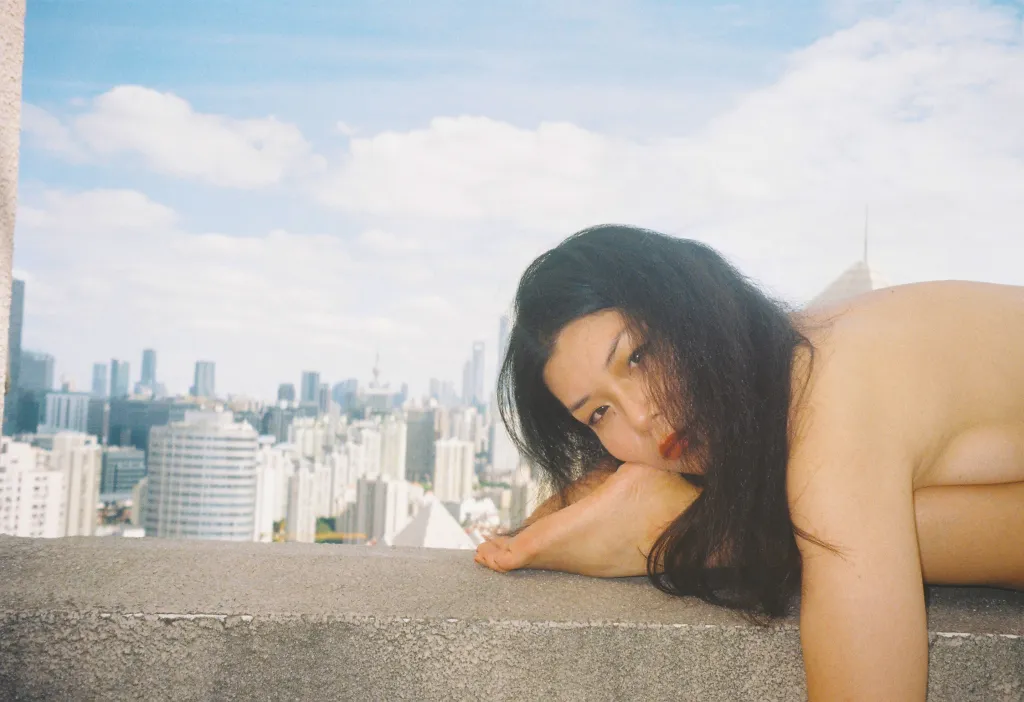
I don’t think my work is tied to sex or sexuality. To me, these photos are about freedom, freedom to present your body differently.
It’s nothing new. Ten years ago, it was [Chinese photographer and poet] Ren Hang, but even before, I used to find albums from the 1970s and 60s at vintage markets in China, of Chinese women posing nude. Nudity, in a way, has always been part of the culture—people wanting to keep a memory of how beautiful their bodies are when they’re young. It’s pretty normal.
Of course, the government likes to communicate that nude bodies equals pornography. Enforce a ban with censorship, threaten with jail [time], actually jail people…
How does China’s cultural climate affect the way young people explore and express their sexuality?
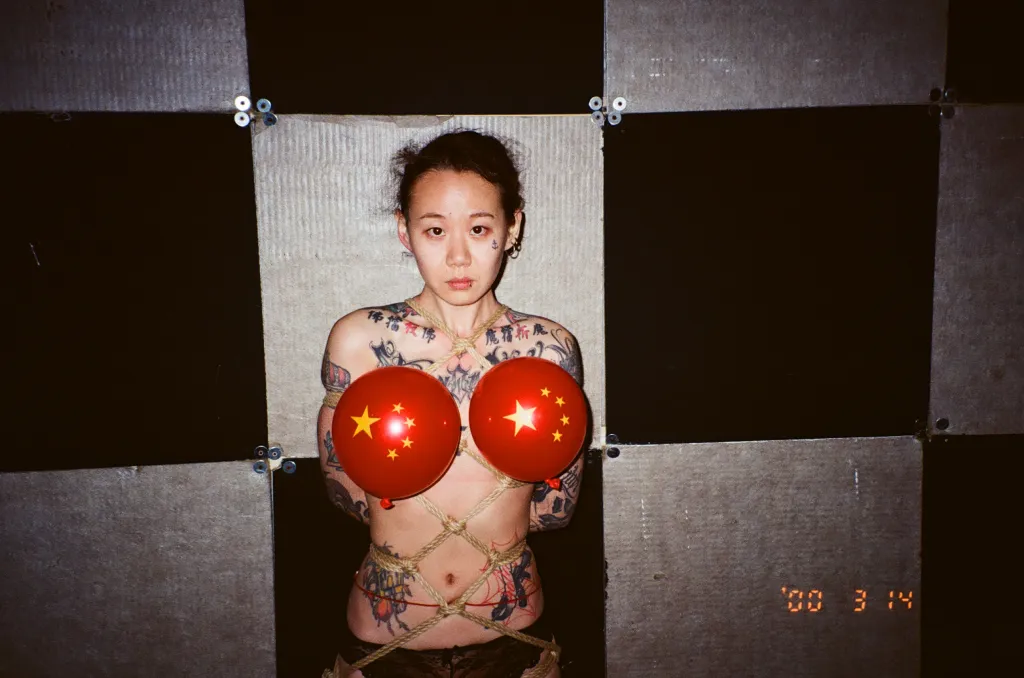
I will be careful answering this, because my work is not a documentary investigation into sexuality or censorship in China. What interests me is the possibility of suggestion. I can take a picture of something without the obligation of explaining it. Sometimes, what makes a picture important is hidden, or outside of the frame. That ambiguity is what makes my work mine. I don’t need to explain everything to make an image meaningful.
“To me, these photos are about freedom, freedom to present your body differently”

At what point does sex culture become counterculture?
I don’t think there is any clear point. In China, you just have a sense that everything is changing very quickly; everything is evolving, getting more advanced and tech-loaded. I remember, in 2020, there was a sex shop called V Spot in Shanghai, and they hosted a lot of crazy shibari events there. As legislation got stricter, they tried to comply to keep things legal: first, the event flyers became non-explicit, then people had to wear underwear while performing. No one could be fully naked, and if you attended, you’d needed to sign a disclaimer of responsibility.
But people still attend.
Yeah. And if it’s a private event, it’s a whole different story, of course. Whether hiding or not, there is a big community underground.
How does Gen Z’s approach to sex differ from that of Millennials or Gen X?
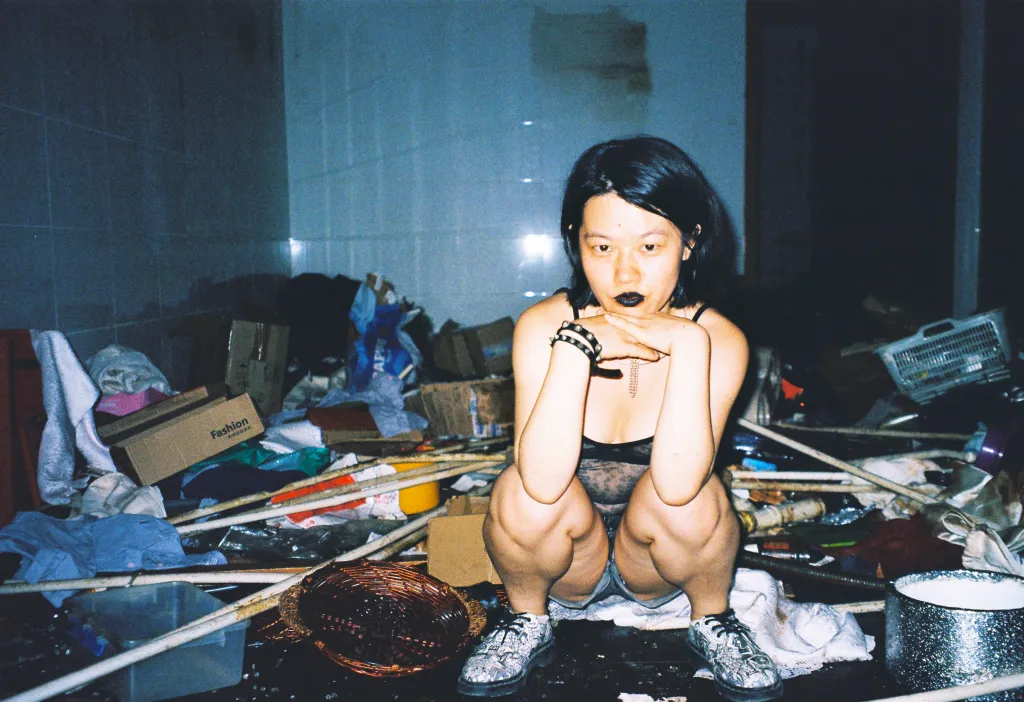
I don’t know. What I can say is that many of the people I photograph belong to a generation obsessed with images. It’s social media and its hyper-aggressive push toward self-representation, and clearly, this influences how they approach relationships and sexuality too.



What is a common belief about people in China in the Western world that’s not valid anymore?
There is a gap between how people behave in public and privately, with the preconception being that Western people may be more open-minded and outspoken about sex than people in China. It’s kind of not true. I think there is a stigma that has dissolved, and Gen Z is treating sex as something more casual, less heavy, compared to the generations before them. It has become something that is easy, and there’s nothing to regret about it.
How did the pandemic change the way young people experience physical intimacy?
I think this is another question that is very personal, kinda different for everyone. What I think happened is that the pandemic actually pushed many young people to leave China, to move abroad to study, to work, to chase something.
“Many of the people I photograph belong to a generation obsessed with images”


What about the effects of social isolation?
You know, it’s really strange, because when I talk to people in Europe, I have the impression that they are way more traumatized about the lockdown period. Frankly, outside of Shanghai, we didn’t have such strict lockdowns, and life went on in relative normalcy.
I think the changes are more the combined results of social media and the pandemic. Perhaps they made this generation less likely to overthink body touching or prioritize meeting in real life, the way that Millennials and Boomers had before.
But again, what I photograph is always a particular person, in a particular moment, and my understanding of that moment is inevitably subjective. The only thing I’m trying to figure out is how people relate to their own image, how they look at others, and what happens when another person looks at them through a camera.
What are some of the stories from the series that have stayed with you?
The first couple I photographed for the series were a woman and a trans woman living together in a house just outside Shanghai. It was kind of a villa where they would also host parties and gatherings, often around shibari. What I remember most was their openness and the atmosphere they created for each other and everyone around them.
They were incredibly open-minded and made the whole experience feel so very natural and friendly. From the beginning, there was a sense of trust and freedom that allowed me to photograph without feeling like I was intruding into their world. I’m forever grateful for them.
“My role is to create the image. But for me, it will never hold the answer”



After spending so much time photographing intimacy, what do you think these images ultimately reveal about how young Chinese people want to love and be loved?
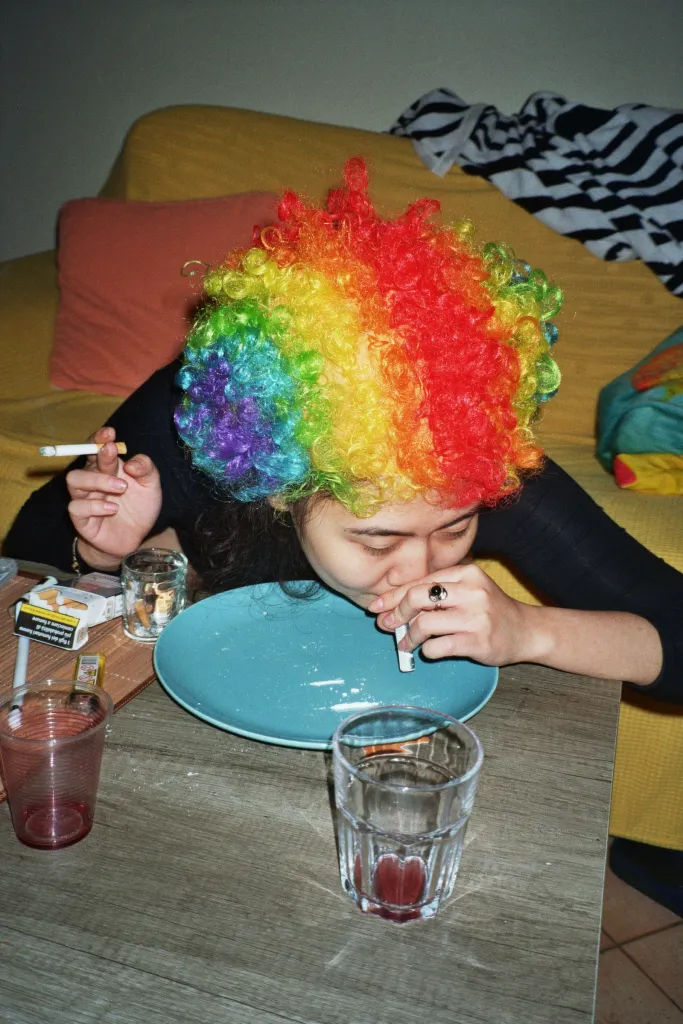
I’m not a documentary photographer. I try to take good pictures of people I find interesting, to convey an idea, and that’s about it. I also haven’t spent my time trying to photograph sex as a subject in itself, so that’s kind of leaving us in the dark here. Sex, intimacy, desire, and sometimes rebellion are present in my work, yes, but they exist alongside friendship, bodies, everyday life, loneliness, humor, fashion, boredom.
I guess my photographs begin with reality, but go beyond that, transformed through my own vision, framing, memory, and imagination. I create my own world through photography. And this is where I think art becomes particularly powerful. Science and philosophy require a certain preparation and language in order to enter their mechanisms. Art has the quality of being accessible even to someone who knows nothing about it. Any of us. The eyes are only instruments for collecting information, but the experience happens through the body, the stomach, the heart, the brain. This is also what I want from my photographs. I want them to create a reaction, something that happens before you decide what the image means. My role is to create the image. But for me, it will never hold the answer.
Find more of Lao Xie Xie’s art at Instagram @lao_xie_xie
The post Gen Z Are Leading a Sexual Revolution in Shanghai, Apparently appeared first on VICE.