The decision by Prime Minister Pedro Sánchez of Spain on Monday to call an early election came after months of escalating crises that have made it hard for him to govern.
He had faced growing pressure after several allies were prosecuted for corruption. A migrant surge into a Spanish territory in North Africa spurred scrutiny of Mr. Sánchez’ migrant-friendly policies. Public outrage over soaring rents and housing scarcity proved the final straw, after Mr. Sánchez’s governing coalition — which lacked a majority in Parliament — on Friday lost its bid to pass new housing legislation to soothe voter anger.
Here’s what to know about how he got here.
Corruption
Mr. Sánchez faced no corruption allegations himself. But people in his inner circle and some of his family members have been convicted or investigated.
A former top official in Mr. Sánchez’ party, José Luis Ábalos, was sentenced in June to 24 years in prison for bribery and corruption. And in May, police raided the headquarters of Mr. Sánchez’ Socialist Party, as officers searched for evidence of a mudslinging campaign against judges investigating Mr. Sánchez’ relatives.
Those relatives include his wife, Begoña Gómez, who is accused of corruption and influence peddling; his brother, David, who was banned from public office after being convicted of receiving a patronage job; and José Luis Rodríguez Zapatero, a former prime minister from Mr. Sánchez’ Socialist Party, who is being investigated for receiving kickbacks. All have denied wrongdoing.
Migrant surge
Tens of thousands of migrants flocked this summer to Ceuta, one of Spain’s territories in North Africa. At least 141 people died during the crossings. Spain’s military was mobilized to manage the surge, and most of the migrants quickly returned to Morocco.
But thousands stayed, creating a lingering logistical crisis in the tiny exclave. Spain’s right-wing leaders have seized on the issue to fuel opposition to Mr. Sánchez, blaming the surge on his migrant-friendly policies. Earlier this year, Mr. Sánchez allowed more than a million undocumented immigrants to apply for legal status to bring them into the formal labor force.
“We’re going into an election with Ceuta invaded,” Santiago Abascal, the leader of the far-right Vox party, said on Monday.
Housing prices
A housing shortage — exacerbated by increasing tourism, immigration and housing investments by wealthy foreign investors — has caused soaring house prices that many residents are struggling to afford.
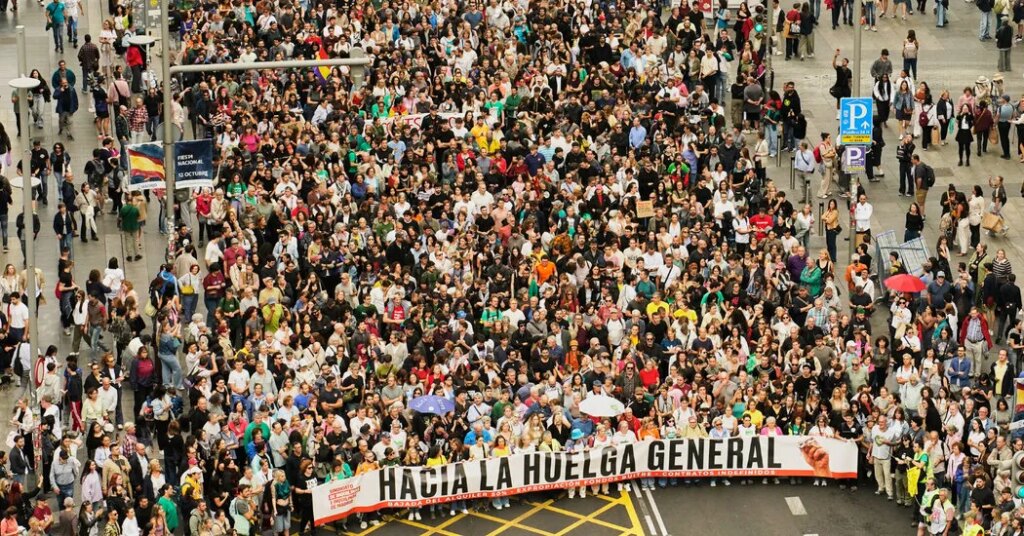
The issue came to a head last month, when an 87-year-old pensioner, María del Carmen Abascal, known throughout Spain as Maricarmen, was evicted from the apartment where she had lived for seven decades. She was allowed to return home a few days later, following a swell of outrage and large protests, and Mr. Sánchez’ government put forward plans in Parliament to ease the crisis.
But the government, which did not control a majority of lawmakers, failed to win the support of a small Catalan party to support the measures and fell short of the votes needed to pass the legislation. That party, Junts, said the plan risked exacerbating the crisis that it was meant to solve.
Carlos Barragán and Jason Horowitz contributed reporting.
The post Why Spain Is Holding an Early Election appeared first on New York Times.