As wildfires raged across eastern Australia at the end of 2019, the small coastal town of Narooma found itself in the path of the flames. Fire swept around the town, knocking out the power and internet.
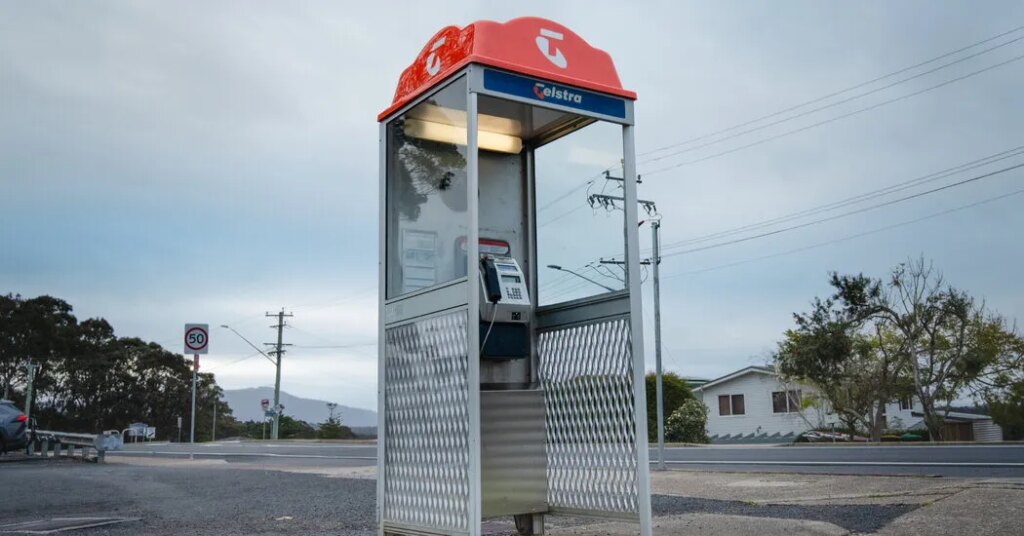
The only connection to the outside world? A handful of old-school pay phones.
One of them — at which hundreds lined up for hours hoping to convey news, both good and bad, to loved ones far away — has now been added to the National Trust of Australia New South Wales Register, the peak community-based body for identifying and conserving heritage in the state. Its induction last week was the first for a pay phone in the state.
Almost 1,000 calls were made from that phone during the crisis and in two months after it, according to Telstra, the communications company that operates public phone booths in Australia. Those who waited in line shared water bottles and snacks and made friends. Among them was Lauren O’Brien Norris, 42, who had been on holiday in Narooma with her family when the wildfires tore through the region.
After the town lost mobile reception, she had been unable to contact her mother for about 24 hours to let her know she was OK. So she lined up to use the pay phone, something she had not done since she was a child.
Ms. O’Brien Norris said she waited as about 150 people in front of her made their calls. Whenever emergency service workers, such as firefighters, came to use the booth, they were ushered to the front of the line.
“It was 100 percent a lifeline for everybody to let their people know that they were OK,” she said on Friday.
After about four hours, she finally made it to the front of the line and called her relieved mother, relaying that the family was safe.
“It doesn’t make a difference how old you are, if you can call your mum, you call her,” she added.
Speaking about the heritage listing, Ms. O’Brien Norris said it was a “wonderful idea,” adding that “a phone box needs to be in every town.”
The heritage listing does not grant the pay phone any legal protections, but it is recognition of the cultural and social role it held during the wildfires. Photos from the time show an orange, smoky sky, with people milling about the phone booth, patiently waiting their turn.
Australia’s pay phones, once ubiquitous fixtures, have dwindled over the years as cellphones became more popular. Around 14,000 public phones remain across the country. They are free to use.
Naomi Parry Duncan, a professional historian who helped prepare the pay phone nomination, said Australia had a long history with this technology.
She was in Narooma on vacation during the wildfires, which extended into 2020, and recalled the entire area being cut off: There was no phone connection and no electricity. All the surrounding roads were closed as fires raged nearby.
“We’re in such a kind of modern world, and that’s absolutely let us down,” Ms. Parry Duncan said, “and here’s this old-school tech that is absolutely invaluable.”
When people think of heritage listings, it is often in relation to grand buildings or great achievements, she added, but the “humble, modest” pay phone “represents this thing that is actually really important.”
The post ‘Humble’ Pay Phone, a Lifeline During Wildfires, Gains Heritage Status appeared first on New York Times.