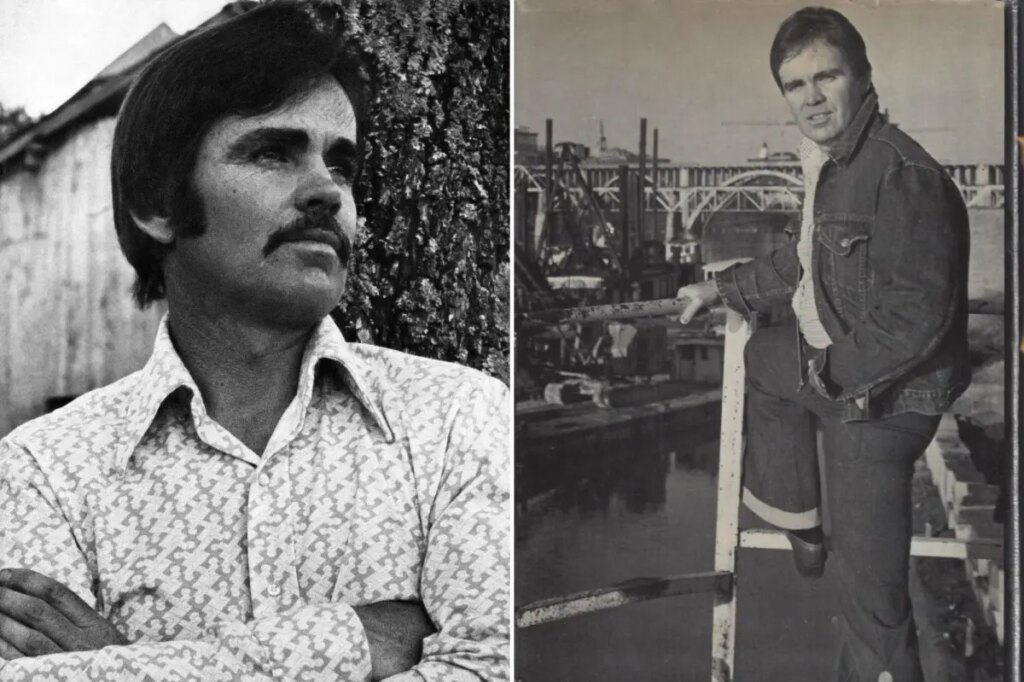
There are few things stranger than reading a highly anticipated new book — in this case, Tracy Daugherty’s biography “Cormac McCarthy: A Legacy Revisited” (St. Martin’s Press, Oct. 6) — only to find yourself cited in it.
My admittedly slight contribution to the afterlife of McCarthy was to have written an article in 2024 that asked, after various unsavory revelations concerning his private life appeared, “Is Cormac McCarthy finished?” I concluded that those bombshells were only the beginning of a bizarre and unpleasant story that would only become more bizarre and unpleasant — all of which could consign the literary titan to the reputational trash can.
Daugherty’s unenviable task in “Cormac McCarthy” is to gaze inside that metaphorical trash can. Also found disposed inside the same bin: Philip Roth, Ernest Hemingway and sundry other Great Men. That Daugherty succeeds in producing a measured, insightful account of a man who once said he found discussion of his life “embarrassing” is impressive.
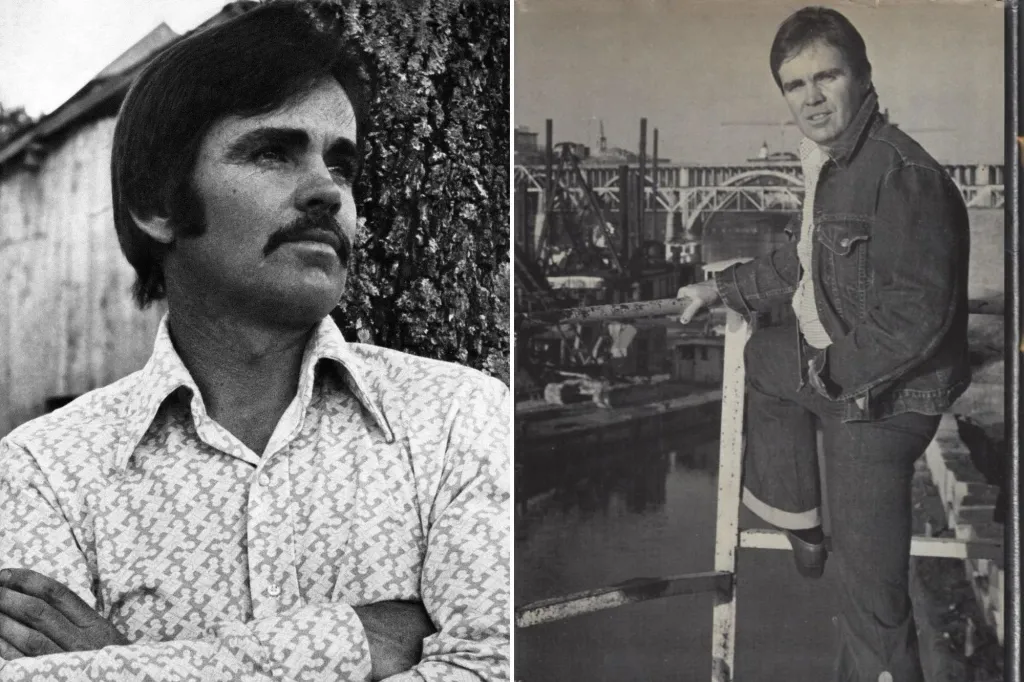
Certainly, McCarthy did his best to convince everyone around him not to delve too deeply into his misdemeanors. Daugherty writes that “McCarthy discouraged interviewers hoping to probe his personal life by telling them that his novel ‘Child of God’ (1973), the story of a murdering necrophiliac, was ‘semi-autobiographical.’ ” As one friend said of him, “He didn’t give a damn. He lived life on his own terms — more so than anyone I have ever known.”
This uncompromising, often selfish existence had its origins in a tough childhood. McCarthy’s father, Charles, was physically abusive to him and his brother Bill, and his mother suffered from fragile mental health that often saw her confined to mental institutions.
Yet Charles could also be empathetic and caring. When he saw Cormac’s drinking and wild youthful behavior, he wrote him a note: “To see you wasting your magnificent talents and rushing headlong into a life of unhappiness seems to tear me up inside and prevents me from using the same intelligence that I could use if you were someone I cared nothing about.”

Man hands on misery to man. McCarthy shrugged. “You grow up in the South,” he reflected later in life, “you’re going to see violence.”
“I felt early on I wasn’t going to be a respectable citizen,” the author wrote. He set about proving this from early in his literary career, in a slightly self-conscious, even stagey fashion. It was typical of McCarthy that his second published short story, “A Drowning Incident,” revolved around puppies being drowned, indicating a lifelong adherence to unpleasantness that permeated his work.
Being cruel to those who loved him was a vital part of this pose. Just before his first novel, “The Orchard Tree,” was published, McCarthy’s first wife Lee snapped at him: “You don’t act as if you want a wife and baby. You act as if you want to be single again.” McCarthy “gazed across the valley” and said, “I guess that’s right.”
When his wife left him and said she wasn’t sure what to do for money, her soon-to-be ex-husband suggested, “Be a whore.”
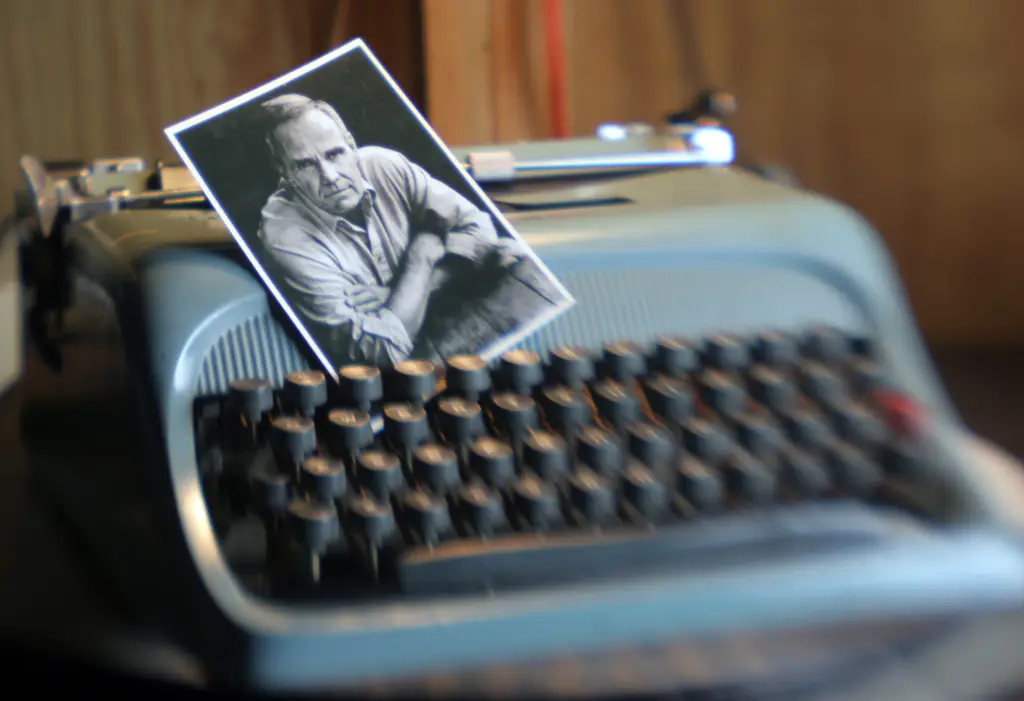
The McCarthy myth — “a man who’d abandoned his wife and child so he could write” — began there. He did much throughout his life to confirm it. In Daugherty’s words, McCarthy “was determined to preserve his intelligence and most of his energy for writing fiction.”
This did not prevent him from a reputation as a lecher. McCarthy was known as a “hound” and none of his friends’ wives were safe from his advances. This devilry exploded spectacularly a year after he died, when a Vanity Fair article alleged that McCarthy had a long affair with a 16-year-old girl, Augusta Britt, when he was in his 40s. He altered Britt’s biographical details to make her seem of legal age. As Britt commented: “There’s nothing more romantic than watching a man forge your birth certificate.”
McCarthy’s nickname for Britt was “Babushka,” shortened to “Baba,” and a friend of his called her a “wild-ass hippie girl.” Their relationship continued in on-and-off forms until McCarthy died, although it was never remotely monogamous or committed on the part of the novelist.
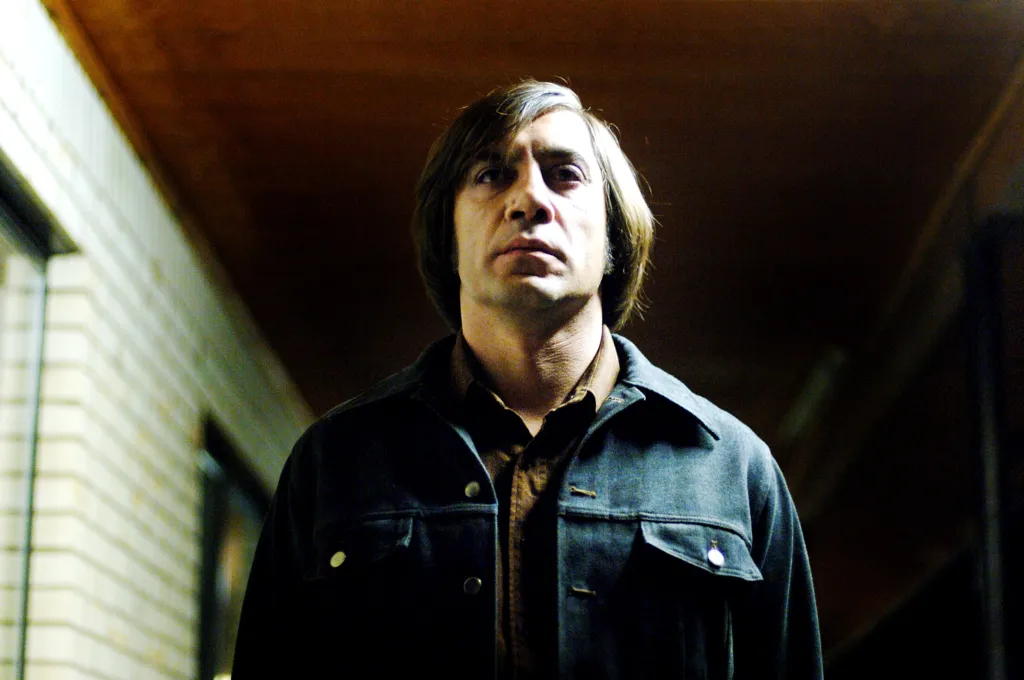
But what of McCarthy’s writing? Daugherty is good on McCarthy’s initially faltering literary career, and skillfully hints that the success of his highly acclaimed later novels, including “The Border Trilogy” and “No Country for Old Men,” stemmed as much from blanket marketing by his confident publishers at Knopf as from any lasting brilliance. McCarthy had little commercial success for years, with his 1979 autobiographical novel “Suttree” receiving poor reviews and posting equally dismal sales.
Many around McCarthy, including established writers such as Larry McMurtry and Ralph Ellison, nonetheless believed in him, and so he was awarded a MacArthur prize — a so-called genius grant — of $236,000 that enabled him to write “Blood Meridian.” That book was similarly a commercial flop, but it has grown massively in stature since it was published in 1985.
In any case, he needed the money. McCarthy said that his living conditions in El Paso were “unfit for human company,” and also remarked that he had been a professional writer for 23 years without ever receiving a royalty check.

As is usual with literary biography, the narrative becomes less interesting when McCarthy becomes a wealthy household name after the publication of “All the Pretty Horses” in 1992, which sold 190,000 copies. But fame gave him little happiness. By 2005, he was known across the country, and multiple novels of his had been or were in the process of being turned into beloved movies. Still, Daugherty tells the reader, “For the umpteenth time, [McCarthy] considered how miserable his achievements made him,” as he mournfully scribbled that year, “Deep misery — I have no-one.”
The film adaptations of his work, including the Oscar-winning success of the highly faithful “No Country For Old Men,” are dealt with briskly but effectively (including the various unmade incarnations of “Blood Meridian”). And Daugherty sensibly does not try to make grand claims for lesser work such as McCarthy’s final two novels, “The Passenger” and “Stella Maris,” and his original screenplay for the perplexing Ridley Scott “thriller” “The Counselor.”
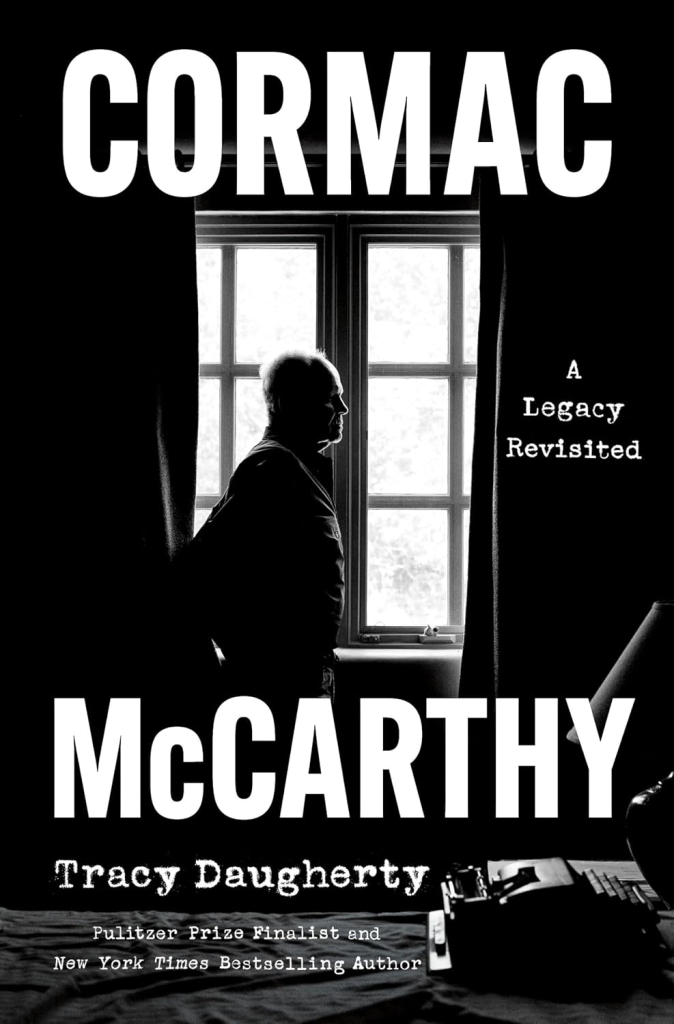
There is no further smoking gun here of sexual transgression, and McCarthy addicts will undoubtedly find this thoroughly researched account of a difficult, ornery life both compelling and satisfying. Yet as Daugherty wonders at the end, reflecting on the 2024 controversy: “Day after day, headlines posed a question only the future will answer: ‘Is Cormac McCarthy finished?’ ” If posterity decides that he is — and if his bleak but strangely artificial works do not endure — then this fine biography may well be cited in the case for the prosecution.
Alexander Larman is the author of “Lazarus: The Second Coming of David Bowie.”
The post Was Cormac McCarthy a horrible guy? appeared first on New York Post.