The U.S. military command in charge of waging the war against Iran will hold a daylong conference this month to discuss ways to limit civilian casualties during combat operations, according to a former Pentagon official and three officials from groups that focus on the issue.
The event, to be held at U.S. Central Command headquarters in Tampa, Fla., will include intelligence analysts and operational staff who prepare military targets, two of the officials said.
Other attendees will include former staff members from a Pentagon initiative created to limit civilian harm that Defense Secretary Pete Hegseth decided to shut down early in his tenure, one of the officials said.
The conference, which has not been previously reported, will feature speakers who have previously advised the Defense Department on how to limit civilian casualties, three of the officials said.
The four officials spoke on the condition of anonymity given the sensitive nature of the event.
More than 1,700 Iranian civilians have been killed in the conflict, according to the Human Rights Activists News Agency, a rights group focused on Iran. The U.S. military has struck more than 15,000 targets in Iran since the United States and Israel began the war seven months ago.
U.S. Central Command, which directs all military operations in the Middle East, said the conference was in the planning stages.
“Centcom’s culture entails periodically convening experts to discuss procedures and best practices for minimizing civilian harm,” Capt. Tim Hawkins, a command spokesman, said in a statement.
Captain Hawkins said the symposium had been planned for months and would include personnel from the Defense Department as well as civilian advocacy organizations.
“As a learning organization, the U.S. military routinely reviews best practices and lessons learned to continuously improve,” he added.
Mr. Hegseth and Adm. Brad Cooper, the head of Central Command, have often described the intensity of U.S. strikes but said little publicly about the civilian toll.
Mr. Hegseth and Gen. Dan Caine, the chairman of the Joint Chiefs of Staff, have not held a news conference to take questions from reporters about the war in Iran since early May.
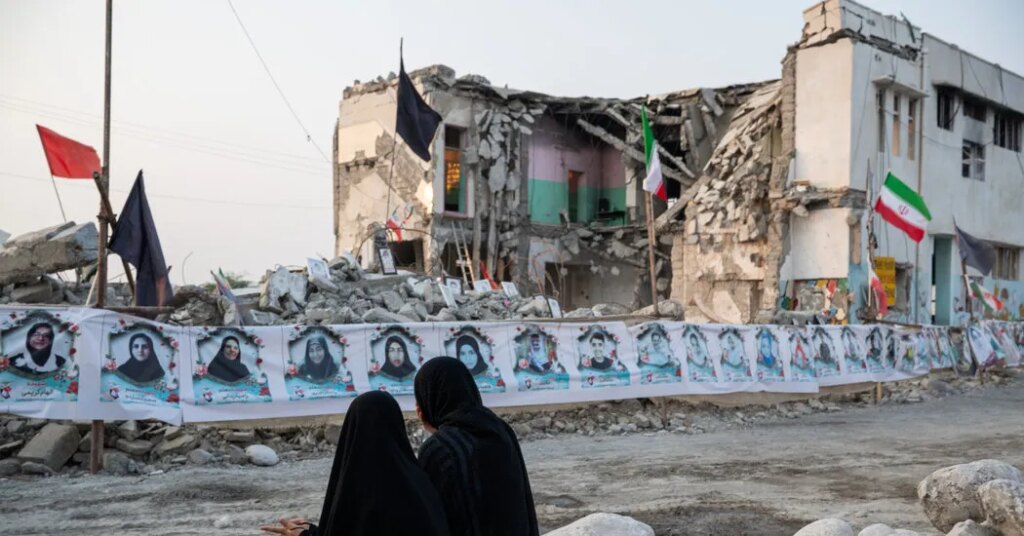
Congress has repeatedly pressed the two leaders to release the findings of an investigation into a strike that killed 120 schoolchildren in the city of Minab on the first day of the war. In May, Admiral Cooper said that the investigation was “coming toward the end” and that he was “committed to full transparency.”
A preliminary inquiry determined that the United States was responsible for the Feb. 28 strike, but the official findings from the investigation have not been made public.
Subsequent U.S. strikes in Iran have killed civilians in a residential area, a family home and a wedding celebration, investigations by The Times found.
In August, the Defense Department acknowledged killing more than 150 civilians in Yemen in three strikes during a seven-week campaign in 2025, the first major combat operation overseen by Mr. Hegseth. The Costs of War Project at Brown University reported that U.S. strikes killed 208 civilians in Yemen during President Trump’s second term.
The event in Tampa is being organized even as the Department of the Army has moved to disband the oversight office dedicated to reducing civilian harm during combat operations. Just seven people from a staff of 40 remain at the office, which Mr. Hegseth gutted early in his term.
Two of the people interviewed for this story said that an Army official emailed a memo to the center’s remaining staff reassigning them to other positions in the department, but that those changes were withdrawn after a member of the House Armed Services Committee intervened.
The effort to finally shut down the center, and the congressional intervention that prevented its closure, have not been previously reported.
On Thursday, a spokesman for the Army said the service was unable to confirm or comment on the effort to reassign the remaining personnel from the center.
The center was part of a larger effort called Civilian Harm and Mitigation Response, or C.H.M.R. (pronounced “shimmer”), created in August 2022 after the Pentagon released a plan to reduce civilian harm.
Over the next two years, close to 200 staff members were hired across intelligence agencies, combatant commands and a center of excellence responsible for delivering training and policy, former staff members said.
Staff members in combatant command operations were assigned to assess targets, avoid mistaken identifications and offer alternative strike options if civilian lives were at risk. Other staff members carried out post-strike analysis of deadly episodes.
Officials at combatant commands expressed concern about proposed cuts to the program early in Mr. Hegseth’s term, according to a report by the inspector general at the Defense Department.
Admiral Cooper said at a Senate hearing in May that the civilian-harm team assigned to Central Command had been reduced from 10 people to one.
The post Military Leaders Will Examine Ways to Limit Civilian Deaths in War appeared first on New York Times.