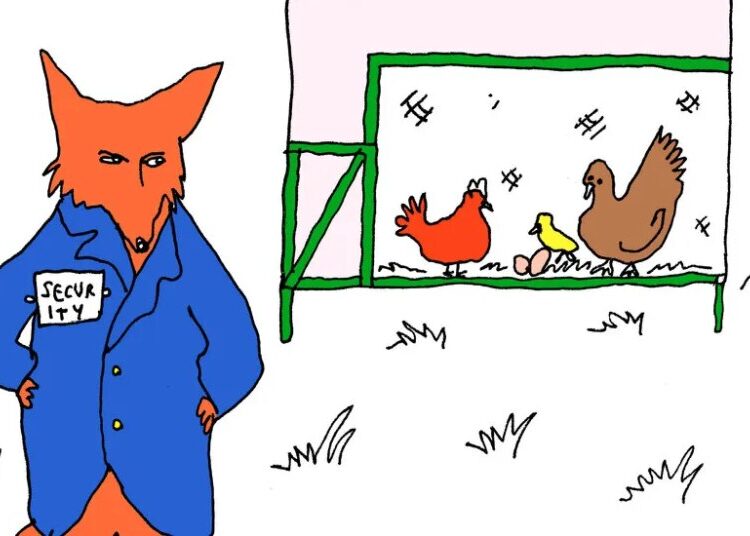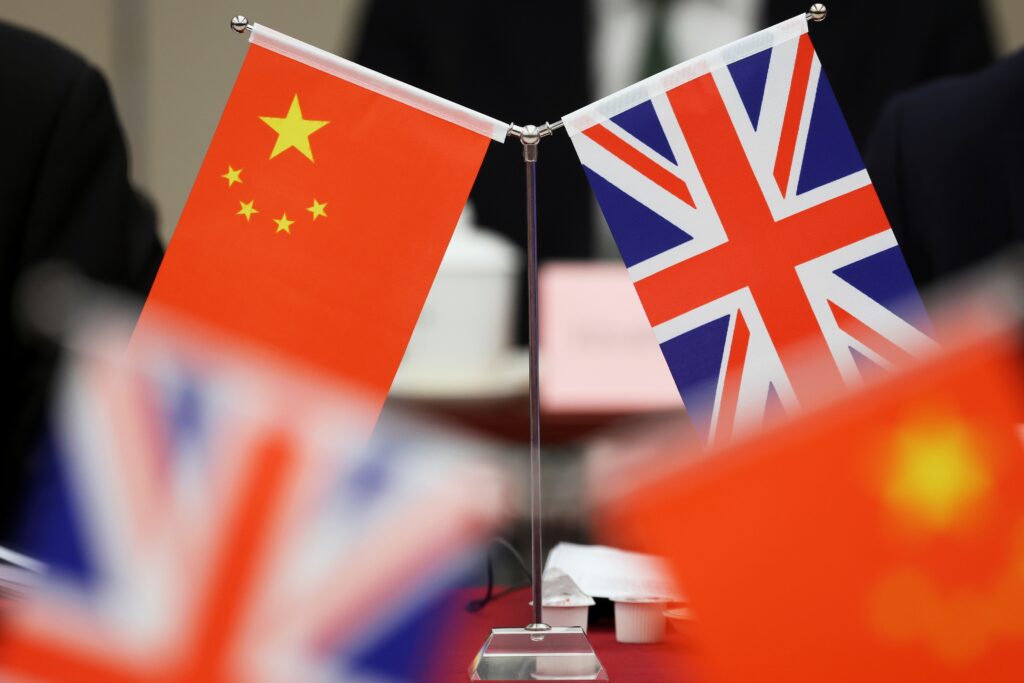
LONDON — A prominent Chinese research institute based in Beijing secretly operates as a front for the country’s main spy agency, aiming to acquire sensitive technologies and expertise from Western universities and laboratories, British intelligence officials said Wednesday.
The organization, known as the China General Technology Research Institute, hid its ties to the Chinese Ministry of State Security (MSS) while financing projects designed to pilfer expertise on artificial intelligence, covert communications and other technologies, British intelligence said.
“The primary purpose is to fund academic research that directly improves MSS technical capability for espionage,” MI5, Britain’s domestic intelligence agency, said in an extraordinary statement issued Wednesday. It is rare for such allegations to be leveled so directly or publicly.
The “espionage alert” statement — the first of its kind issued by MI5 — is part of an expanding effort by the British government and its allies to enlist normally secret intelligence services in raising public alarms about the scale and threat of Chinese espionage.
The institute, also referred to as the China Academy of General Technology, has such extensive ties to United Kingdom research organizations that MI5 officials said they had found “more than 100 UK-linked academics” who had contributed to projects secretly “funded by MSS via” intermediaries.
British officials said they were advising U.K. academic institutions to sever ties with the Chinese institute.
Wednesday’s announcement follows a similar alert issued in June by the United States, Britain, Australia and other members of the Five Eyes intelligence partnership. That statement warned that China was using LinkedIn and other job search platforms to pry secret information from security professionals.
Chinese government officials were not immediately available for comment.
Efforts to contact the institute, which appears on a Chinese government database with a Beijing address, were unsuccessful. A man answering a phone number associated with the institute hung up when told that the caller was a reporter for The Washington Post.
The MI5 alert “exposes attempts by Chinese intelligence to covertly benefit from the expertise and research of our academics, undermining our national security,” British Security Minister Dan Jarvis said in a statement.
Former officials and China experts described the MI5 warning as a reflection of escalating concern in an era of intense competition between the West and Beijing to gain the upper hand in artificial intelligence, drones and other technologies that are transforming warfare and espionage.
“It is long overdue” but a critical step to making sure that “universities, research institutes and other entities start taking this threat more seriously,” said Charlie Parton, a former high-ranking British diplomat in Asia who serves as a senior associate with the Council on Geostrategy, a British think tank.
The MI5 alert did not identify specific universities or name academics who had accepted money from the Chinese institute. But Jarvis said he had “written to all university Vice-Chancellors to ensure they support their staff to end all arrangements with this company.”
The alert acknowledged that many had likely “engaged with CGTRI in good faith given CGTRI’s obfuscated links” to Chinese intelligence.
Even so, the statement carried a warning that those failing to sever university or research ties to the institute could face prosecution under a 2023 national security law that makes it illegal to engage in conduct “that is likely to materially assist a foreign intelligence service.”
British authorities have had mixed success in recent high-profile cases involving allegations of Chinese espionage.
Earlier this year, a U.K. border force officer and Hong Kong trade official became the first suspects convicted of spying for China under a sweeping new British national security law.
The two men were charged with monitoring Hong Kong dissidents and democracy activists in the U.K. for years as part of a surveillance operation that also involved a former British Royal Marine who died by suicide in a London park after his arrest.
In 2025, however, legal and political complications derailed the British prosecution of two British nationals — a teacher who had worked in China and a parliamentary researcher — who had been accused of spying on Parliament.
Britain has sought to strike a delicate balance in its relationship with China, a country seen as a security threat to be contained even as U.K. officials seek to maintain productive trade relations with Beijing. The importance of that relationship has arguably risen as tariffs imposed by President Donald Trump have pushed Britain to reduce its reliance on linkages to the U.S. economy.
Trump hosted Chinese President Xi Jinping this month in a state visit that was marked by lavish displays toward the Chinese leader but delivered no major diplomatic breakthroughs.
Joshua Yang in Washington contributed to this report.
The post U.K. accuses China of operating institute as front for espionage appeared first on Washington Post.