More NATO countries are buying a counter-drone system proven in Ukraine, a US defense official told Business Insider, as allies look to harden their defenses against repeated airspace incursions.
At least six countries have either purchased the American-made Merops system or are in the process of doing so. Most of them are NATO countries on the Eastern flank, the defense official said, speaking on condition of anonymity to discuss the developments.
A source close to Perennial Autonomy, the US defense firm that makes Merops and other drones used in Ukraine, confirmed there is significant interest in the system across NATO’s Eastern flank.
There were only three NATO Merops operators in November 2025. The updated figure, which has not been reported previously, underscores the rising interest in cheap interceptor drones among the US and its European allies.
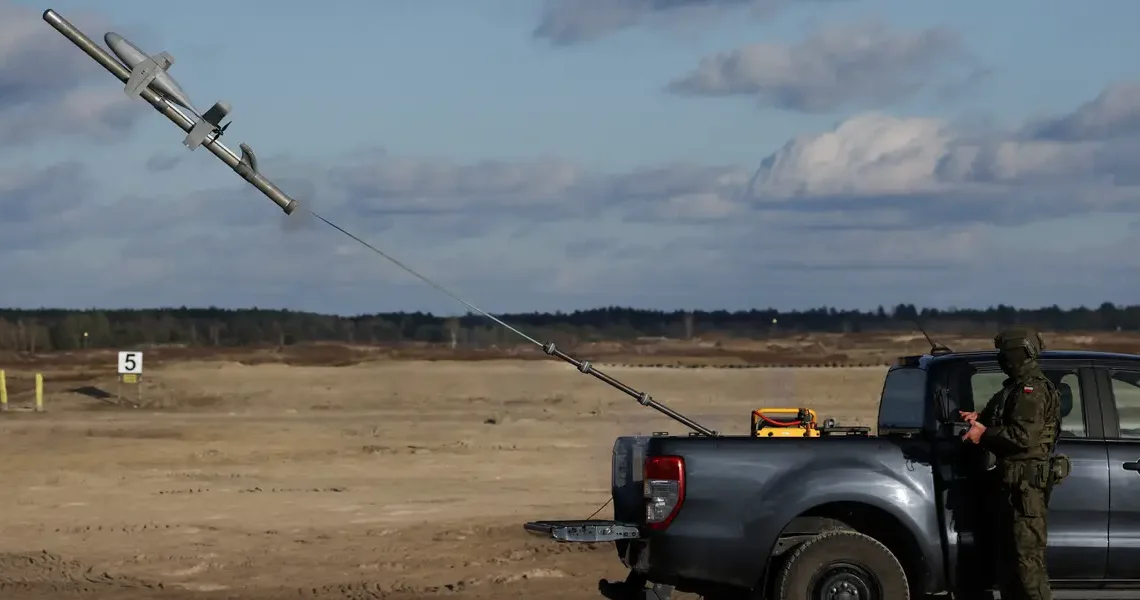
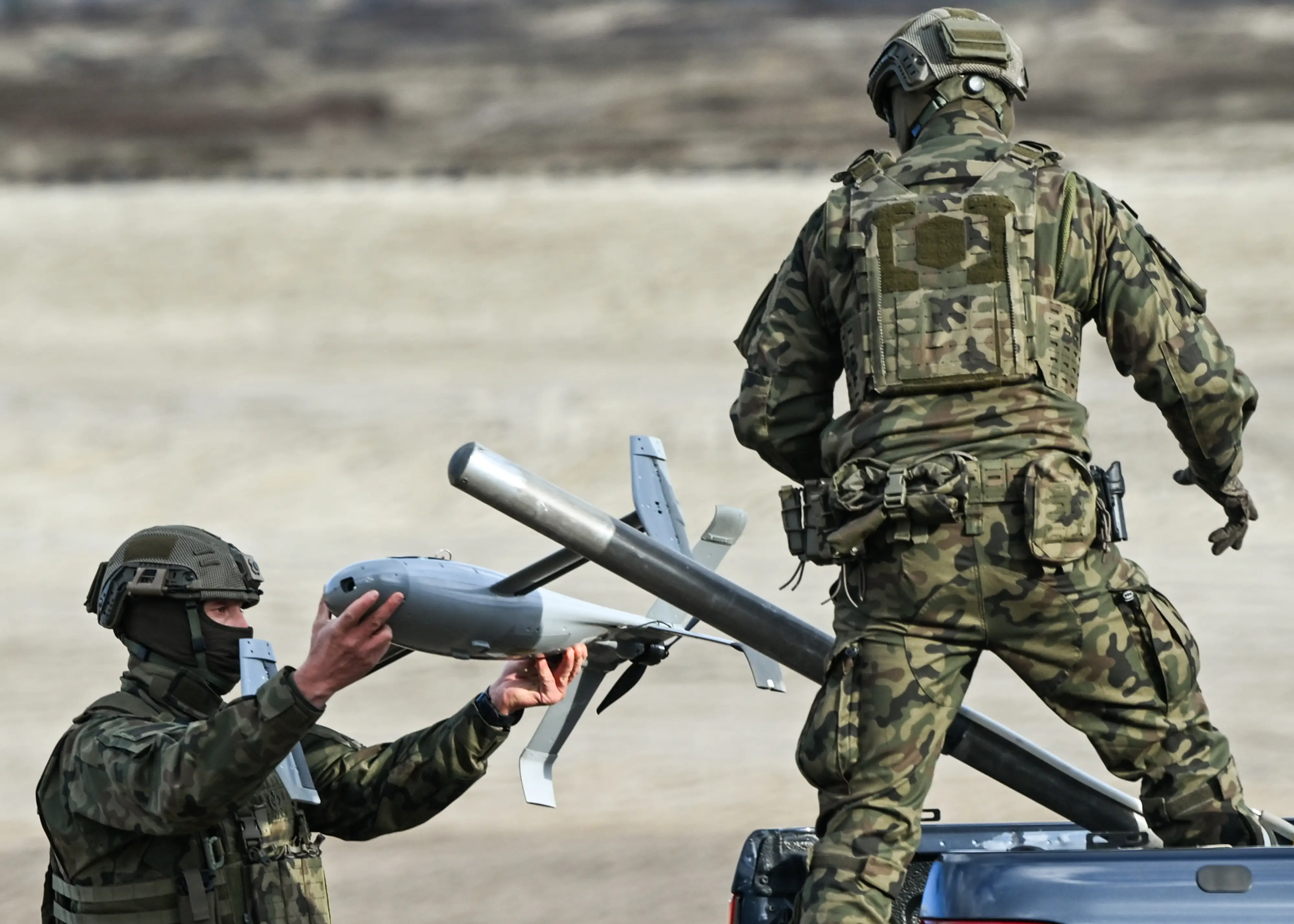
Merops consists of a radar, launcher, ground control station, and a $15,000 interceptor that can reach speeds of more than 175 mph. The interceptor uses artificial intelligence to navigate areas saturated with electronic warfare, a common challenge in Ukraine.
The interceptor can be launched from flexible locations, including the bed of a pickup truck, and destroys its targets by colliding with them or exploding in proximity. The system as a whole is operated by a small crew that can be trained in a matter of days.
Merops was first deployed to Ukraine, where it has been used to down thousands of Russian drones, including armed attack aircraft. Western military officials have lauded the system’s proven success in this war.
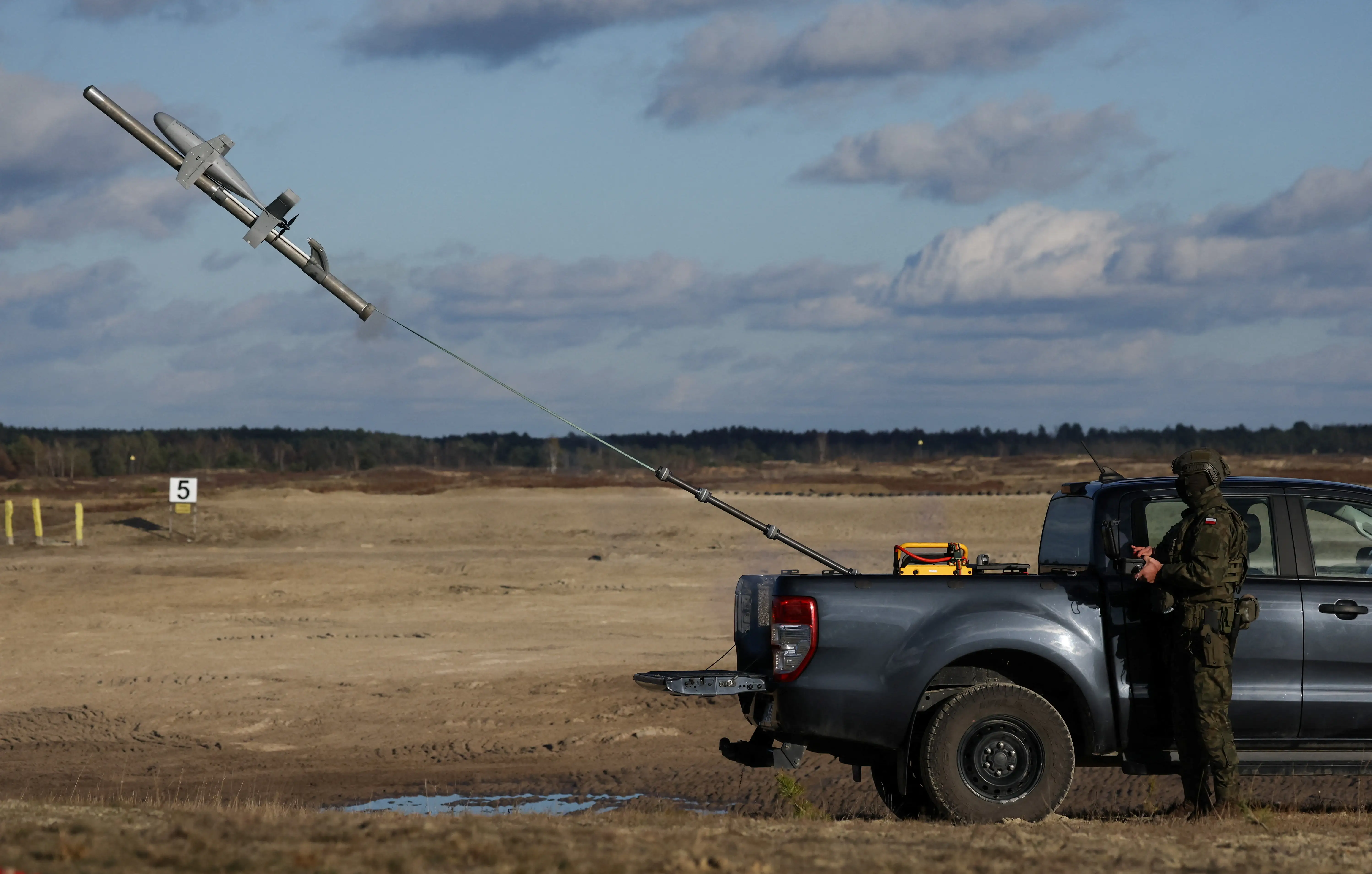
Poland and Romania purchased and deployed Merops after Russian drones violated NATO airspace in September 2025. Lithuania said in April that it planned to buy a test batch of systems.
The US Army, an early Merops operator, deployed the system to the Middle East at the start of the Iran war. Dan Driscoll, then the Army secretary, said earlier this year that the service had purchased thousands of interceptors. American troops have since used the system to destroy at least one Iranian drone in the region.
Merops is much cheaper than many other counter-drone systems in the US arsenal; the interceptor, at $15,000 apiece, can kill a drone that costs twice as much while allowing troops to save their high-end missiles for more challenging threats.
Surging interest in Merops among NATO countries comes as part of a broader push to harden the Eastern flank — which includes allied countries from the Baltic Sea to the Black Sea — with sensors, interceptors, and other technology to counter drones.
NATO’s Eastern flank has seen a spike in airspace violations in recent months, with Western officials repeatedly blaming Russia for drone incursions that often lead allies to scramble expensive fighter aircraft in response.
Sending pilots in crewed fighter jets after cheap drones with expensive air-to-air missiles isn’t an ideal solution, so NATO countries have been seeking cheaper methods to engage drones. The US defense official said that Eastern flank allies are also buying additional counter-drone technology beyond Merops. They did not specify which systems.
Lt. Col. Adam Scher, a spokesperson for Joint Interagency Task Force 401, a US Department of Defense organization that coordinates counter-drone efforts across the military and federal agencies, said that the task force helps allies and partners rapidly acquire advanced technology in response to the evolving drone threat.
“There is no silver bullet” for drone defense, Scher told Business Insider, so the task force, along with US allies and partners, continues “to build a layered defense that requires the purchase of sensors, active and passive radars, cameras, as well as non-kinetic and kinetic effectors to ensure our warfighters have the best available technology to protect themselves from the threats caused by the illicit use of drones.”
Read the original article on Business Insider
The post More NATO countries are buying a US-made interceptor that has downed thousands of Russian drones in Ukraine appeared first on Business Insider.