Flu season is upon us, and millions will catch the virus. Last year, at least 32 million Americans got influenza, leading to almost 400,000 hospitalizations and at least 24,000 deaths.
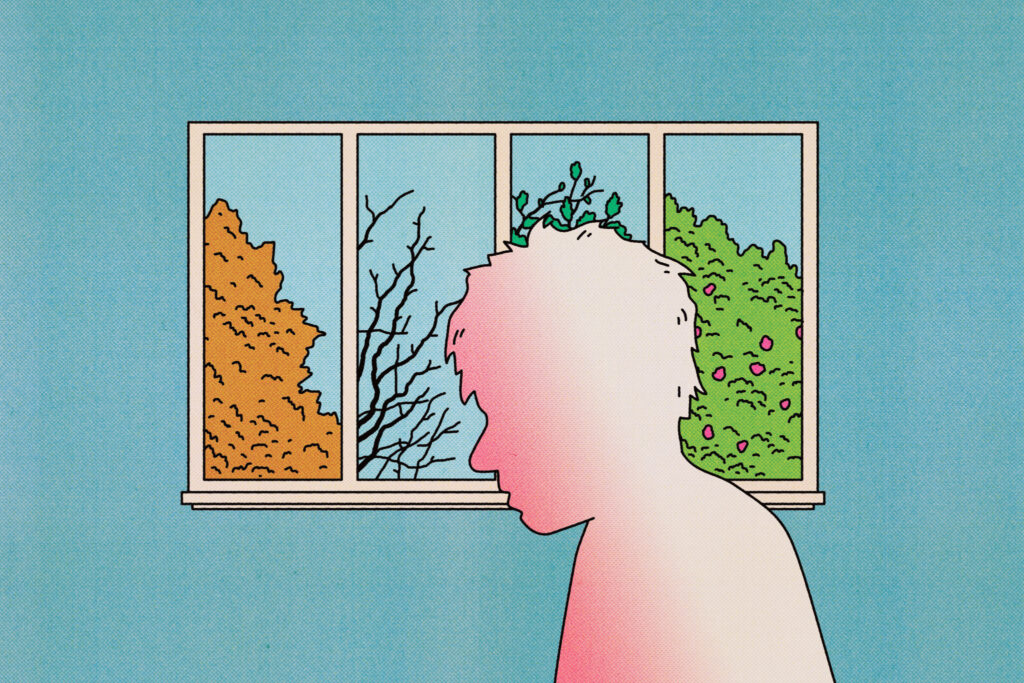
But a bout of flu doesn’t always end after the coughing, fever and runny nose. Some people may develop “long flu,” with persistent symptoms affecting not only the respiratory system, where the influenza virus first strikes, but other body organs, including the brain.
A large 2024 study published in the journal the Lancet Infectious Diseases found that the long-lasting health consequences of flu eclipse by a large degree the symptoms when you first catch it, said Ziyad Al-Aly, a senior clinical epidemiologist at Washington University in St. Louis and co-author of the study.
Before the pandemic and the rise of long covid, most people — including doctors like Al-Aly — believed that getting the flu meant being out of commission for a few weeks at most.
But looking at what happens after the flu in their own data, it was eye-opening, Al-Aly said.
Long flu vs. long covid
In the study, Al-Aly and his colleagues analyzed medical records of over 80,000 people hospitalized for covid and over 10,000 people hospitalized for seasonal flu.
The researchers found that people in both groups still reported health problems up to 18 months after their infection. Long flu is particularly hard on the lungs compared with covid and was associated with a larger increase in risk of chest pain, rapid heart rate, cough, low blood oxygen, shortness of breath and Type 1 diabetes. (Viral infections like covid and the flu can increase the risk of autoimmune diseases like Type 1 diabetes in both adults and children.)
While not as severe on the other organ systems as long covid, the long-term effects of flu still outweighed its short-term harms on almost every organ system evaluated, including the brain, heart and kidney.
Like long covid, which is estimated to affect up to 1 in 6 people who get the coronavirus, long flu also had notable psychiatric and neurological impacts. Mental health diagnoses affected 59 out of 100 people, while neurological symptoms, such as cognitive impairment, memory problems and sleepiness, affected more than half of people in the Lancet Infectious Diseases study. (For covid, 63 out of 100 people had mental health symptoms and 57 out of 100 people had neurological symptoms.)
We don’t know how prevalent long flu is because it’s an emerging area of research, though Al-Aly suspected about 3 to 5 percent of people who get the flu may develop long-term symptoms, given the data he’s collected.
But history shows that phenomena like long flu and long covid are not new.
There have been multiple flu pandemics that caused a wave of chronic illness and disability. During and after the 1918 flu pandemic, people complained of symptoms that sounded similar to the “brain fog” associated with long covid, including lethargy, forgetfulness and hazy thinking. Years after, there was a rise in Parkinson’s-like symptoms tied to the flu, as well as a coinciding epidemic of sleeping sickness, or encephalitis lethargica, which could cause extreme sleepiness and movement difficulties and may have been linked to the flu.
Similar long-lasting symptoms, known as post-acute infection syndromes, followed in the wake of other illnesses, such as respiratory viruses SARS and Middle East respiratory syndrome (MERS), and Ebola, Lyme disease and dengue.
The more we understand what acute infections are doing, the more we understand their long-term consequences, Al-Aly said. “It sort of eats something. It may eat some functional reserve.”
How infections can affect the brain
Many influenza virus strains, including the common seasonal strains as well as the one behind the pandemic of 1918, don’t usually directly infect the nervous system or brain. But there is growing evidence that the immune response plays a role in the infection’s long-lasting effects.
Research shows that the immune system responds to infections by releasing inflammatory cytokines in the blood, which can permeate into the brain.
“These cytokines have a very big effect on the function of the other organs, especially the brain, because they can activate the immune cells in the brain and this can lead to some neuronal damage,” said Shirin Hosseini, a researcher in the Technical University of Braunschweig’s department of cellular neurobiology who studies the consequences of viral infections on the nervous system.
Hosseini and her colleagues had reported ways that influenza viruses can induce long-term neurological effects back in 2018, but it was only with the arrival of the coronavirus pandemic that the research got noticed.
“After long covid, the citation of my paper suddenly increased,” Hosseini said. “Because they say that, yes, these respiratory infections can lead to the long-term effects on the nervous system.”
In the study, which was published in the Journal of Neuroscience, Hosseini and her colleagues infected mice with influenza virus and examined their brains a month later. Even 30 days after infection, there were signs of neuroinflammation and changes to neurons in the hippocampus, a crucial brain area for learning and memory.
“The hippocampus is a very sensitive area to these inflammatory responses,” Hosseini said.
The strain of the influenza virus also mattered. Virus strains are like dog breeds, Al-Aly said. “One could be a German shepherd and one could be a Chihuahua” and behave differently even if they are still both of the same species, he said.
In the mice, there were no signs of long-term effects with the milder H1N1 strain — a subtype of seasonal flu formerly known as the swine flu — after 30 days.
But with the more severe H3N2 strain — a subtype of the seasonal flu — and H7N7 (the avian flu), there was decreased neuroplasticity in the hippocampus neurons and impaired memory in the mice. (Neuroplasticity refers to the brain’s ability to change or reorganize its neural connections.)
By 120 days, however, it looked as though the brain had recovered to baseline in young adult mice. Hosseini is conducting further study on older mice and so far has seen their brains do not recover as well.
How to prevent long flu
When there’s potential for viruses to cause neuronal damage, then “we have to prevent getting infected as much as possible,” Hosseini said.
Thankfully, the flu vaccine helps prime your immune system to fight off the virus, reducing short- and long-term health consequences.
“Getting vaccinated is really the right thing to do here,” Al-Aly said, adding that it can help protect against a serious infection as well as reduce your risk for long flu.
It remains unclear how much vaccination protects against long flu. But research has shown that the flu vaccine is linked to a reduced heart disease risk — by 20 to 50 percent. It is also associated with lowered dementia risk.
The flu vaccine is recommended for adults and children older than six months. And according to the American Academy of Family Physicians, October is the best time to get it.
Do you have a question about human behavior or neuroscience? Email [email protected] and we may answer it in a future column.
The post ‘Long flu’ can linger for months. Here’s how to reduce your risk. appeared first on Washington Post.