One of the more contentious issues President Trump and Mr. Xi are expected to discuss at their summit this week concerns Silicon Valley’s repeated claim that Chinese artificial intelligence companies are maliciously copying advanced American technology.
The big American A.I. labs have long accused Chinese companies, including the tech giant Alibaba, of copying their intellectual property using a technique called “distillation.” The technique allows researchers to collect data from an established A.I. system and use it to build a new system.
Mr. Trump, appearing alongside Mr. Xi at the White House on Thursday morning, listed super intelligence — his preferred term for A.I. — among the “pressing issues” that would be addressed. In a social media post before the meeting, he said it would be a “big topic of discussion” and suggested there would be no change to the way the industry is regulated, despite increasing calls for more government guardrails.
White House officials, however, are expected to confront Mr. Xi over distillation and the copying of American technology, according to recent reports. Chinese companies have never publicly responded to the allegations.
First developed in the early 2010s, distillation was originally a way to build more efficient A.I. systems. Two American A.I. labs, Anthropic and OpenAI, still use distillation in developing their own products. After creating a powerful system like Claude Opus, Anthropic will spend weeks distilling the technology into more efficient systems with names like Claude Sonnet and Claude Haiku.
But the labs get annoyed when other companies distill their technologies. Under their terms of service, the two start-ups do not allow outside companies or individuals to distill their most powerful technologies.
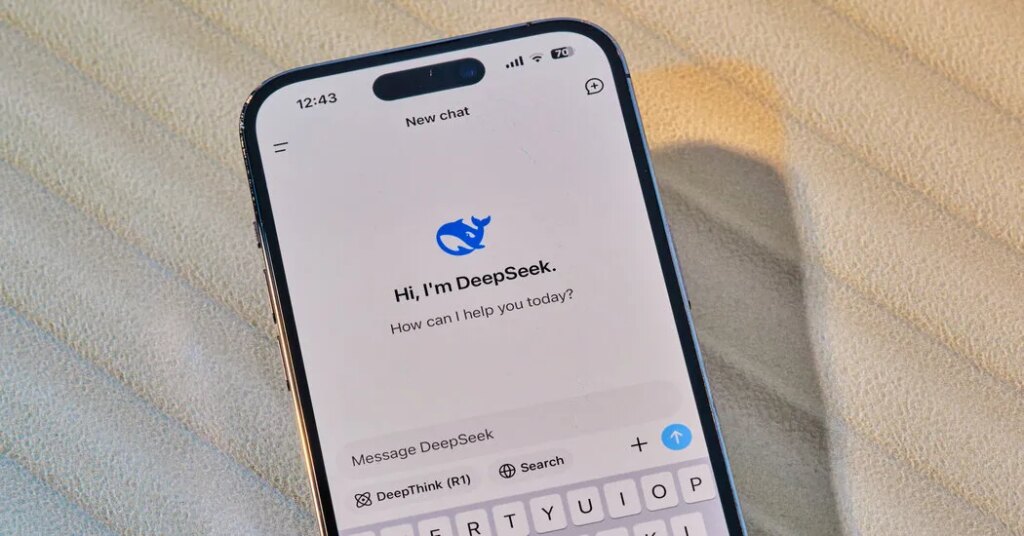
After the Chinese start-up DeepSeek shocked American researchers and investors last year by releasing a particularly impressive system, OpenAI accused DeepSeek of distilling its technologies. As Chinese systems continued to improve over the past nine months, Anthropic made several other similar claims.
Some legal experts argue that the practice violates the Defend Trade Secrets Act, which allows companies sue over the theft of trade secrets. But the courts have not decided this issue.
Copyright law does not necessarily apply because distillation is an effort to copy the behavior of the system, rather than copying it verbatim.
The post Trump and Xi Are Expected to Discuss Accusations of Copying American A.I. Tech appeared first on New York Times.