Recently, I wrote about the link between contact sports and chronic traumatic encephalopathy, a severe neurodegenerative disease that has been documented not only among former professional football athletes but also in those who participated in youth sports. Dozens of readers followed up with comments and questions about how to reduce risk for their children.
Many readers felt strongly that children should not play sports that expose them to repetitive head injuries. “I can’t fathom why parents wouldn’t let their kids smoke or drink, but willingly let their kids be subject to head injury over and over again,” Nicole from D.C. wrote. She recounted watching her nephew play in a middle school football game. “Parents were telling their kids to get up after being thrown down and to hit others harder. … I couldn’t bear it.”
Darrell, also from D.C., wrote that football was “like a religion” where he grew up in Alabama. He played tackle football starting in first grade. In addition to multiple shoulder, hip and back injuries that cause him chronic, debilitating pain, he has depression and anxiety. Three people in his circle of friends had mental health problems and died young, and he wonders whether they might have had CTE.
“If I’d known what I know now, no way I would have played like that,” he said.
Plenty of other readers, however, defended football and other contact sports. “I’m an emergency physician like you,” wrote Gene from Massachusetts. “Just like how every single medication has benefits and risks, every single sport come with benefits and risks too. … I made some of my best friends through team sports. I learned how to work with others. I learned fair play, compromise, hard work, courage, all the values I carry today.”
Cynthia from Vermont wrote that though it makes her nervous that one of her sons plays football and another wrestles, she would rather they do what they love, get fresh air and stay physically active. “It’s a lot better than staying inside and playing video games all day,” she wrote.
She pointed to improvements youth sports teams have made to increase concussion awareness. “Football is a lot safer today than it was when I was growing up,” she wrote.
This was a point many readers raised. No one disputed that CTE is a serious issue, but many seemed to think that young athletes today are at lower risk than previous generations because of better safety precautions. But is that really the case?
No, according to Chris Nowinski, co-founder and CEO of the Concussion & CTE Foundation and a former college football player. Take concussion protocols, such as requiring athletes to take two weeks off after a head injury. Such safety measures have been widely touted as an important step forward in protecting young athletes from head injuries, but they alone will not ”meaningfully reduce overall exposure to repetitive head impacts” over years of playing the sport, he told me.
That is especially important because the vast majority of head impacts that can cause brain damage do not result in a concussion diagnosis but can still contribute to CTE risk. “The public health impact of prevention concussions is microscopic compared to the public health impact of preventing CTE,” Nowinski said.
Other so-called improvements might even backfire. Nowinski cited a study examining college football programs that eliminated two-a-day preseason practice schedules. “The next season, they found the football players were exposed to more hits to the head because coaches crammed more into the one practice than they had into the two previously,” he explained.
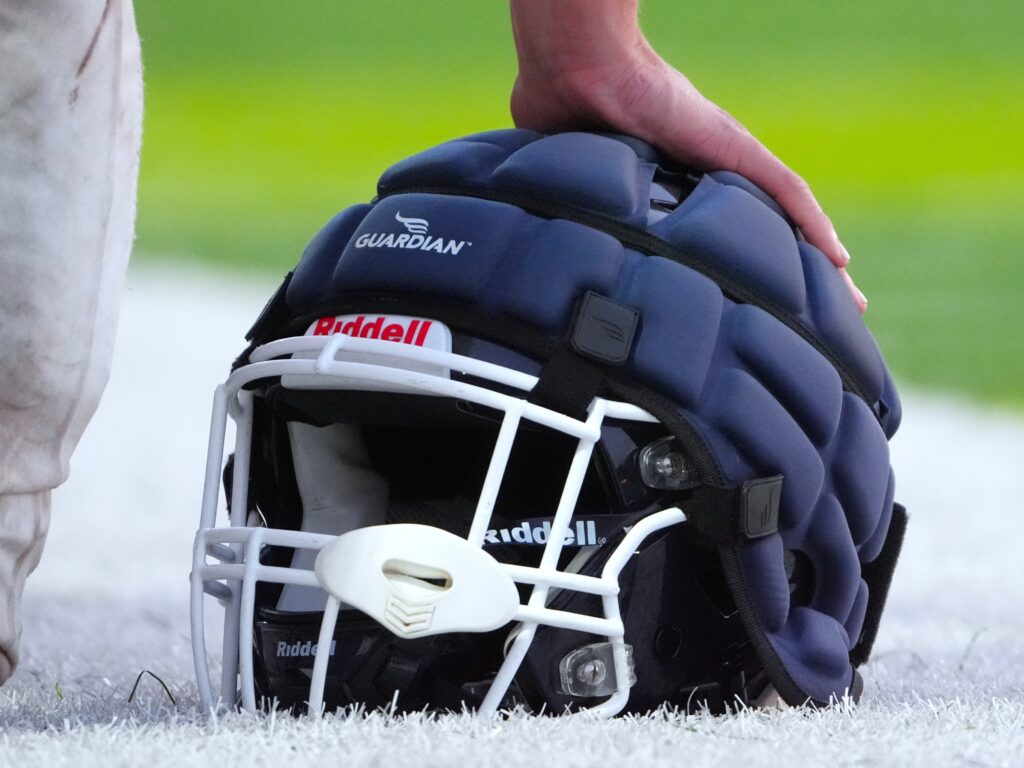
A similar phenomenon may be occurring with padded caps, helmets and other devices that proponents claim reduce concussion risk but might not combat CTE. In Nowinski’s view, parents are being “sold a myth” that the equipment protects their children from permanent brain damage.
But are kids really at so much risk? Emon from Oregon, a football fan, said he has watched hundreds of football games at all levels. “It’s just a fact that kids who don’t know what they are doing don’t hit as hard as full-grown adult pro football players,” he wrote, and therefore are less prone to head injury.
Not so, Nowinski said. In 2023, he and his colleagues published an analysis of helmetsensor studies showing that when youth football players collide, their heads experience nearly the same average acceleration as those of college football players. “Kids are tiny bobbleheads, and the physics are very different,” he explained. He added that though there is never a good time to give someone a brain injury, the worst is when children’s brains are still developing.
So what should concerned parents who want to protect their kids do? Nowinski’s organization partnered with Boston University to develop a series of CTE prevention protocols aimed at reducing the number and force of hits to the head across a range of sports. Recommendations include cutting back on drills that involve hits, increasing penalties for hits to the head and changing rules, such as banning headers after punts and goal kicks in soccer and collisions at home plate in baseball. Most important is taking repetitive head impacts out of the game for kids, including no bodychecking in ice hockey and no tackling in football.
Most youth sports organizations are not taking these steps. After all, Nowinski argued, they are “competing for your children and your money, and they worry that if they draw too much attention to [the risks], you’re not going to sign your kid up.” He has two children, ages 6 and 8, and based on what he sees in his work, “there’s zero chance they’re playing a sport that involves repetitive head impacts before high school,” he said.
His son plays soccer, but if his coach introduces heading the ball, Nowinski will say no. “The reasons for heading the ball are not as good as the reasons for protecting my child’s brain,” he said. “It’s not a skill he needs to raise a family later in life and to hold a job.”
His organization and other advocates are working with policymakers around the world to change rules that delay head trauma in youth sports. They have had some success. In England, deliberate heading is being phased out for players under 11, and heading is already prohibited in training for those children. Scotland has also eliminated heading in training for children under 12. In Canada, bodychecking in hockey has been banned nationwide for players under 13.
In the meantime, he says, parents have a choice: “There are far more sports that have zero risk for CTE than there are sports that do have a risk.” The riskier ones may have greater entertainment value, but “just because you spend your Sunday watching a sport doesn’t mean your 5-year-old should also be participating.”
This is the crux of the issue. Parents do not have to choose between keeping their children physically active and protecting their brains. They can choose sports their children enjoy that provide plenty of exercise without risking their long-term health. Every sport carries some risk of injury, but repetitive head trauma is different: It can cause irreversible brain damage with consequences that emerge years later. That’s not just true of the pros; it applies to children, too.
The post Advice for parents who want to prevent CTE in youth athletes appeared first on Washington Post.