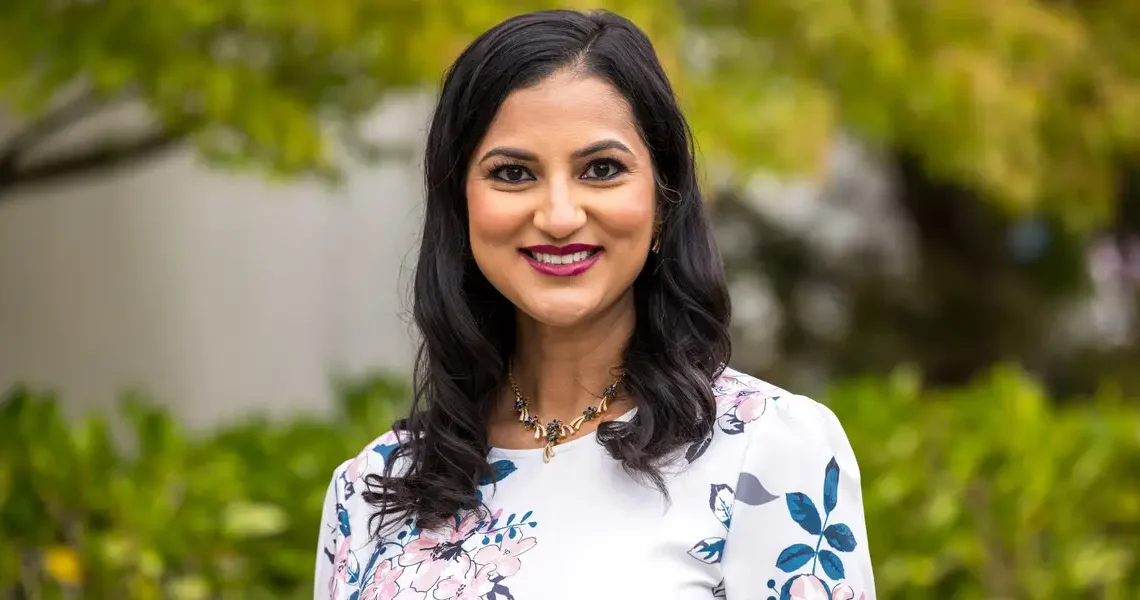
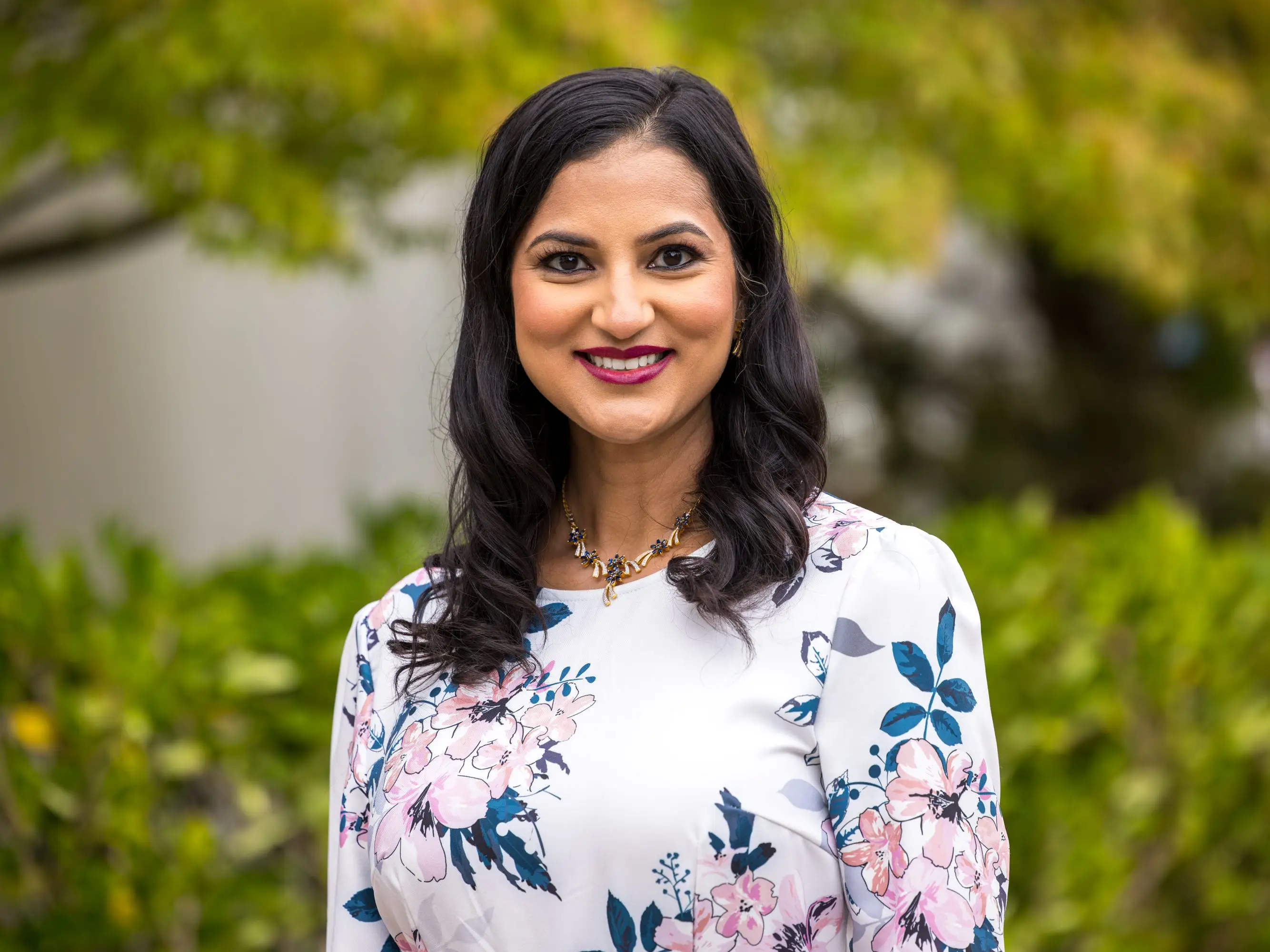
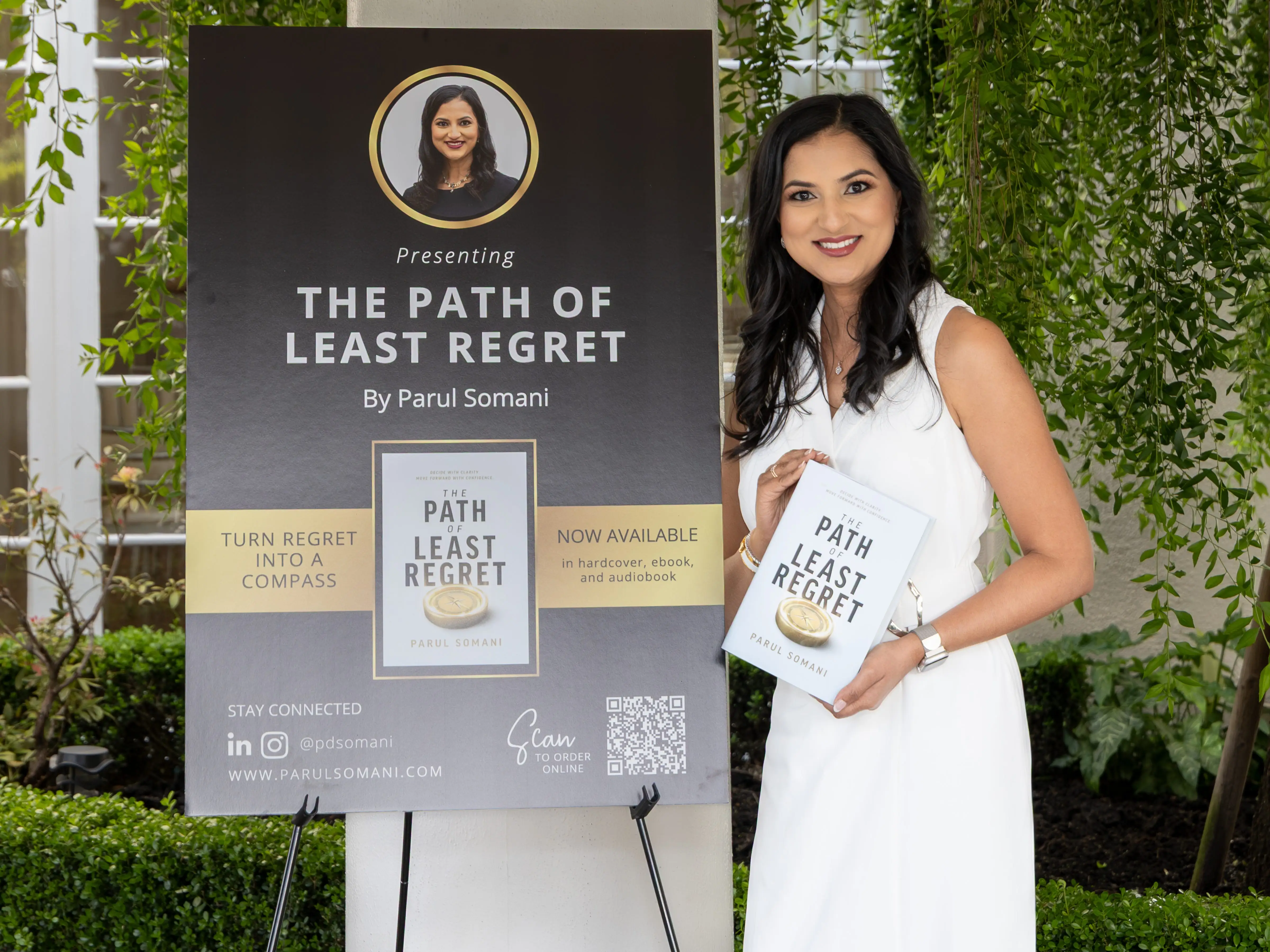
This as-told-to essay is based on a conversation with Parul Somani, a working mother and the author of The Path of Least Regret. It has been edited for length and clarity.
After giving birth to my second child in 2014, I was diagnosed with breast cancer. I was 31.
That changed my life, including how I make decisions.
I was always a high achiever
I was raised in an immigrant family and saw the work ethic my parents demonstrated. They always valued education, and while there was never pressure from them, it was something that I absorbed: work hard, because nothing is going to be handed to you.
I always had a clear plan in place, and a precision of how my life was going to play out. I rose through the ranks in consulting and tech, even after having my first daughter in 2011.
I was diagnosed with cancer
My daughter had to be intubated and ambulance-transported to a different hospital for an acute NICU stay. On top of that, two days before my water broke, I had felt a lump on my chest during an ultrasound appointment. The doctor told me it was likely a clogged milk duct and that it was probably nothing to worry about because I was 31. But I have a family history of cancer and genetic risk.
Post-delivery, my husband wheeled me from the NICU to the neighboring breast clinic, where they also told me not to be worried. We took my daughter home a few days later. And then the surgeon called to say that it was malignant after all.
It was stage II triple-negative breast cancer, the most aggressive kind. I ended up needing 10 rounds of chemotherapy, a bilateral mastectomy, and a breast reconstruction.
These experiences changed the way I make decisions
There was so much uncertainty and fear during this chapter, and my Type A personality kicked in. I approached every question by diving into the data like I always had, looking for the right answer.
What I learned from cancer, though, was that there was no study or person to tell me what the right choice was going to be for me. There was no path of least resistance, so I thought, “What is the path of least regret?” What is the regret I can live with the most? What path or decision is going to give me the most peace of mind at the time I make it? Once I took in all the information through that lens, it was clear what I was solving for, even if there was no guarantee of success that the cancer would come back or not.
This transformed the way I think about all decision-making, and I realized it was no longer about a good decision based on the outcome I wanted to achieve. It was more about the process that leads to a decision I can stand behind, regardless of the outcome.
I used that framework to write a book to help guide others in tough decisions
My book, “The Path of Least Regret,” came out earlier this year. It helps people with a five-phase framework that recognizes the emotional journey we go through when faced with a hard choice. It advises them on how to make the most value-aligned decision.
Do you choose option A or B, or do you create option C? The most valuable life decisions involve processing emotions and understanding what might hold you back: fear, ego, imposter syndrome, and guilt, for example. The path of least regret is how we navigate the emotional roller coaster of each phase in a way that honors our emotions, helps us learn from them, and enables us to make the most values-aligned decisions that give us peace of mind.
Reframing through regret was born out of a moment of crisis, but it’s now a mindset that helps me make decisions, whether in my career, parenting, or relationships. Regret is often thought of as a backward-looking burden and emotional weight, but I hope it can become a forward-looking compass for others, as it was for me.
Read the original article on Business Insider
The post I stopped asking myself which decision was ‘right.’ Now I ask which one I’ll regret least. appeared first on Business Insider.