For years, the growl of a big, manly V8 engine had been fading from US auto assembly floors.
No longer.
A V8 is a gas engine with eight cylinders arranged in a V-shape. It has long been a go-to choice for Americans who want the power to tow, haul, or go very fast — though it generally uses way more fuel than smaller engines.
Now, even as gas prices rise, the V8 is getting a new lease on life. Washington has relaxed emissions rules, eliminated companywide fuel-efficiency fines, and ended the federal EV tax credit. Automakers are responding with new and revived V8-powered trucks and performance cars, betting that Americans’ appetite for big vehicles still has plenty of runway.
Data suggests demand for big, gas-powered vehicles — particularly trucks — remains strong. According to Cox Automotive, US consumers spent about $15 billion on full-size pickup trucks in December alone.
“Consumers wanted these cars,” Kevin Roberts, the director of market intelligence at CarGurus, told Business Insider. “It was just a challenging economic choice because of the regulations that previously existed. But there are different rules now.”
America’s V8 obsession
Detroit’s Big Three are leading the way.
On Thursday, GM announced two new V8s for the 2027 Chevrolet Silverado and GMC Sierra. That’s after the company invested roughly $830 million in US propulsion plants.
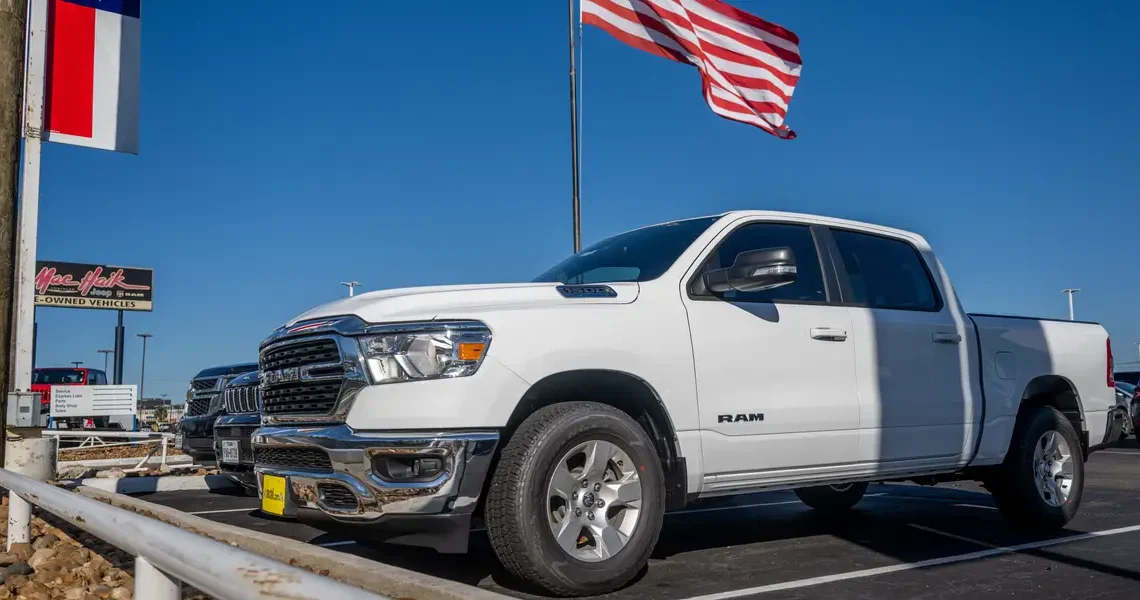
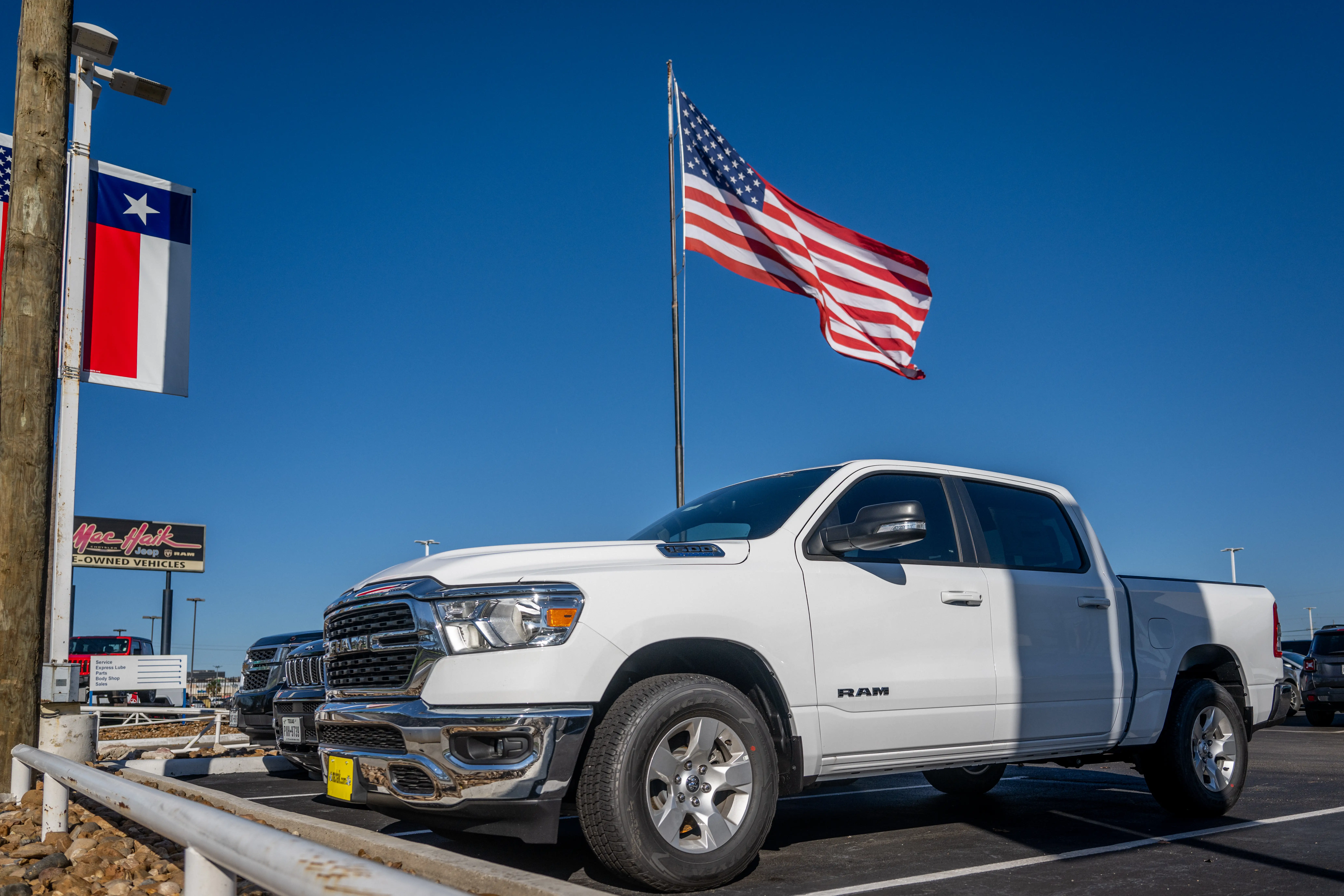
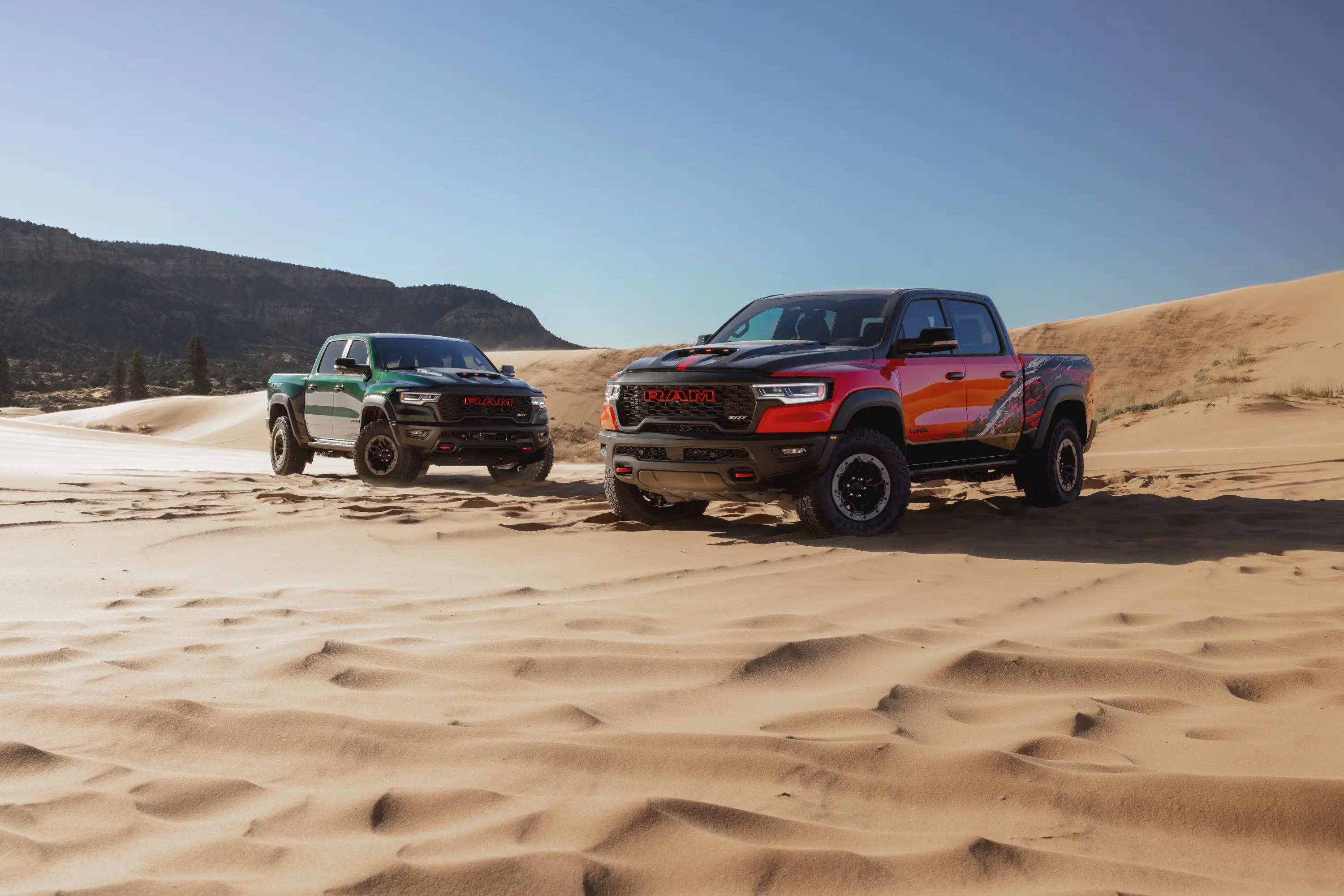
Ram Trucks brought back its Hemi V8 engine in August after discontinuing the motor just last year. This month, it relaunched the TRX, a V8-powered sport-oriented pickup the company markets as an automotive “apex predator.”
Last May, General Motors stopped producing electric-vehicle batteries at its Western New York propulsion plant and restarted V8 engine production for trucks instead — a shift that required an $888 million investment.
Ford is making a different sort of V8 bet. The company’s updated 2027 F-150 still offers the 5.0-liter V8, even as a turbocharged V6 replaces the outgoing four-cylinder as its base engine. The company also previously told Business Insider it plans to add a new, faster trim to its V8-powered Mustang Dark Horse lineup, called the SC.
The history of America’s big engines
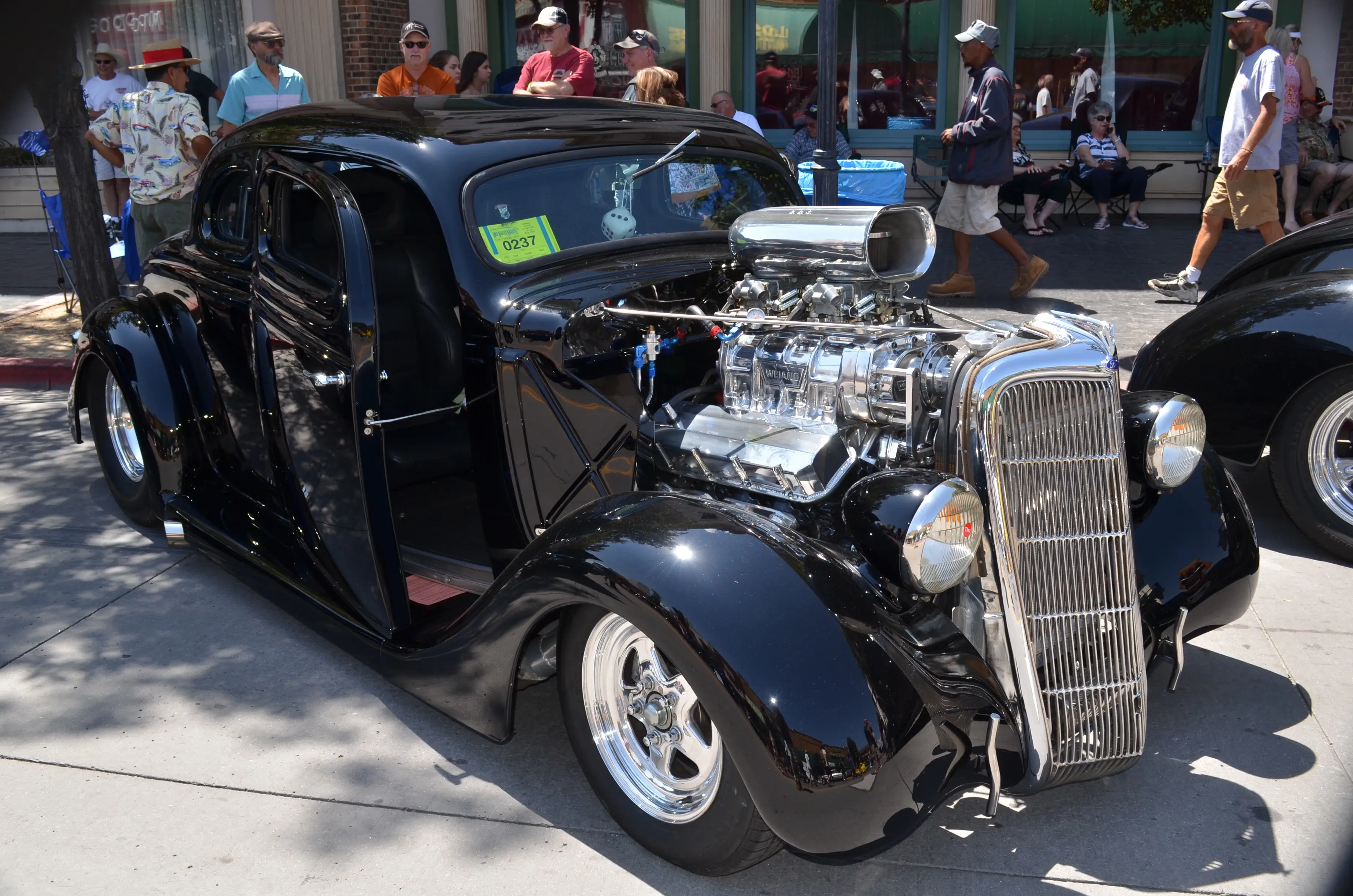
V8s are essential to American car-making culture.
First developed for US consumers in the early 1900s by Cadillac, V8s became synonymous with postwar expansion, cheap gasoline, and a domestic auto industry built around size and power. Ford helped popularize the engine in the 1930s, offering dramatic horsepower gains over smaller powertrains.
That popularity launched generations of American nostalgia.
“What customers actually want is more horsepower and more torque,” said Dave Mann, a classic Ford Bronco owner and the president of motor oil company Performance Oil Technology. “That’s where the money is, and that’s the bread and butter for American automakers.”
Sales dominance didn’t last forever.
As fuel prices surged and emissions rules tightened in the 1970s and 1980s, consumer preferences shifted. Smaller, more efficient vehicles — many built by Japanese automakers like Toyota and Honda — surged in popularity. By the early 2000s, V8 engines, which had once powered more than half of all American vehicle sales, accounted for less than 20%.
The engine never disappeared. Instead, they just powered full-size trucks and enthusiast-minded racers.
“What makes V8s superior is the instant response when you hit the gas pedal,” Justin Goldsberry, an enthusiast and author of the Automobile Innovations newsletter, previously told Business Insider. “Everything is immediate and highly responsive.”
A big shift is on the horizon
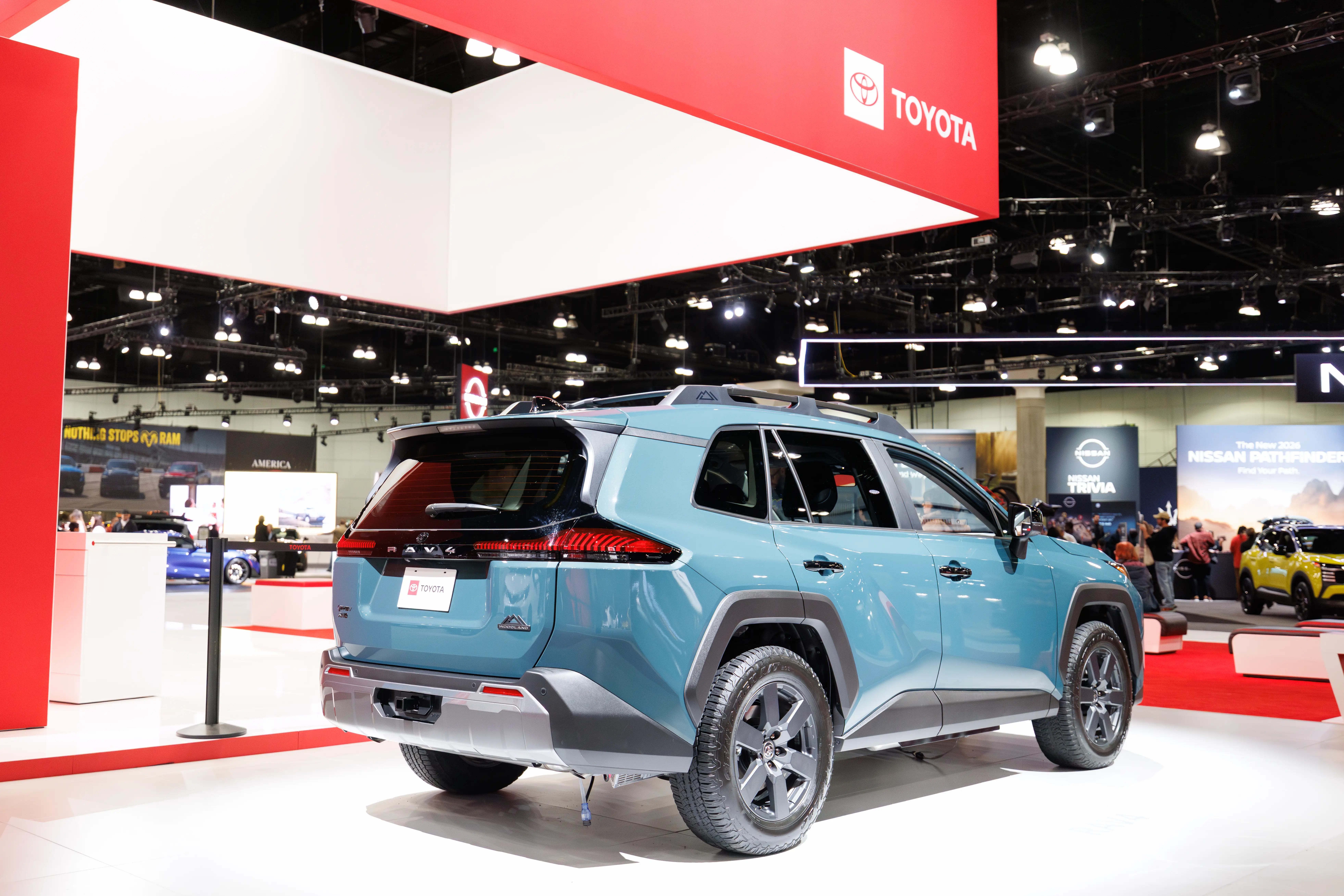
Big trucks — including the best-selling Ford F-150 and second-best-selling Chevy Silverado — still remain wildly popular.
Those trucks have long been Detroit’s best profit-makers. They’ve taken on new importance for car companies, especially as they announce billion-dollar write-downs after their EV transitions have gone slower than expected.
Whether they’re reaching the market at the right time is an entirely different question.
As US pump prices keep rising, gas-saving mild hybrids, which pair electric motors with a standard gas-powered engine, are gaining popularity. JD Power told Business Insider that hybrids represented 15.9% of all vehicle sales in July, up 2.5% compared to the same month in 2025.
“We’ve seen a large increase in hybrids,” Roberts said. “The US is starting to shake some of its gas-guzzler mindset.”
Read the original article on Business Insider
The post Ram, GM, and Ford are keeping the V8 alive appeared first on Business Insider.