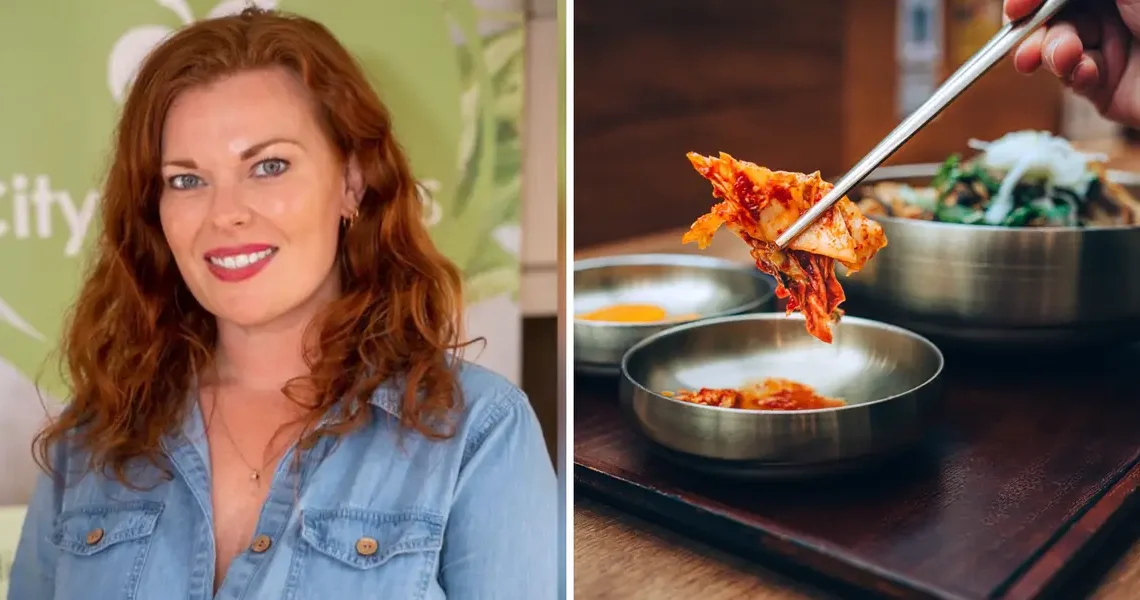
Sophie Medlin has been a colorectal dietitian for 20 years, and in that time she has made some changes to her diet to lower her risk of colon cancer.
Medlin and her husband, who is a chef, cook most of their meals, meaning they mainly eat a diet of whole, unprocessed foods. But they still go out for dinner or order takeout occasionally. “It’s not perfect all the time. Nobody can be perfect all the time,” Medlin, who is based in London, told Business Insider.
Cases of colon cancer in younger people have been rising since the mid-90s, and it is now the deadliest cancer form of the disease for under-50s. While scientists don’t know what’s behind the uptick, evidence suggest that healthy lifestyle choices like exercising regularly and eating a balanced diet, lower the risk.
Medlin shared the two foods that she tries to eat daily and one she limits as much as possible.
Limit red meat and eliminate processed meat
“I’ve essentially eliminated processed meat,” she said. This includes buzzy snacks like beef jerky, which are “getting a bit of a health halo at the moment because of the high protein trend,” Medlin said.
Processed meat, such as hot dogs and deli meat, as well as unprocessed red meat, have been linked to colorectal cancer to varying degrees.
Medlin does eat red meat, but limits it to a maximum of two servings a week. The World Cancer Research advises eating no more than 350 to 500 grams of red meat a week, or around three portions.
Eat plenty of different plants
Eating plenty of plants is a priority for Medlin, she said.
The gut microbiome, the trillions of microbes that live in the colon lining and influence overall health, including chronic disease risk, thrives when it’s fed lots of different types of plant foods. The beneficial bugs eat fiber, which is found in plants.
“When we ferment plant foods in our gut, then we produce these postbiotics, which are things like short-chain fatty acids that help to protect us from colorectal cancers,” Medlin said.
She tells her patients to chop up and throw an extra vegetable into the pan when cooking dinner. “It’s just as quick, and then you get an extra type of vegetable in there that’s going to give you additional gut health benefits,” she said.
Fermented foods
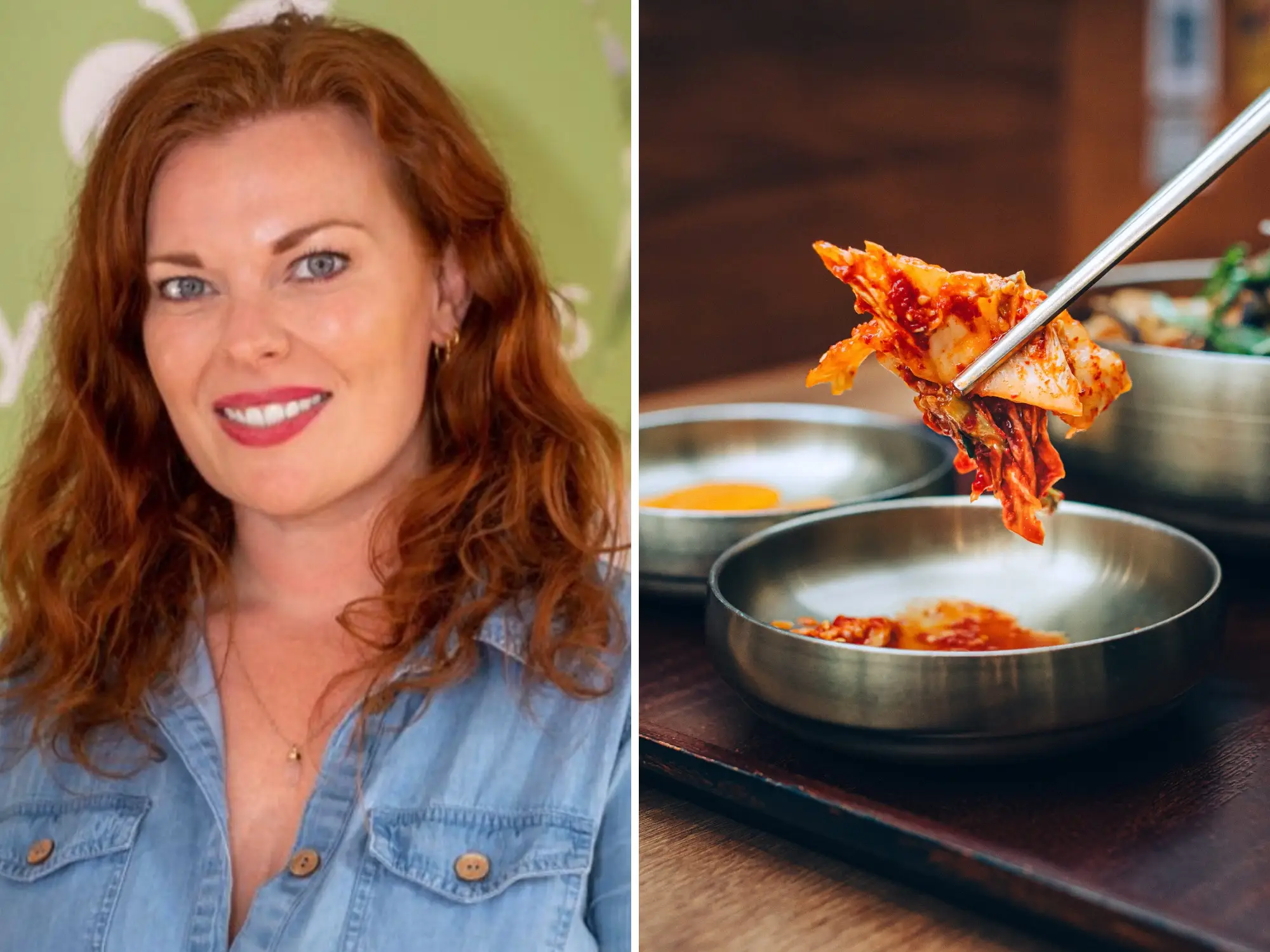
Medlin also makes sure to eat some kind of fermented food, such as yogurt or kimchi, every day.
Fermented foods are made using ingredients like live bacteria, yeast, or mold. They are thought to introduce new “good” microbes to the gut microbiome.
Medlin often makes tzatziki, made with Greek yogurt, cucumber, extra virgin olive oil, and herbs, and uses it as a dipping sauce. She also often eats pickled cabbage or yogurt, both fermented foods, with meals.
“It’s a habit that you form over time of adding things to your meal. They become like condiments.”
Read the original article on Business Insider
The post A colorectal dietitian shares 2 foods she eats regularly and 1 she avoids to lower her cancer risk appeared first on Business Insider.