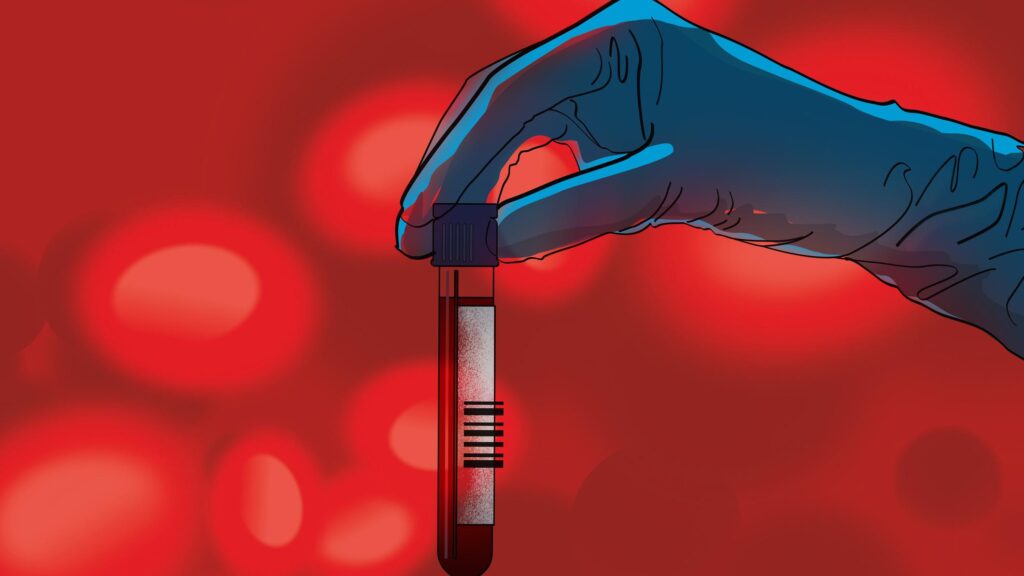
Picture these frightening scenarios: a family member receiving intensive treatment for leukemia is unable to receive lifesaving platelets because of an ongoing nationwide shortage. Your best friend is involved in a car accident, is bleeding profusely, and is in need of platelets to stop the bleeding.
These are some of the primary reasons for the American Red Cross’s latest appeal that deserves national attention. In a press release on Sept. 8, 2026, the organization urged Americans to schedule blood and platelet donations, warning that the blood supply “remains vulnerable” after recovering from critically low levels during a summer shortage. It called on donors of all blood types to make appointments now.
The message is not that every hospital has run out. It is that recovering from a shortage does not remove the risk of another one.
Platelets, the tiny fragments produced in bone marrow, gather at damaged blood vessels and help form clots that stop bleeding. Red blood cells carry oxygen; platelets help keep blood in circulation. Having enough of one does not eliminate the need for the other.
But the two components have very different expiration dates. Red blood cells can be refrigerated for up to 42 days. Plasma can remain frozen for a year. Conventional platelets, stored at room temperature, generally last just five to seven days. Their storage conditions also create a risk of bacterial growth, requiring special safeguards before transfusion.
A strong response to a donation appeal this week therefore cannot secure the supply for next month. Blood centers need a steady flow of appointments, not simply a surge after an alarming headline. Holidays, severe weather, and illness can interrupt donations, quickly affecting what hospitals have available.
Cancer patients are especially vulnerable
The Red Cross estimates that nearly half of donated platelets go to patients receiving cancer treatment. For them, a transfusion can be part of the support that allows treatment to continue.
Leukemia can interfere with normal blood-cell production. Chemotherapy can further reduce platelet counts, sometimes forcing treatment delays while the body recovers. Platelet transfusions help protect selected patients during this vulnerable period, including those undergoing certain stem-cell transplants.
People with other blood disorders may also need platelet support. And patients with severe injuries or significant bleeding during major surgery or from major trauma represent another important subset of patients that urgently require platelet transfusions. The demand includes both care that hospitals can anticipate and emergencies that arrive without warning.
Platelet availability is a patient-care issue, not simply an inventory problem. A hospital can have skilled clinicians, sophisticated equipment, and the right treatment plan, yet still face delays obtaining the blood component a patient needs. Smaller and rural hospitals struggle to maintain platelet inventories because units often expire before they are used.
New research also indicates that platelets can be stored in colder temperatures for up to 21 days to help increase availability; this research, however, has not yet become a standard aspect of patient care.
A stronger supply needs more than emergency appeals
Recruiting donors is essential, but hospitals have responsibilities, too. International guidelines published in 2025 support more selective platelet transfusion practices in defined patient groups. Avoiding unnecessary transfusions can reduce adverse reactions and conserve supplies without sacrificing appropriate care.
Hospitals and blood centers should also strengthen regional sharing arrangements and coordinate anticipated needs before supplies become critical. Employers should offer time for donation. Colleges and community organizations should help recruit repeat donors and arrange transportation to donation centers. We should make donating easier rather than expect repeated appeals to overcome practical barriers.
The FDA already permits refrigerated platelets for certain actively bleeding patients when conventional platelets are unavailable or impractical. An August 2026 trial published in JAMA found that platelets refrigerated for up to three weeks met the study’s standard for comparable control of bleeding during heart surgery, although repeat operations were more frequent in the refrigerated-platelet group. Those findings do not establish that longer-stored platelets can replace routine preventive transfusions in cancer care.
Scientists are also working to produce platelets from laboratory-grown stem cellsand to develop synthetic particles that mimic parts of their clotting function.
These approaches could eventually reduce dependence on donations, but they remain experimental rather than routine substitutes. Better storage, meanwhile, still starts with donated platelets.
For people considering donating platelets, the commitment is straightforward but substantial. At the Red Cross, a platelet appointment generally takes about three hours, including screening, roughly two hours of collection, and recovery afterward. A machine separates platelets from the blood and returns the remaining components to the donor. One appointment can provide a full transfusion dose, sometimes enough for more than one patient. Platelet donations are available by appointment at selected centers.
People can check eligibility and schedule through the Red Cross Blood Donor App, the organization’s blood-donation website, or by calling 1-800-RED CROSS. Those able to donate regularly should discuss an appropriate schedule with the donation center.
The best response to this fall’s appeal is to make time for an appointment that can save lives. A dependable supply of platelets should be something patients can count on, not another uncertainty to face.
The post Why the U.S. Urgently Needs More Platelet Donors appeared first on TIME.