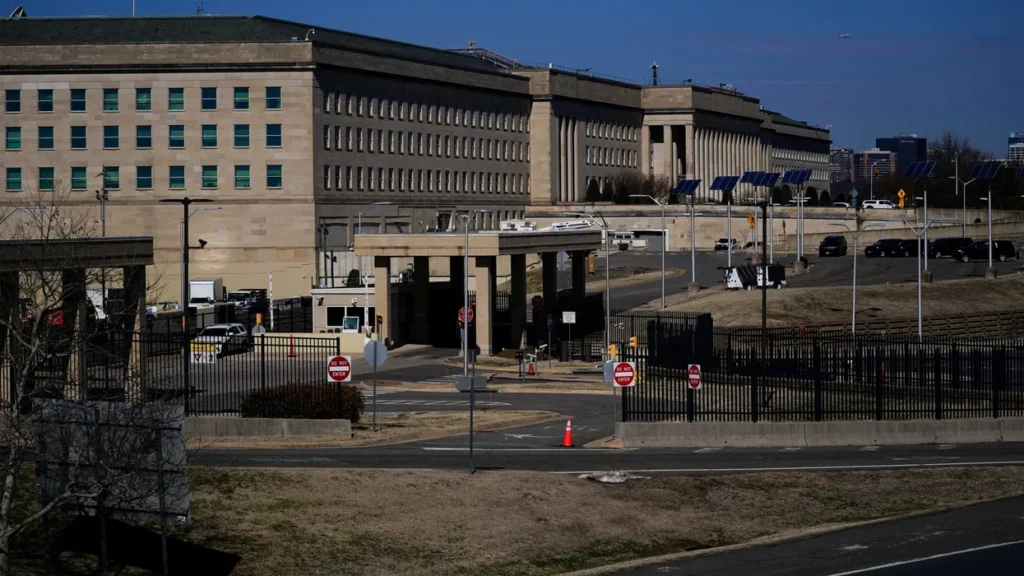
The U.S. military’s cyber defense chief says artificial intelligence has caused a “tenfold” spike in vulnerabilities across the Pentagon’s aging computer networks, exposing systems that have gone without major upgrades for nearly 30 years to a new generation of AI-powered attacks.
Lt. Gen. Paul Stanton, who leads the Army’s cyber defense command, told attendees at last week’s Billington CyberSecurity Summit in Washington that the Defense Department had chronically shortchanged network maintenance in favor of funding advanced weapons programs — a tradeoff he said the military can no longer afford, reported the Washington Post.
“We have postponed and deferred the sustainment and maintenance of our systems to our potential peril,” Stanton said. “No more.”
Washington is fixating on a broader reckoning over AI’s dangers, triggered in part by the resignation of Anthropic researcher Jacob Coxon, who cautioned the technology could “kill us all” within a decade. Anthropic CEO Dario Amodei, OpenAI’s Sam Altman and Elon Musk have since backed calls to slow AI development, while President Donald Trump has dismissed the alarm as a “hoax.”
But cybersecurity specialists say the more immediate danger is sitting inside the Pentagon’s own networks. Michael Horowitz, who directs the defense and national security program at the Council on Foreign Relations, called network modernization “a pretty urgent priority,” warning that adversaries could exploit the gap to steal military data and disrupt U.S. defenses.
Experts point to a shift in who can pull off a serious cyberattack. Nicholas Leiserson of the Institute for Security and Technology said AI tools now let attackers stitch together minor software flaws into major breaches — a technique once limited to elite hackers. “You don’t need to be a math genius,” he said.
A 2025 Government Accountability Office review found that of 24 Pentagon IT programs examined, two had no cybersecurity risk strategy at all, and four lacked plans for stronger defenses. Horowitz said the department has long treated network security as an afterthought, diverting funds to higher-profile initiatives.
The Pentagon is now seeking proposals for Project Griffin, a pilot program aimed at building AI defense agents of its own. The agency did not respond to a request for comment.
The post Top cyber general warns of Pentagon ‘peril’ as tech vulnerability spikes appeared first on Raw Story.