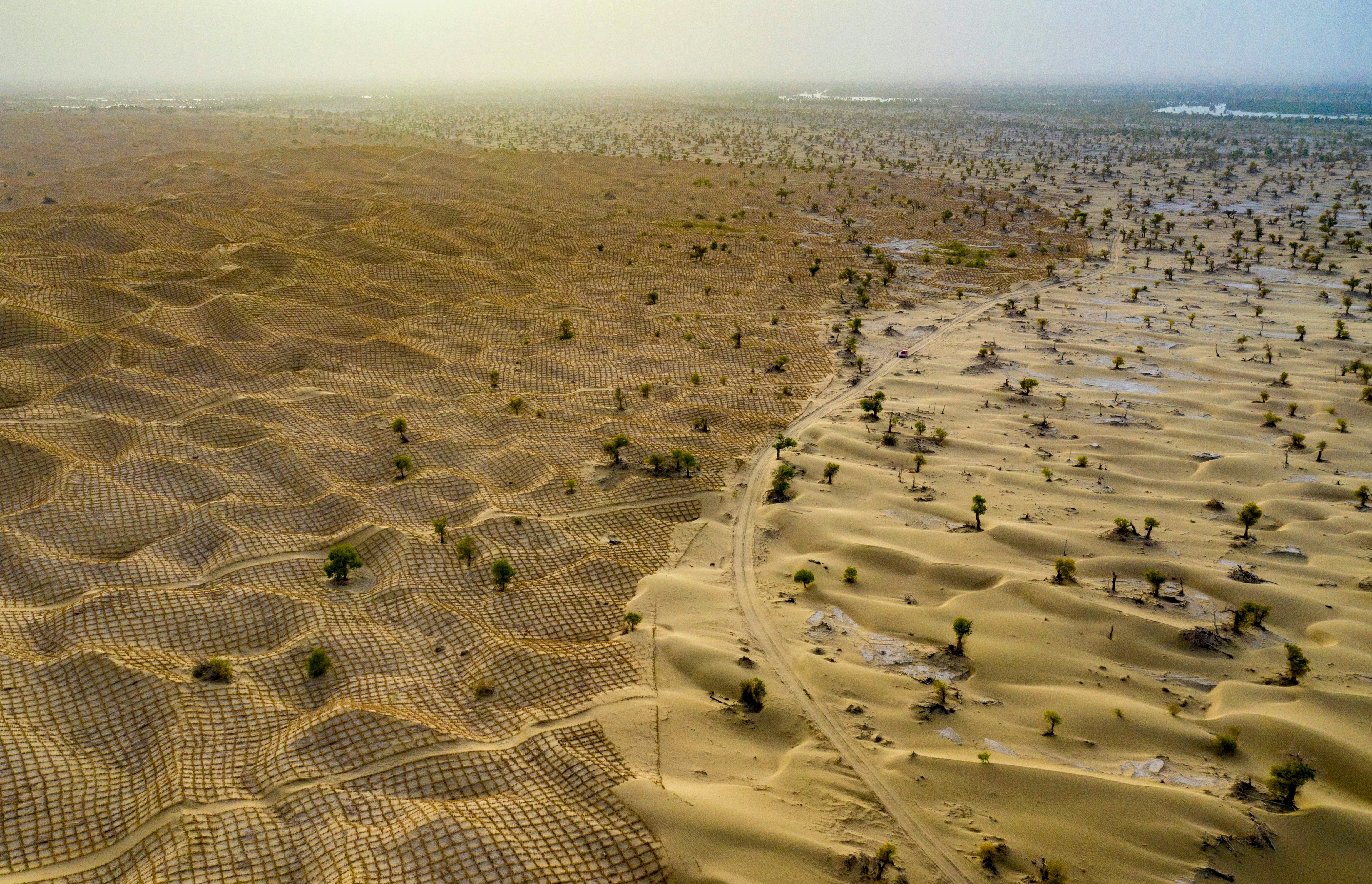
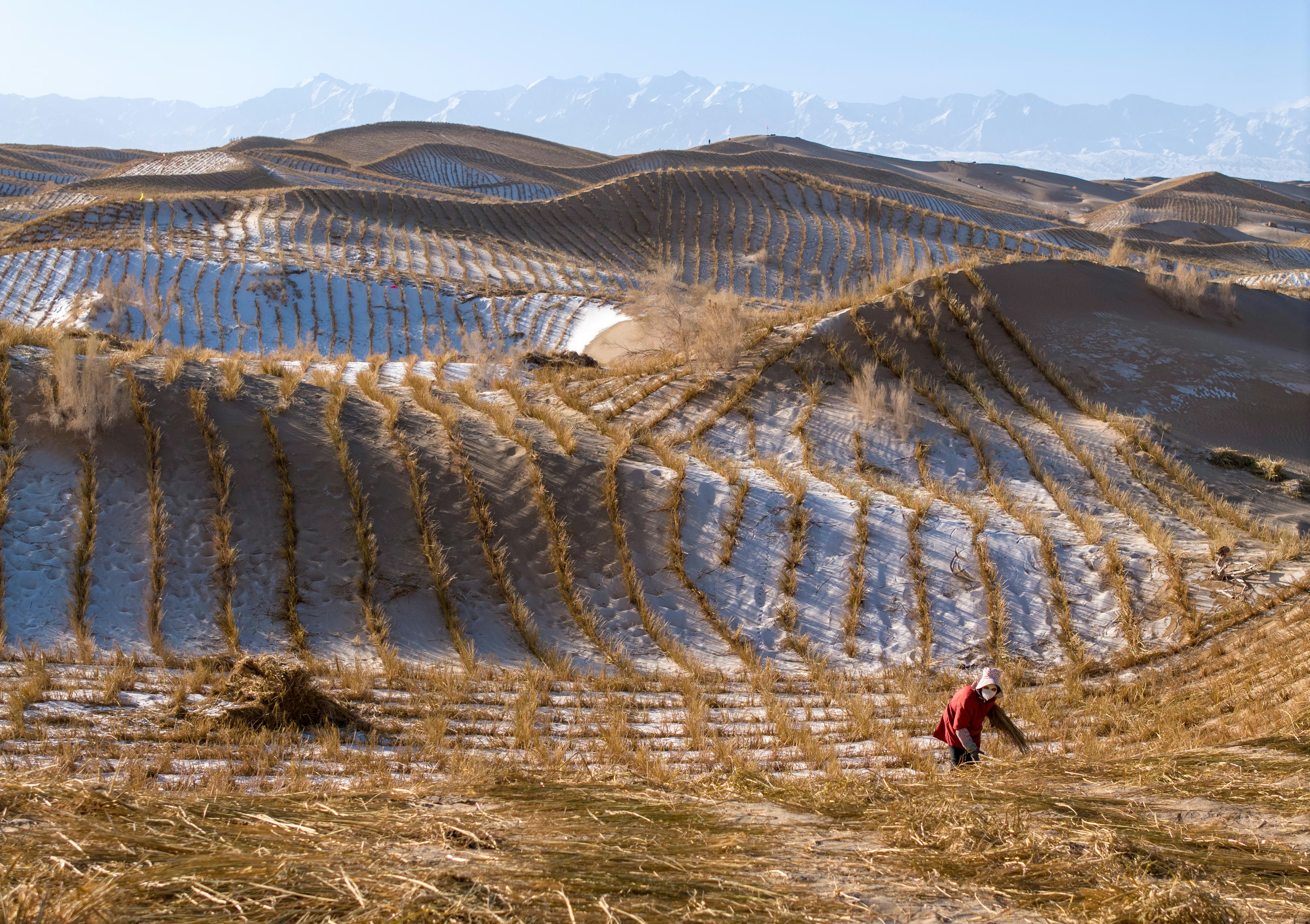
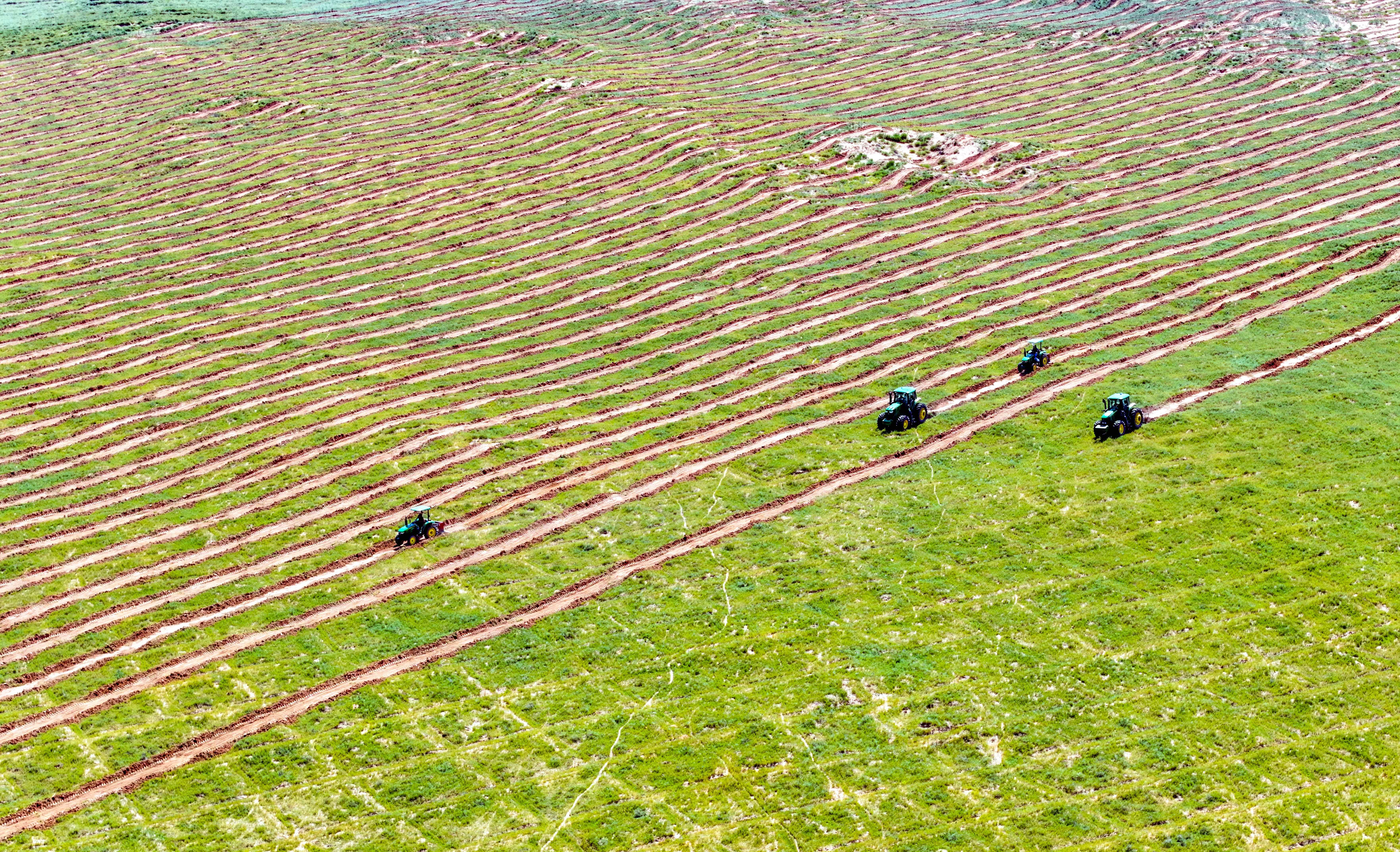
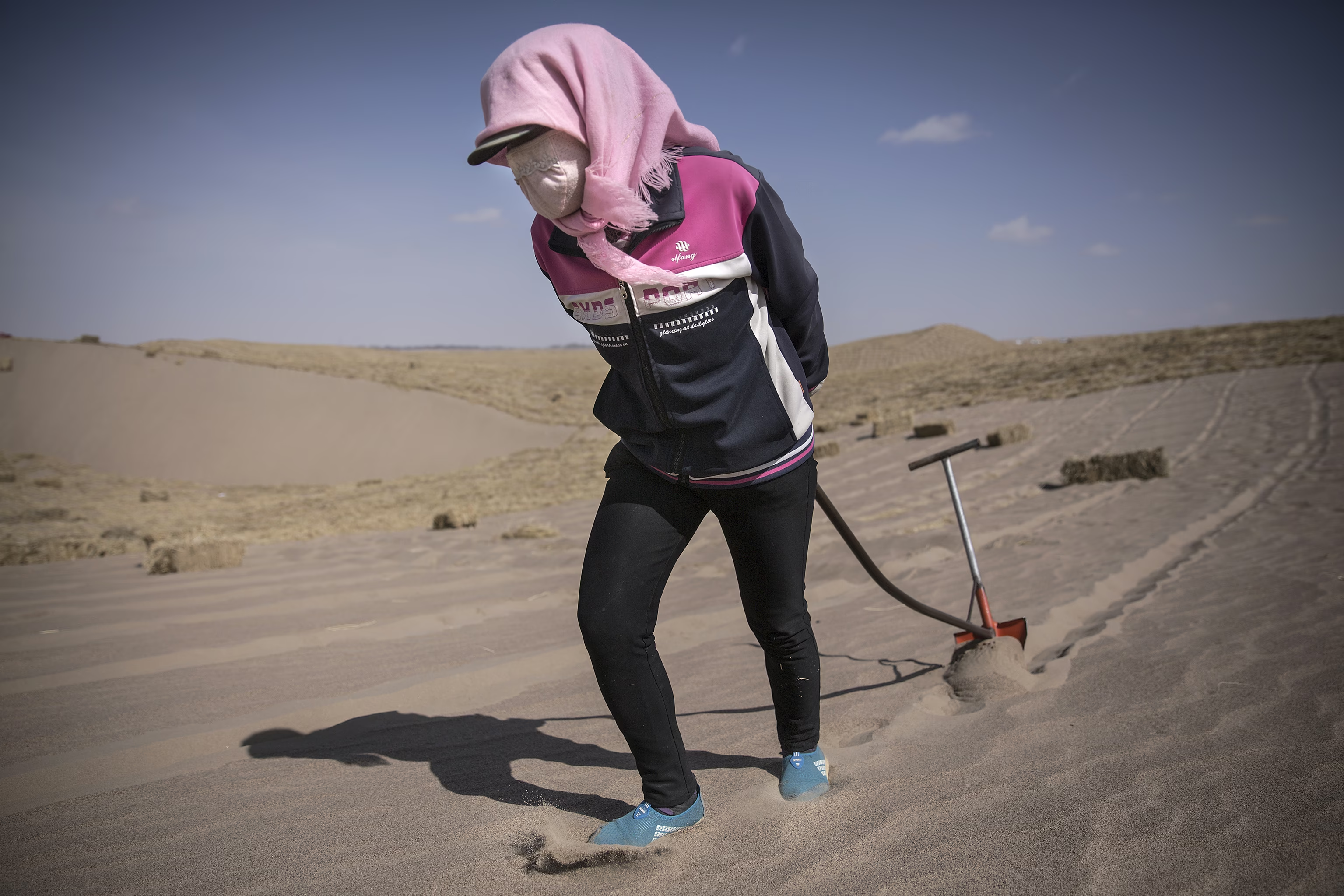
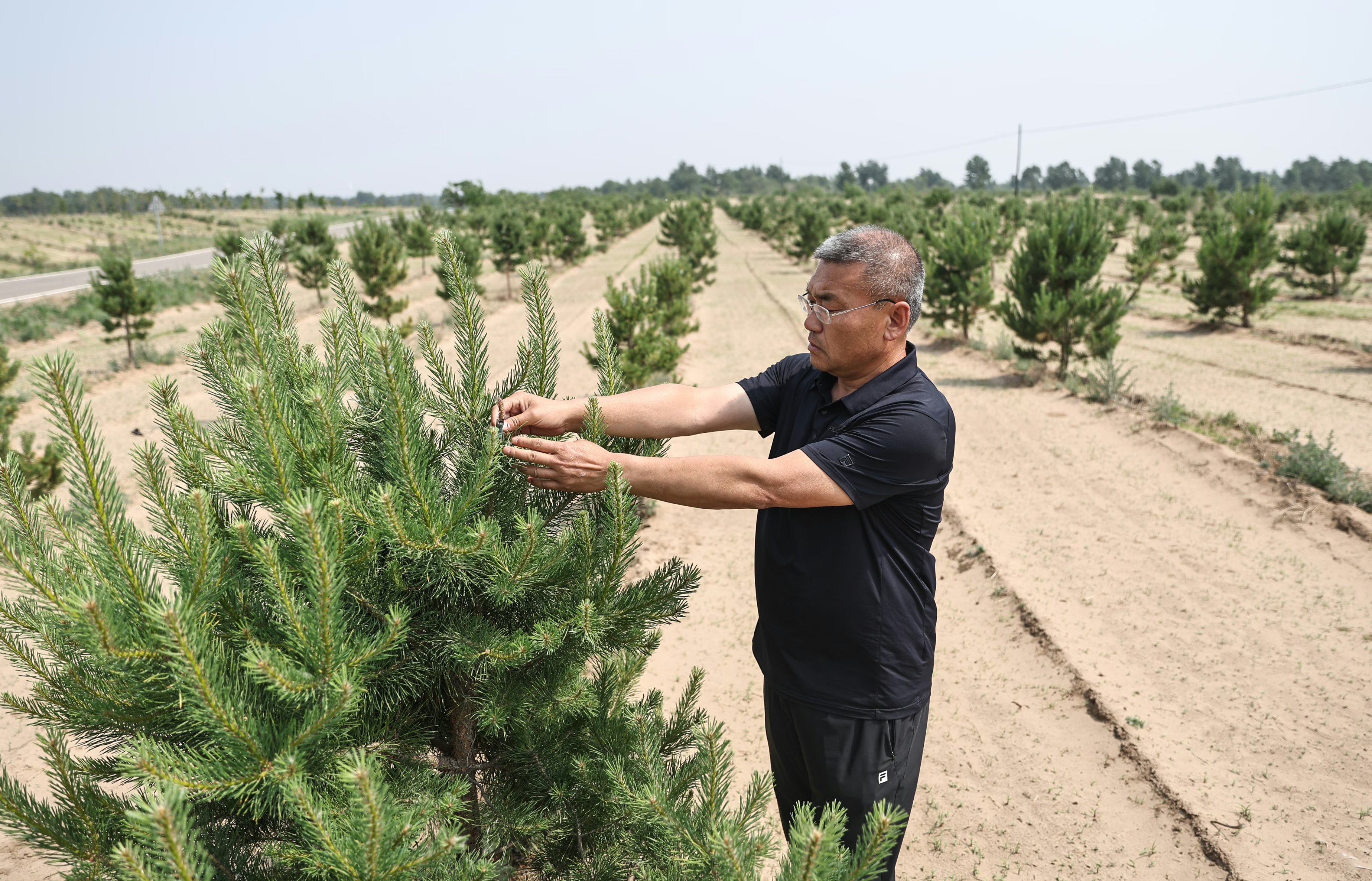
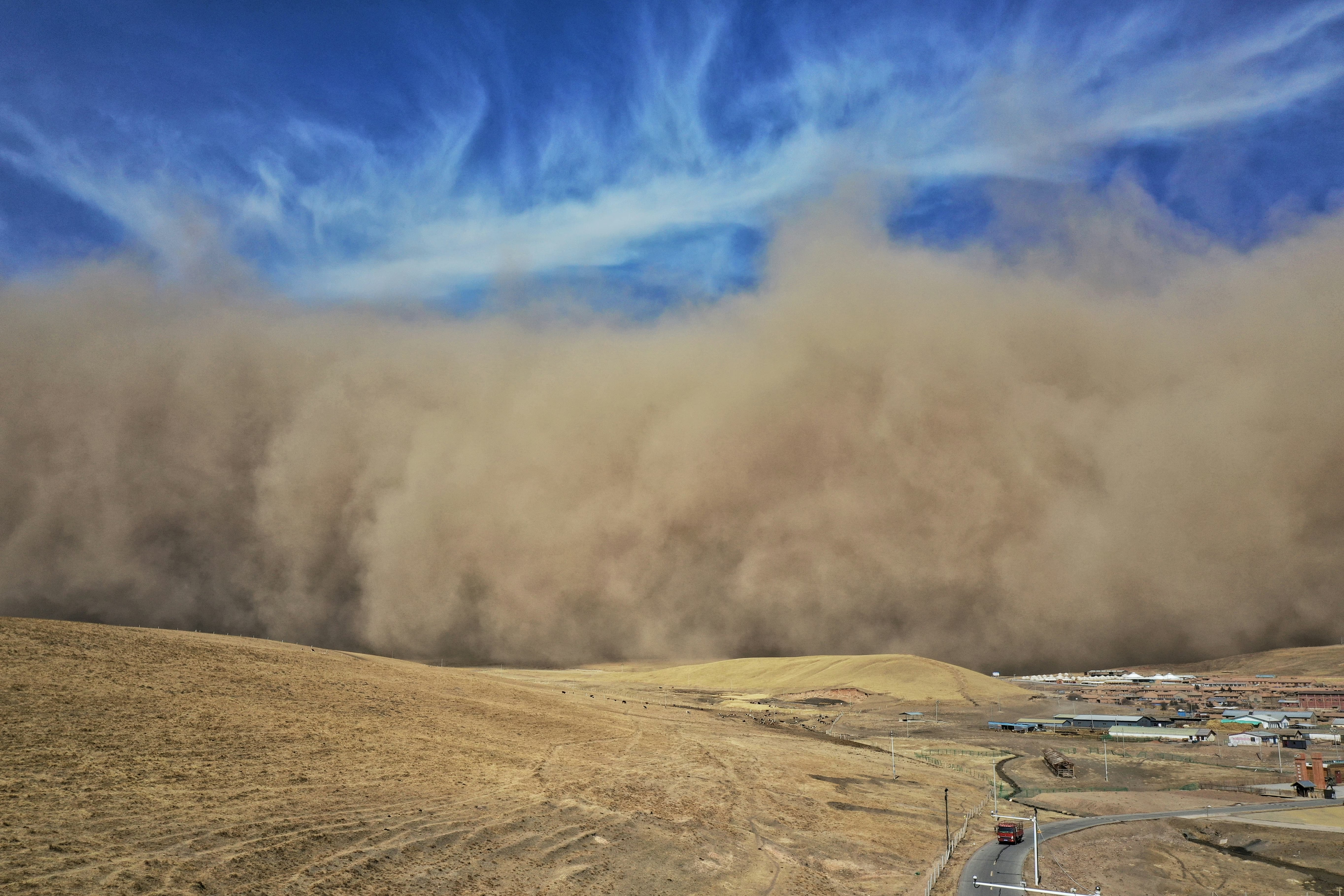
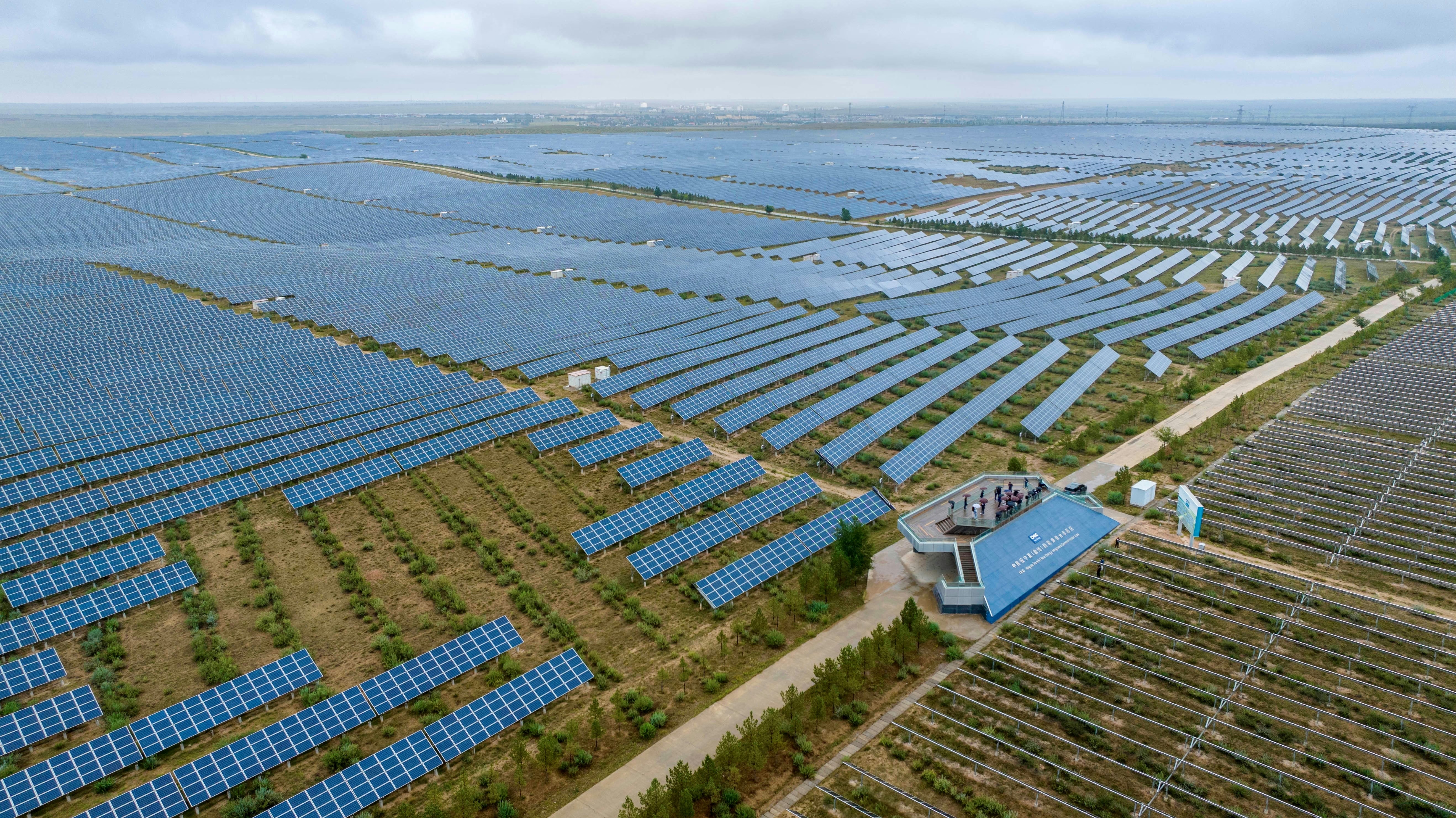
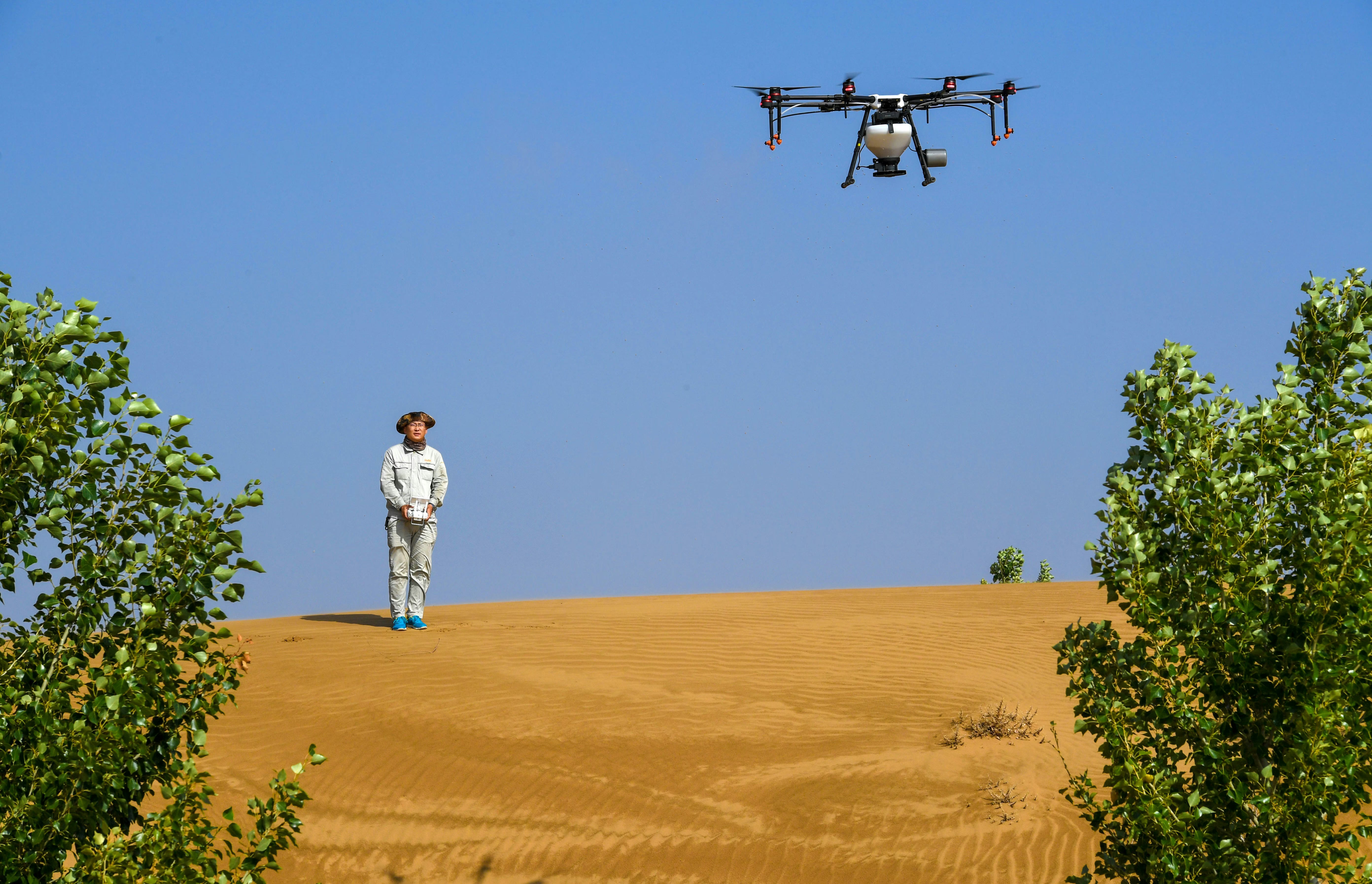
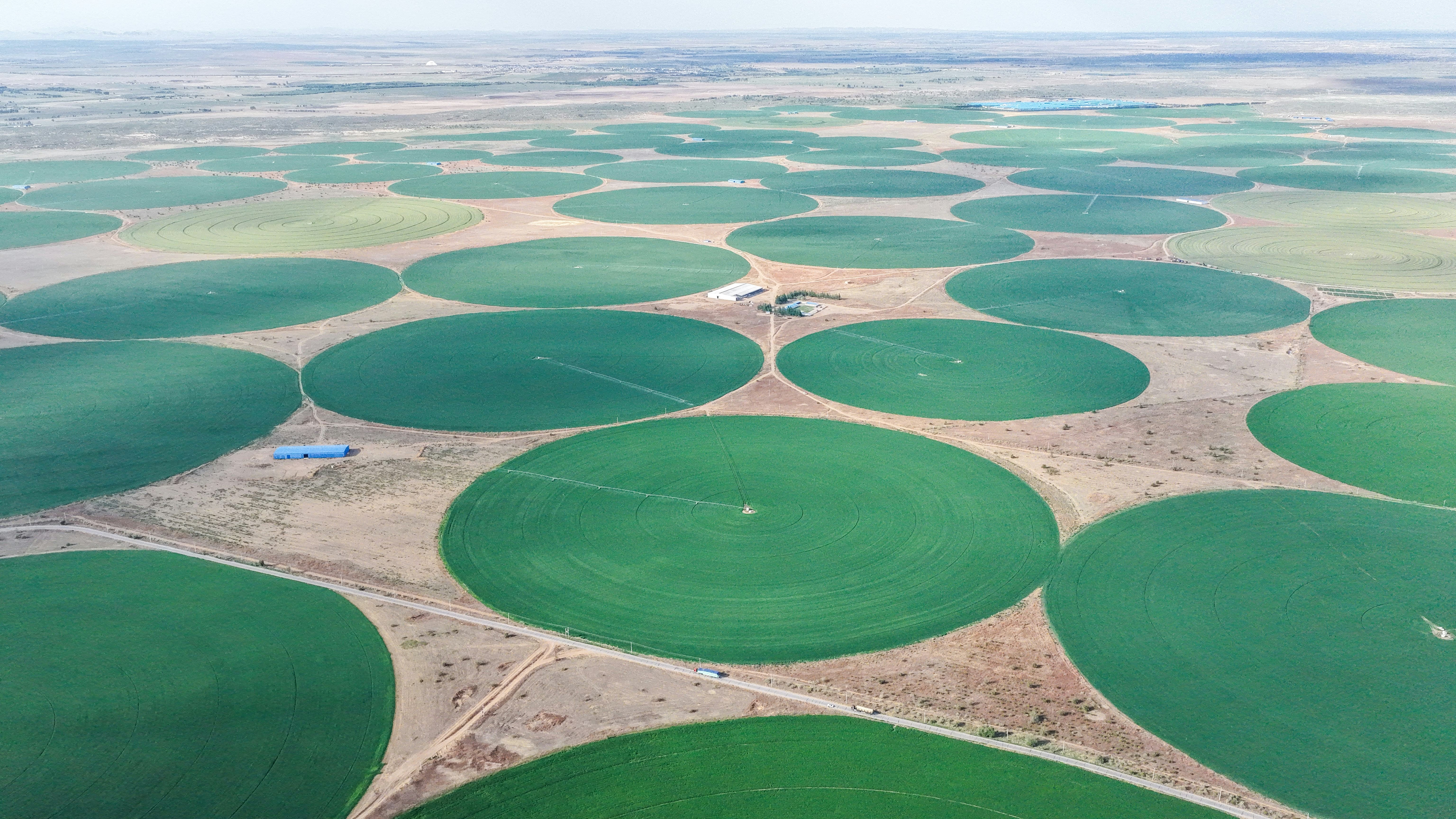
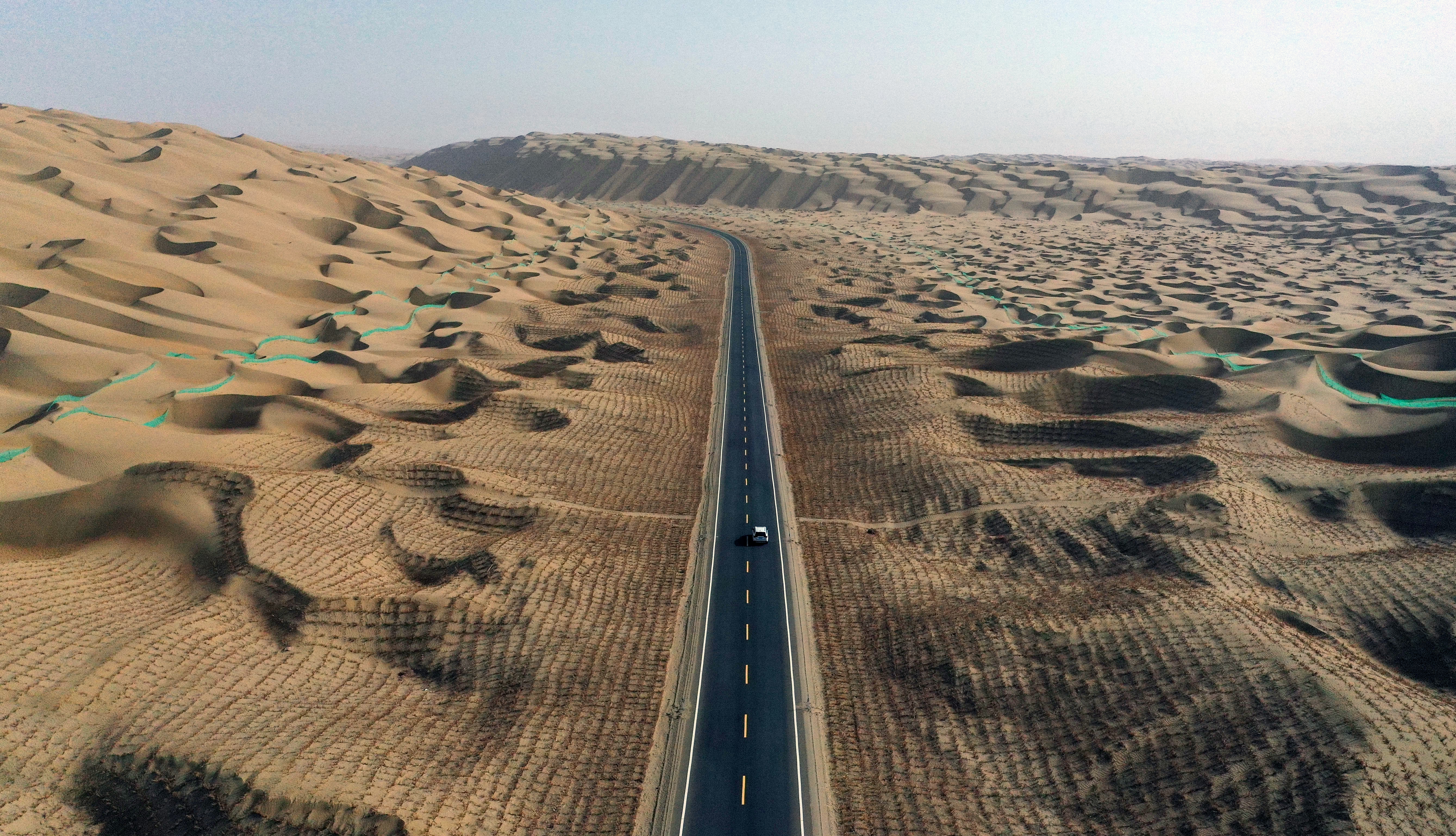
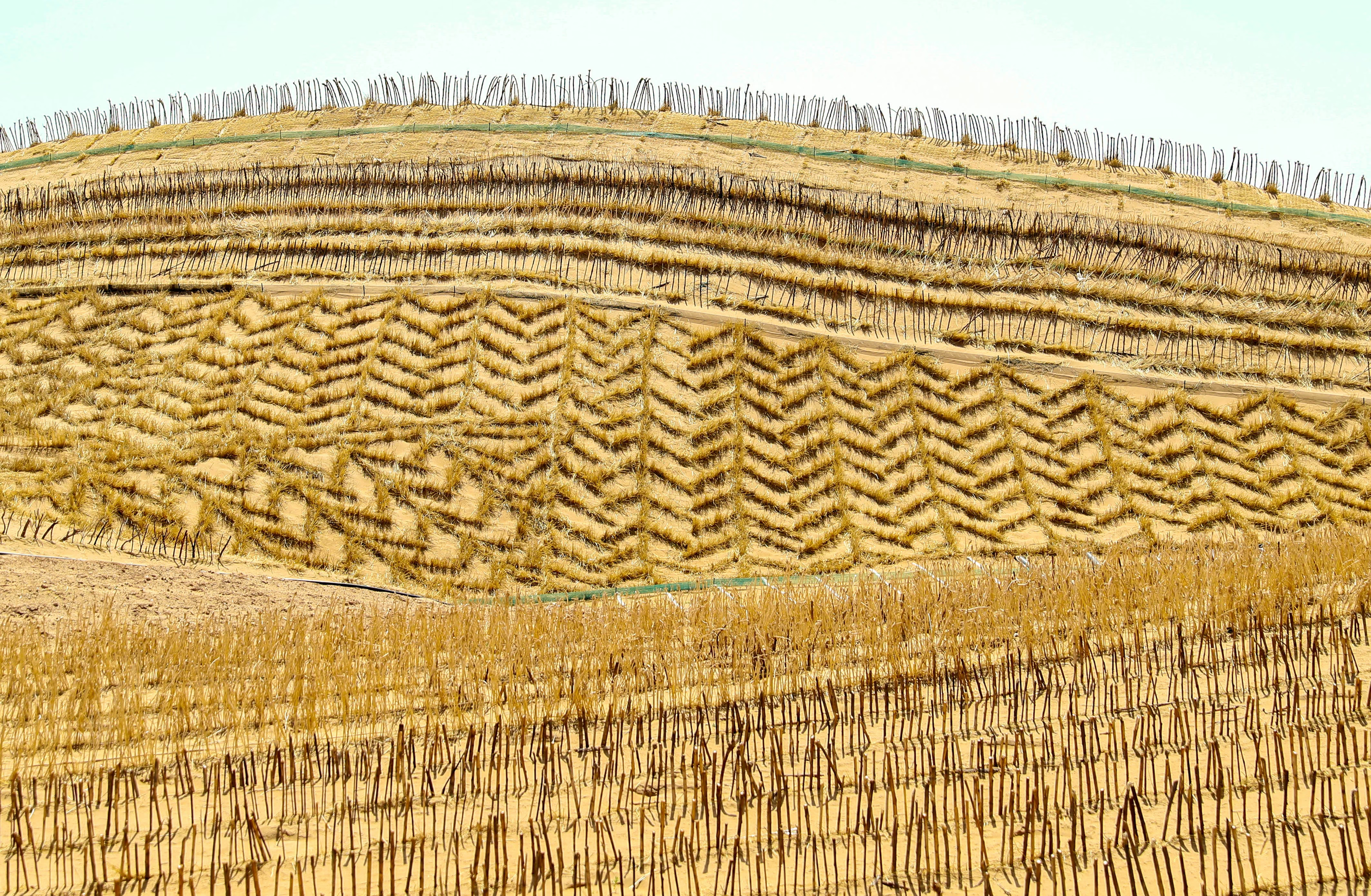
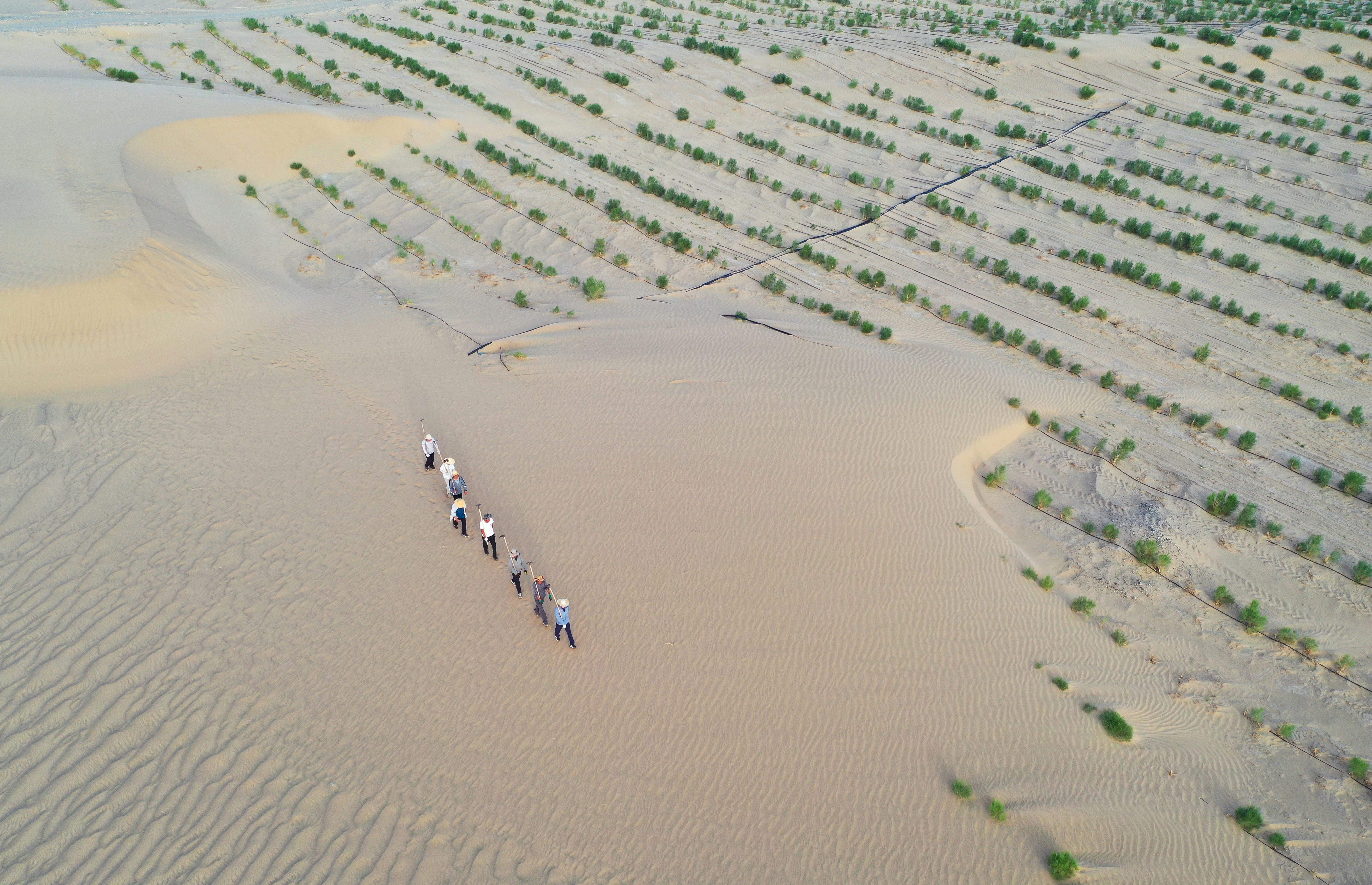
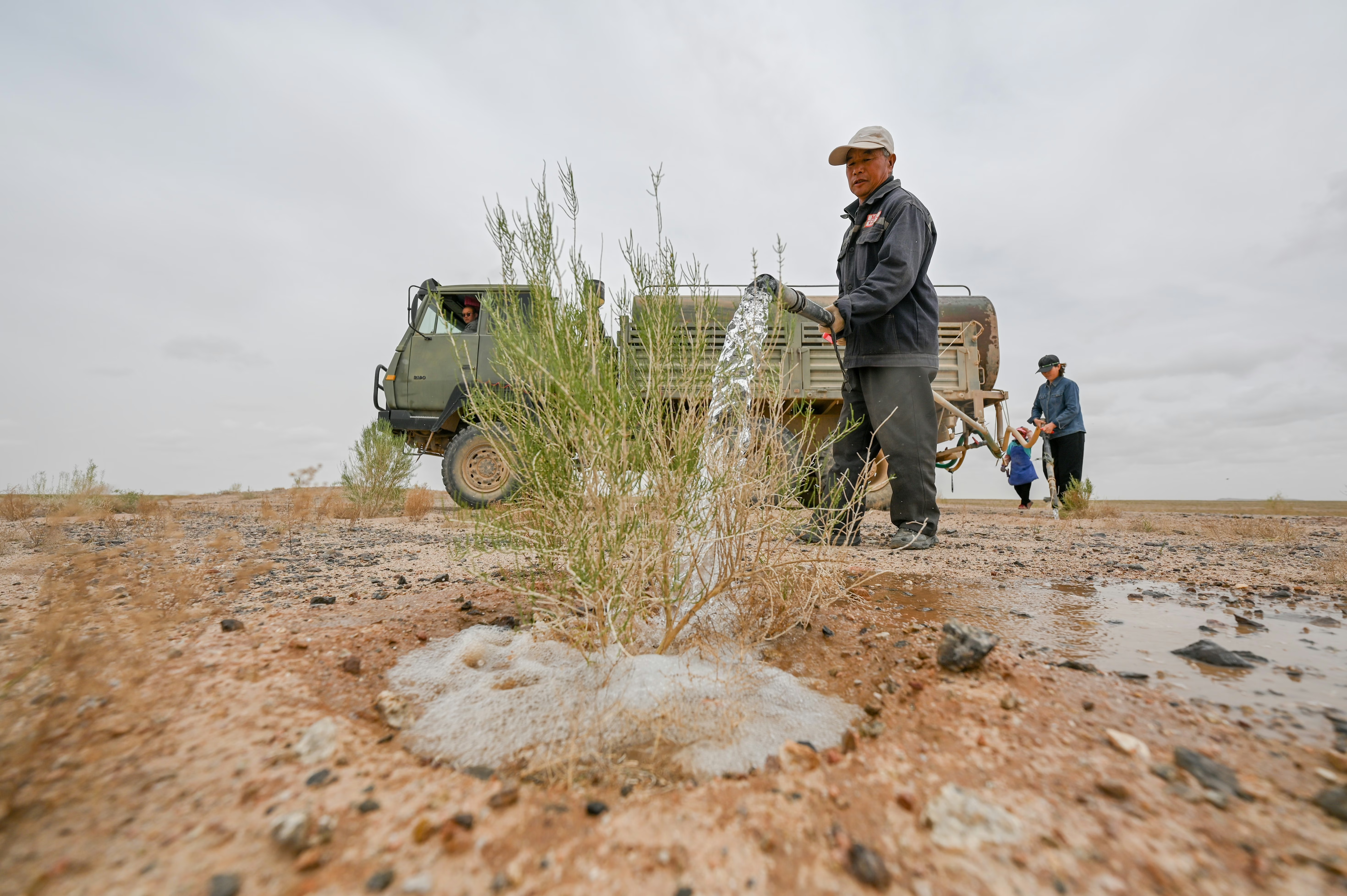
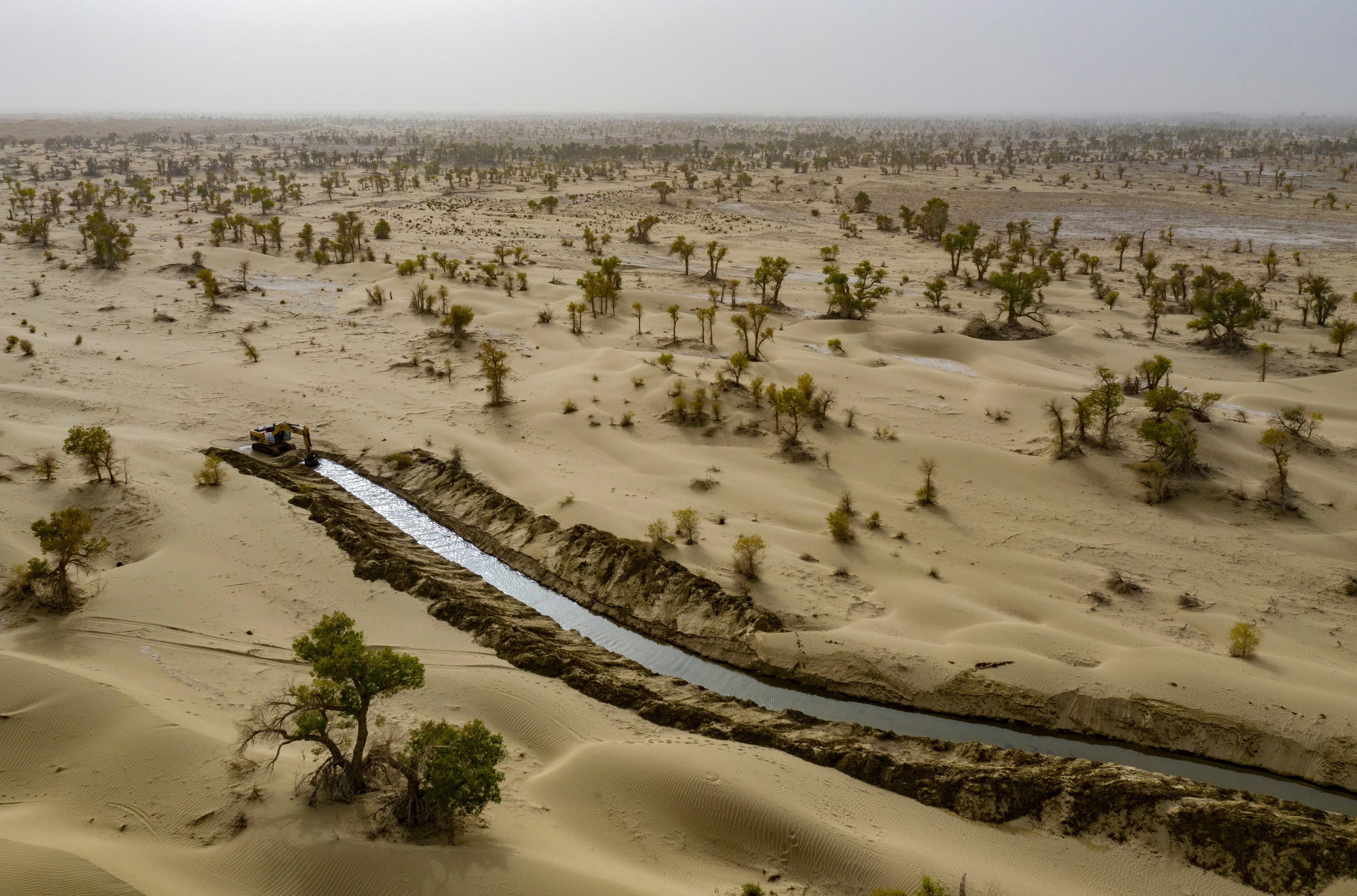
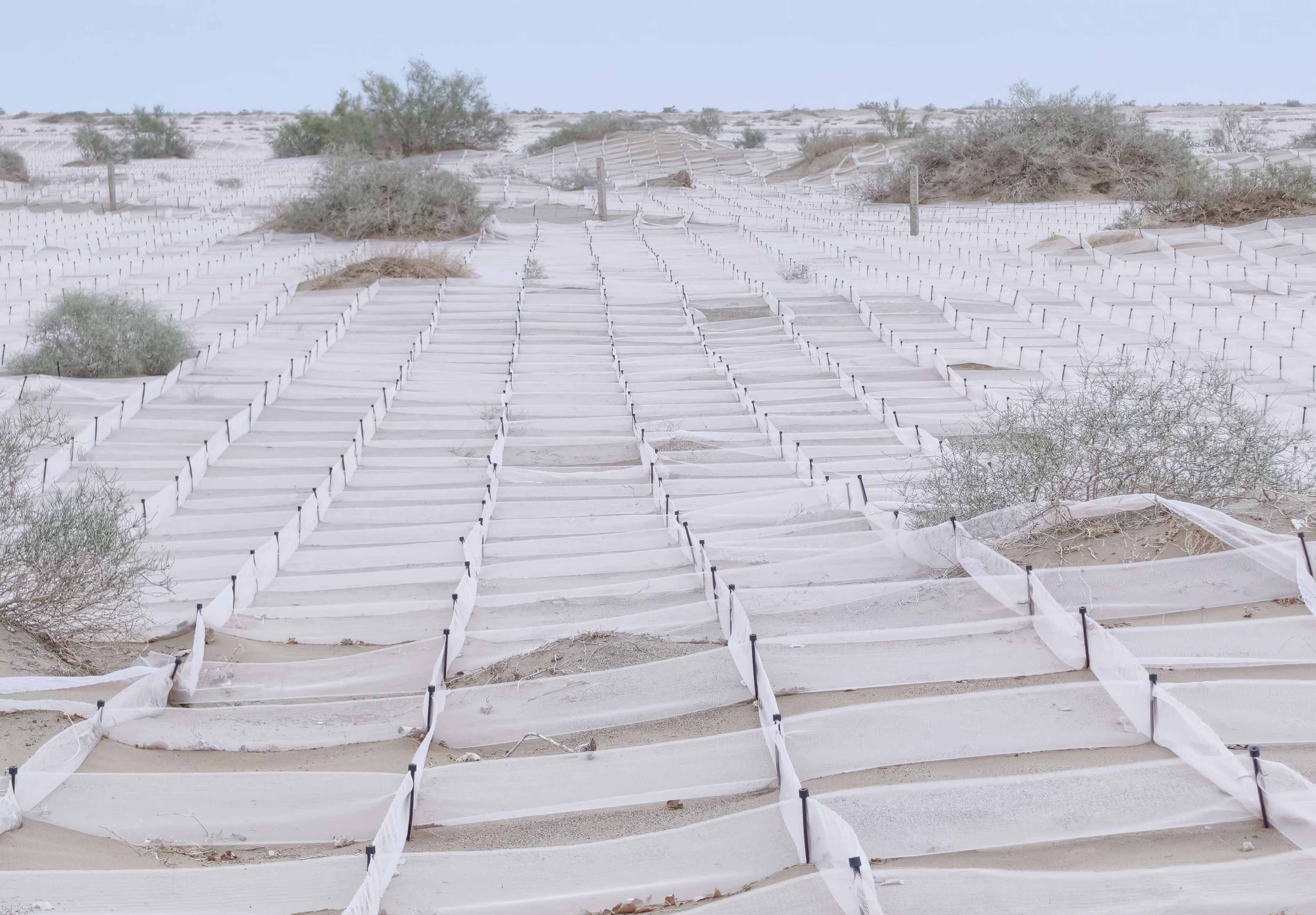
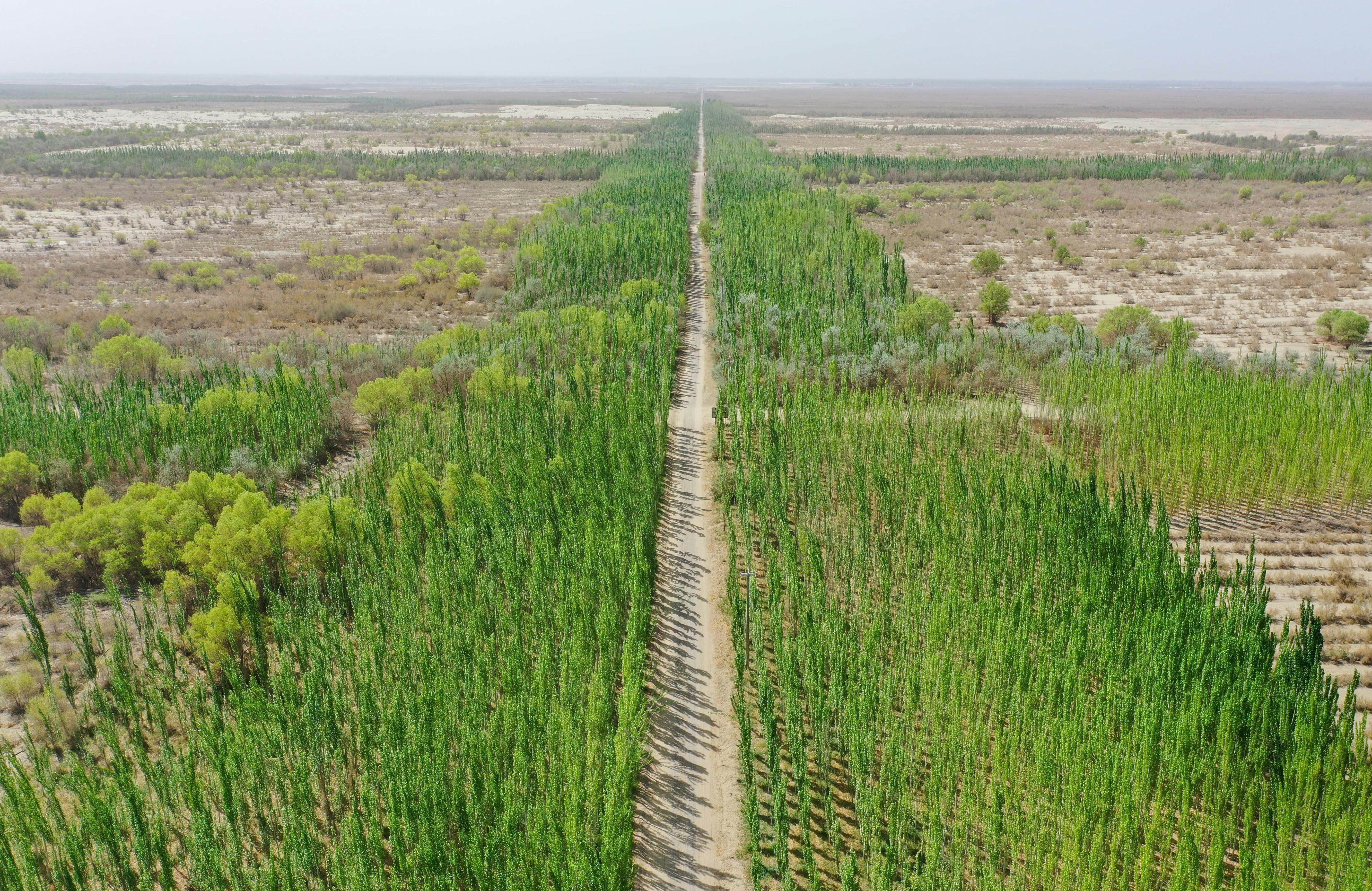
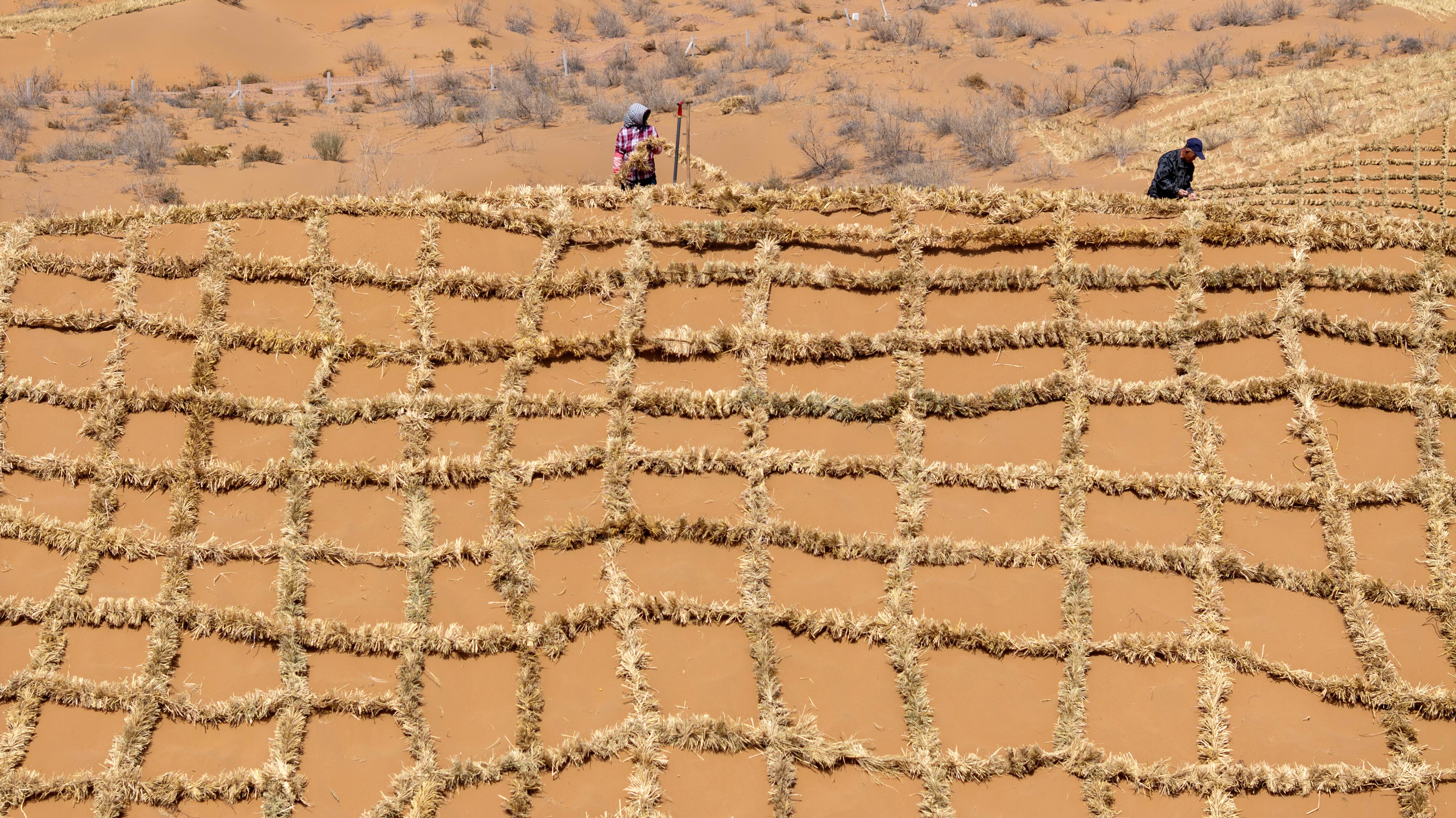
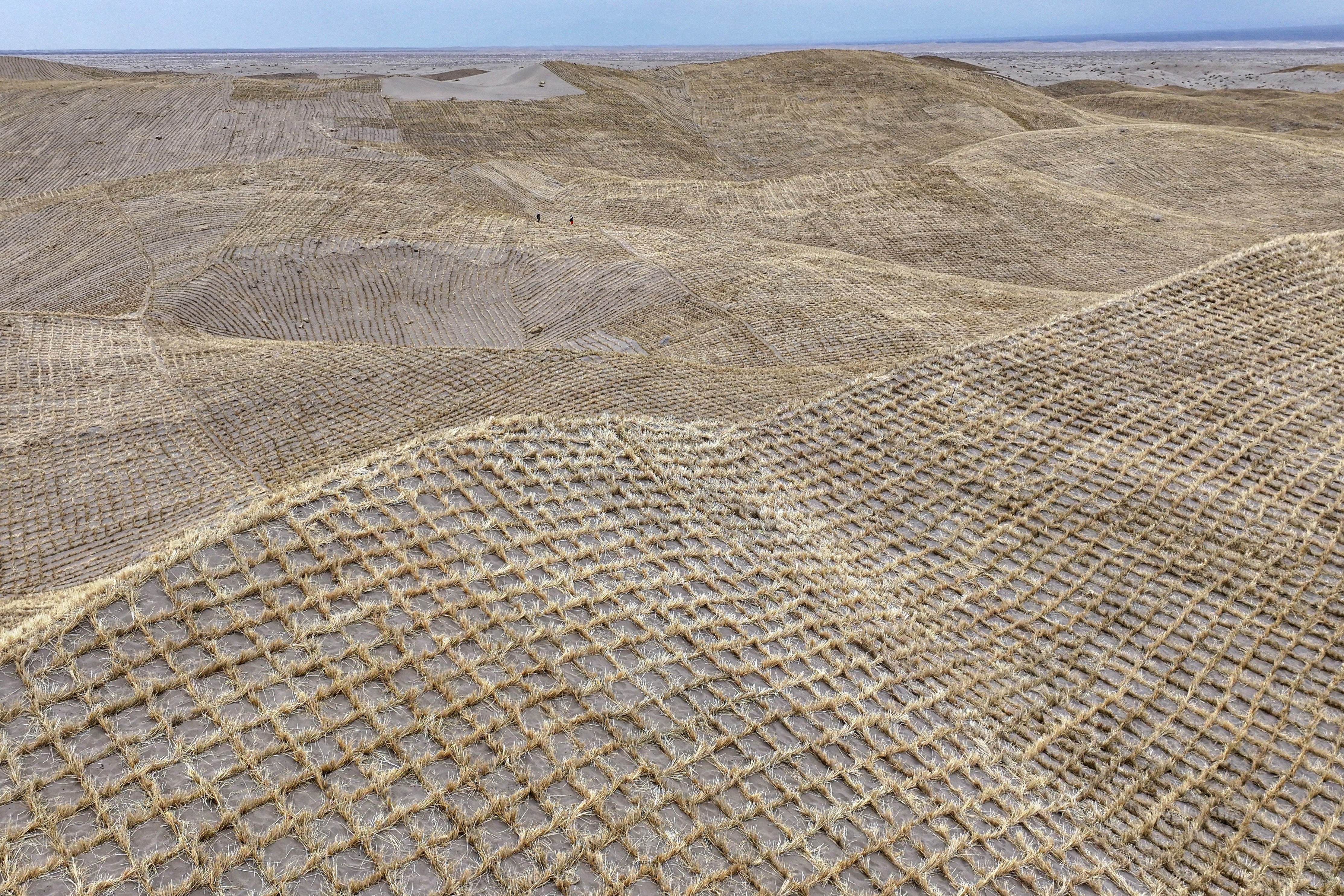
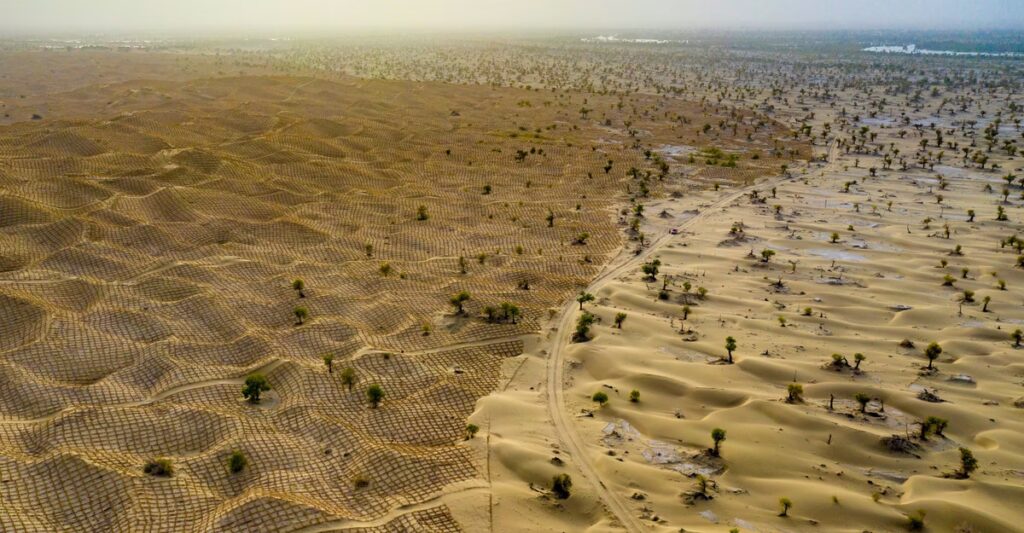
Chen Shuo / Xinhua / GettyA drone photo shows sand-control efforts—straw windbreaks set in checkerboard patterns across dunes—in the Taklimakan Desert, in Yuli County, Mongolian Autonomous Prefecture, in China’s Xinjiang Uyghur Autonomous Region, on September 19, 2025.Gao Hongshan / Xinhua / GettyA staff member works to lay sand barriers in the Kumtag Desert, in Kazakh Autonomous County of Aksay, in China’s Gansu Province, on December 13, 2025.CFoto / Future Publishing / GettySand-control work takes place in the Hangjin Banner section of the Kubuqi Desert, in Ordos City, Inner Mongolia, on August 25, 2025.Lang Bingbing / Xinhua News Agency / GettyVolunteers dig pits for water storage at the Zhonglin ecological public-welfare forest base in Minqin County, Gansu Province, on April 21, 2026. Minqin, sandwiched between two of China’s largest deserts, has 94 percent of its land area covered by desert and desertified land. As a result, it is one of China’s major sources of sandstorms. Minqin County has initiated multiple tree-planting campaigns since 2024. To date, volunteers have planted more than 1 million drought-resistant saplings.Wang He / GettyLocal women plow sand before planting trees and setting up windbreaks in Mingqin county on March 28, 2019, in Wuwei, Gansu Province, China.Pan Yulong / Xinhua News Agency / GettyA staff member checks the growth of a grafted pine tree at a demonstration project in Dade Township of Zhangwu County on May 29, 2025.Wang Chao / VCG / GettyA sandstorm approaches Zhangye, in China’s Gansu Province, on March 20, 2023.Yang Zhisen / Xinhua News Agency / GettyAn aerial view of a desertification-control area featuring solar panels in Yanchi County, in Ningxia Hui Autonomous Region, on August 26, 2026.Peng Yuan / Xinhua News Agency / GettyA technician controls a drone used to sow seeds in the Kubuqi Desert, in China’s Inner Mongolia Autonomous Region, on July 11, 2018.Li Fu / Xinhua News Agency / GettyAn aerial photo taken on May 31, 2026, shows farm fields in Ar Horqin Banner, Chifeng, Inner Mongolia Autonomous Region. In recent years, forage cultivation such as this has helped curb grassland desertification here.Que Hure / VCG / GettyAn aerial view of the Yuli-Qiemo Highway, flanked by sand-control barriers, after a rainfall on June 26, 2022, in the Taklimakan Desert, in Bayingolin Mongol Autonomous PrefectureCFoto / Future Publishing / GettyAn aerial view of some of the Qingtu Lake sandstorm-governance area in Minqin County, seen on June 8, 2025Li Xiang / Xinhua News Agency / GettyVeterans check the condition of haloxylon plants in Qiemo, a desert county in northwest China’s Xinjiang Uyghur Autonomous Region, on July 5, 2022. Since 2018, Tian Ye and seven fellow veterans have grown hundreds of acres of wind-blocking plants in the Taklimakan Desert.Lian Zhen / Xinhua News Agency / GettyDesertification-control workers water saxaul plants in the Badain Jaran Desert, in Alxa Right Banner, on May 21, 2026.Chen Shuo / Xinhua News Agency / GettyAn aerial photo taken on September 19, 2025, shows a man-made canal for flood diversion and water replenishment in the Taklimakan Desert, in Yuli County, Xinjiang Uyghur Autonomous Region.VCG / GettySand-control and desertification-prevention measures are seen in a desert area in Jiuquan, Gansu Province, on August 7, 2026.Ding Lei / Xinhua News Agency / GettyAn aerial view of a green belt in Makit County, Xinjiang Uyghur Autonomous Region, seen on April 17, 2026. Along the southern edge of Taklimakan Desert, sand-fixing forests have been grown into multiple green barriers.Yang Zhisen / Xinhua News Agency / GettyWorkers position new straw checkerboard barriers in the Tengger Desert, in China’s Ningxia Hui Autonomous Region, on April 10, 2026.AFP / GettyWorkers set up straw barriers across rolling sand dunes at a desertification-control area in Qingshui, Jiuquan, on April 12, 2026.Hu Huhu / Xinhua News Agency / GettyThe Tarim Desert Highway traverses through the Taklimakan Desert and the shelter belt planted alongside it in northwest China’s Xinjiang Uyghur Autonomous Region, seen on July 18, 2025.