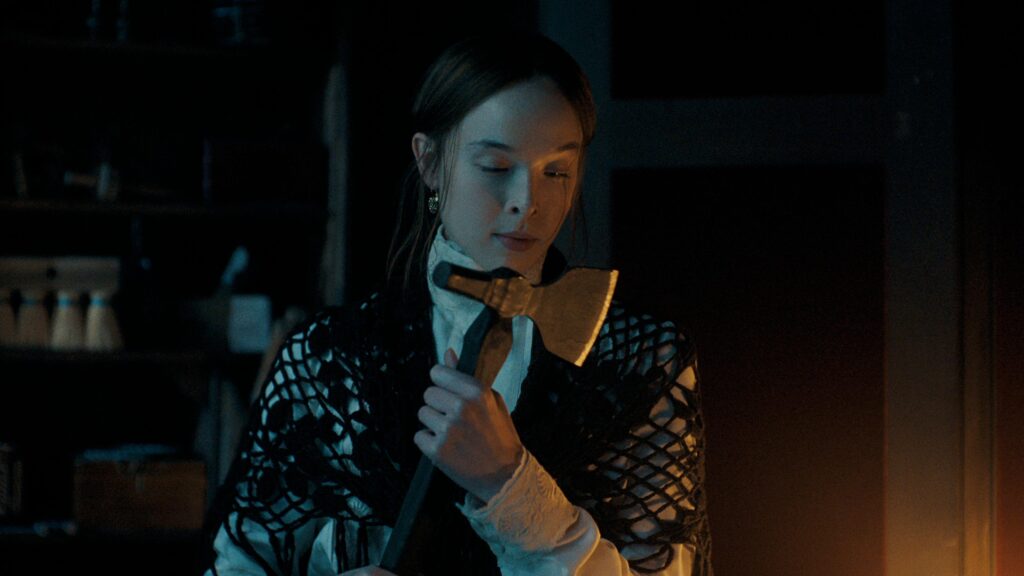
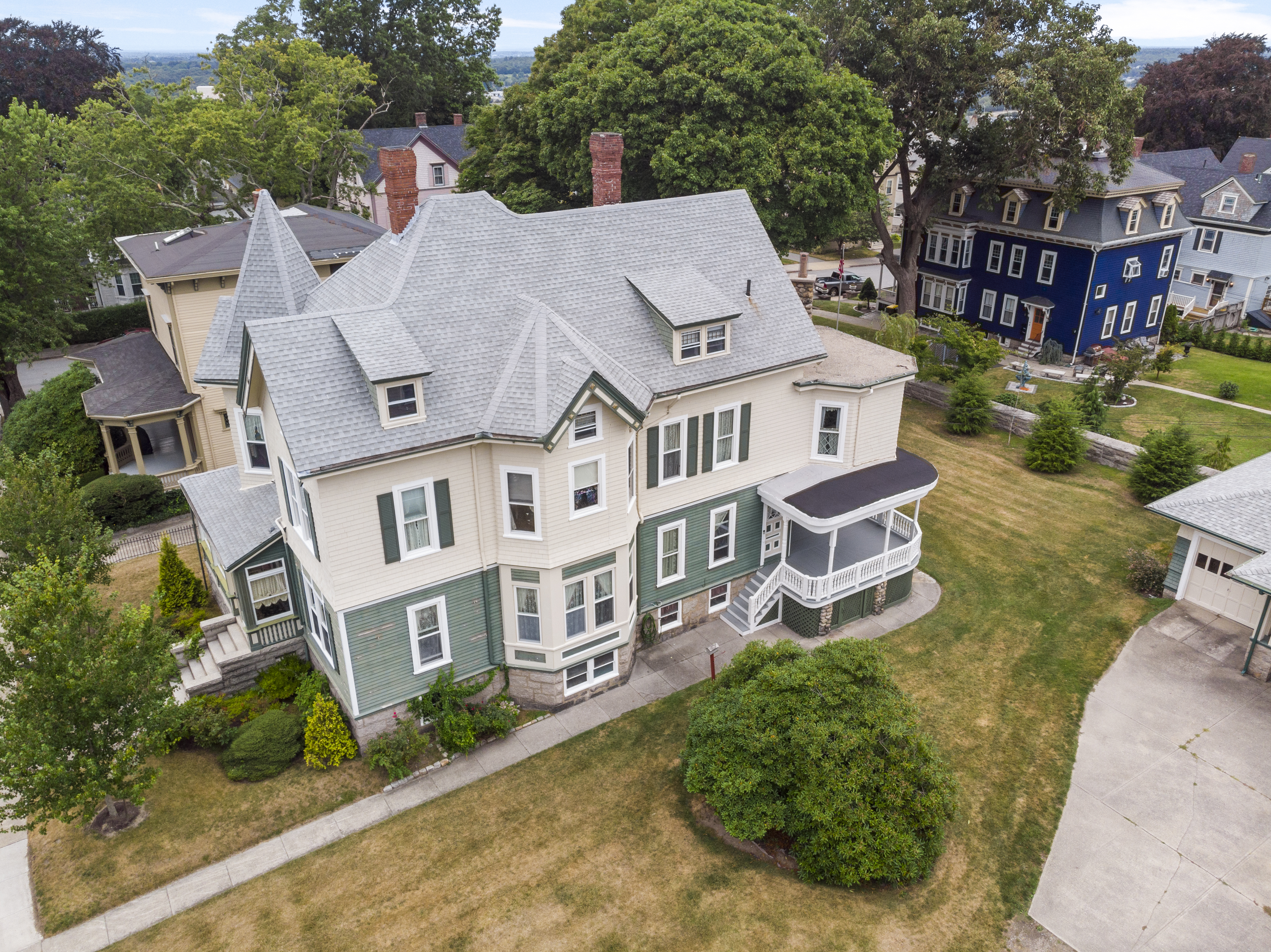
After she was acquitted for the murders of both of her parents, Lizzie Borden did not adopt a pseudonym and disappear into obscurity. Instead, she spent her ample inheritance (equivalent to about $10 million dollars today) exactly as she’d always wanted to before her parents’ untimely demise: On an imposing 4,000-square-foot, seven-bedroom Queen Anne Victorian mansion in the swankiest neighborhood of her hometown of Fall River, Mass. She named her new abode “Maplecroft.”
Borden—the subject of the latest installment of Ryan Murphy’s Netflix Monster anthology, which has previously dramatized the stories of Jeffrey Dahmer, the Menendez brothers, and Ed Gein—lived out the rest of her life at Maplecroft and died there almost exactly 100 years ago. The home’s a mere mile from the so-called murder house where Andrew and Abby Borden were famously axed to death in August 1892, when Lizzie was 32 years old. Some 50,000 true-crime fanatics flock annually to the macabre site (now a museum and bed and breakfast), but few know to trek up “The Hill,” as Fall River locals call it, for a glimpse of Borden’s other home. Now, as then, it’s a private residence whose owners would prefer looky-loos walk on.
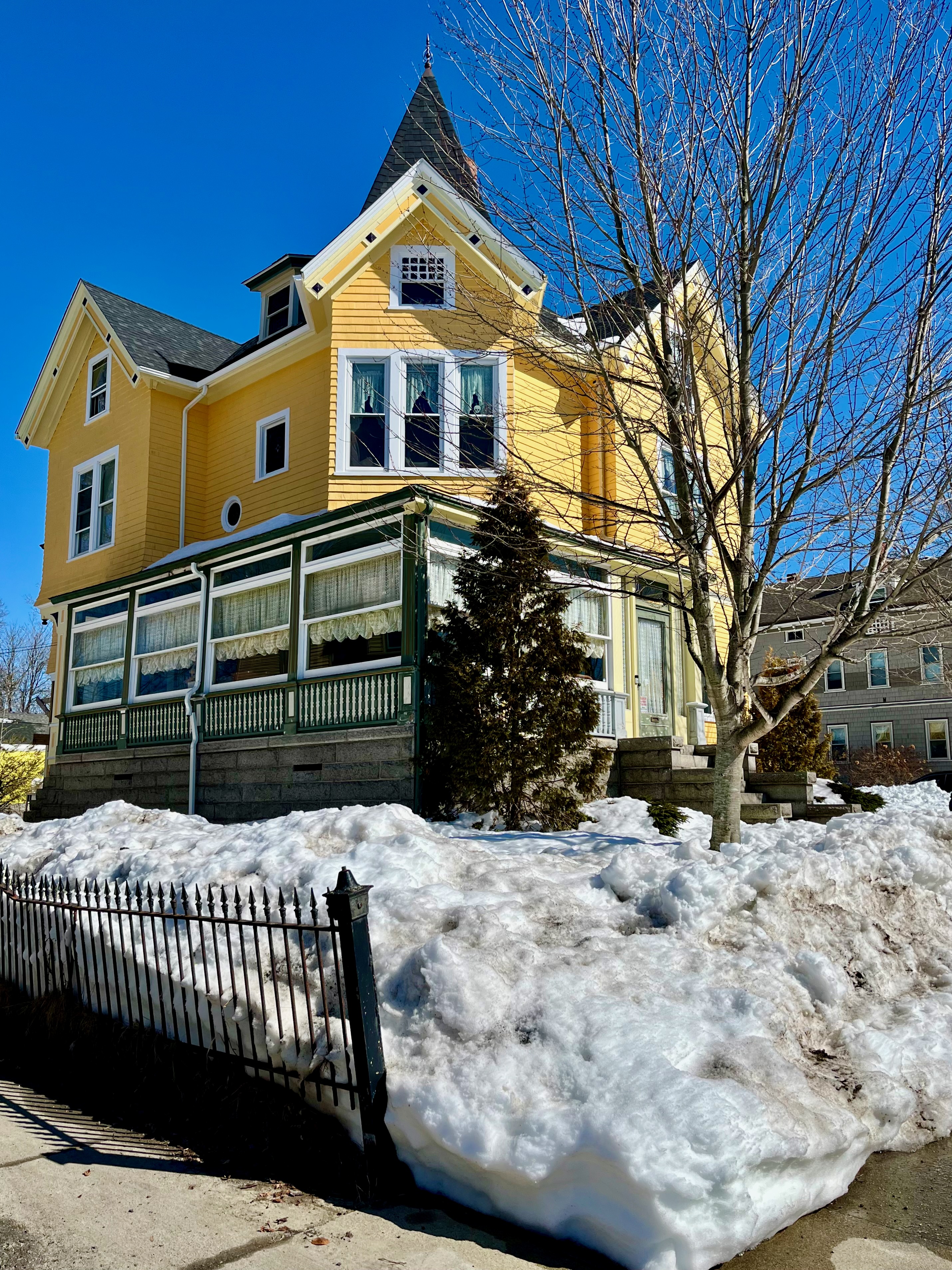
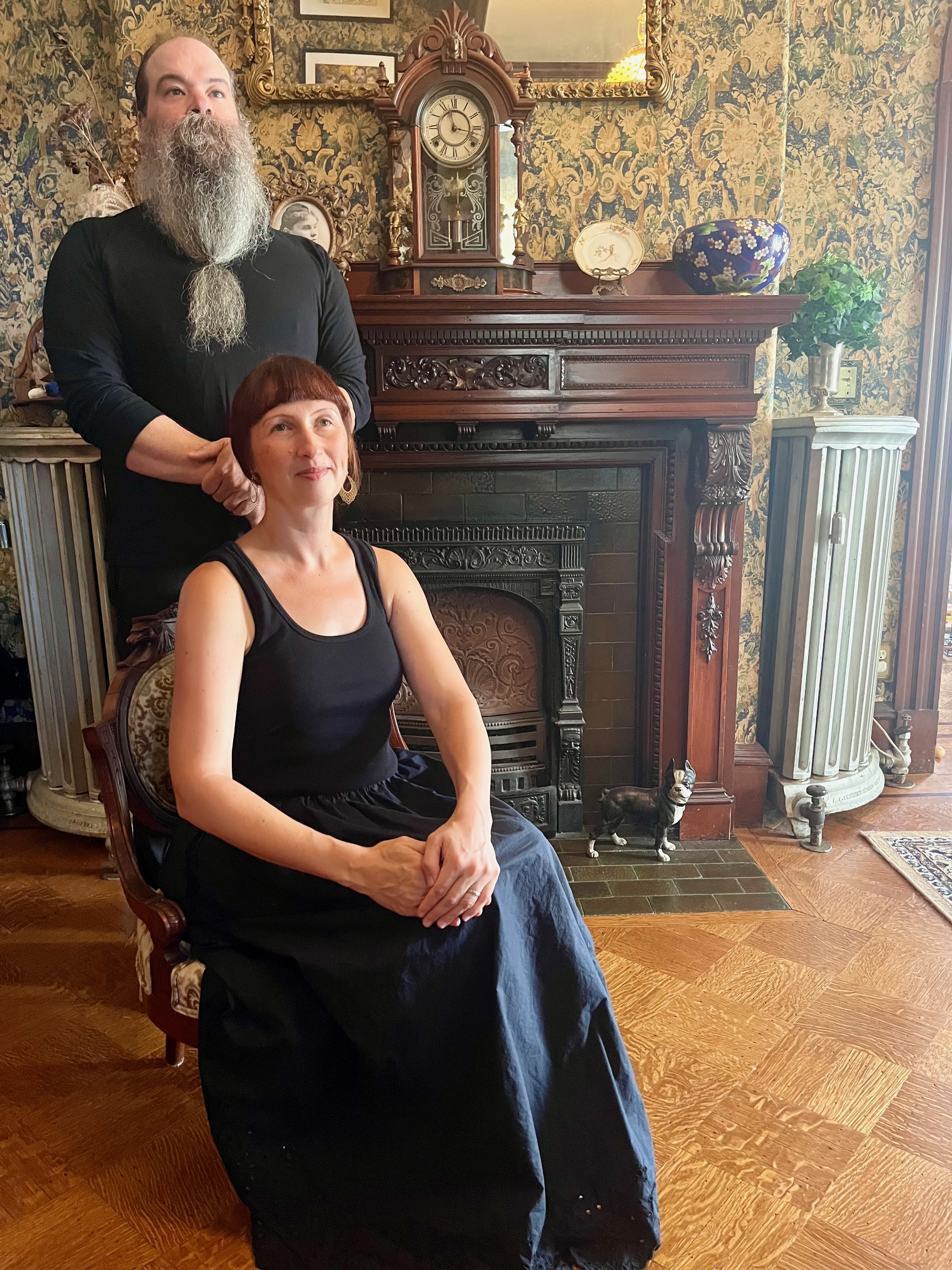
Current owners Brooke and Michael Doherty bought the notorious property in 2021, reluctantly. “When Michael first showed me the house, I said I didn’t want to live in the house of a hatchet murderer,” admits Brooke, whose family previously lived 20 minutes away in a home they were quickly outgrowing. Maplecroft offered plenty of indoor and outdoor space, but with three young children in tow, they worried about unwanted publicity, strangers peeking through windows, and even ghosts haunting the halls.
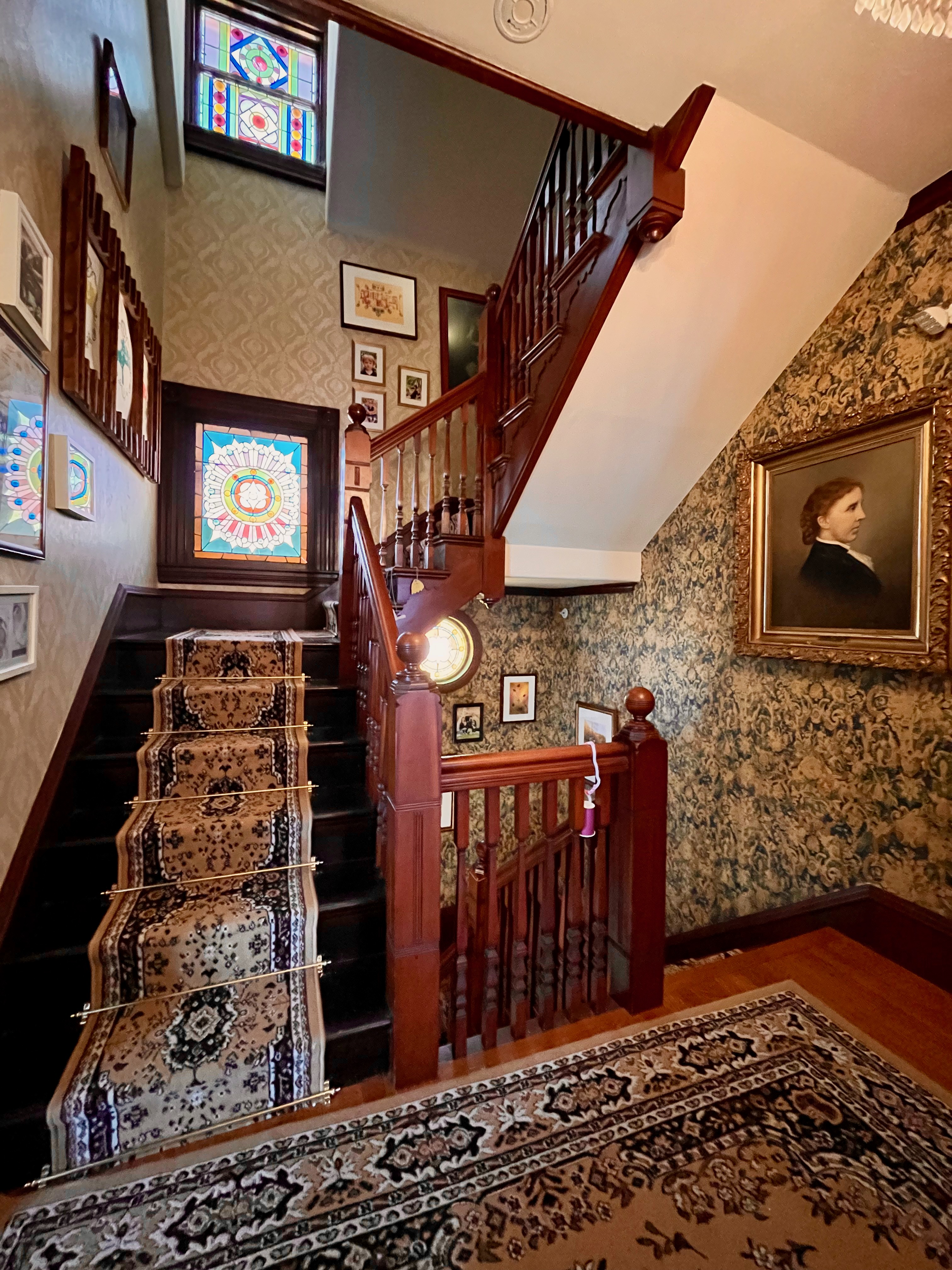
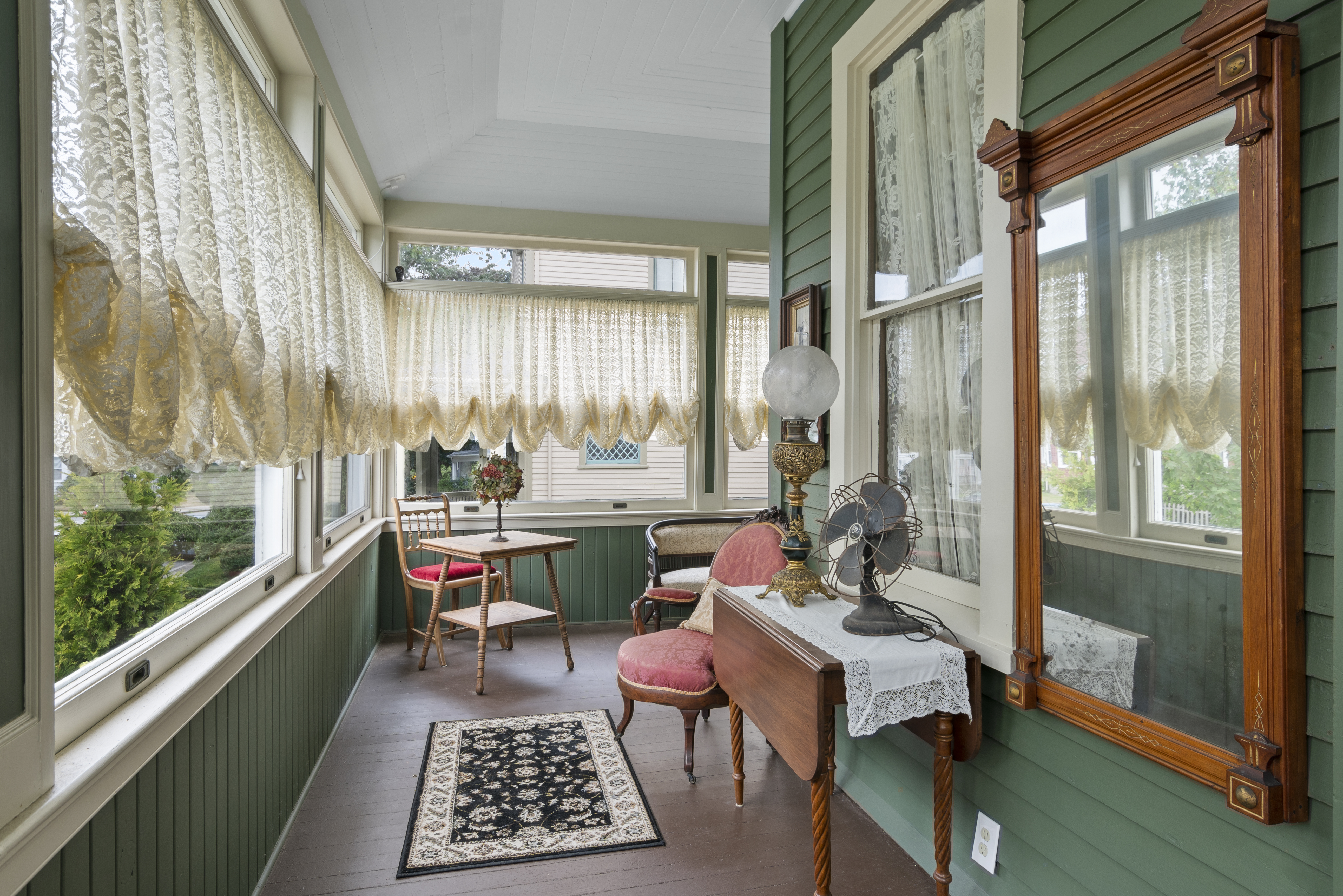
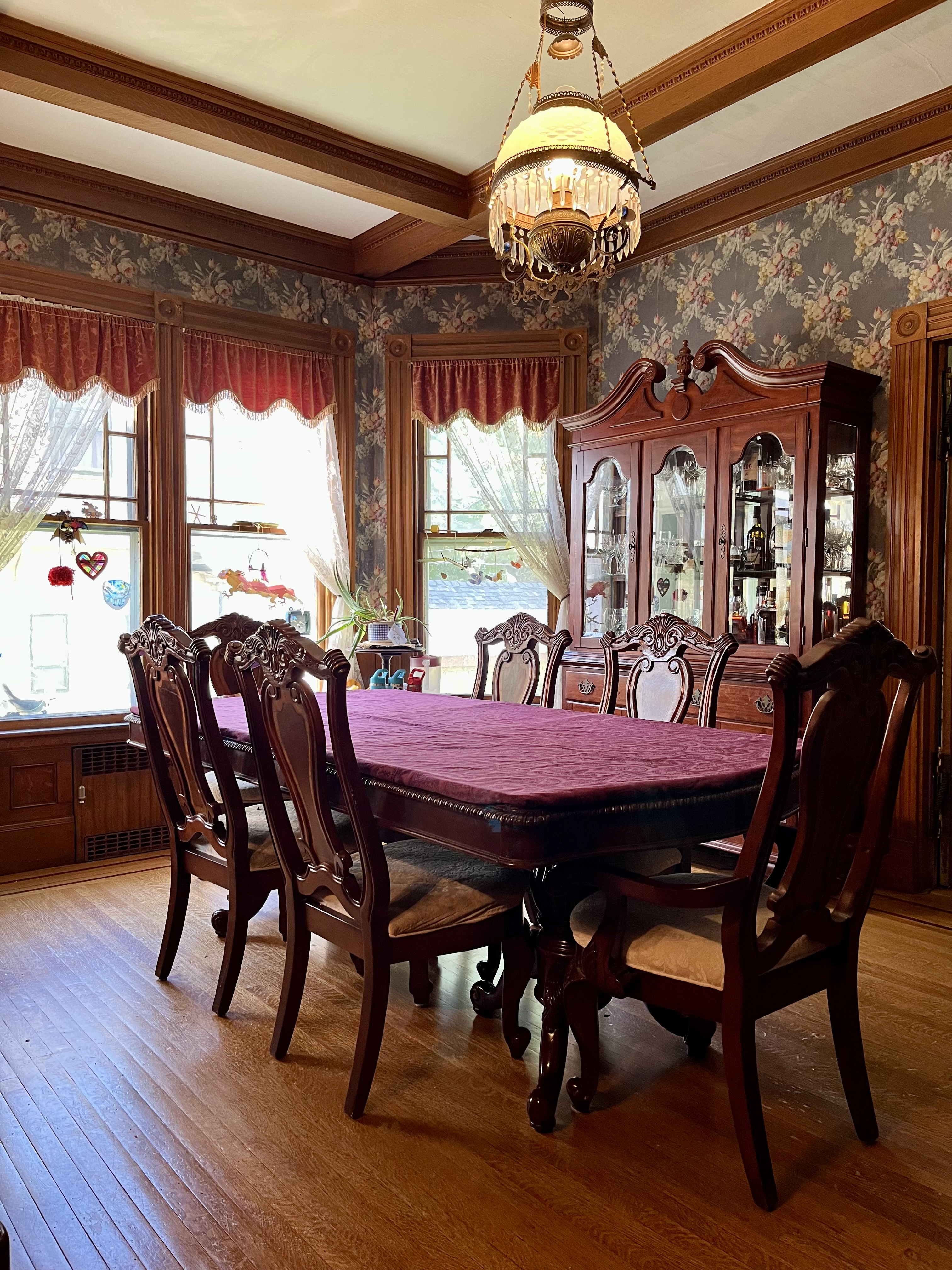
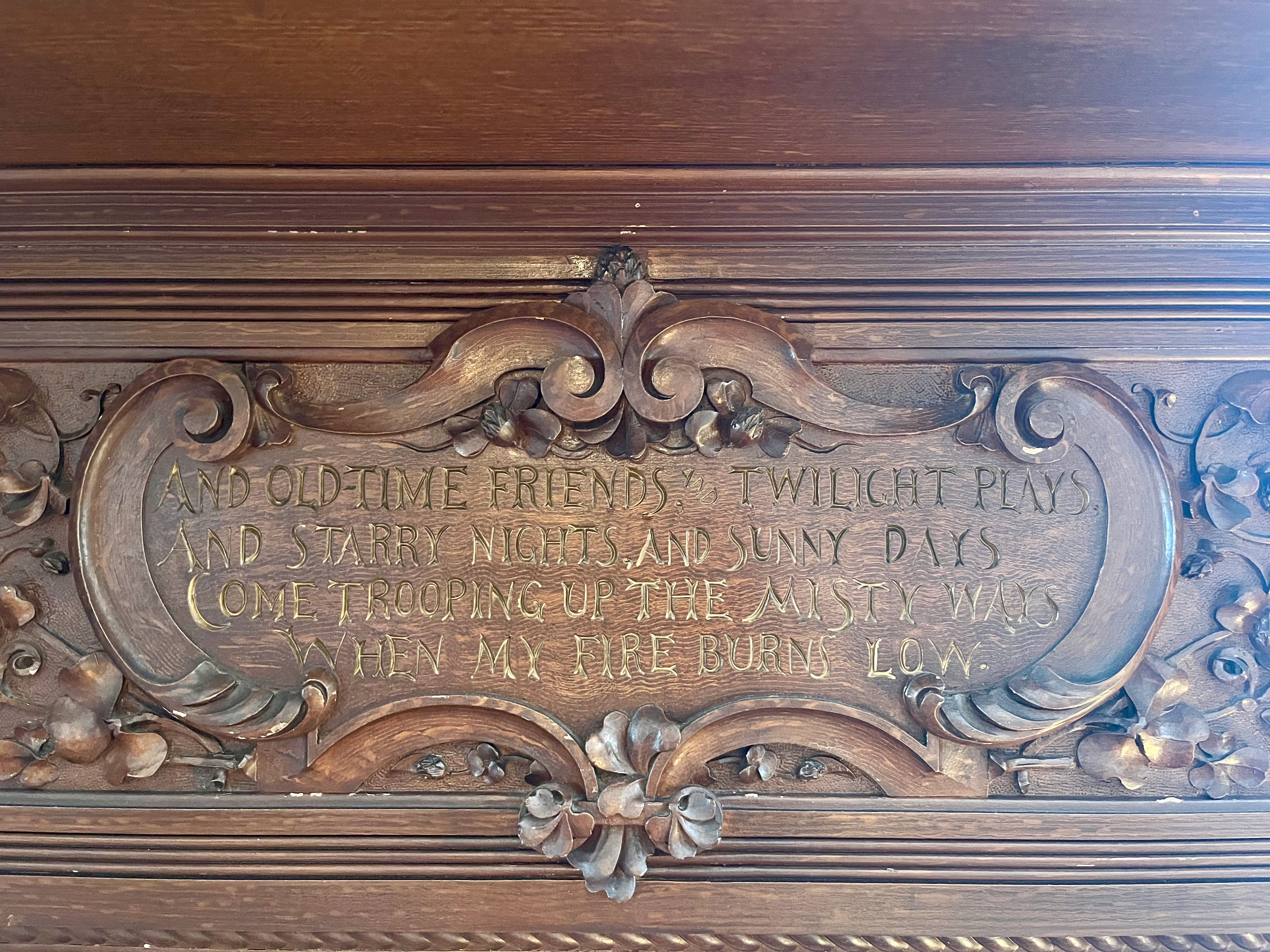
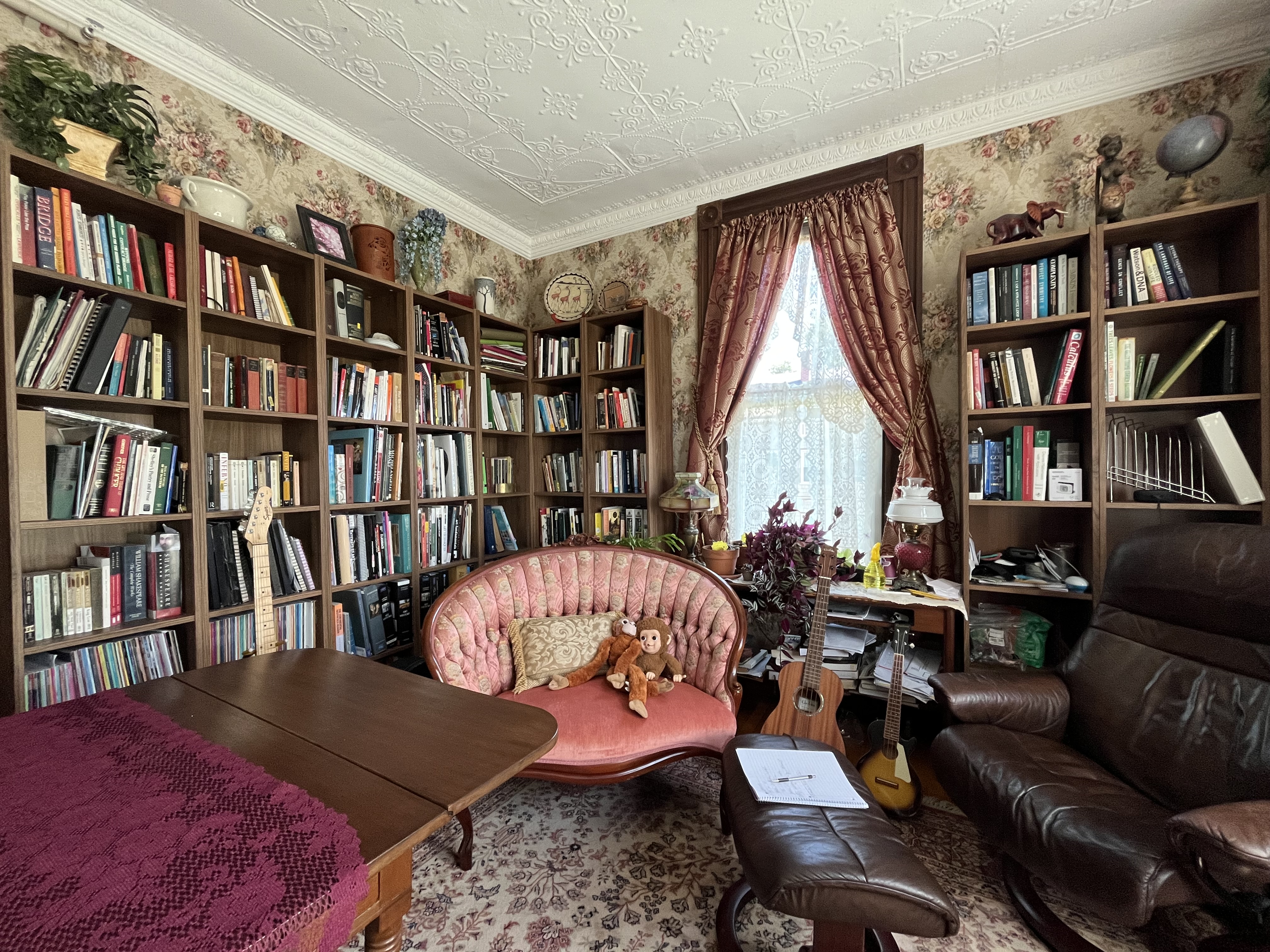
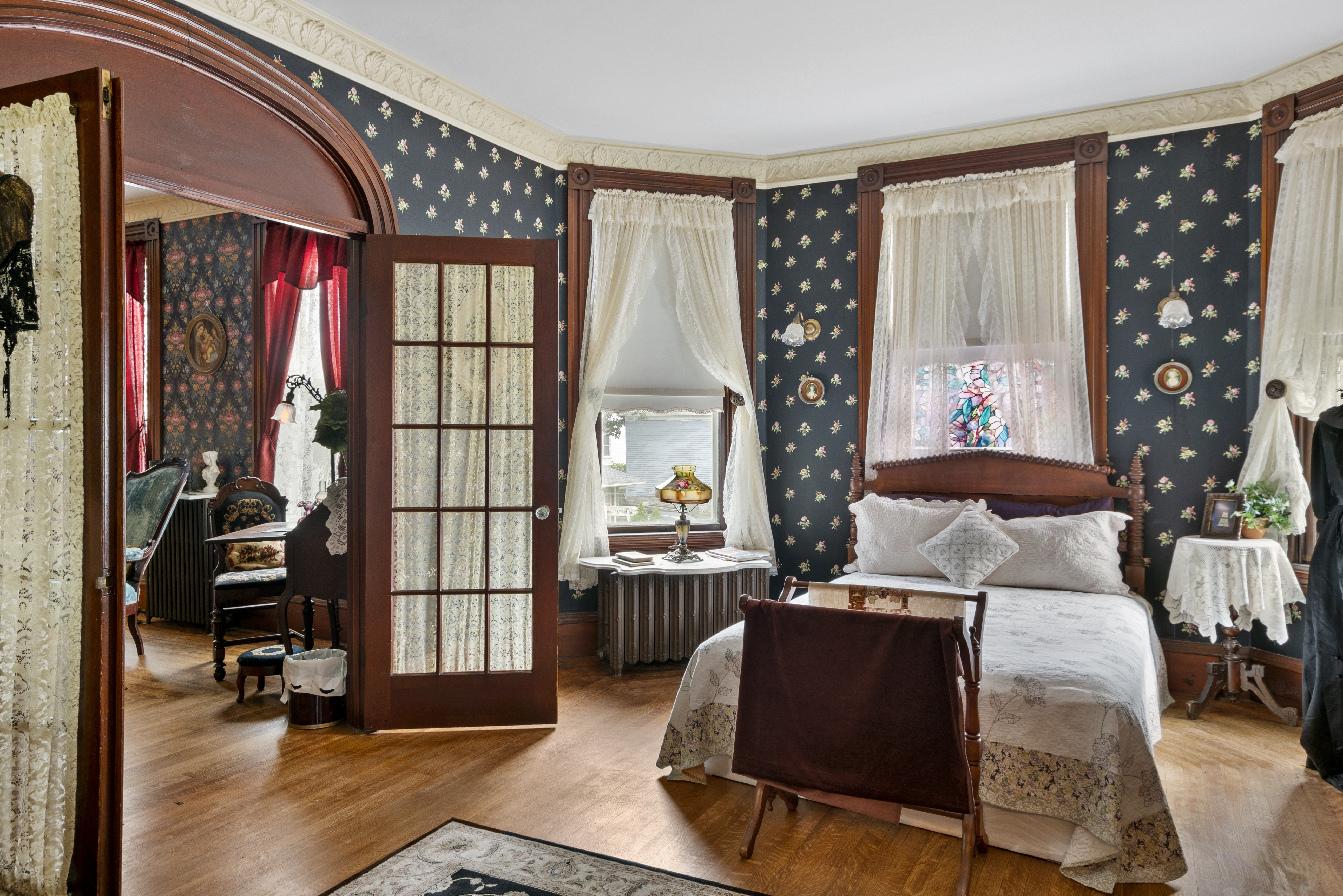
But it was those hallways—and the grand and back staircases, six carved fireplaces, original crown molding, Tiffany sconces, and stained glass windows throughout—that kept the Dohertys returning to the French Street home. “Soon enough I was convinced I could absolutely live in this old Victorian house that was basically a museum,” says Michael. When the previous owner’s plans to turn Maplecroft into a bed and breakfast fell through during the pandemic, the asking price lowered to $800,000 and the Dohertys made a successful (undisclosed) offer.
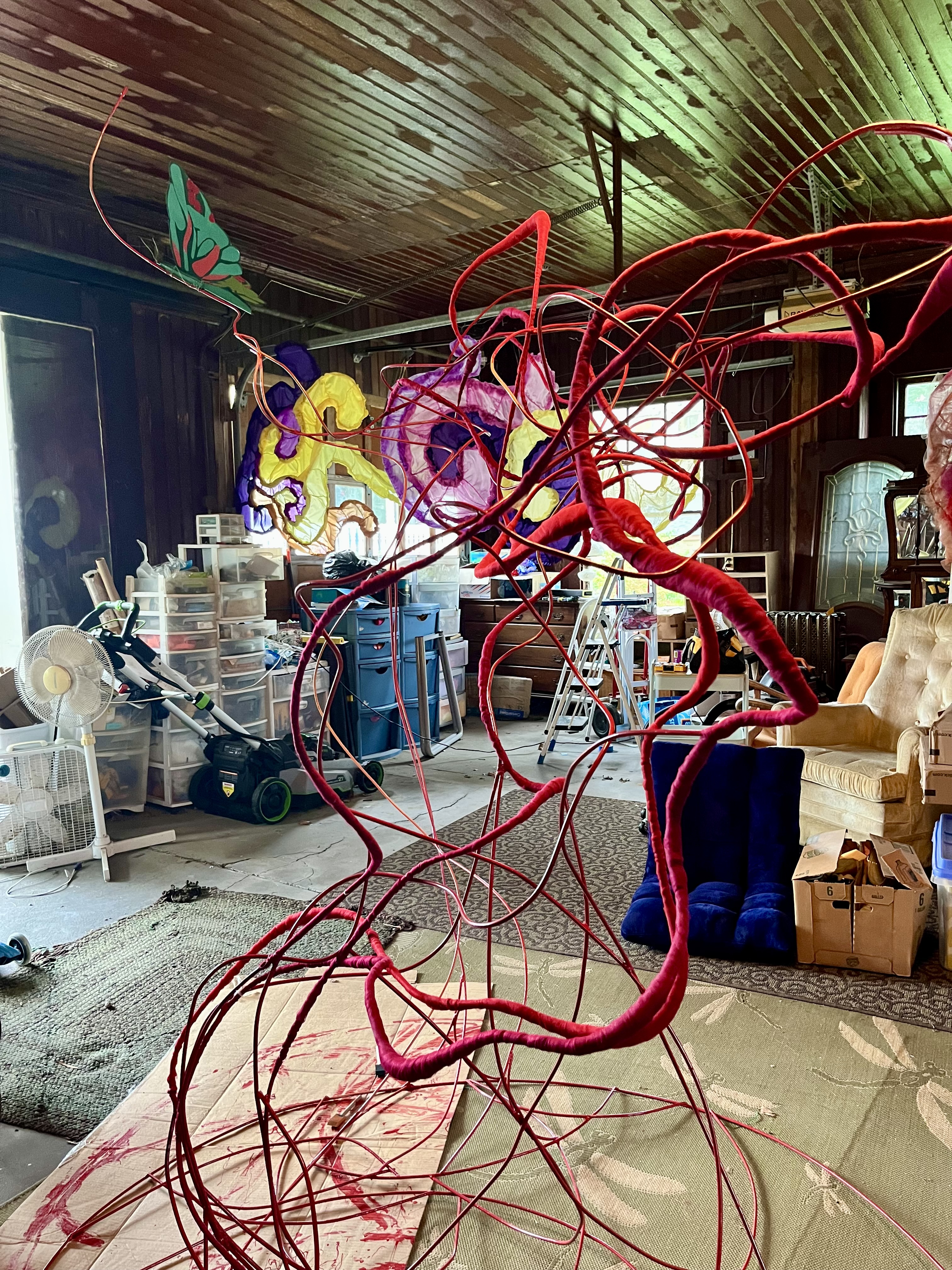
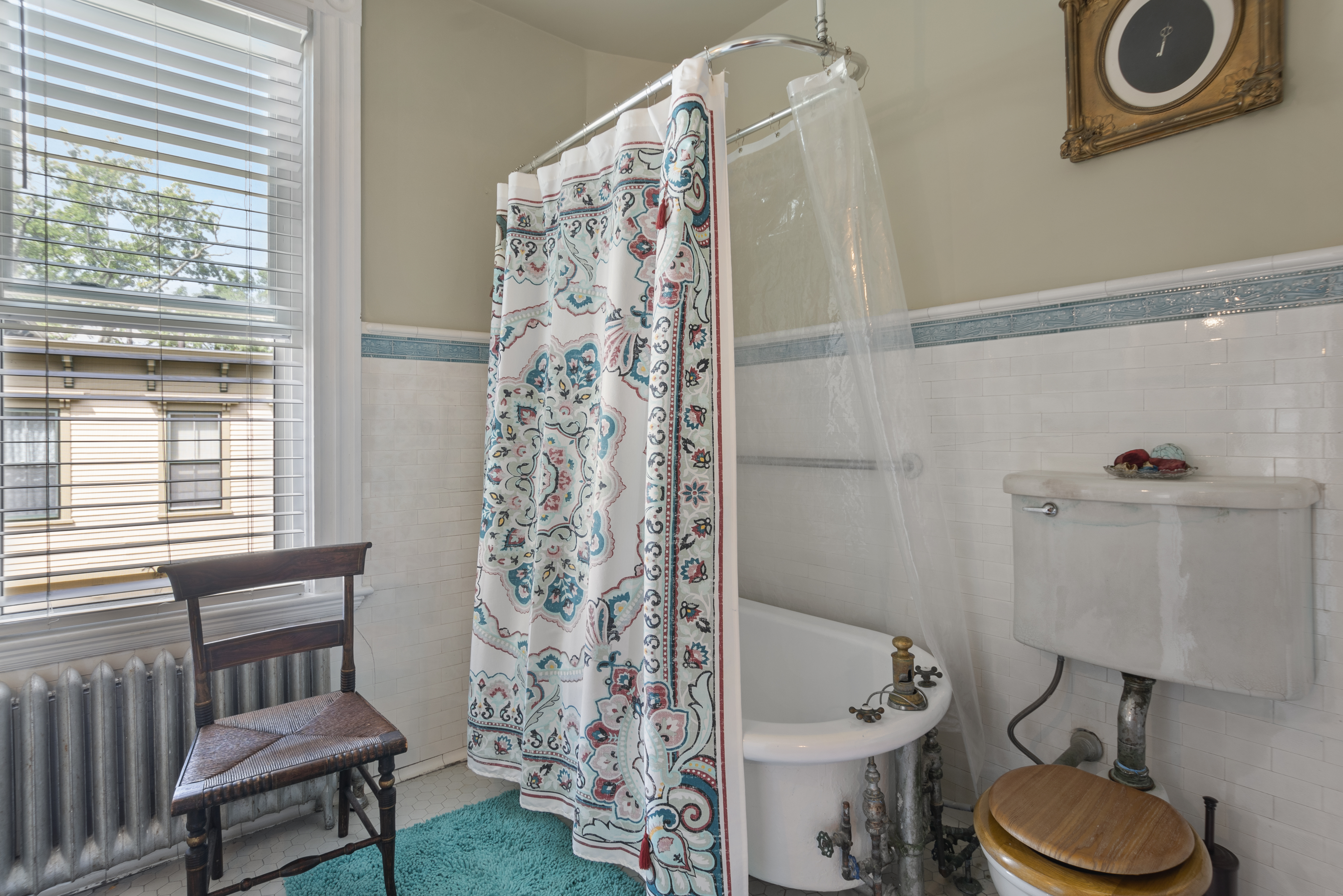
Borden moved in just three months after a jury of 12 men freed her from the 9-by-7-ft. cell at the county jail, having decided a mere woman couldn’t possibly have committed the murders. Her new digs were upgraded spectacularly from the much humbler home that was the scene of the infamous crime: Maplecroft was completely modern (in 1893, at least) and comparatively luxurious, with electricity, running hot and cold water, and flush toilets in all of its three-and-a-half bathrooms. Borden would later own one of the first automobiles in town, a black Ford Model T fittingly nicknamed the “Tin Lizzie,” which she stored in her carriage house—now Brooke’s art studio—with a private gas pump and customized turntable; America’s most notorious alleged murderer, it seems, couldn’t reverse park.
Fabulous real estate aside, popular culture paints post-trial Borden as a lonely outcast who was shunned by her neighbors and taunted by local kids who threw rotten eggs. But that’s not quite true: Borden lived at Maplecroft, for a time, with her sister Emma, nine years her elder, and their many pets—three Boston Bull Terriers and a black cat named Daisy. She had few if any friends among the townspeople, who had come to a slow acceptance, despite the jury’s verdict, that their Sunday School teacher had almost certainly committed the gruesome crime. Borden rarely ventured out except to go to the theater, where she could sit unnoticed in the darkness, and in 1904 the spinster fell into and found camaraderie with an inarguably more interesting bunch: the roving and booming Massachusetts theater community, including famous starlet Nance O’Neil, with whom Borden developed a close friendship.
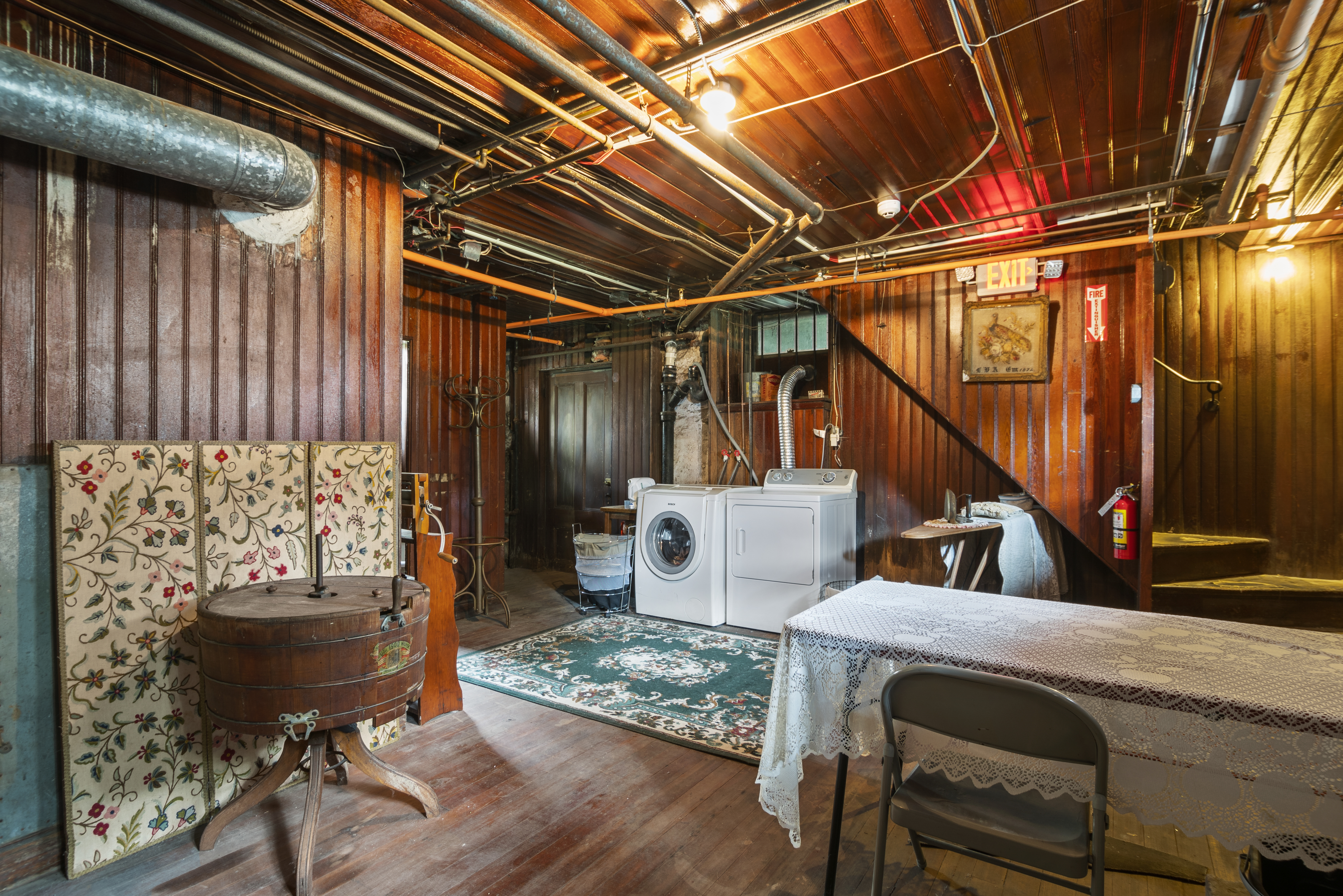
Since she was shunned anyhow, Borden had slowly stopped complying with rigid social rules and norms. She didn’t attend church and quit her previously prominent role in the Woman’s Christian Temperance Union. Both disapproved whole-heartedly of Borden’s rowdy theater friends, whom polite society considered similarly disreputable and immoral. Behind her tall fence, Borden hosted loud, lavish parties in Maplecroft’s basement, decked out as what the Dohertys call a speakeasy with, in Brooke’s words, “a nice wood floor big enough for dancing and floor-to-ceiling wainscoting wood panelling.” One latched panel, meanwhile, conceals a shallow hidden cupboard ideal for a Prohibition-era party. “Just enough space to hide a few whiskey bottles,” adds Michael.
Whatever went down in the basement, prudent Emma upstairs didn’t approve of the shenanigans. With the Fall River Herald reporting on the sisters’ every sighting (even their clothing—Emma wore all black in eternal mourning while Lizzie defiantly refused to wear black as decorum dictated), Emma thought they should live discreetly. Lizzie disagreed and, following a particularly offensive week-long bash in 1905, the eldest Borden sister packed her bags and left forever. “The happenings at the French Street house that caused me to leave, I must refuse to talk about,” Emma later told the Boston Post before speaking rather freely: “I didn’t go until conditions became absolutely unbearable.” On the advice of their reverend, Emma cut ties with her sister and moved away. They never met or spoke again, but died days apart in 1927 and were buried next to one another in the family plot.
Upon her death, the childless Lizbeth Borden (as she called herself in later years) gifted property, jewelry, books and furniture to some distant friends and family members but left most of her money to Fall River’s Animal Rescue League. To the Dohertys, it’s all more evidence that their home’s previous owner was kind and generous, a woman with good taste and an appreciation for fine workmanship, but most importantly—despite what most Borden historians and public opinion and Ryan Murphy says—an innocent one. “The longer we live here,” says Brooke, “the more we’re convinced she didn’t do it.”
.JPG)
The post Inside the House That Suggests History Got Sad Spinster Lizzie Borden All Wrong appeared first on TIME.