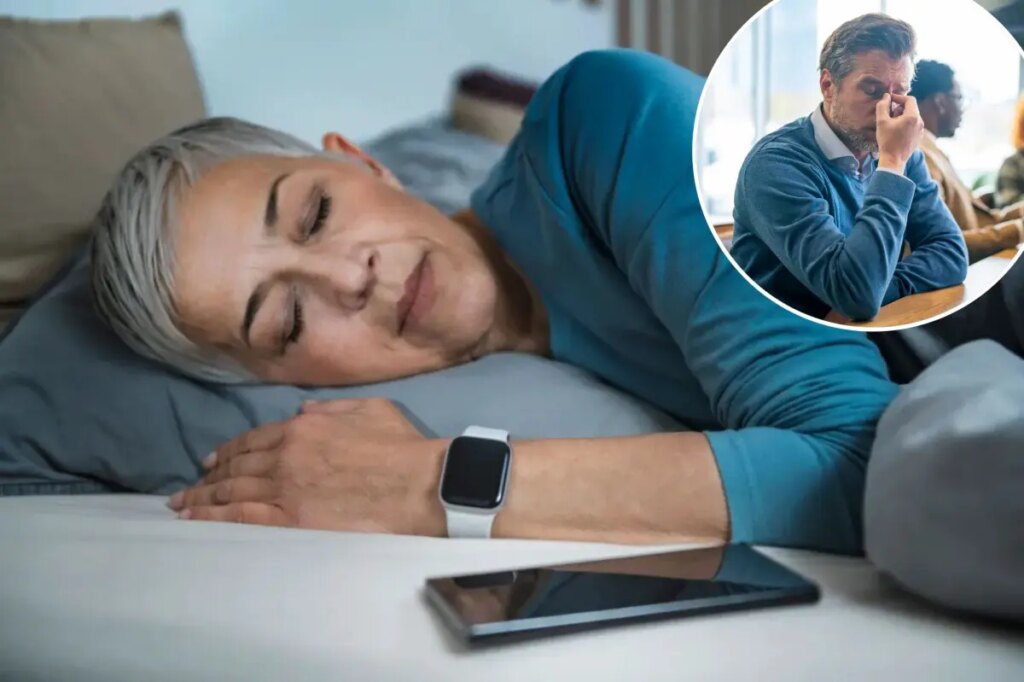
If you’re among the 48% of American adults who’ve tried a sleep tracker, you know how much information they can provide — from how long you snooze each night to how consistent your sleep schedule is.
But new research suggests the wellness wearables are missing a crucial piece of the puzzle.
So much of our wellbeing relies on a good night’s rest, so it makes sense to track sleep, get a better understanding of your sleep habits, and correct any issues.
But what trackers are missing could actually give people a false impression of their sleep health, delaying diagnoses and treatment for issues like insomnia.
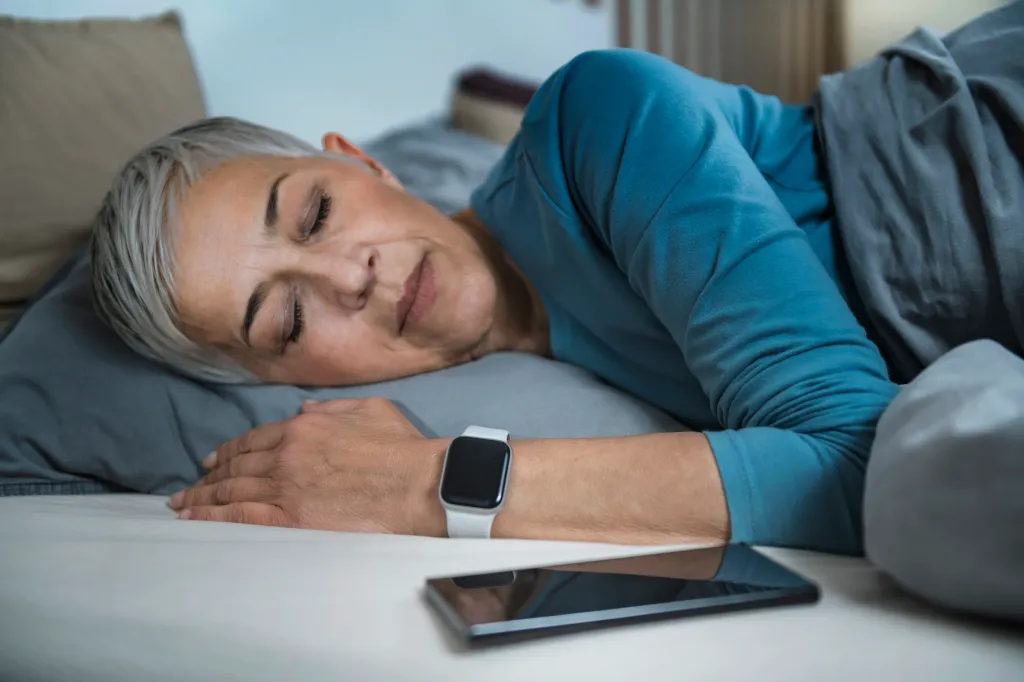
Researchers analyzing data from more than 2,000 people found that what sleep trackers recorded often didn’t line up closely with how people actually felt about their sleep.
Put another way, your sleep tracker might tell you that you slept great—even if you wake up feeling awful. The findings suggest these devices capture only part of what makes sleep feel good or bad.
In fact, the measurements captured by wearables explained just 2.5 to 16% of the differences in how people rated their sleep quality. That means a whopping 84 to 98% of the variation in how well people felt they slept wasn’t explained by what their devices recorded.
Who wears the tracker matters
In one study examined in the review, researchers compared sleep data recorded on Fitbit to measurements from polysomnography (PSG), a gold standard for measuring sleep. It measures brain waves, heart rate, breathing, blood oxygen, and eye and leg movements.
Among healthy sleepers, the Fitbit showed acceptable agreement with PSG in 82.4% of participants. But that dropped to just 39.4% among people with insomnia. Other studies in the review also found poorer agreement in older adults and people with other health conditions.

One possible explanation is that the trackers are mistaking interrupted or delayed sleep for continued sleep, because the person is lying still. That means it’s missing time spent lying awake trying to get to sleep or getting woken up in the night.
One study in the review showed the devices overestimated sleep time by 30 minutes and sleep efficiency by 8%.
This “suggests that device measurements may provide misleading information that could delay appropriate clinical intervention,” the authors said.
That’s particularly concerning because sleep trackers are supposed to help people identify problems with their sleep. If a tracker tells someone with insomnia that they’re sleeping just fine, it could provide false reassurance—and potentially discourage them from bringing persistent sleep problems to a doctor.
Don’t throw away your tracker
Even if they don’t provide a comprehensive view of your sleep health, trackers can give great insights on how long you’re sleeping, and how regularly you get good sleep.
Authors just say the data shouldn’t be used alone.
Sleep quality isn’t just about the numbers—it’s also about how you actually feel. Experts recommend keeping a sleep diary alongside your tracker, noting how rested you feel the next day as well as whether you remember lying awake during the night.
The post What your sleep tracker actually gets wrong about sleep: study appeared first on New York Post.