Rabies cases in the United States from July to August increased 17 percent compared to the same period last year, following several “high-profile rabies outbreaks” and exposure events, the Centers for Disease Control and Prevention said Thursday.
Over the summer, rabid beavers attacked two people in a Maryland state park. A North Carolina petting zoo also confirmed that several of its baby goats tested positive for rabies and warned that nearly 300 people could have been exposed in July and August.
In a health alert Thursday, the CDC said it had received reports from at least eight state health departments from July to August of increased post-exposure treatment, errors in administering post-exposure treatment, or both.
It reiterated that those who suspect they were exposed to rabies must seek medical attention immediately, before symptoms start.
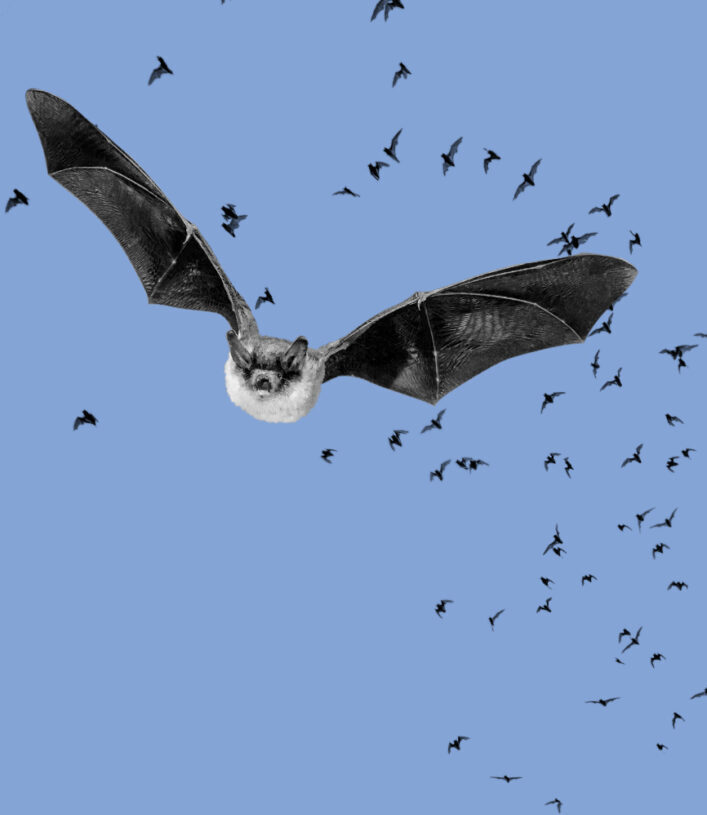
Rabies spreads primarily through bites or scratches from an infected animal — typically bats, skunks, raccoons and foxes — and is nearly 100 percent fatal for humans if not promptly treated. Treatment consists of a series of vaccines to prevent the disease from developing.
Each year, about 1.4 million people in the United States seek medical care after suspecting contact with a rabid animal, and about 100,000 people receive post-exposure treatment, according to the CDC. Fewer than 10 rabies deaths are reported each year.
Catch up quickly every weekday morning with a rundown of the 7 most important and interesting stories. Sign up for The 7 newsletter.
The post Rabies cases increased 17 percent in July and August, CDC says appeared first on Washington Post.