Sean P. Duffy is the U.S. secretary of transportation.
America has long been synonymous with building big, beautiful projects. It built the Golden Gate Bridge — a true transportation marvel — in 4½ years. It built the Hoover Dam — a powerhouse of energy production — in less than five. In the decades that followed, the United States became the undisputed leader in transportation and energy infrastructure.
But fast-forward to today, and that pedigree of progress can feel like ancient history. Instead of building on its successes, the U.S. has slipped into bureaucratic complacency. Endless environmental reviews, miles of permitting paperwork and trial lawyers all gum up productivity. All the while, China continues its rapid build-out of energy infrastructure, transportation systems and advanced manufacturing. There are obvious problems with China’s communist, state-sponsored approach, but the reality remains: The U.S. is falling behind.
None of this is breaking news. Washington has been talking about permitting reform for years, with little to show for it. What is news is that President Donald Trump is changing that — including at my department. In the first 18 months of the administration, we slashed environmental assessment times by more than half, executed 30 landmark deregulatory actions and awarded $9.7 billion in competitive grants, outpacing the Biden administration’s four-year total.
Enter America’s Great Corridors of Commerce.
To compete with China, America needs creative solutions not only to upgrade its traditional infrastructure, but to fast-track the new systems that will fuel industry for generations to come. That means more high-voltage transmission lines to make energy more affordable and meet skyrocketing industrial demand. That means more fiber-optic cables to connect advanced manufacturing hubs, artificial intelligence hyperscalers and smart transportation networks.
The problem isn’t land. The fundamental challenge is finding a way to build these massive projects quickly, affordably and with a lasting business model.
Corridors of Commerce is a first-of-its-kind federal initiative from the U.S. Transportation Department that will help the nation transform highway and rail corridors into multiuse arteries for high-voltage electrical transmission lines, fiber-optic cables, water pipelines and other vital utilities.
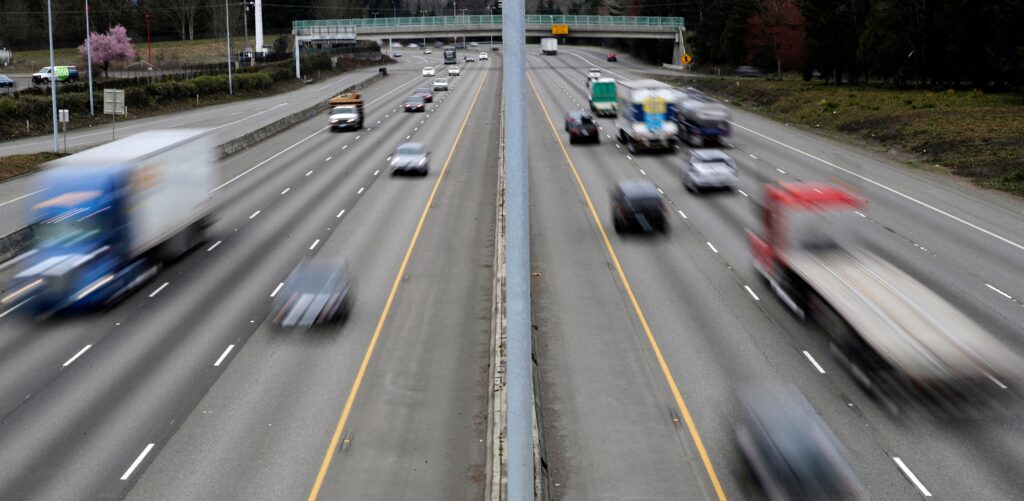
The United States has nearly 161,000 miles of highways and another 140,000 miles of railroad tracks. Why not make extra use of these existing transportation rights of way — which occupy already-developed land that has gone through environmental permitting — as corridors for colocating critical energy and technology infrastructure?
This can be done by granting railroads and state transportation departments the ability to lease capacity along existing rights of way through partnerships with private-sector “corridor managers,” who will oversee design, development, operation and maintenance along these routes.
Using existing transportation rights of way instead of acquiring new private property reduces project costs and can leverage categorical environmental exemptions to bypass lengthy reviews. Revenue generated from utility leases can fund repairs and upgrades for the roads, bridges, tunnels and railroads along the corridor and finance private investment.
This remarkably simple yet effective approach will ensure that more American families have access to affordable energy, help high-tech manufacturers build factories of the future, and slash never-ending permitting timelines.
And all of this is voluntary. Communities that don’t want to participate can simply ignore the opportunity. But by leveraging public-private partnerships, our new program will facilitate the rapid build-out of this critical infrastructure at no additional cost to the taxpayer and no impact to the safety of existing transportation assets.
This new initiative from the Transportation Department is an open invitation to the private sector to work with us on building the critical infrastructure our nation desperately needs.
Initial feedback on the program is due Sept. 12. I hope innovators will answer this call to action and be a part of something special. This is an opportunity to solidify America as the No. 1 place in the world for the next wave of technological innovation.
Under President Donald Trump, this administration will continue to slash red tape, reduce the delays, reverse skyrocketing project costs and get America building again.
The post How highway rights of way can unlock America’s infrastructure bottleneck appeared first on Washington Post.