The Telluride Film Festival usually includes a surprise or two: Oprah Winfrey in the audience, a special film added at the last minute. But rarely if ever has the announcement of a secret screening led to days of frenzied speculation the way it did during the 53rd edition that concluded Monday.
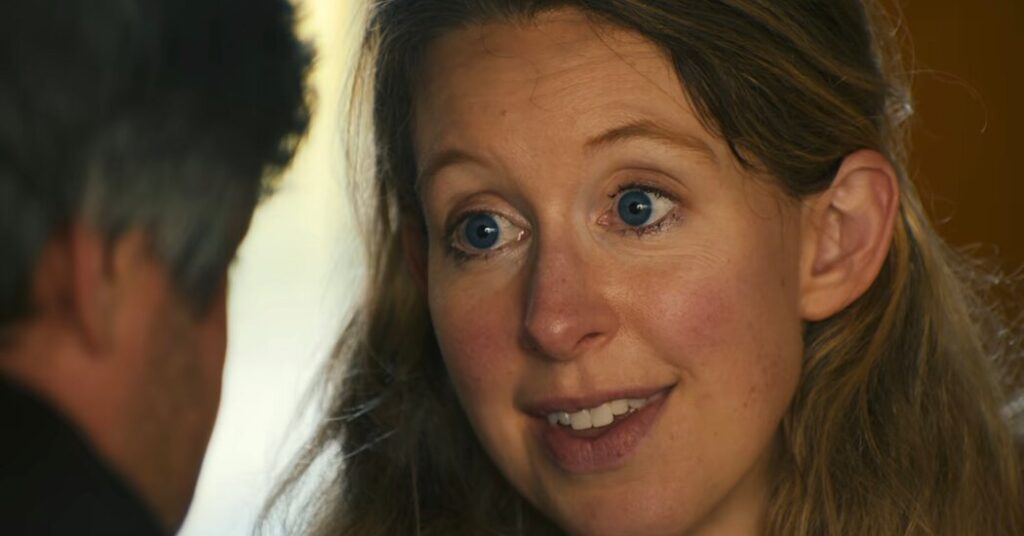
In a first for Telluride, phones were packed into Yondr security pouches, and word of the movie didn’t leak until mere hours before the screening, nestled in a theater inside the box canyon of the Colorado mountains. Even then, news that the comedian Nathan Fielder and Lance Oppenheim had co-directed “You Can See Everything,” a documentary on the Theranos founder Elizabeth Holmes, convicted of defrauding investors, didn’t prepare the audience for what came next: a genre-bending experiment that instantly made headlines around the world.
The screening provided a well-needed shot in the arm for a festival that felt a little sleepier than usual. Usually a harbinger of Oscar season, Telluride screened films that were well received but perhaps less high profile than in years past. So closing out the festival with a guaranteed talker like “You Can See Everything,” from the indie studio A24, will surely help Telluride in the absence of big-studio titles.
This year, not one of the major studios brought its wares to the fall circuit: a three-week period when producers and distributors looking to establish their films as some of the best of the year often make their debut at one, two or all three festivals that occur in that time corridor. The Venice International Film Festival, the Telluride and the Toronto International Film Festival often mean a frenzied trot around the globe to anoint the year’s most likely Oscar contenders.
Julie Huntsinger, Telluride’s executive director, understands: “I think when you get to a certain budget level, the risk of taking a film to a festival is considerable.”
Indeed despite Huntsinger’s best efforts, Warner Bros skipped Telluride and opted not to screen its $125 million Tom Cruise film, “Digger,” from the “Revenant” director Alejandro G. Iñárritu. (According to Huntsinger, Iñárritu said the film had a big twist that he didn’t want revealed a month before the movie opens on Oct. 2. Warner Bros. declined to comment.)
Also being released without making a stop at the festivals first are “The Social Reckoning,” the Sony Pictures follow-up to “The Social Network” from the writer-director Aaron Sorkin; and Netflix’s $200 million “The Further Mis-Adventures of Cliff Booth,” with Brad Pitt reprising his role as the Hollywood stunt man from “Once Upon a Time … in Hollywood.”
In May, the studios stayed away from the Cannes Film Festival, too, a place where big movies like “Top Gun: Maverick” (2022) and “Indiana Jones and the Kingdom of the Crystal Skull” (2008) made their debuts. Last year Warner Bros. chose to unveil its eventual best-picture winner, “One Battle After Another,” without a stop on the festival circuit.
“Obviously, the more high profile the movie with the bigger star power and the more a film is anticipated, it just sets the expectations through the roof,” said the veteran marketer Gerry Rich, whose book “Chasing Hollywood: A Marketing Chief’s Lessons on Breaking Through,” will be released next month. “You want to make sure that you’re going to meet those expectations because if you fall short, you’re going to have a lot of ground to make up. We know those examples of late where films that were so high profile missed the mark.”
Movies with big stars can curry a great deal of attention on their own. And while discerning festival audiences can champion films, they can also dissect them. Add in social media, which can swiftly make or break a title, and the risk of falling short before your release date often far outweighs the reward of being crowned a festival darling.
Recent examples include the debuts of “Joker: Folie à Deux” (2024) and “Don’t Worry Darling” (2022), which both premiered at Venice to muted responses. Last year’s Telluride debut of the Disney biopic “Springsteen: Deliver Me From Nowhere,” also disappointed, despite the rock star’s presence at the festival.
Even films with smaller budgets aren’t immune to scrutiny. Although the best-received films at festivals can generate a huge amount of chatter to propel them through an entire Oscar race, anything with middling reviews or split reactions can fail quickly.
Jason Cassidy, vice chairman at Focus Features, agreed. He acknowledged that his company didn’t take all its movies to film festivals. In fact, its forthcoming period features “The Uprising,” starring Andrew Garfield, which opens Friday, and a new adaptation of “Sense and Sensibility” starring Daisy Edgar-Jones, out Oct. 16, will skip the circuit entirely.
“The ones that we all think about at festivals are the discoveries,” Cassidy said. “The ones that no one knows about and then are blown away when they see them because they didn’t really hear much about them. Those are the ones that I think excite people the most.”
At Telluride this year, Focus debuted “Elsinore,” a little-known emotional drama starring Andrew Scott as Ian Charleson, the actor perhaps best known for “Chariots of Fire” who took on the role of Hamlet while battling AIDS. The movie had audiences sobbing and Scott’s performance immediately began generating Oscar chatter. It helped that a spontaneous post-screening hug between Scott and Winfrey (in a scheduled visit for a panel) was caught on video and has spread across the internet.
To the specialty labels of the studios or the true indie distributors like A24 and Neon, festivals remain the lifeblood of release campaigns.
The dark comedy “Wild Horse Nine,” starring John Malkovich and Sam Rockwell, debuted to raucous applause at both Venice and Telluride and will arrive in Toronto next week. The film, from Martin McDonagh (“Three Billboards Outside Ebbing, Missouri”), is now among the top best-picture contenders according to the awards prediction website Gold Derby.
“Film festivals are a place for people that love movies, that want to have a joyful experience in a movie theater with other audience members, and there is no better place for a studio or a filmmaker to premiere a film than to that audience,” said Matthew Greenfield, president of Searchlight, the Disney-owned specialty studio behind the movie.
To the filmmakers, being deemed worthy of a slot in a festival like Telluride — a curated confab that shows far fewer films than its peers — is the ultimate validation.
The veteran director Danny Boyle said Telluride had accepted his drama “Ink,” about the rise of Rupert Murdoch and The Sun, before anyone else, a precious vote of confidence at exactly the right moment.
Boyle, who first came to Telluride in 2008 with his eventual Oscar winner “Slumdog Millionaire,” said, “You feel so insecure about whether anyone will like it that when you hear that a prestigious festival does, it’s not that you relax because you’re always anxious, but you do think, ‘We belong.’”
The post Here’s What You Won’t See at the Prestigious Fall Film Festivals appeared first on New York Times.