The Energy Department said on Tuesday that it would lend up to $1.9 billion to help restart a shuttered nuclear power plant in Iowa, in the Trump administration’s latest move aimed at reviving nuclear energy in the United States.
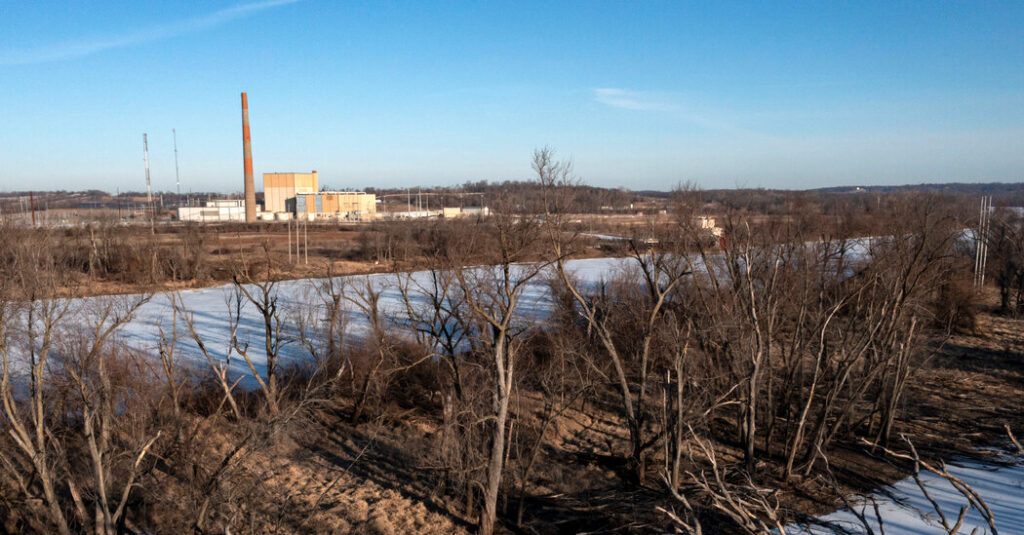
The loan would help NextEra Energy reopen the Duane Arnold nuclear power plant in Linn County, Iowa, which had ceased operating in 2020. NextEra, one of the nation’s largest power companies, announced last year that it planned to refurbish the plant’s reactor and seek regulatory approval to restart operations by the spring of 2029. Google has agreed to buy a portion of the plant’s electricity to help power data centers for artificial intelligence.
The federal loan will reduce NextEra’s financing costs for the project.
“Duane Arnold is exactly the kind of investment that will help restore American nuclear leadership, strengthen our energy security, and deliver the affordable, reliable power Americans need to fuel our nation’s future,” said Greg Beard, director of the Energy Department’s loan office.
No company has ever successfully restarted a U.S. reactor that had previously been retired, but there are now three big attempts underway to do so.
In Michigan, Holtec International has been working to reopen the Palisades nuclear plant, which shuttered in 2022, with the help of a $1.52 billion loan from the Biden administration. That effort was delayed after workers discovered that the plant’s steam generators were in worse shape than expected. Holtec recently announced it had begun the process for loading fuel into the reactor, however, a major step toward bringing the reactor back online before its contractual deadline next year.
In Pennsylvania, Constellation Energy is trying to restart a dormant reactor at the Three Mile Island nuclear plant by 2027, after striking a deal to sell electricity to Microsoft, which also needs power for its A.I. data centers. That effort received a $1 billion federal loan from the Trump administration.
The Duane Arnold nuclear plant in Iowa is the only other shuttered reactor in the country that can still plausibly reopen, experts said. Other plants that have retired, such as Indian Point in New York, are too far along the process of being dismantled.
It’s not easy to reopen a nuclear plant that has been mothballed for years. Workers have to check for corrosion and decay and replace old turbines and other parts. A restart needs approval from the Nuclear Regulatory Commission, which oversees reactor safety.
Duane Arnold came online in 1974 and shut down in 2020 after a storm damaged one of the plant’s cooling towers. Its owners decided then that repairing and restarting the plant did not make economic sense.
At the time, several aging nuclear reactors around the country were retiring in the face of cheap natural gas prices and stagnant electricity demand.
In the years since, however, interest in nuclear power has rebounded. Congress has offered billions of dollars in subsidies to keep older nuclear plants open and help build new ones. Many Democrats have come to see nuclear power, which does not produce planet-warming emissions, as a key tool for fighting climate change. And tech companies are keen on nuclear power to help meet soaring electricity demand from data centers.
The loan for restarting Duane Arnold also comes as the Energy Department has shifted its priorities. During the Biden administration, the agency’s powerful loan office approved billions of dollars in loans to a wide range of start-ups and companies that were developing novel technologies that might one day help tackle climate change. The idea was to help bring promising ideas to market, though critics said that some of those loans risked leaving taxpayers on the hook if the projects failed.
Under the Trump administration, the Energy Department has mostly prioritized lending to more established utilities and large energy companies that are building conventional projects such as natural gas power plants, battery arrays, transmission lines and nuclear reactors, with an eye toward expanding the nation’s energy supply and lowering electricity costs. While loans to large companies are likelier to be repaid, some critics have said they just reduce borrowing costs for projects that would have happened anyway.
NextEra, which is headquartered in Juno Beach, Fla., already owns and operates one of the nation’s largest portfolios of wind, solar, nuclear and natural gas plants through its subsidiaries. The energy giant is trying to merge with Dominion Energy, a large utility that operates in Virginia and the Carolinas, in a deal valued at roughly $67 billion.
In an earnings call earlier this year, before the federal loan was announced, John Ketchum, the chief executive of NextEra, said the company was making “good progress” in preparing to restart Duane Arnold, including in securing a grid connection.
Restarting a shuttered nuclear plant is much cheaper and easier than building a new one. The only two reactors built from scratch in the United States in the past three decades, at the Vogtle nuclear power plant in Georgia, cost $35 billion, double the initial estimates, and arrived seven years behind schedule. That has scared off many companies from trying again — at least without hefty federal support.
Earlier this year, the Energy Department announced an unusual plan to provide up to $17.5 billion in low-cost loans to help utilities buy expensive components that could be used in up to 10 new large reactors of the type built in Georgia, aiming to lower costs by building the same design repeatedly.
So far, however, no utilities have publicly joined the plan. Some analysts have said that any utility that does could see its stock price drop initially, as many investors remain extremely wary of the risks that the multibillion-dollar plants could face delays or cost overruns.
The post U.S. to Loan $1.9 Billion to Restart a Shuttered Nuclear Plant in Iowa appeared first on New York Times.